
Peptides sit at a strange intersection of “everyday supplement” and “prescription-grade medicine.” That’s why searches for peptide supplements often come with the same questions: Which ones actually work, which are hype, and what’s safe to try on your own? This article breaks down what peptides are, the best-studied types (like collagen peptides and GLP-1 medications), what research suggests about muscle recovery and skin, and where the biggest risks show up. You’ll also get practical buying tips, realistic expectations, and a simple decision framework.
Affiliate disclosure: this article contains affiliate links. As an Amazon Associate, UsefulVitamins.com earns from qualifying purchases at no extra cost to you.
Summary / Quick Answer
Peptide supplements are products that contain short chains of amino acids, usually taken to support skin, joints, or recovery – but the evidence depends heavily on the peptide type.
Here’s the quick, practical breakdown:
- Best supported OTC option: Collagen peptides may modestly improve skin hydration and help joint comfort in some people when taken consistently (often 8-12 weeks).
- Not true “supplements” (medical use): GLP-1 peptide drugs (like semaglutide) have strong evidence for weight loss and cardiometabolic benefits, but they require a prescription and monitoring.
- High hype, low human data: Injectable research peptides (example: BPC-157) have promising animal findings, but limited human safety and effectiveness data.
- What to look for: Third-party testing, clear labeling, and realistic claims (skin hydration and comfort, not “anti-aging transformation”).
A simple rule: if it’s oral collagen, the risk is usually low; if it’s injectable or hormone-related, treat it as medical territory.
What peptide supplements are (and why “peptide” can mean very different things)
“Peptide” sounds like one category, but it’s more like a language the body uses. Peptides are short chains of amino acids (often 2-50 units) that can act as messengers – telling cells when to repair tissue, release hormones, or adjust inflammation.
That biology is exactly why peptide products range from a scoopable powder in your coffee to prescription injections used in cardiometabolic care. The trick is knowing which is which.
The 3 buckets most people confuse
To keep expectations realistic, it helps to sort peptides into three practical buckets:
| Bucket | Common examples | How you get it | Evidence strength (typical) | What it’s used for |
|---|---|---|---|---|
| Food-like peptides | Collagen peptides | OTC powder/capsules | Moderate for skin hydration, some joint outcomes | Skin, joints, general protein support |
| Drug peptides | GLP-1 agonists (semaglutide, tirzepatide) | Prescription | High (large clinical trials) | Weight loss, glucose control, cardiovascular risk |
| Research/clinic peptides | BPC-157, thymosin variants, GH secretagogues | Often injectable, variable sourcing | Low to emerging (often preclinical) | Injury narratives, recovery claims, “longevity” protocols |
Why absorption and “form” matter
Not all peptides survive digestion the same way. Many are broken down into amino acids before they can act as signals.
Collagen peptides are a special case because they’re hydrolyzed into smaller fragments, and some dipeptides and tripeptides can be absorbed more efficiently than intact proteins. That’s one reason collagen has more human supplement research than many other peptide categories.
Tracking a protocol like this? Our companion app, StackMyMed, lets you log doses, schedule them, and check interactions across everything you take — alongside, never instead of, your clinician’s guidance.
Actionable takeaway
Before buying anything, identify what you’re actually looking at:
- If it’s collagen peptides, you’re in the OTC supplement world.
- If it’s a GLP-1, it’s a medication, not a supplement.
- If it’s a research peptide injection, assume the evidence is thin and the quality control may vary.
If your goal is performance support, it’s also worth comparing peptides with more established options in this guide to athletic performance supplements and this roundup of best supplements to build muscle.
Peptide supplements benefits: what research supports vs what’s mostly marketing
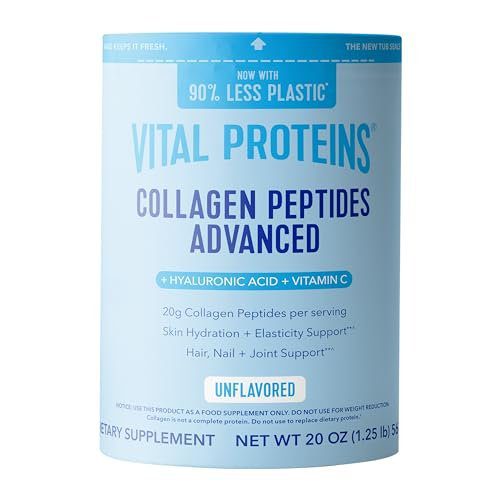
Vital Proteins Collagen Peptides Powder Advanced with Hyaluronic Acid & Vitamin C, 20oz Collagen Protein, Unflavored, 27 Servings
Vital Proteins Collagen Peptides Powder Advanced with Hyaluronic Acid & Vitamin C (20oz, unflavored, 27 servings) delivers 20g collagen per serving from grass-fed bovine sources, plus hyaluronic acid for skin hydration and vitamin C to aid collagen production. It mixes into hot or cold drinks and targets skin, hair, nails, bones, and joints. User experiences note smoother skin with daily use, though some report digestive issues.
Most people don’t actually want “peptides.” They want outcomes: less joint pain, better skin, faster muscle recovery, or easier fat loss. The evidence is uneven, so it helps to map benefits to the peptide type.
Collagen peptides: modest, consistent wins for skin hydration (and sometimes joints)
Collagen peptides are the best-studied oral peptide supplement category. Research suggests they may help:
- Skin hydration and elasticity (often modest improvements after consistent use)
- Wrinkle appearance in some trials, usually small-to-moderate changes
- Joint comfort in some populations, especially active adults
The key word is “modest.” Many trials find improvements like measurable changes in skin hydration rather than dramatic cosmetic shifts. And benefits often plateau after a couple of months.
Muscle recovery: more about soreness than muscle gain
Collagen peptides are not anabolic in the way creatine or adequate total protein can be. But studies suggest collagen can support connective tissue and may reduce perceived soreness in some exercise settings.
If your primary goal is recovery, think “tendons and joints,” not “bigger biceps.” For a practical approach, pair recovery supplements with training fundamentals and timing strategies from the supplement timing optimizer.
GLP-1 peptides: strongest evidence, but they’re not OTC supplements
GLP-1 agonists are peptides used as medications for weight and metabolic health. Large trials have shown significant weight loss and improvements in cardiometabolic markers. A major cardiovascular outcomes study, the SELECT trial publication in The New England Journal of Medicine, reported a reduction in major adverse cardiovascular events in high-risk adults treated with semaglutide.
This matters because social media often lumps GLP-1s into “peptide stacks,” when they are prescription therapies with monitoring requirements.
“Longevity peptides” and research injectables: promising mechanisms, thin human proof
Peptides like BPC-157 are often discussed for tissue repair because animal data suggests effects on angiogenesis and healing pathways. The concern is simple: mechanisms that increase growth signals can be a double-edged sword, and human safety data is limited.
For context on how peptides are being used in wellness settings (and why regulation is tightening), see this reporting on peptide trends in medical and wellness care from Advisory’s healthcare analysis.
Actionable takeaway
Match the claim to the evidence:
- Skin hydration: collagen peptides have the best OTC support.
- Weight loss and metabolic outcomes: GLP-1s have strong proof, but require a clinician.
- Injury repair injections: treat as experimental unless supervised in a legitimate medical setting.
Collagen peptides for skin, joints, and muscle recovery: dosage, timing, and what to expect
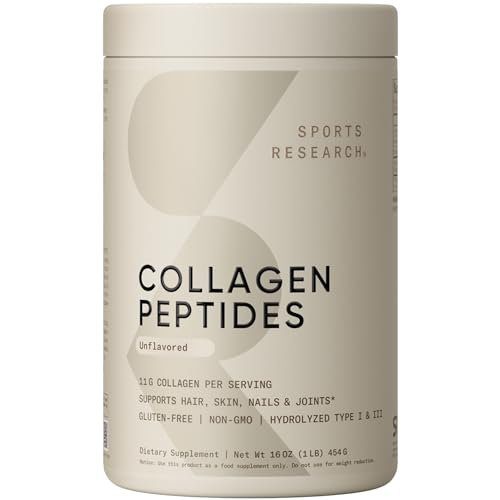
Sports Research Collagen Peptides – Hydrolyzed Type 1 & 3 Collagen Powder Protein Supplement for Healthy Skin, Nails, & Joints – Easy Mixing Vital Nutrients & Proteins, Collagen for Women & Men
Sports Research Collagen Peptides is a hydrolyzed type 1 & 3 collagen powder that supports healthy skin, nails, and joints. It mixes easily into drinks as a protein supplement for women and men, fitting the guide’s focus on peptide benefits. This unflavored option provides vital nutrients without added flavors.
Collagen peptides are popular because they’re simple: flavorless powder, easy routine, generally well tolerated. The bigger question is how to use them in a way that matches what studies actually test.
What collagen peptides are (and what they aren’t)
Collagen peptides are hydrolyzed fragments from collagen (often bovine, marine, or porcine sources). They’re rich in glycine, proline, and hydroxyproline – amino acids common in connective tissue.
They are not a replacement for complete dietary protein. Collagen is low in tryptophan and not “complete” in the same way whey, soy, eggs, or mixed dietary protein is.
Evidence-based dosing ranges (practical targets)
Most studies land in a fairly narrow band. Common real-world dosing looks like:
- 5 g/day: a conservative starting dose if you’re sensitive to GI changes
- 10 g/day: common “maintenance” dose used in many skin and joint trials
- 15-20 g/day: sometimes used for exercise-related connective tissue support
If you’re already meeting protein needs, collagen is more of a targeted add-on than a foundation.
Timing: does it matter?
For skin outcomes, timing likely matters less than consistency. For training-related goals, some people prefer collagen closer to workouts simply because it helps them remember and aligns with the “repair” narrative.
For a deeper timing breakdown, see best time to take collagen. If you’re building a broader routine, use a structured approach like the supplement stacking guide to avoid random add-ons that don’t fit your goals.
What results typically feel like in real life
A realistic expectation window helps prevent disappointment:
| Goal | When people often notice changes | What “success” usually looks like |
|---|---|---|
| Skin hydration | 4-8 weeks | Less dryness, subtle plumping, small texture changes |
| Joint comfort | 6-12 weeks | Easier warm-ups, less “creaky” feeling, not a cure |
| Muscle recovery | 2-6 weeks | Slight reduction in soreness, better tolerance of training volume |
If you want “muscle gain,” collagen shouldn’t be your first pick. The best supplements to build muscle guide covers options with stronger performance evidence.
Safety and quality checklist (OTC collagen)
Collagen is generally low risk for most healthy adults, but quality still matters.
Look for:
- Third-party testing (NSF, Informed Choice, USP where available)
- Clear allergen notes (marine collagen can matter for fish allergies)
- Transparent sourcing and grams per serving (not “proprietary blends”)
Actionable takeaway
If you’re trying collagen peptides, commit to 10 g/day for 8-12 weeks, track one outcome (skin dryness, joint comfort, soreness), and reassess. Consistency beats perfect timing.
Injectable and hormone-related peptides: what’s different, what’s risky, and when to involve a clinician
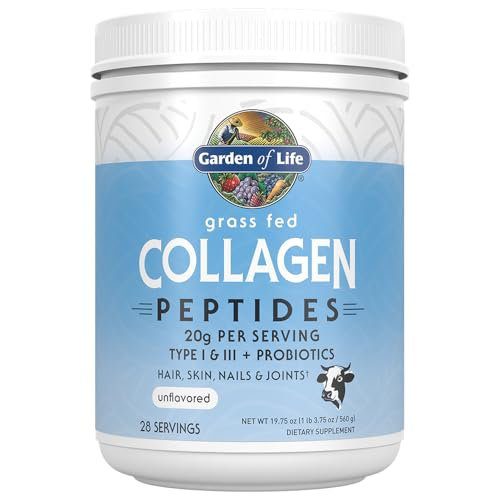
Garden of Life Grass Fed Collagen Peptides Powder Unflavored Collagen Powder for Hair Skin Nails Joints, Hydrolyzed Collagen Protein Supplements, Collagen for Women & Men, 28 Servings
Garden of Life Grass Fed Collagen Peptides Powder Unflavored delivers 20g grass-fed collagen peptides per serving with probiotics, supporting skin elasticity, hair, nails, and joints; it’s hydrolyzed for absorption, provides 28 servings, and mixes easily in hot or cold liquids or baking. Non-GMO Tested and NSF Gluten Free, it’s a straightforward unflavored option without pills. Includes 250 million CFU Bacillus coagulans SNZ 1969 for digestion.
This is where the conversation around peptides can get messy fast. Many “peptide” discussions online blur three very different things:
- prescription peptide medications,
- compounded or clinic-administered therapies, and
- self-sourced injectables sold for “research.”
They are not interchangeable.
GLP-1 peptide medications: strong data, real side effects, real monitoring
GLP-1 agonists are among the best-supported peptide therapies in modern medicine for metabolic disease. They can meaningfully reduce body weight and improve markers like HbA1c in appropriate patients.
But they also carry common side effects, such as:
- nausea, constipation, diarrhea
- reduced appetite (sometimes too much)
- risk considerations for certain endocrine histories
They should be used with clinician oversight. For evidence context, the SELECT cardiovascular outcomes trial in NEJM shows why these drugs are treated as serious medical tools, not casual wellness add-ons.
Growth hormone axis peptides and “secretagogues”
Peptides that influence GH and IGF-1 pathways are often discussed for body composition and recovery. The main concern is that pushing growth signaling is not automatically “good,” especially without labs and screening.
Potential issues include:
- fluid retention
- changes in glucose tolerance
- unintended hormone effects
- unknown long-term risk if misused
Anyone with a personal history of hormone-sensitive cancer, unexplained lumps, or high-risk family history should be especially cautious and speak with a clinician.
Research peptides like BPC-157: mechanism is not the same as proof
BPC-157 is frequently marketed for injury repair. Animal studies suggest healing-related pathways, but human evidence is limited, dosing standards are unclear, and product quality can be a major risk when sourced outside medical channels.
One practical way to think about it: if the biggest “proof” you see is before-and-after anecdotes, you’re functionally running an experiment on yourself.
A simple risk ladder (use this before you buy)
| Category | Typical risk level | Why |
|---|---|---|
| Oral collagen peptides | Lower | Food-like, common use, generally tolerable |
| Prescription GLP-1 peptides | Medium (managed) | Strong evidence, but needs monitoring |
| Self-sourced injectables | Higher | Quality control, contamination, dosing uncertainty |
Actionable takeaway
If a peptide product requires injection, promises rapid body changes, or references hormone pathways, treat it as a medical decision. The safest next step is a clinician conversation plus baseline labs (often including glucose markers and IGF-1 when relevant).

How to choose peptide supplements: label red flags, third-party testing, and smart stacking
A good peptide product choice is less about the trend and more about avoiding predictable mistakes. Most disappointment comes from one of three problems: unrealistic claims, poor quality control, or stacking too many things at once.
Label red flags that predict poor outcomes
Be cautious if you see:
- “Proprietary blend” with no grams listed (especially for collagen)
- Claims like “reverses aging,” “regenerates organs,” or “works like steroids”
- No manufacturer details, no batch testing, no lot numbers
- Products marketed as “for research only” but clearly sold to consumers
If you’re buying a collagen powder, you should be able to answer two questions instantly: How many grams per serving? What’s the source?
What third-party testing actually protects you from
Third-party testing is not a magic shield, but it helps reduce risk of:
- heavy metal contamination
- inaccurate label claims
- banned substances (important for athletes)
If you compete in tested sports, prioritize certifications like NSF Certified for Sport or Informed Sport when possible.
Smart stacking: keep the goal the goal
Many people add peptides on top of an already crowded routine. That makes it hard to know what’s working and increases the chance of GI issues or wasted money.
A simple stacking framework:
- Foundation: adequate protein, sleep, training consistency
- One target supplement: collagen peptides for joints/skin, or creatine for strength goals
- One tracking metric: soreness rating, skin dryness score, or training volume tolerance
If you want a structured way to build combinations, use the supplement stacking guide and then sanity-check timing with the supplement timing optimizer.
Quick “buying checklist” you can screenshot
- Choose the peptide type that matches your goal (skin vs weight vs recovery)
- Prefer brands with third-party testing and clear dosing
- Avoid injectable “research” products without medical supervision
- Trial for 8-12 weeks (for collagen) before deciding it “doesn’t work”
- Don’t stack more than one new product at a time
Actionable takeaway
The best peptide routine is the one you can measure. Pick one outcome, pick one product, and give it enough time to show a real signal.
Conclusion
Peptide supplements can be useful, but they’re not one thing. Oral collagen peptides have the most practical OTC evidence for modest improvements in skin hydration and, for some people, joint comfort and muscle recovery. Prescription peptide therapies like GLP-1 medications have strong data for weight and cardiometabolic outcomes, but they belong in clinical care. Injectable research peptides sit in a riskier zone where mechanisms and anecdotes often outrun human proof.
If your next step is performance-focused, compare options in athletic performance supplements and review the evidence-backed basics in best supplements to build muscle.
As an Amazon Associate, I earn from qualifying purchases. Product recommendations are based on real reviews and independent research.
