
ARMRA turned bovine colostrum from a bodybuilding relic into a $60 wellness flex, and the obvious question on Amazon is whether WonderCow, at half the price and twice the servings, is quietly the same thing in a cheaper jar. The honest answer for most people is that the premium buys processing, single-serve sticks and branding, not a meaningfully bigger dose of immunoglobulins reaching your gut. The colostrum we would actually keep in our own family’s cabinet is at the bottom of this page, but read the dose math first, because it changes what you should be willing to pay.
Affiliate disclosure: this article contains affiliate links. As an Amazon Associate, UsefulVitamins.com earns from qualifying purchases at no extra cost to you.
Before you decide
Colostrum is a dairy product, so anyone with a cow’s-milk-protein allergy should skip it entirely, and people who are severely lactose intolerant may still react even though colostrum is lower in lactose than regular milk.
These supplements are not infant formula and are not a substitute for a newborn’s own colostrum, so do not use adult colostrum powders for babies. If you are pregnant, immunocompromised, or taking immunosuppressant medication, clear it with your clinician first, since colostrum naturally contains trace growth factors such as IGF-1.
Most importantly, colostrum is an adjunct, not a treatment. If you have persistent gut symptoms, recurrent infections, or a diagnosed immune problem, get that worked up through standard care before spending on any powder.
What colostrum actually is
Colostrum is the first milk a mammal produces in the days right after birth, and it is dense with immunoglobulin G, lactoferrin, antimicrobial peptides and growth factors meant to jump-start a newborn’s immune defense and gut development. Bovine (cow) colostrum is what every supplement on the market uses.
According to a 2021 Nutrients review of colostrum’s constituents and uses, the interesting part is that colostrum comes naturally packaged so its bioactive proteins survive digestion and reach the lower gut, where IgG can bind pathogens and the growth factors may support the intestinal lining. That packaging is why colostrum is studied as a whole ingredient rather than as isolated IgG.
Here is the catch that both ARMRA and WonderCow gloss over: colostrum’s key proteins are heat-sensitive, and the raw IgG percentage varies a lot by batch and processing. Most whole colostrum lands somewhere around 10 to 30 percent IgG unless it has been deliberately concentrated and standardized. WonderCow publishes a 40 percent IgG figure on its label; ARMRA publishes no percentage at all.
ARMRA vs WonderCow, head to head
Strip away the aesthetics and the two products are far more alike than the price suggests. Both are whole bovine colostrum, but only WonderCow puts a number on it — 40 percent IgG on the label, while ARMRA publishes none, so with ARMRA you are trusting the sourcing and processing story instead.
| Spec | ARMRA | WonderCow |
|---|---|---|
| Format | Single-serve stick powder (also sold as a jar) | Loose unflavored powder in a tub |
| Serving size | About 1 g per stick | About 1 to 3 g per scoop |
| Servings per box | 30 (Foundation box) | 60 |
| Typical price | About $55 to $65 | About $65 |
| Price per serving | About $1.80 to $2.20 | About $1.08 |
| IgG standardization | Whole colostrum, proprietary cold processing, IgG percentage not published | Whole colostrum, label states 40 percent IgG |
| Where sold | Mostly direct-to-consumer and subscription | Amazon-native |
| Notable extras | Flavored options, heavy branding, single-serve convenience | Unflavored, mixes into anything, double the serving count |
The line that matters is price per serving. ARMRA is close to double WonderCow’s cost per serving, and WonderCow gives you twice as many servings per box, which is exactly the “is the premium worth it” gap this comparison exists to answer.
Does colostrum actually work? Serving size vs the clinical dose
This is where most ARMRA-vs-anything articles go quiet, and it is the single most useful thing to understand before you pay for either. Colostrum has real but modest evidence, and the effect is dose-dependent, so the size of your scoop matters more than the logo on it.
On the encouraging side, a 2017 trial in athletes found that a low daily dose of bovine colostrum lowered intestinal permeability and stool zonulin, a marker tied to gut-barrier integrity. And a 2023 randomized, triple-blind trial in medical students used just 0.5 to 1.0 g per day and still saw fewer upper-respiratory infections. Those low doses are right in the neighborhood of a single ARMRA stick or a WonderCow scoop, so the small serving is not automatically pointless.
Zoom out to the immune data and a meta-analysis of five randomized trials found colostrum reduced the rate of upper-respiratory-symptom days, with a pooled rate ratio around 0.56. That is a genuine signal, but the trials behind the bigger athletic and immune claims typically used far more than a wellness scoop.
A 2021 review of bovine colostrum in sport and exercise notes that trials commonly used 20 to 60 g per day, which is 20 to 60 times a 1 g serving. So a single daily stick is dosed for the modest gut-barrier and mild-infection benefits, not for the “rebuild your immune system” story the marketing implies. Both ARMRA and WonderCow live in the low-dose lane, and no head-to-head trial shows either brand beating plain colostrum.
Is ARMRA’s premium worth 2x the price?
Be clear about what the extra dollar-plus per serving actually buys. The ARMRA premium pays for single-serve travel sticks, flavor options, a cold-processing narrative and a brand people trust enough to stay consistent with. Consistency is not nothing; a colostrum you actually take every day beats a cheaper tub that sits in the pantry.
What the premium does not buy is a published higher IgG percentage, a larger per-serving dose, or any clinical evidence of superiority. There is no study showing ARMRA outperforms a generic whole colostrum at the same dose, because the active fraction is the same category of ingredient.
So the verdict splits by buyer. If grab-and-go sticks, taste and brand are what keep you consistent, ARMRA is a defensible splurge. If you are going to dump powder into coffee or a smoothie anyway, you are paying roughly double for packaging, and the Amazon options below deliver the same whole-colostrum fraction for a quarter to half the price.
What to look for on a colostrum label
Whatever brand you land on, the label tells you more than the price does. Prioritize whole, first-milking bovine colostrum, ideally from pasture-raised or grass-fed herds, and treat a disclosed IgG percentage as a real plus since most products hide it.
Then check the fundamentals: third-party or GMP testing, low-heat processing to protect heat-sensitive proteins, and an honest ingredient list without a proprietary blend hiding the actual colostrum amount. Skip anything padding the tub with fillers or making cure-all promises.
Recommended colostrum you can buy on Amazon
ARMRA itself is sold almost entirely direct-to-consumer, so it is not one of the Amazon picks here. These are the whole-colostrum options we would actually reach for when we want the same active ingredient without the direct-to-consumer markup, ordered from the closest ARMRA substitute to the cheapest way in.
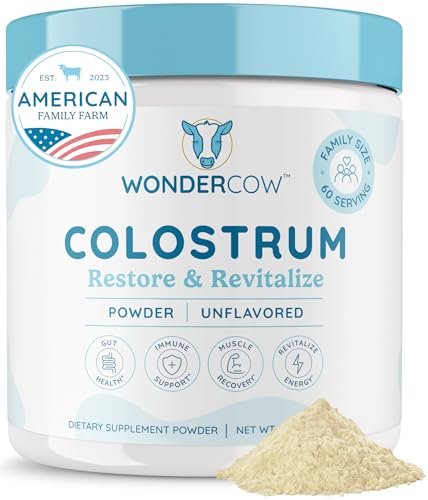
WonderCow Colostrum Powder (60 Servings)
The direct budget-versus-ARMRA comparison: whole bovine colostrum powder, unflavored, with 60 servings for roughly the same box price ARMRA charges for 30.
- Sixty servings, double the count of an ARMRA Foundation box
- Unflavored powder mixes into coffee, smoothies or water
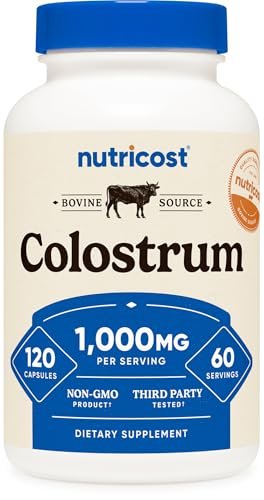
Nutricost Colostrum 1000mg (120 Capsules)
If you just want the colostrum without the ritual, capsules at roughly a quarter per serving deliver the same whole-colostrum fraction with no scoop and no aftertaste.
- About $0.27 a serving, the cheapest way into colostrum
- Capsules travel well and are gluten-free and non-GMO
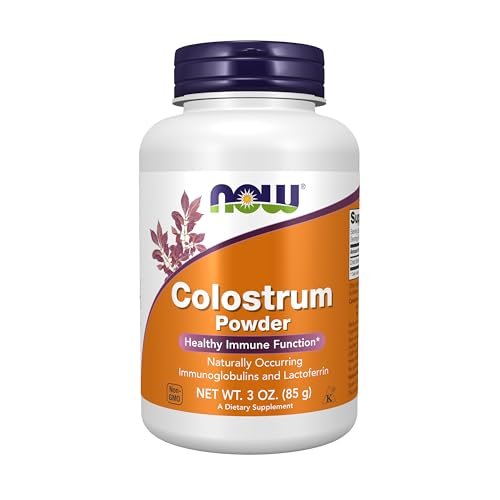
NOW Foods Colostrum Powder (3 oz)
A long-established, GMP-audited brand whose colostrum powder lists naturally occurring immunoglobulins and lactoferrin, sitting between price and label transparency.
- From a decades-old, GMP-audited supplement maker
- Powder lets you scale the dose and lists lactoferrin alongside immunoglobulins
FAQ
Is ARMRA sold on Amazon?
No, ARMRA is sold almost entirely through its own site and subscription, not on Amazon. The Amazon colostrums in this article are alternatives that use the same whole bovine colostrum ingredient, so you can get the active fraction without the direct-to-consumer premium.
Is WonderCow the same as ARMRA?
They are the same category, not identical products. Both are whole bovine colostrum, but WonderCow states 40 percent IgG on its label while ARMRA publishes no percentage; ARMRA leans on a proprietary cold-processing story, and no study shows one out-performs the other at an equal dose.
How much colostrum should I take?
Most labels suggest 1 to 2 g a day, and the low-dose trials with positive results used about 0.5 to 1.0 g daily. More is not proven better for general wellness, and the 20 to 60 g athletic doses in the research are impractical and expensive for everyday use.
Does colostrum help “leaky gut”?
There is some randomized-trial support for colostrum reducing intestinal permeability at low doses, which is the mechanism people mean by leaky gut. It is a plausible adjunct, not a cure, and persistent gut symptoms still need a proper medical workup.
Powder or capsules, which is better?
It comes down to preference and price. Powder is cheaper per gram and lets you adjust the dose, while capsules are convenient and skip the colostrum taste, so pick whichever one you will actually take consistently.
The bottom line on ARMRA vs WonderCow colostrum
ARMRA and WonderCow are the same kind of ingredient wearing very different price tags. The premium buys convenience, flavor and brand trust, not more immunoglobulin at your gut, and the underlying evidence for colostrum is modest, dose-dependent, and strongest for gut-barrier and mild upper-respiratory support at the small doses both products actually deliver. Treat any colostrum as an adjunct to standard care, not a replacement for it.
Next steps:
- Decide honestly whether sticks and taste keep you consistent; if not, the value picks above give you the same colostrum for a quarter to half the price.
- Check the label for whole first-milking colostrum, low-heat processing and third-party testing before you buy.
- For more on reading supplement labels the smart way, browse our other evidence-first supplement comparisons.
Written and reviewed by the UsefulVitamins Editorial Team, focused on evidence-first supplement comparisons.
As an Amazon Associate, I earn from qualifying purchases.
