
Two premium probiotics keep surfacing in the same searches, yet they could hardly be more different under the hood. Pendulum built its name on Akkermansia muciniphila, a gut microbe tied to blood sugar and the GLP-1 pathway — the same hormone system behind the Ozempic-class drugs. Seed’s DS-01 is a 24-strain synbiotic aimed at everyday digestion, regularity, and gut-barrier support. The honest verdict is that these two are not really competitors — they solve different problems, and only one of them is worth its price for your specific goal. The picks at the end are the ones we would actually keep in our own family’s cabinet, sorted by what you are trying to fix.
Affiliate disclosure: this article contains affiliate links. As an Amazon Associate, UsefulVitamins.com earns from qualifying purchases at no extra cost to you.
Before you decide
Before you commit $50 to $65 a month, remember that a probiotic is an add-on, not a treatment. If you are managing type 2 diabetes, prediabetes, or taking a GLP-1 medication, neither of these products replaces your prescription or your clinician’s plan — talk to your doctor before layering anything on top.
Anyone who is immunocompromised, pregnant, seriously ill, or has a central venous line should get medical clearance before starting any live-microbe supplement, in line with the cautions the NIH Office of Dietary Supplements probiotics fact sheet lays out for probiotics.
And fix the free things first. Fiber, sleep, a short walk after meals, and fewer ultra-processed foods move the same metabolic and gut markers these capsules target — frequently more than the supplement itself will.
What Akkermansia and synbiotics actually do
Akkermansia muciniphila is a mucin-loving bacterium that lives in the protective gel layer along your gut wall. In animal work, topping up Akkermansia tightened the gut barrier and improved diet-induced metabolic problems, as first mapped in a landmark 2013 PNAS study on Akkermansia and diet-induced obesity.
The human signal came later. A 2019 proof-of-concept trial in Nature Medicine gave overweight and insulin-resistant volunteers Akkermansia for three months and saw improvements in insulin sensitivity and some blood markers without safety flags. This microbe is also linked to the release of GLP-1, the satiety-and-glucose hormone that current weight-loss drugs mimic — which is exactly the lever Pendulum is pulling.
A synbiotic is a different concept. Under the ISAPP consensus definition of synbiotics, it combines live microbes with a substrate (a prebiotic) that feeds them. Seed’s DS-01 is built this way — 24 probiotic strains paired with a pomegranate-derived prebiotic in an outer capsule — and it is aimed at broad digestive and gut-barrier support rather than one metabolic target.
Pendulum vs Seed, head to head
Here is the practical split. Pendulum is a narrow, mechanism-driven metabolic product; Seed is a wide, generalist daily synbiotic. The table lines up what each is actually offering.
| Feature | Pendulum (Akkermansia / Metabolic Daily) | Seed DS-01 |
|---|---|---|
| Category | Targeted metabolic probiotic | Broad daily synbiotic |
| Signature ingredient | Akkermansia muciniphila (plus butyrate producers) | 24 strains + pomegranate prebiotic |
| Primary goal | Post-meal glucose, energy, GLP-1 support | Digestion, regularity, gut-barrier support |
| Strongest evidence | Company RCT on postprandial glucose in type 2 diabetes — run on the multi-strain Glucose Control formula, not the single-strain jar | Strain-level literature; less product-specific RCT data |
| Contains a prebiotic | Akkermansia jar includes prebiotic fiber | Yes, integral to the design |
| Typical cost per month | Around $60 to $65 | Around $50 |
| Sold on Amazon | Yes, several genuine SKUs | No, direct-to-consumer only |
Pendulum: the metabolic and GLP-1 play
Pendulum’s pitch is specific: reseed a microbe most people are low in and support the glucose-and-satiety machinery. You buy Pendulum for a metabolic reason — flatter post-meal glucose curves, fewer energy crashes, or GLP-1 support alongside diet changes. If your interest is simply “better digestion,” you are paying a premium for a lever you do not need.
Seed DS-01: the broad synbiotic
Seed leans on formulation quality — acid-resistant capsule-in-capsule delivery, a large strain count, and an integrated prebiotic. It is a generalist daily probiotic, and its marketing wisely avoids disease claims. The catch for value shoppers is that it is direct-to-consumer only, so you cannot price-shop it on Amazon the way you can a comparable synbiotic.
What the evidence actually shows
Pendulum has the more product-specific data, but it belongs to one specific product. Its multi-strain Glucose Control formulation — not the single-strain Akkermansia jar — was tested in a 2020 randomized, double-blind trial in BMJ Open Diabetes Research and Care, where adults with type 2 diabetes on metformin saw modest reductions in post-meal glucose spikes and A1c versus placebo. The effect was real but incremental — a helpful adjunct, not a replacement for medication or diet.
The broader Akkermansia case rests on the mechanistic PNAS work and the small human Nature Medicine study above. Together they justify interest in the strain, but the human evidence is early and the sample sizes are small, so temper expectations accordingly.
Seed’s evidence is mostly strain-level rather than product-level. Many of its 24 strains have individual research behind them, but there is less published data on the finished DS-01 formula as a single product. That is common across premium synbiotics and is not unique to Seed — it just means you are partly paying for formulation confidence rather than a headline trial.
Cost, value, and who each is really for
Both land near the top of the price ladder — roughly $50 for Seed and $60 to $65 for Pendulum each month. For a generally healthy adult who just wants “a good probiotic,” neither premium price is easy to justify over a solid $30 Amazon synbiotic.
The one place the Pendulum premium earns its keep is a concrete metabolic goal you are actively working on — post-meal glucose, energy stability, or GLP-1 support layered onto real diet and activity changes. That is the narrow lane where the Akkermansia angle has both a plausible mechanism and a supporting trial.
For everyday digestion and regularity, the smarter move is usually a cheaper Amazon synbiotic or spore probiotic run for eight to twelve weeks, then judged on how you feel. If nothing changes, no premium jar will rescue it.
The picks we’d actually buy
Seed is direct-to-consumer only, so there is no honest Amazon link for it — instead we point you to the two Amazon synbiotics that fill the same daily-digestion job for less. On the Pendulum side, the genuine SKUs are on Amazon, so the metabolic picks below are the real thing. Match the pick to the goal you set at the top of this article, not to whichever brand shouts loudest.
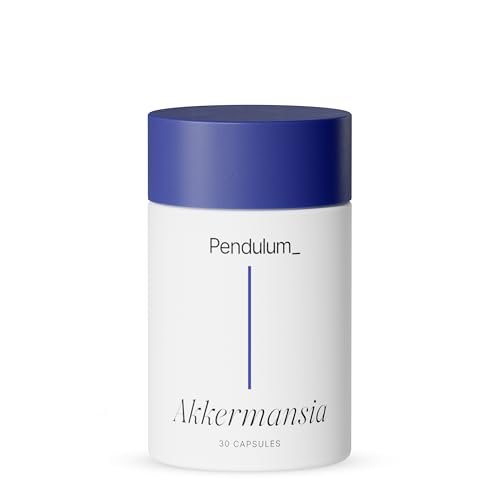
Pendulum Akkermansia Probiotic
The genuine single-strain Akkermansia muciniphila jar — the exact microbe tied to GLP-1 and gut-barrier support. Delayed-release and third-party tested, this is the pick if the Akkermansia mechanism is what you came for.
- Live Akkermansia strain with prebiotic fiber included
- The most on-target choice for a metabolic goal
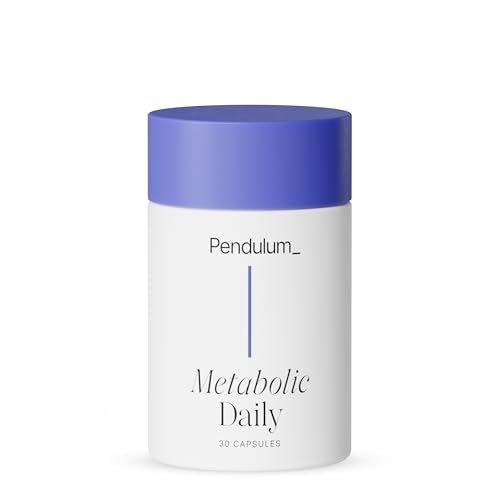
Pendulum Metabolic Daily
A multi-strain formula that pairs Akkermansia with butyrate-producing microbes to support metabolism and steadier energy. A reasonable step down in price from the single-strain jar if you want a fuller blend.
- Akkermansia plus supporting metabolic strains
- Slightly cheaper than the single-strain Akkermansia jar
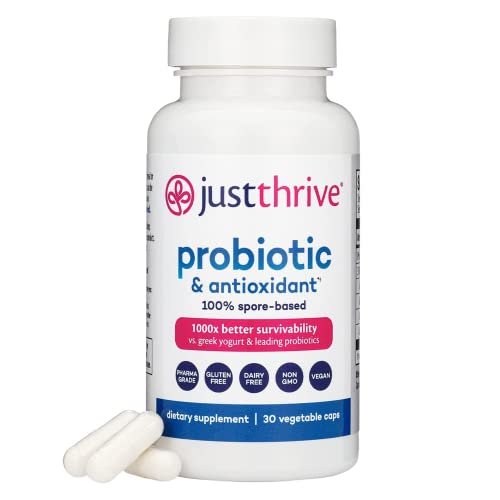
Just Thrive Probiotic & Antioxidant
A spore-based, broad-spectrum probiotic that, like Seed, is built to survive stomach acid and reach the colon. The nearest Amazon stand-in if you want Seed’s daily-digestion job without the direct-to-consumer lock-in.
- Spore-forming strains survive to the gut intact
- Shelf-stable, no refrigeration needed

Garden of Life Dr. Formulated Once Daily Women’s Probiotics
This is the Once Daily Women’s jar — 50 billion CFU across 16 strains with organic prebiotic fiber, a true synbiotic at roughly half the monthly cost of the premium DTC brands. Garden of Life sells an equivalent Once Daily Men’s formula if that fits you better.
- Probiotic plus organic prebiotic in one capsule
- About half the price of Seed or Pendulum
Frequently asked questions
Is Pendulum the same as Ozempic? No. Pendulum is a probiotic that may support your body’s own GLP-1 release, not a GLP-1 drug. The effect size in its trial was modest, and it is not a substitute for a prescribed medication or a weight-loss injection.
Can I take Pendulum and Seed together? There is no known reason you cannot, but you would be paying over $100 a month for overlapping benefits. Most people should pick the one that matches their goal rather than stacking both.
Why isn’t Seed on Amazon? Seed sells direct-to-consumer only, on a subscription model. Any “Seed” listing on a marketplace is a resale risk, not the official channel — which is why the alternatives above are Amazon-native synbiotics instead.
Do I need the exact Akkermansia strain? If your goal is metabolic, the specific strain is the whole point of Pendulum. If your goal is general digestion, a cheaper broad synbiotic is a sensible starting place before spending on a targeted product.
How long before I know if it’s working? Give any probiotic eight to twelve weeks of consistent daily use before judging it, and track something concrete — post-meal energy, glucose readings if you have them, or regularity.
The bottom line on Pendulum vs Seed
Treat this as a goal-matching exercise, not a winner-takes-all fight. Pendulum is the pick when you have a real metabolic target and want the Akkermansia and GLP-1 angle, remembering that the company trial ran on the multi-strain Glucose Control formula rather than the single-strain jar; a broad synbiotic is the pick when you simply want better daily digestion. For most healthy adults, a $30 Amazon synbiotic tested for a couple of months is the rational first move before paying premium prices.
Next steps:
- Write down your single goal — metabolic versus general digestion — before you buy anything.
- Start with one product, give it eight to twelve weeks, and track one concrete marker.
- Pair any probiotic with the free basics: fiber, sleep, and post-meal movement.
Reviewed by the UsefulVitamins Editorial Team, focused on evidence-based supplement and gut-health guidance. This article is educational and is not a substitute for personalized medical advice.
As an Amazon Associate, I earn from qualifying purchases.
