
Affiliate disclosure: this article contains affiliate links. As an Amazon Associate, UsefulVitamins.com earns from qualifying purchases at no extra cost to you.
It is 3:12 a.m. and you are awake again, nightshirt soaked through, one side of the sheet damp enough to migrate to the other. By the third night in a week, a reasonable question forms: is all that sweat costing me something a glass of water cannot put back? The honest answer is "sometimes, a little", and this guide is about handling that little bit well without buying into the hormone-balancing hype that surrounds this aisle.
We wrote it the way we handle it in our own family, where perimenopause is not a hypothetical; the picks below are exactly what we would hand our own sister or mother. If you want the mineral-by-mineral science first, start with our complete guide to electrolytes and come back.
Before you decide
Start with the red flags, because night sweats are one of the few supplement topics where the first move can genuinely be a phone call. If your night sweats are new and unexplained, or arrive together with fever, unintentional weight loss, or swollen lymph nodes, see a doctor before you buy anything. A 2012 systematic review in the Journal of the American Board of Family Medicine found night sweats are common and usually benign in primary care, and also that they occasionally signal infections, malignancies, or autoimmune disease. A short appointment sorts one group from the other; a flavored powder cannot.
The same caution applies to anyone on blood pressure medication, diuretics, or with kidney disease. These drugs and conditions change how your body handles sodium and potassium, which are precisely the minerals these products deliver, so clear any new electrolyte habit with your prescriber first. This article is not medical advice. It is a buying guide for generally healthy women in perimenopause or menopause whose night sweats are an established, discussed-with-a-clinician part of their transition.
One honesty note before the picks: we have no relationship with any brand here. Some links earn us a small commission at no cost to you, and none of that moved the rankings.
What night sweats actually take out of you
Night sweats in midlife are usually hot flashes that happen to arrive while you sleep. They are astonishingly common: The Menopause Society puts vasomotor symptoms at up to 80 percent of women, lasting a mean of 7 to 10 years, with individual episodes running one to five minutes. This is not a fringe complaint; it is the default experience of the menopause transition. The landmark SWAN cohort tracked it precisely: a 2015 analysis in JAMA Internal Medicine found a median symptom duration of 7.4 years, longest in women whose symptoms started early in perimenopause. An earlier SWAN analysis found the odds of symptoms peak in late perimenopause, the year or two around the final period, which matches when most readers of this page will land here.
The mechanism explains the drama. Falling estrogen narrows the brain's thermoneutral zone, the temperature band inside which your body neither sweats nor shivers. A 2014 review of hot flash physiology describes what follows: a tiny rise in core temperature that a 30-year-old body would ignore now triggers an exaggerated heat-dump response, with peripheral blood vessels dilating and sweat glands firing hard. You wake up drenched not because the room is hot but because your thermostat's tolerance band got narrow. Our perimenopause supplement guide covers the wider symptom picture; here we stay on the sweat itself.
Now the part the sales pages inflate: how much fluid is that? We could not find a study that has directly measured sweat volume during nocturnal vasomotor episodes, so we will not pretend to a number. What we can do is set a ceiling. A 2017 review in Sports Medicine puts sweating during actual exercise at roughly 0.5 to 2.0 liters per hour. A hot flash lasts one to five minutes, and even a rough night holds a handful of them. A plausible drenching night costs you something in the range of a few hundred milliliters, well under what one hour of moderate exercise removes. Soaked nightclothes look dramatic because fabric spreads moisture, and evaporation is poor under a duvet, so more of the sweat ends up visible instead of vanishing into the air.
Sodium follows the same modest math. Sweat carries roughly 10 to 70 mmol of sodium per liter, per the same review, so a heavy night plausibly takes a few hundred milligrams with it. That is real, especially repeated over five or six nights a week for years, and it is nowhere near the gram-plus losses of a long training session. Sizing your replacement to the actual loss is the whole trick, and it is why our recommendations below run smaller than what we suggest for athletes.
When water alone is enough
We sell nothing by saying this, so believe us: most night sweats need water and breakfast, nothing more. An occasional warm-night episode, a mild dampness at the collarbone, a once-a-week wake-up: plain water when you wake plus a normal diet replaces everything you lost, usually by mid-morning. The average diet already carries more sodium than most adults need.
The case for a product starts where frequency and volume climb together. Drenching sweats most nights for months, sheet or nightclothes changes, a wrung-out and foggy feeling through the morning: that pattern justifies a deliberate morning serving. It gets stronger if your days add their own sweat on top, through summer heat, hot yoga, or hard training; our hot yoga electrolyte guide covers that use case, which runs three to five times larger than anything a night can do.
And to say the quiet part loudly: no electrolyte product reduces night sweats. Some brand blogs in this niche claim hydration breaks a "dehydration cycle" and cuts sweats by startling percentages. We found no evidence for that anywhere in the menopause literature. If the sweats themselves are the problem, the treatments with evidence run through your clinician, and The Menopause Society lists hormone therapy as the most effective of them. Our menopause supplement guide walks the honest tiers of that ladder. Electrolytes only clean up after the sweat; they do not prevent it.
How to choose for night sweats and menopause
The first principle is timing. Replace in the morning, not at 3 a.m. Nothing about a nocturnal episode requires immediate mineral replacement; sipping water when you wake is fine, and a full flavored drink in the small hours mostly guarantees a bathroom trip that finishes the job the sweat started on your sleep. A single serving with breakfast covers the night at the point your body is upright and asking for it anyway.
Second, size the sodium to the loss. For overnight sweats, 300 to 500 mg of sodium per serving is plenty; the 1,000 mg sport formulations exist for people losing liters, and a full one every day is more than this situation calls for, particularly in the decade when blood pressure starts drifting up. If you love a high-sodium mix, use half servings. If you have hypertension or take blood pressure medication, this entire decision goes through your doctor first.
Third, watch the sugar, because this is a daily habit rather than a race-day tool. An 11 g sugar serving every single morning for the 7.4-year median run of symptoms is a real dietary line item, and it is avoidable: several major brands now sell zero-sugar versions sweetened with allulose or stevia. Skip caffeinated variants entirely, since caffeine is a commonly reported hot flash trigger and a strange thing to add to a menopause routine. Third-party testing (NSF or Informed Sport) is a sensible tiebreaker in a category this crowded.
The numbers side by side
Label numbers below were checked against brand pages and published label breakdowns in August 2026. Where a brand does not publish a figure, we say so rather than guess.
| Product | Sodium per serving | Potassium | Sugar | Format | Price per serving |
|---|---|---|---|---|---|
| Nuun Sport | 300 mg | 150 mg | 1 g | Effervescent tablet, 10 per tube | About $0.75 as of August 2026 |
| LMNT | 1,000 mg (500 mg as a half stick) | 200 mg | 0 g | Powder stick | About $1.35 as of August 2026 (30-count) |
| Liquid I.V. Sugar-Free | 500 mg (brand states “at least”) | 350 mg (brand states “at least”) | 0 g (allulose blend) | Powder stick, 14 per pouch | About $1.56 as of August 2026 |
| Ultima Replenisher | 55 mg | 250 mg | 0 g | Powder scoop or stickpack | About $1.05 as of August 2026 |
Top picks for night sweats
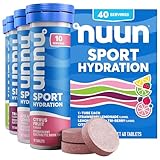
Nuun Sport is our pick for the standard night-sweats pattern: frequent, annoying, moderate. One tablet in a morning glass delivers 300 mg of sodium with 150 mg of potassium, 25 mg of magnesium, and a single gram of sugar, which matches the realistic scale of an overnight loss almost exactly. The light fizz and mild flavor suit a breakfast table better than the syrupy sport mixes, and at about 75 cents a tablet the habit costs less than the sheets you are washing.
LMNT, used as half a stick, is the value play for drenching-sweat mornings. A full stick carries 1,000 mg of sodium and no sugar; half of one delivers 500 mg for roughly 70 cents and stores fine folded shut for the next day. This is the right shape for women whose nights genuinely soak fabric and who also sweat through active days. The salt-forward taste divides households, and a full daily stick is more sodium than this situation needs, so treat the half-stick framing as the recommendation, not a serving suggestion to round up.
Liquid I.V. Sugar-Free suits people who want the flavor payoff without the original's sugar. The regular Hydration Multiplier carries 11 g of sugar per stick, which we like after a two-liter hot yoga sweat and dislike as a daily menopause habit. The sugar-free line keeps the brand-stated minimums of at least 500 mg of sodium and 350 mg of potassium per serving while swapping the sugar for an allulose blend. It is the most expensive option here per serving, and the one that tastes most like a treat, which for daily adherence is not a small thing.
Ultima Replenisher is the flavor-first option that is honest about what it is not. At 55 mg of sodium per serving it replaces only a fraction of a heavy night, so we do not recommend it as the workhorse here. Its 250 mg of potassium and 100 mg of magnesium with zero sugar make it a pleasant way to get a reluctant water-drinker through mornings, and that has value of its own. We ran it head-to-head with our top pick in our Nuun vs Ultima breakdown, and the sodium gap decided that matchup for sweat replacement.
What to look for when buying
Read the serving definition before the mineral numbers. Some brands quote a serving as two scoops or two tablets, which quietly halves the sodium you thought you were buying and doubles the real cost per morning.
Be extra skeptical of anything marketed specifically "for menopause" in this category. Electrolyte powders wearing hormone-balance language charge a premium for minerals that cost cents, and no mineral blend has evidence against vasomotor symptoms themselves. Buy the boring, well-tested product and spend the difference on the interventions that do work.
Start with the smallest format sold. Taste drives adherence in a daily habit more than any spec does, and every brand here sells a single tube, small pouch, or variety pack, so there is no reason to own 90 servings of a flavor you resent by Thursday.


As an Amazon Associate, UsefulVitamins.com earns from qualifying purchases at no extra cost to you. We only recommend products supported by published research or third-party testing.
FAQ
Should I drink electrolytes when I wake up drenched at 3 a.m.?
No. Sip water if you are thirsty, change the nightshirt, and go back to sleep. The replacement that matters happens at breakfast, when one low-sugar serving covers the whole night. A full drink in the small hours adds a bathroom wake-up to a night that already had too many, and there is no evidence that minerals at 3 a.m. do anything a morning serving does not.
Can electrolytes reduce my night sweats or hot flashes?
No, and be wary of pages claiming otherwise. Sweating during a hot flash is driven by a narrowed thermoregulatory zone in the brain, not by hydration status, so replacing fluid afterward cannot prevent the next episode. Treatments with real evidence, from hormone therapy to newer non-hormonal prescriptions, run through your clinician; The Menopause Society lists hormone therapy as the most effective. Electrolytes are the cleanup crew, nothing more.
Do electrolyte drinks interact with HRT or blood pressure medications?
This is the one question here where we insist you check before buying. ACE inhibitors, ARBs, and potassium-sparing diuretics raise potassium retention, so potassium-heavy mixes can push levels too high, and daily added sodium works directly against most blood pressure treatment. We know of no direct mineral interaction with estrogen or progesterone therapy itself, but plenty of supplements commonly stacked alongside these powders do interfere; our guide to menopause supplements that clash with HRT covers those in detail. Bring the actual label to your pharmacist.
When are night sweats a reason to see a doctor instead?
Whenever they are new and unexplained, and always when they travel with company. Fever, unintentional weight loss, swollen lymph nodes, or drenching sweats outside any menopausal pattern are prompt-appointment symptoms, because the differential includes infections and malignancies alongside far more common benign causes. Night sweats in men, or in women well before the menopausal years, deserve the same workup. Most turn out benign; the visit is how you earn the right to stop worrying.
How much fluid do I actually lose in a night of sweats?
Nobody has measured it directly in menopausal women, which is why we hedge. Reasoning from exercise sweat-rate data, a drenching night with several episodes plausibly costs a few hundred milliliters, less than a single hour of moderate exercise. The bedding exaggerates the volume because fabric spreads moisture that would otherwise evaporate unseen. Weight yourself before bed and on waking for a week if you want your own number; the difference, minus a normal 0.5 to 1 pound of overnight loss everyone shows, approximates your sweat.
The bottom line
Night sweats through the menopause transition are common, long-running, and mostly a laundry problem rather than a mineral crisis. When they are drenching and near-nightly, a modest low-sugar serving with breakfast, in the 300 to 500 mg sodium range, replaces what the night took without adding a sugar habit or a sodium excess. Nuun Sport fits that brief best, half a stick of LMNT covers the heaviest nights for less, and nothing in this aisle treats the sweats themselves. Water remains the full answer for occasional episodes, your clinician remains the first stop for new or red-flag sweats, and our complete guide to electrolytes is there when you want the deeper mineral math.
