
Before you decide
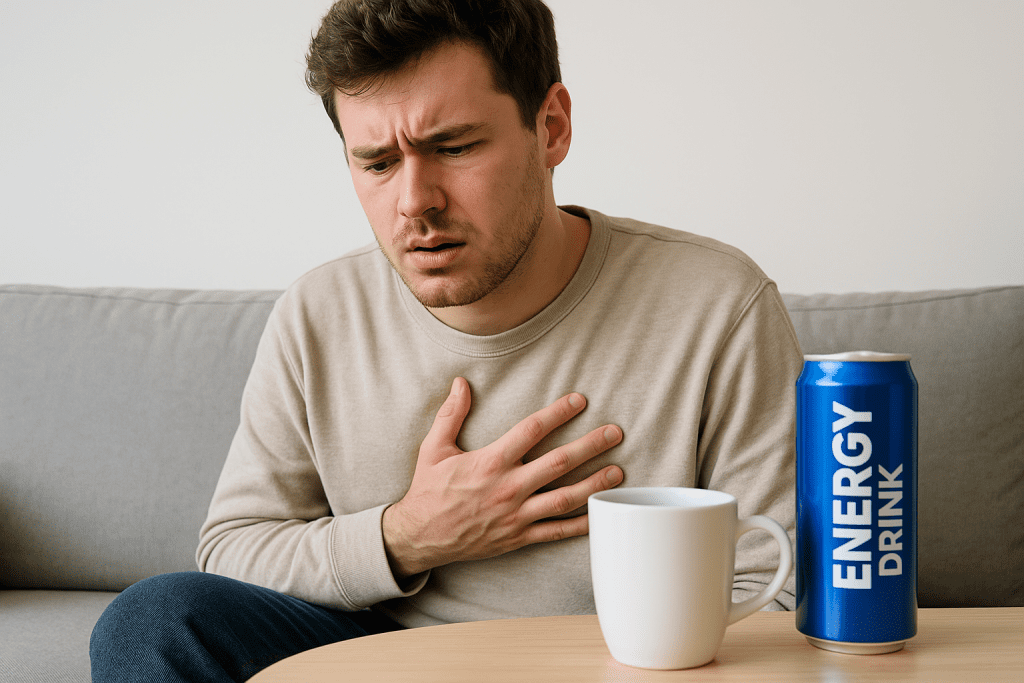
Mixing Adderall with energy drinks or stimulant-based supplements can overstimulate your heart, increasing the risk of palpitations, arrhythmias, and blood pressure spikes. If you’re managing ADHD or fatigue with stimulants, understanding these interactions is key to protecting your heart.
This article breaks down the cardiovascular risks of mixing these substances, how ingredients like caffeine and taurine interact with Adderall, and what to do if you notice symptoms. None of this replaces personal medical advice – if you already have a heart condition, or your palpitations are frequent or severe, talk to your prescriber or pharmacist before changing anything.
How Stimulants Affect the Heart: Adderall + Energy Drinks
Stimulants rev up your nervous system. When you layer multiple sources – like Adderall and energy drinks – their effects don’t just add up. They can compound.
The Problem with Stimulant Stacking
Adderall (a mix of amphetamine salts) and caffeine both increase heart rate and blood pressure. So does taurine, another common energy drink additive. Guarana adds even more caffeine. When taken together, these ingredients can place extra load on your cardiovascular system.
Key physiological effects can include:
- Elevated heart rate and blood pressure for several hours
- Reduced heart rate variability (a stress marker)
- Changes in the heart’s electrical activity that, in some people, can destabilize rhythm
A randomized trial published in the Journal of the American Heart Association found that consuming a large volume of energy drink altered the heart’s electrical activity and prolonged the QT interval – a known arrhythmia marker – while also raising blood pressure in healthy young adults (randomized trial; American Heart Association summary).
| Ingredient | Found In | Cardiovascular Consideration |
|---|---|---|
| Caffeine | Coffee, energy drinks | Can raise heart rate and blood pressure; high doses linked to palpitations |
| Taurine | Energy drinks, powders | Commonly paired with caffeine in energy drinks; its independent heart effect is unclear and evidence is mixed |
| Guarana | Energy shots, nootropics | A concentrated caffeine source that adds to total stimulant load |
Why Heart Palpitations Happen With Adderall and Supplements
Heart palpitations – that fluttering, pounding, or racing feeling – can be a sign that your cardiovascular system is under strain. They’re one of the most reported symptoms when stimulants are combined.
Stimulant Synergy Increases Nervous System Load
Adderall increases dopamine and norepinephrine, stimulating both mental and physical alertness. Caffeine enhances similar pathways. Combining them may:
- Increase the total stimulant burden on your central nervous system
- Heighten the body’s stress response
- Lead to cardiovascular reactions like palpitations
Interestingly, caffeine may not deliver the extra focus people expect from it. Early preclinical (animal) research found that caffeine can actually blunt amphetamine’s effects rather than boost them, so leaning on caffeine for a bigger lift can backfire (animal study, PubMed). Human evidence here is limited, so treat this as a caution rather than a firm rule.
Warning Signs to Watch For
Common palpitation-related symptoms after mixing stimulants include:
- Sudden heart racing while at rest
- Thumping heartbeat after an energy drink
- Chest discomfort after taking Adderall
- Feeling faint or dizzy during normal activity
If these occur, especially after combining stimulants, seek medical advice. Chest pain, fainting, or a sustained irregular heartbeat warrant emergency care.
How to Reduce Risk Safely
Combining any stimulant medication with supplemental stimulants calls for caution.
Safe Use Guidelines
A cautious, commonly recommended approach for anyone taking a stimulant medication is to:
- Avoid energy drinks entirely while you’re taking Adderall
- Keep caffeine low and avoid stacking multiple sources (coffee plus pre-workout plus soda)
- Do not combine taurine or guarana supplements with stimulant medication
For healthy adults, the FDA considers up to 400 mg of caffeine a day (about four or five cups of coffee) not generally associated with dangerous effects – but that figure is for people who are not taking stimulant medication (FDA consumer update). On Adderall, a much lower ceiling is prudent, and your prescriber or pharmacist can help you set one that fits your health history.
Guidance for younger users is stricter. The American Academy of Pediatrics concluded that the caffeine and other stimulant substances in energy drinks have no place in the diet of children and adolescents (AAP clinical report).
Who’s Most At Risk?
Certain groups should be especially cautious:
- People with a history of heart disease or hypertension
- Those with genetic arrhythmias or a family history of cardiac events
- Teens and college students using stimulants for performance
You can explore a full ADHD meds and vitamin interactions guide for additional tips.
Lifestyle Tips to Protect Your Heart While Using Adderall
There are safer ways to support focus and energy without adding strain to your heart. If you want non-stimulant options, see our roundup of the best supplements for Adderall and Vyvanse users.
Healthier Strategies Include:
- Hydration first: Dehydration mimics fatigue and can worsen stimulant effects
- Sleep hygiene: Quality sleep reduces reliance on stimulants
- Mindfulness and breathing: Can lower heart rate and the stress response
- Balanced meals: Stable blood sugar supports focus naturally
If you’re struggling with stimulant side effects, consider using the best app for tracking vitamin and drug interactions to monitor patterns and log symptoms in real time.
What to Do If You Feel Heart Palpitations
If you experience sudden palpitations:
- Stop any stimulant consumption immediately
- Sit or lie down and breathe deeply
- Stay hydrated with water or electrolytes
- Call your provider if symptoms persist, and seek emergency care for chest pain, fainting, or a sustained irregular heartbeat
Medical monitoring (e.g., ECG or wearable HR tracking) can be useful for anyone experiencing symptoms while using stimulant medications.
If you take several supplements with prescription medications, StackMyMed (our companion app) scans each label and checks your full stack for conflicts, so a risky combination is easier to catch before you take it. Always confirm anything it flags with your doctor or pharmacist.
Frequently Asked Questions
Can Adderall and energy drinks cause heart palpitations?
Yes. Combining Adderall with energy drinks can increase your risk of heart palpitations because their stimulant effects add together and place extra load on the cardiovascular system.
How much caffeine is safe while taking Adderall?
There is no official caffeine limit specific to Adderall. Because both act as stimulants, it is safest to avoid energy drinks entirely, keep other caffeine sources low, and ask your prescriber what is right for you.
What should I do if I feel palpitations after mixing stimulants?
Stop any further stimulant intake, sit or lie down and breathe slowly, hydrate, and contact your healthcare provider. Seek emergency care for chest pain, fainting, or a sustained irregular heartbeat.
The Bottom Line on Mixing Stimulants
Mixing Adderall with energy drinks or stimulant-heavy supplements can create real cardiovascular strain. This combination can increase the risk of heart palpitations and arrhythmias – particularly for people with underlying heart conditions.
A cautious approach is to avoid energy drinks entirely while on Adderall and keep other caffeine sources low. Safer alternatives include hydration, rest, and nutrition-based energy support – and any change to your medication should be discussed with your prescriber.
Want to explore other drug-supplement interactions? Check out our ADHD meds and vitamin interactions guide and try the best app for tracking vitamin and drug interactions.

