
CoQ10 can be a smart add-on if you want steadier energy, heart support, or you take a statin – but the best CoQ10 supplements aren’t simply the highest dose on the label. The “best” option is the one that matches your age, goals, and meds, and uses a form your body can actually absorb. This guide compares top-rated products and explains how to choose between ubiquinone and ubiquinol, what dose makes sense, and how to take CoQ10 for real-world results (without wasting money).
Summary / Quick Answer: What are the best CoQ10 supplements?
The best CoQ10 supplements are typically softgels (fat-soluble), use a quality source (often Kaneka for ubiquinol), and match your needs: ubiquinol for absorption, ubiquinone for value.
Quick picks by goal (most people fit one of these):
- Best for adults 40+ or anyone prioritizing absorption: Ubiquinol (often 100-200 mg/day)
- Best budget-friendly daily option: Ubiquinone (often 100-200 mg/day) in a softgel
- Best for athletes or drug-tested sport: NSF Certified for Sport ubiquinol
- Best for statin users (common use case): 200-300 mg/day (often ubiquinol), with clinician guidance
What to look for on the label:
- Form: ubiquinol (reduced) or ubiquinone (oxidized)
- Delivery: softgel and taken with a meal containing fat
- Quality: third-party testing or reputable manufacturing standards
For deeper quality checks, see our guide to supplement quality indicators.
How CoQ10 works (and who benefits most)
If you’ve ever felt like your “battery” doesn’t hold a charge the way it used to, CoQ10 is one of the first nutrients clinicians consider. CoQ10 (coenzyme Q10) is a fat-soluble compound your body uses inside mitochondria – the part of the cell that helps make ATP, your main energy currency. It also acts as an antioxidant, helping manage oxidative stress.
Here’s the catch: CoQ10 levels tend to decline with age, and certain medications can lower levels further. Many people first look into CoQ10 after starting a statin, noticing muscle aches, fatigue, or exercise intolerance. Independent testing and review organizations have also highlighted this common pattern among supplement users, especially in older adults and statin users, as summarized by ConsumerLab’s CoQ10 and ubiquinol review.
Who is most likely to notice a difference?
CoQ10 isn’t “instant energy.” Think of it more like improving the efficiency of a worn engine rather than stepping on the gas pedal. People most likely to report benefits include:
- Adults over 40 (conversion and baseline levels may shift with age)
- Statin users (statins can reduce circulating CoQ10)
- People focused on cardiovascular support (especially alongside lifestyle changes)
- Migraine-prone individuals (some studies suggest reduced frequency for some)
- Athletes who want to support training load and recovery (evidence is mixed)
What the evidence is strongest for
Research is most consistent for CoQ10’s role in cardiovascular support and as a common adjunct for statin users. For migraines and exercise performance, evidence exists but tends to be more variable. A practical overview of these real-world use cases is summarized in expert insights on CoQ10 supplementation.
Visual: “Is CoQ10 worth considering?” quick screen
- Yes, consider it if: you’re 40+, on a statin, or targeting heart support
- Maybe if: you want general antioxidant support and already eat well
- Talk to your clinician first if: you use blood thinners, have low BP, or take multiple cardiac meds
If you’re managing cardiovascular risk factors, it also helps to place CoQ10 in a bigger plan like our heart health supplement protocol.
Best CoQ10 supplements (2026): top picks and how to choose
Qunol Ultra CoQ10 100 mg, 120 Softgels
This product is a highly bioavailable form of CoQ10 (ubiquinol) that is suitable for adults over 40 and those looking for better absorption.
Most shoppers compare CoQ10 products like they’re all interchangeable. They’re not. The “best” choice depends on form, dose, testing, and how you’ll actually take it (consistency beats perfection).
Below is a practical comparison of commonly recommended, top-rated options across expert roundups and consumer reviews. These are not the only good products, but they reflect the patterns that show up again and again: reputable sourcing, softgel delivery, and clear labeling.
Comparison table: top-rated options at a glance
| Product (example) | Form | Typical dose | Notable features | Best for |
|---|---|---|---|---|
| WOWMD CoQ10 Energy Max | Ubiquinone | 200 mg | Third-party testing focus, simple formula | Daily heart + energy support |
| Life Extension Super Ubiquinol | Ubiquinol | 100 mg | Often uses Kaneka ubiquinol; options paired with PQQ/shilajit | Absorption, mitochondrial support |
| Qunol Ultra CoQ10 | Ubiquinone | 100 mg | “High absorption” positioning, widely available | Budget-friendly softgels |
| Nature Made CoQ10 | Ubiquinone | 200 mg | Mainstream brand, simple softgel | Straightforward daily use |
| Momentous Ubiquinol | Ubiquinol | Varies | NSF Certified for Sport; Kaneka source | Athletes, drug-tested sport |
| Doctor’s Best High Absorption | Ubiquinone | Varies | Often paired with BioPerine | Value + absorption support |
| Garden of Life Raw CoQ10 | Ubiquinone | 200 mg | Vegan-friendly positioning; often includes oils | Plant-based preferences |
These patterns are consistent with multiple independent product roundups, including a 2026-style overview from Innerbody’s CoQ10 supplement review and category summaries like Momentous’s ubiquinol guide.
The 5-point checklist that usually predicts a good product
Before you buy, scan for these:
- Form match: ubiquinol if absorption matters most; ubiquinone if cost matters most
- Softgel delivery: CoQ10 is fat-soluble, so softgels often outperform dry capsules
- Transparent dose: 100 mg, 200 mg, etc. with clear serving size
- Quality signals: third-party testing, NSF/USP-style standards, or strong brand QC
- Absorption support: oils (like MCT, olive oil) or a well-designed lipid base
For a deeper label-reading workflow, use our supplement quality indicators checklist.
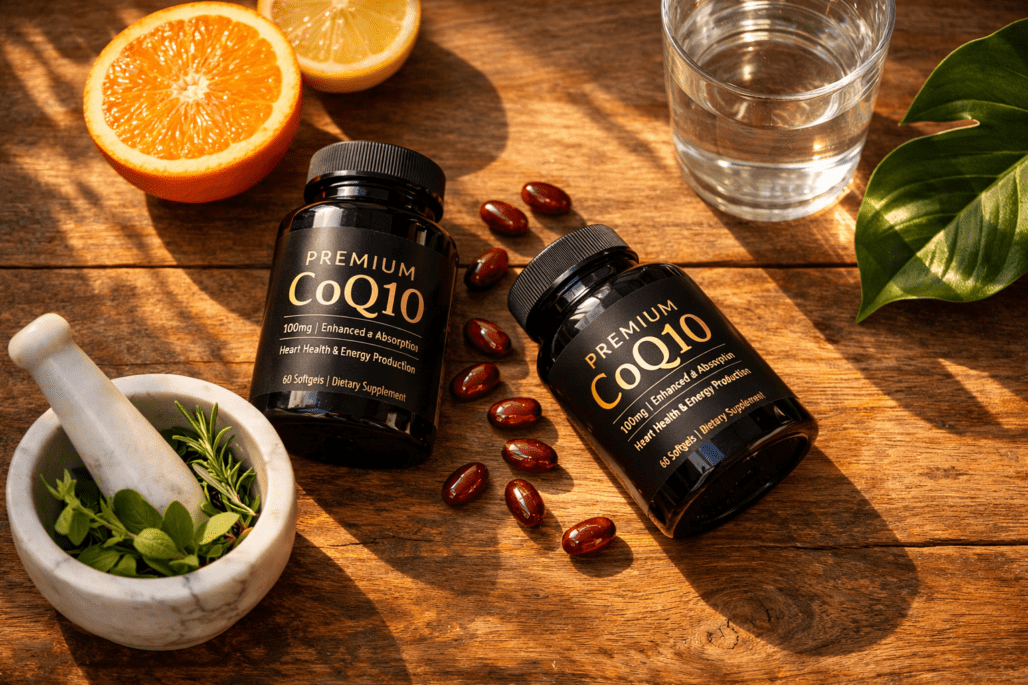
Image alt text: best CoQ10 supplements comparison table showing ubiquinol vs ubiquinone, dose, and best use cases
Ubiquinol vs ubiquinone: which form should you buy?
Nature Made CoQ10 200 mg, 60 Softgels
This product offers a higher dosage of ubiquinone, making it a great budget-friendly option for those looking to support heart health.
This is the decision that matters most, and it’s where many people overspend or choose the wrong product.
CoQ10 comes in two main forms:
- Ubiquinone (oxidized): the common form in many budget supplements
- Ubiquinol (reduced): the “active” form your body can use directly
Your body can convert ubiquinone into ubiquinol, but conversion may become less efficient with age or certain health conditions. That’s why many clinicians prefer ubiquinol for adults over 40 or for people who have tried ubiquinone without much effect.
Simple rule of thumb
Use this decision guide:
-
Choose ubiquinol if you are:
- 40+
- On a statin
- Managing cardiovascular concerns
- Sensitive to supplements and want the best chance of absorption
-
Choose ubiquinone if you are:
- Under 40 and generally healthy
- Looking for a cost-effective daily supplement
- Comfortable taking it with a meal containing fat
This “form first” approach lines up with what you’ll see across consumer testing summaries and expert product guides, including ConsumerLab’s independent CoQ10 testing overview and practitioner-facing brand comparisons like WOWMD’s CoQ10 supplement roundup.
Visual: quick decision tree
- Are you 40+ or on a statin?
- Yes: start with ubiquinol
- No: ubiquinone is usually reasonable
- Did you try CoQ10 for 6-8 weeks with food and feel nothing?
- Consider switching forms, increasing dose modestly, or improving timing
One more detail that affects absorption
CoQ10 is fat-soluble. Even the best form won’t absorb well if you take it on an empty stomach. If you want a simple routine, pair it with your fattiest consistent meal (often lunch or dinner). Our supplement timing guide can help you build a schedule that’s easy to stick to.
CoQ10 dosage and how to take it for better results (without guesswork)
Doctor’s Best High Absorption CoQ10 with BioPerine, 100 mg, 120 Veggie Softgels
This product features CoQ10 with BioPerine for enhanced absorption, making it suitable for statin users and those focused on cardiovascular support.
Most CoQ10 frustration comes from two issues: under-dosing and poor timing. CoQ10 isn’t a stimulant, so it doesn’t “hit” like caffeine. Many people need 4-8 weeks of consistent use before they can judge whether it’s helping.
Practical dosage ranges used in real life
There is no universal RDA for CoQ10, but these ranges are common in studies and clinician practice:
- General wellness: 100-200 mg/day
- Heart support or statin users: 200-300 mg/day (often ubiquinol)
- Higher-performance contexts: up to 400 mg/day in some protocols, but this is where clinician input matters
If you’re on a statin or managing cardiovascular issues, it’s worth placing CoQ10 into a broader plan like our heart health supplement protocol.
How to take CoQ10 so it actually absorbs
Use this simple “ABSORB” checklist:
- Always take with food
- Better with fat (eggs, yogurt, olive oil, avocado, nuts)
- Softgels often outperform powders
- Once or twice daily: split dosing can help some people
- Routine matters more than brand hopping
- Be patient: reassess after 6-8 weeks
Visual: sample schedules (choose one)
Option A (simple):
- 200 mg with dinner (includes fat)
Option B (split dose):
- 100 mg with breakfast
- 100 mg with dinner
Option C (statin users, clinician-guided):
- 100 mg with lunch
- 100-200 mg with dinner
If you want help matching supplements to meals and meds, use our supplement timing guide.
Side effects and safety notes (don’t skip this)
CoQ10 is generally well-tolerated, but side effects can include:
- nausea or stomach upset
- headache
- insomnia (more likely if taken late for some people)
CoQ10 can also interact with certain medications. If you take blood pressure meds or beta blockers, review these safety notes before starting:
For medication-specific guidance, clinicians often reference supplement-medication interaction resources; you can also discuss CoQ10 with your pharmacist, especially if you’re on anticoagulants.
Common CoQ10 myths (and what to do instead)
CoQ10 is popular enough that marketing has outpaced reality. Clearing up a few myths can save you money and help you set the right expectations.
Myth 1: “All forms of CoQ10 work the same”
Reality: Form affects absorption. Ubiquinol is often the better pick for older adults or those with conversion issues. Ubiquinone can still work well, especially when taken with a fatty meal.
What to do instead: Choose the form based on age, statin use, and response after 6-8 weeks.
Myth 2: “If 100 mg is good, 400 mg is four times better”
Reality: CoQ10 absorption has practical limits. Past a point, increasing dose may give diminishing returns unless the formula and timing support absorption.
What to do instead: Optimize the basics first:
- softgel + fat-containing meal
- consistent daily use
- consider switching to ubiquinol before pushing dose higher
Myth 3: “CoQ10 gives instant energy”
Reality: CoQ10 supports mitochondrial function, so changes are often gradual. Many people notice improvements in endurance, less “drag,” or better recovery over time – not a sudden jolt.
What to do instead: Track a simple outcome for 6-8 weeks:
- afternoon energy (1-10 scale)
- workout tolerance
- frequency of muscle soreness
- migraine days (if relevant)
Myth 4: “It replaces heart medications”
Reality: CoQ10 may support cardiovascular function, but it’s not a replacement for prescribed therapy.
What to do instead: Use CoQ10 as an adjunct within a clinician-approved plan. If you’re on blood pressure meds, start by reading CoQ10 and blood pressure medication interactions.
Visual: “myth vs reality” mini table
| Myth | Reality | Best next step |
|---|---|---|
| All CoQ10 is the same | Form + delivery matter | Choose ubiquinol if absorption is priority |
| Higher dose always wins | Diminishing returns happen | Fix timing, consider split dosing |
| Works like caffeine | Builds over weeks | Reassess after 6-8 weeks |
| Replaces meds | Adjunct only | Coordinate with clinician |

Image alt text: CoQ10 myths vs reality table with practical next steps for choosing the right supplement
Conclusion: choosing the right CoQ10 comes down to form, timing, and consistency
The best results with CoQ10 usually come from a simple, repeatable plan: pick the form that fits your age and goals, take it with a fat-containing meal, and give it enough time to work. For many adults over 40 or statin users, ubiquinol is the most practical starting point. For others, a well-made ubiquinone softgel can be a cost-effective option.
If you’re building a broader cardiovascular routine, start with our heart health supplement protocol. And if you take multiple supplements or medications, use the supplement timing guide to reduce conflicts and improve consistency.
As an Amazon Associate, I earn from qualifying purchases. Product recommendations are based on real reviews and independent research.
