
If you’re searching for the best probiotics for men, the most reliable choice is usually a high-quality, strain-listed, multi-species probiotic (often Lactobacillus + Bifidobacterium, sometimes with Saccharomyces boulardii) matched to your main goal – like bloating, IBS, constipation, or support during antibiotics. Despite the “men’s formula” marketing, research and clinical guidance don’t show men need totally different probiotic strains than women. What does matter is strain specificity, dose, and whether the product can actually deliver live microbes to your gut.
Affiliate disclosure: this article contains affiliate links. As an Amazon Associate, UsefulVitamins.com earns from qualifying purchases at no extra cost to you.
Summary / Quick Answer
The best probiotics for men are typically multi-strain products that list the exact strains, provide a clinically sensible dose (often 10+ billion CFU), and fit your main symptom or use case.
Quick picks by goal (what to look for):
- Daily gut + immune support: Lactobacillus + Bifidobacterium blend; consider a synbiotic (probiotic + prebiotic).
- IBS, bloating, irregular stools: Multi-strain formulas are often used in studies; strain specificity matters more than “men’s” labeling.
- During or after antibiotics: Consider adding Saccharomyces boulardii or a well-studied Lactobacillus/Bifidobacterium blend (timing matters).
- Constipation support: Higher-CFU, multi-strain blends can be useful, but start low to avoid gas.
For a side-by-side view of options, see our best probiotics comparison.
Best probiotics for men: what “best” actually means (and what matters most)
“Best” can feel like it should mean one perfect bottle. But probiotics don’t work like a one-size multivitamin. Think of them more like seeds: the strain is the species, the dose is how many seeds you plant, and your diet and gut environment determine whether they take hold.
Here’s the key point many labels gloss over: there’s no strong evidence that men require unique probiotic strains. Clinicians who focus on gut health repeatedly note that the same core categories can benefit most adults. Dr. Michael Ruscio, for example, summarizes the evidence as favoring well-made blends that include familiar genera like Lactobacillus and Bifidobacterium, plus options like Saccharomyces boulardii or spore-formers depending on the person, rather than gender-specific formulas. (See his overview on evidence-based probiotic categories.)
So what should men prioritize instead?
A practical “best” checklist (save this)
- Strain transparency: Look for full names like Lactobacillus rhamnosus GG, not just “Lactobacillus blend.”
- Realistic CFU dose: Many people do well around 10+ billion CFU/day, but more is not automatically better.
- Survivability: Delayed-release capsules or documented stability can matter, especially for shelf-stable products.
- Third-party testing: Helps confirm label accuracy.
- Match to your goal: IBS support, antibiotic use, constipation, or general maintenance each has different best bets.
What the big medical references agree on
Mainstream clinical resources tend to be cautious but supportive of probiotics for specific uses. The Cleveland Clinic’s probiotics overview and the NIH Office of Dietary Supplements probiotic fact sheet both highlight that benefits are strain- and condition-specific, and that product quality varies.
Actionable takeaway: Ignore “for men” on the front label. Choose based on strain, dose, and your symptom. If you want a structured way to test supplements without guessing, follow our gut health supplement protocol.
Visual: What to prioritize when choosing
| Priority | What to look for | Why it matters |
|---|---|---|
| Strains listed | Genus + species + strain ID | Evidence is strain-specific |
| Dose | Often 10B+ CFU/day to start | Higher isn’t always better |
| Quality | Third-party testing, stability data | Reduces “dead capsule” risk |
| Fit | IBS vs constipation vs antibiotics | Different strains, different outcomes |
What probiotics may help with in men (digestion first, then the “extras”)

Garden of Life Probiotics for Men, Dr Formulated 50 Billion CFU 15 Probiotics for Digestive Health + Organic Prebiotic Fiber, Colon & Immune Support, Daily Gas Relief, Shelf Stable, 30 Capsules
Garden of Life Dr. Formulated Probiotics for Men packs 50 billion CFU from 15 strains plus organic prebiotic fiber into 30 shelf-stable vegetarian capsules for once-daily digestive and immune support. Reviewers report less bloating, smoother digestion, and better gut balance, with the men’s-specific formula including added Lactobacilli and Bifidobacteria. It’s a solid pick for daily colon health and gas relief without refrigeration.
Most men start probiotics for one reason: digestive relief. Bloating after meals. Unpredictable stools. A gut that feels “off” after travel, stress, or antibiotics. That focus is supported by the strongest body of evidence.
Digestive comfort and IBS-type symptoms
Research consistently shows that certain probiotics can help some people with IBS symptoms, especially when formulas include multiple strains. A detailed scientific review available via PubMed Central discusses how probiotics may improve global IBS symptoms in some individuals, though effects vary by strain and study design.
What does that mean in real life?
Men who report benefits often notice:
- Less gas and bloating after 2-4 weeks
- More consistent stool form
- Less urgency or cramping (for some, not all)
The catch is that the first week can be bumpy. A temporary increase in gas can happen as the microbiome adjusts.
Antibiotic support (a common “why did my gut change?” moment)
Antibiotics can disrupt gut bacteria quickly. Some probiotics may reduce antibiotic-associated diarrhea risk, but timing is important. If you’re taking antibiotics now, use our probiotics and antibiotic timing guide to avoid taking them too close together.
Men’s health areas with early but interesting evidence
You’ll see claims about testosterone, fertility, erectile function, and prostate health. Here’s the honest breakdown:
- Fertility: A small human study summarized in a men’s probiotic research review from ZOE’s evidence explainer reported improvements in sperm parameters after a multi-strain probiotic mix over about 10 weeks in infertile men. It’s promising, but not definitive.
- Testosterone: Animal research (notably involving Lactobacillus reuteri) shows testosterone increases in aging mice, but human evidence is limited and mixed. Translation from mice to men is not guaranteed.
- Erectile function: Observational research links gut microbiome patterns with erectile dysfunction, but this doesn’t prove probiotics “fix” ED. A review article in Andrologia discusses the gut-reproductive axis and why researchers are interested.
- Prostate health: Some early work suggests certain strains could play a supportive role alongside standard care for prostatitis, but this is not a replacement for medical treatment.
Actionable takeaway: If your main goal is better digestion, the evidence base is strongest. If your goal is fertility or prostate support, treat probiotics as adjuncts and involve your clinician.
Visual: “Strength of evidence” snapshot
| Goal | How strong is the evidence? | Best approach |
|---|---|---|
| Bloating, IBS-type symptoms | Moderate (strain-dependent) | Multi-strain, consistent use 4+ weeks |
| Antibiotic-associated diarrhea | Moderate | Use correct timing + consider S. boulardii |
| Constipation | Emerging to moderate | Start low, consider higher CFU if tolerated |
| Fertility markers | Early but promising | Use alongside medical evaluation |
| Testosterone | Mostly animal data | Don’t buy probiotics for this alone |
| Prostate inflammation | Early | Adjunct only, not a primary treatment |
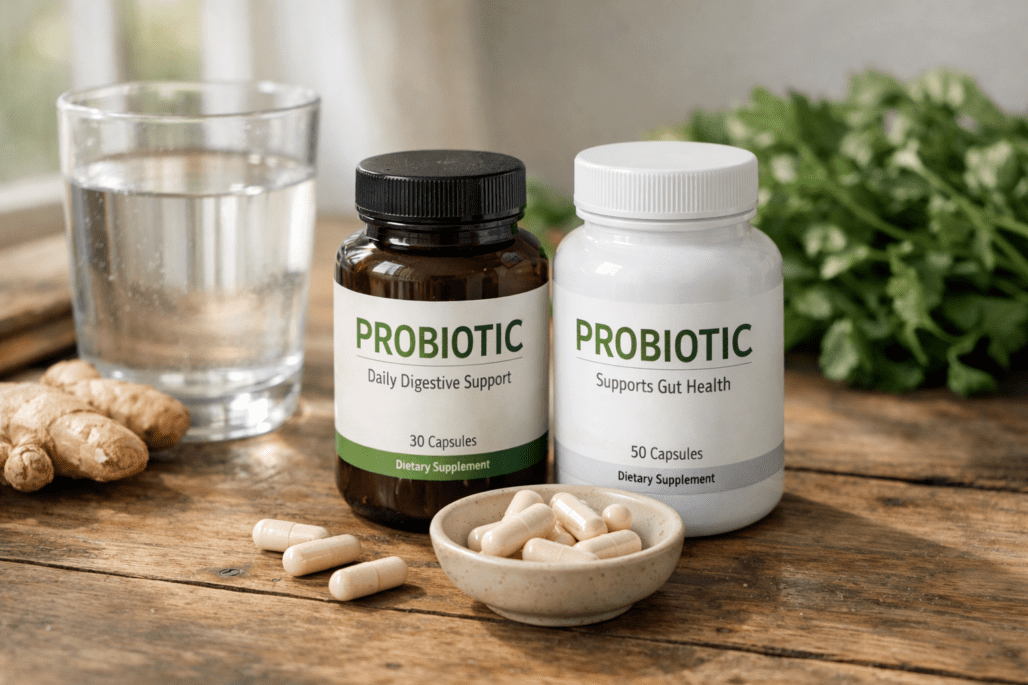
How to choose a probiotic supplement (strain, CFU, and delivery without the confusion)
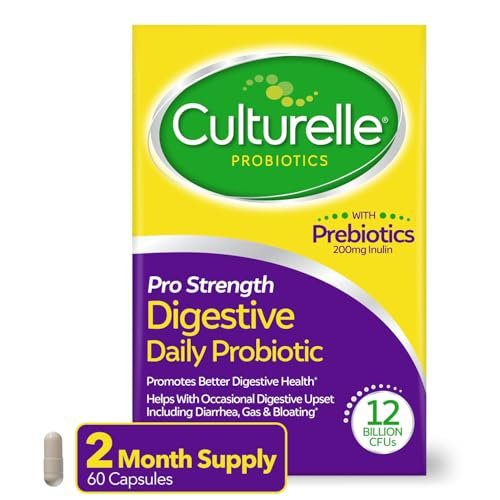
Culturelle Daily Probiotic Capsules For Men & Women, Most Clinically Studied Probiotic Strain, Digestive & Gut Health, Supports Occasional Diarrhea, Gas & Bloating, 1 Month Supply, 30 CT
Culturelle Daily Probiotic Capsules contain the most clinically studied strain, Lactobacillus rhamnosus GG at 10 billion CFUs, for digestive and gut health in a 30-count bottle, one month supply for men and women. It supports relief from occasional diarrhea, gas, and bloating with daily use of one vegetarian capsule. Over 1,000 studies back the strain’s safety and efficacy for balancing gut bacteria.
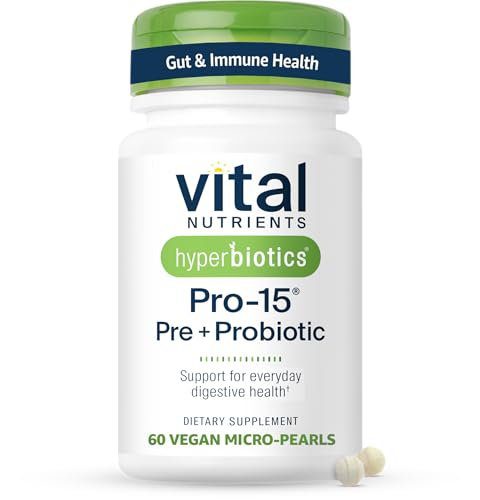
Hyperbiotics Vital Nutrients Pro-15 Prebiotics and Probiotics for Women and Men | 15 Science Backed Strains | Supports Occasional Constipation, Diarrhea, Gas & Bloating | 60 Vegan Time Release Pearls
Hyperbiotics Pro-15 combines 15 science-backed probiotic strains with prebiotics in 60 vegan time-release pearls, targeting occasional constipation, diarrhea, gas, and bloating for both women and men. The BIO-tract delivery provides up to 15 times more survivability than standard capsules, matching the article’s focus on strain diversity and effective gut delivery. One pearl per day, shelf-stable with no refrigeration needed.
The supplement aisle makes probiotics look simple: pick a bottle, take a capsule, feel better. In practice, the details decide whether you get results or just expensive urine.
1) Start with strain names, not brand promises
A label should list something like:
- Lactobacillus rhamnosus (ideally with a strain ID)
- Bifidobacterium animalis subsp. lactis
- Lactobacillus plantarum
- Saccharomyces boulardii (a beneficial yeast, not a bacterium)
If it only says “proprietary probiotic blend,” you can’t match it to research. That’s a red flag.
2) CFU: more isn’t always better
CFU (colony forming units) is a dose estimate. Many men do well starting around 5-20 billion CFU/day, then adjusting.
Higher CFU products (like 50-100B) can be appropriate for some people, especially constipation-prone users, but they also raise the odds of:
- temporary gas
- bloating
- loose stools
A consumer-friendly overview from a pharmacist perspective in a probiotic selection guide by the Canadian Digestive Health Foundation reinforces that strain and indication matter as much as dose.
3) Delivery and storage: “shelf-stable” can be real – or marketing
Some formulas are designed to survive room temperature. Others need refrigeration. Either can work if the manufacturer can back it up with stability testing.
When in doubt, choose products that provide:
- an expiration-date CFU guarantee (not “at time of manufacture”)
- clear storage instructions
- third-party verification
4) Match the formula type to your gut
Different probiotic “categories” tend to suit different people:
Quick matching guide
- Multi-strain Lactobacillus + Bifidobacterium: good general starting point
- S. boulardii: often used for antibiotic-related gut issues and traveler’s diarrhea risk
- Spore-based (Bacillus species): sometimes used for resilience and stool regularity, but can be too stimulating for some
If you want a step-by-step plan for experimenting safely, use our probiotic dosage and timing guide.
Actionable takeaway: Choose a product you can evaluate: strain-listed, sensible CFU, and stable delivery. Then give it a fair trial (usually 3-4 weeks) before switching.
Visual: Probiotic label “scorecard”
| Label feature | Green flag | Yellow flag | Red flag |
|---|---|---|---|
| Strains | Full strain names | Species only | “Proprietary blend” only |
| CFU | 10B+ start range | Very high without reason | No CFU listed |
| Storage | Clear, tested | Vague claims | Contradictory instructions |
| Claims | Condition-specific | General “gut reset” | “Boosts testosterone” promises |
How to take probiotics for best results (and avoid common side effects)

Renew Life Ultimate Flora Probiotics for Men 65 Billion CFU Delayed Release Vegan Capsules | Digestive Health | Immune Health | Dairy Free | 30 Count
No exact match found for ‘Renew Life Ultimate Flora Probiotics for Men 65 Billion CFU Delayed Release Vegan Capsules, 30 Count’ on Amazon.com; search results show similar Renew Life Ultimate Flora products like Men’s Once Daily 65 Billion or Digestive Once Daily 65 Billion on the brand site and retailers like Walmart, but no Amazon ASIN or reviewer data available to support a recommendation.
Even a well-chosen probiotic can disappoint if you take it in a way that doesn’t fit your body. The most common complaint is: “It made me gassy.” That doesn’t always mean it’s the wrong product – it often means you started too aggressively.
A simple 4-step approach most men tolerate well
- Start low for 3-4 days
If the label says 2 capsules, start with 1. - Take with food
Many people tolerate probiotics better with a meal. - Hold steady for 2 weeks
Don’t change brands every few days. Your gut needs time. - Adjust based on stool and comfort
If you’re looser, reduce dose. If you’re constipated and tolerating it, consider increasing gradually.
If you’re specifically trying to reduce bloating, you’ll get more predictable results when probiotics are paired with the basics: fiber, hydration, and meal timing. Our guide to supplements for bloating and digestive relief covers complementary options (like peppermint oil or digestive enzymes) that may be more directly helpful for some men than swapping probiotic brands repeatedly.
When to expect results
A realistic timeline looks like this:
- Days 1-7: possible gas or stool changes (not always)
- Weeks 2-4: clearer signal on bloating and regularity
- Week 6+: decide whether it’s worth continuing
Who should be cautious
Most healthy adults tolerate probiotics well, but it’s smart to check with a clinician if you:
- are immunocompromised
- have a central venous catheter
- have severe pancreatitis
- are dealing with unexplained weight loss, bleeding, or persistent severe GI symptoms
The NIH probiotic safety overview is a good reference for risk groups and general safety considerations.
Actionable takeaway: The best results usually come from consistent use, gradual dosing, and realistic expectations, not from chasing the highest CFU.
Visual: Side effects and what to do
| What you notice | Common cause | What to do next |
|---|---|---|
| More gas | Dose too high, rapid change | Reduce dose for 3-5 days |
| Loose stools | Too much too soon | Take with food, lower dose |
| Constipation | Not enough fluid/fiber | Add fiber, consider different strain mix |
| No change after 4 weeks | Wrong match for goal | Reassess symptom + strain type |

Taking this alongside other products? StackMyMed (our companion app) logs your full stack, finds the optimal timing for each dose, and flags interactions, so you are not tracking it all by hand.
Conclusion: the best probiotic for men is the one matched to your goal
The best probiotics for men aren’t defined by a “men’s” label. They’re defined by strain transparency, smart dosing, and a clear match to your main goal – whether that’s bloating, IBS-type symptoms, constipation, or support during antibiotics. Digestive benefits have the strongest evidence, while areas like testosterone and prostate support remain early-stage and should be treated as “maybe,” not guaranteed.
Next step: pick one strain-listed product, start low, and track symptoms for 3-4 weeks. If you want help comparing options, use our best probiotics comparison and follow the step-by-step gut health supplement protocol to test what works without guesswork.
As an Amazon Associate, I earn from qualifying purchases. Product recommendations are based on real reviews and independent research.
