
If you are wondering what fat-soluble vitamins do and why people talk about taking them “with food,” the short answer is this: they rely on dietary fat to be absorbed well, and your body can store them for later. That storage is useful, but it also explains why taking high-dose supplements “just in case” can backfire. This article breaks down vitamins A, D, E, and K in plain language, with science-backed guidance on food sources, absorption tips, and safety limits so you can meet your needs without guessing.
Affiliate disclosure: this article contains affiliate links. As an Amazon Associate, UsefulVitamins.com earns from qualifying purchases at no extra cost to you.
Summary / Quick Answer
Fat-soluble vitamins are vitamins A, D, E, and K. They dissolve in fat, absorb best with a meal that contains fat, and can be stored in the liver and body fat.
Here’s the practical takeaway:
- What they do: support vision (A), calcium and bones (D), antioxidant protection (E), and normal blood clotting (K).
- How to take them: eat them with a meal that includes fat (olive oil, eggs, avocado, dairy, nuts).
- Why storage matters: you do not need constant daily dosing like vitamin C, but high-dose supplements can build up, especially for A and D.
- Who should pay attention: people with low-fat diets, fat malabsorption, bariatric surgery, or limited sun exposure (vitamin D).
What are fat-soluble vitamins (and why absorption works differently)?
Fat-soluble vitamins behave less like “quick-use nutrients” and more like supplies your body stocks in a pantry. That sounds convenient, but it changes how you should think about dosing, deficiency, and supplement safety.
The simple mechanism: fat helps them cross the gut wall
When you eat a meal containing fat, your digestive system releases bile acids that help form tiny droplets called micelles. These micelles carry fat and fat-loving compounds (including vitamins A, D, E, and K) to the intestinal wall for absorption. From there, they travel in lipoproteins (fat-transport particles) through lymph and blood, and a portion gets stored in the liver and fatty tissue.
A clinician-friendly overview from the Cleveland Clinic on fat-soluble vitamins explains why low-fat meals can reduce absorption, especially when overall intake is already marginal.
Why storage is both helpful and risky
Because your body stores these vitamins, deficiency can develop slowly – except in cases where absorption is impaired. But the same storage means chronic high intakes can accumulate over time.
A research overview indexed in PubMed Central (review article) describes how storage and longer half-lives help explain why toxicity is a bigger concern for fat-soluble vitamins than for most water-soluble vitamins.
Quick comparison: fat-soluble vs water-soluble (at a glance)
| Feature | Fat-soluble (A, D, E, K) | Water-soluble (B vitamins, C) |
|---|---|---|
| Best absorbed with | Dietary fat | Water (and regular intake) |
| Storage | Yes, liver and fat tissue | Minimal (exceptions exist) |
| Deficiency onset | Slower (unless malabsorption) | Faster if intake drops |
| Toxicity risk from supplements | Higher (esp. A, D) | Generally lower |
Actionable takeaway: If you are taking a multivitamin or single-nutrient supplement, take it with a meal that contains some fat, not on an empty stomach. If you are intentionally eating very low fat, it’s smart to reassess your plan with a clinician.
Vitamin A, D, E, and K: what each does, best food sources, and upper limits
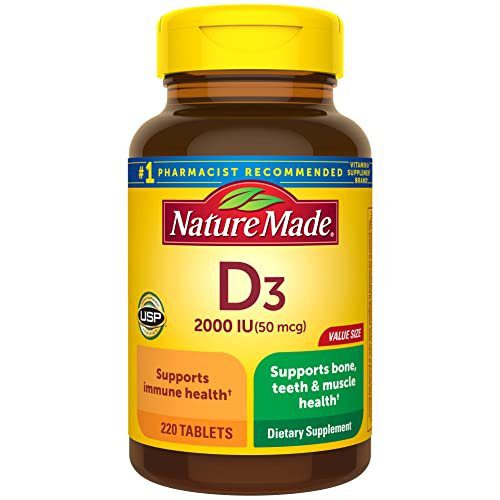
Nature Made Vitamin D3 2000 IU (50 mcg), Vitamin D Supplement for Bone, Teeth, Muscle and Immune Health Support, 220 Tablets, 220 Day Supply
Vitamin D is one of the key fat-soluble vitamins discussed in the article, and this Nature Made product provides 2000 IU of Vitamin D3 in tablets for bone, teeth, muscle, and immune health support. It comes as 220 tablets for a 220-day supply with one tablet daily. The D3 form helps raise and maintain healthy vitamin D levels.
Most people know the names, but not the “job description” of each vitamin. The fastest way to make this practical is to connect each one to (1) what it does, (2) where to get it, and (3) what to avoid.
The big picture table (functions, foods, and safety notes)
| Vitamin | Main roles in the body | Strong food sources (examples) | Safety notes (supplements) |
|---|---|---|---|
| A (retinol and carotenoids) | Vision (retina), immune function, skin and epithelial tissue | Liver, egg yolk, dairy; carotenoids in carrots, sweet potato, spinach | Preformed vitamin A (retinol) can build up at high doses |
| D | Calcium absorption, bone and muscle function, immune signaling | Fatty fish, cod liver oil, fortified dairy; sun exposure also contributes | High-dose D over time can cause high calcium (hypercalcemia) |
| E (alpha-tocopherol) | Antioxidant defense in cell membranes | Wheat germ oil, sunflower seeds, almonds, spinach | High doses can increase bleeding risk in some settings |
| K (K1 and K2) | Normal blood clotting; bone-related proteins | Leafy greens (K1), natto and some animal/fermented foods (K2) | Interacts with warfarin and other anticoagulants |
For readers who want a deeper dive into vitamin A’s roles and common signs of low intake, see Vitamin A Benefits.
Vitamin D is the outlier (because sunlight counts)
Vitamin D is unique because your skin can synthesize it from UVB exposure. That’s one reason deficiency is common in people who spend most days indoors, live at higher latitudes, consistently use high-SPF sunscreen, or have darker skin pigmentation (melanin reduces UVB-driven production).
Public health guidance commonly uses blood levels of 25-hydroxyvitamin D to assess status. Many clinical references consider levels around 20 ng/mL (50 nmol/L) as a threshold for adequacy for most people, though targets can vary by guideline and medical context.
If you want a full breakdown of testing, dosing, and what “normal” means, the Vitamin D Comprehensive Guide walks through it step by step.
A note on “upper limits” and why they matter more with supplements
Foods rarely cause toxicity on their own (with a few exceptions like frequent liver intake). Supplements concentrate doses, and fat-soluble vitamins can accumulate.
If you supplement, keep this mental model:
- Food first for A, E, and K unless a clinician recommends otherwise.
- Vitamin D is the one most commonly supplemented because food sources are limited.
Actionable takeaway: If you are combining a multivitamin, a “hair/skin/nails” formula, and a cod liver oil product, check labels. That combination can quietly push vitamin A and D much higher than intended.
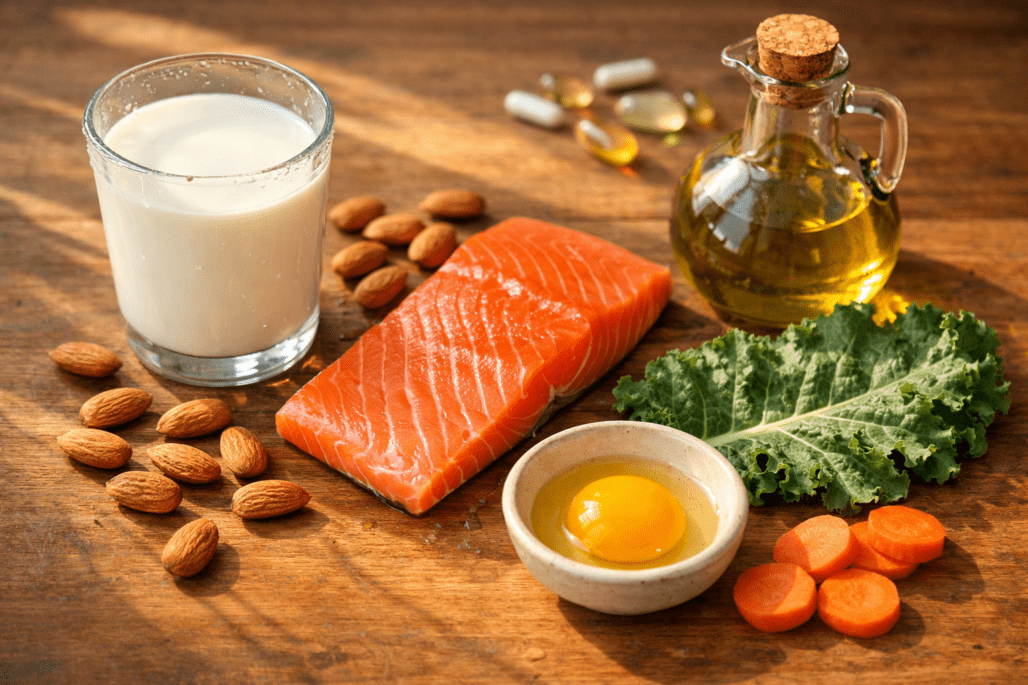
How to absorb fat-soluble vitamins better (without overthinking it)
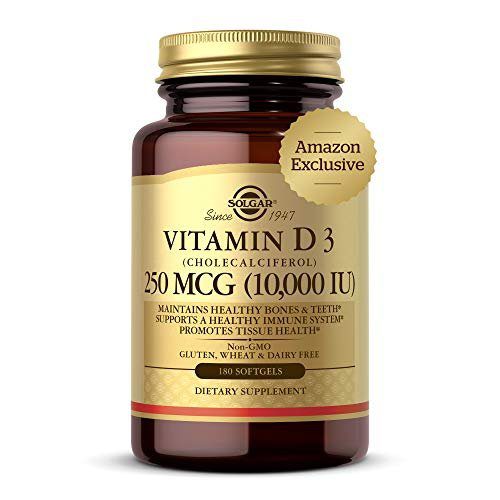
Solgar Vitamin D3 Cholecalciferol 250 MCG 10000 IU Softgels Helps Maintain Healthy Bones Teeth Immune System Support Non-GMO Gluten, Dairy Free Servings, 180 Count
Search results do not include the Amazon product page or specific data on ratings, reviews, price, pros/cons, Reddit opinions, or third-party testing for Solgar Vitamin D3 Cholecalciferol 250 MCG 10000 IU Softgels, 180 Count; unable to verify ASIN or provide affiliate recommendation based on real Amazon data.
Many supplement mistakes are not about “bad products.” They are about timing, meal composition, and unrealistic expectations. Absorption is a practical problem with a practical fix: include enough dietary fat, and avoid strategies that unintentionally block digestion.
The “meal fat” rule of thumb
You do not need a high-fat diet, but you do need some fat in the same meal. In human studies, adding fat to a meal increases absorption of carotenoids (provitamin A compounds) and other fat-soluble nutrients because micelle formation improves.
Think of dietary fat as the delivery vehicle. Without it, some of the vitamin stays in the gut and leaves the body unused.
Easy pairings that work:
- Leafy greens + olive oil dressing (vitamin K + fat)
- Eggs + sautéed spinach (vitamins A and K + fat)
- Salmon + avocado (vitamin D + fat)
- Carrots or sweet potato + butter or tahini (carotenoids + fat)
- Nuts or seeds added to oatmeal or salad (vitamin E + fat)
What can reduce absorption?
A few common scenarios make absorption harder:
- Very low-fat diets (especially long-term)
- Fat malabsorption conditions (celiac disease, inflammatory bowel disease, cystic fibrosis)
- Bariatric surgery (reduced mixing, altered bile exposure)
- Certain medications that reduce fat absorption (ask your clinician if yours affects nutrient uptake)
A consumer-friendly overview from Healthline’s explanation of fat-soluble vitamins highlights how malabsorption changes risk, even when diet looks “good on paper.”
A simple checklist for supplement timing
If you supplement, use this quick routine:
- Take fat-soluble vitamins with your largest meal (often lunch or dinner).
- Include at least one fat source (oil, nuts, eggs, dairy, fatty fish).
- Avoid taking them with a “fat-free” snack and expecting the same result.
- If you take multiple supplements, use a plan to reduce overlap and interactions (especially with A, D, and E).
For a structured way to combine products safely, see the Supplement Stacking Guide.
Actionable takeaway: If your supplement routine is consistent but labs or symptoms aren’t improving, the first fix is often meal timing and fat intake, not a higher dose.
Deficiency and toxicity: signs to watch and who is most at risk
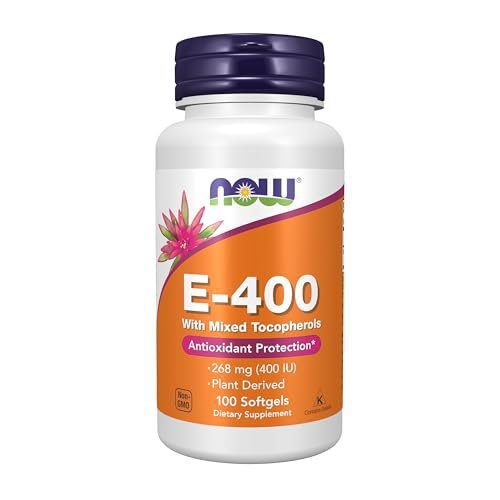
NOW Supplements, Vitamin E-400 IU, Mixed Tocopherols, Antioxidant Protection*, 100 Softgels
NOW Foods delivers 400 IU of natural vitamin E per softgel with mixed tocopherols (beta, delta, gamma) plus 100 mcg of selenium. This formula addresses the fact that most Americans fall short of the recommended 15 mg daily intake, offering straightforward antioxidant support for cellular health in a 100-softgel bottle.
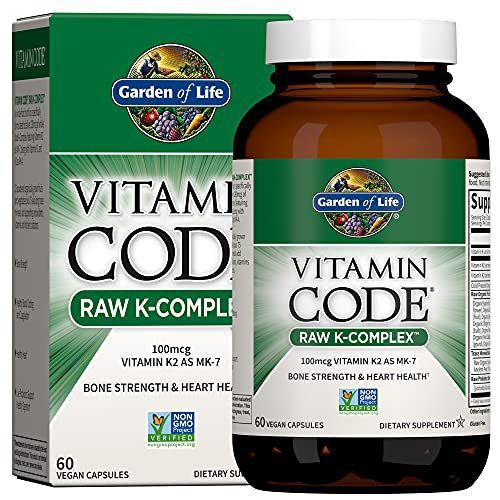
Garden of Life Vitamin K2 and K1, Vitamin Code Vegan K Complex Vitamin for Bone Strength and Heart Health, Omega Rich Flax Seed Oil, Trace Minerals, Probiotics, 60 Day Supply
Garden of Life Vitamin K2 and K1, Vitamin Code Vegan K Complex provides a vegan blend of K1 and K2 in a raw whole food formula with omega-rich flax seed oil, trace minerals, and probiotics for bone strength and heart health, offered as a 60 day supply. It targets those wanting a non-GMO supplement combining both forms of vitamin K with absorption aids from organic fruits and veggies. No specific dosage or Amazon data available.
Because these vitamins can be stored, many people assume deficiency “can’t happen.” The reality is more specific: deficiency is uncommon in a varied diet, but it becomes much more likely when absorption is impaired, intake is restricted, or vitamin D sun exposure is low.
Who should be extra alert?
You may want to discuss screening or tailored supplementation with a clinician if you fall into one of these groups:
- Limited sun exposure (vitamin D risk)
- Older adults (lower skin synthesis of vitamin D; dietary limitations)
- People with fat malabsorption (celiac disease, IBD, pancreatic issues)
- Post-bariatric surgery patients
- Strict low-fat diets maintained long-term
- People on anticoagulants (warfarin) (vitamin K intake consistency matters)
Common deficiency clues (not diagnostic, but useful)
| Vitamin | Possible signs of low status | Notes |
|---|---|---|
| A | Night vision issues, dry eyes/skin, frequent infections | Severe deficiency is uncommon in high-income countries |
| D | Bone pain, muscle weakness, frequent falls (older adults) | Confirm with a blood test (25-hydroxyvitamin D) |
| E | Nerve and muscle issues (rare) | Usually seen with malabsorption disorders |
| K | Easy bruising, bleeding gums, prolonged clotting | Newborns are a special case (vitamin K shot) |
Toxicity: where people get into trouble
Toxicity is usually a supplement story, not a food story.
Vitamin A (retinol)
- Risk rises with high-dose retinol supplements and frequent liver intake.
- Chronic excess may affect the liver and bone health.
- Beta-carotene from foods does not cause vitamin A toxicity, though it can discolor skin at very high intakes.
Vitamin D
- Excess vitamin D can raise calcium levels, which may lead to nausea, weakness, kidney strain, or kidney stones in susceptible people.
- Testing helps prevent “dose creep,” where someone keeps increasing intake without checking blood levels.
Vitamin E
- High-dose vitamin E can affect clotting in some people, especially those using anticoagulants or antiplatelet medications.
For a detailed safety discussion, including medication interactions, see Vitamin E and Blood Thinners.
Actionable takeaway: If you are taking more than one product that contains vitamins A, D, or E, add up the totals. If you are unsure, bring the bottles to your next appointment and ask for a quick review.

Smart supplementation: when it makes sense and how to choose a product
Supplementation should solve a specific problem: low intake, confirmed deficiency, limited sun exposure, or a medical reason that increases need. It should not be a vague insurance policy, especially for nutrients that store in the body.
When supplements are most justified
These are common, reasonable scenarios:
- Vitamin D supplementation during winter, indoor work, or confirmed low blood levels
- Post-bariatric surgery protocols (often clinician-directed and higher dose)
- Diagnosed malabsorption where diet alone cannot correct status
- Diet patterns that consistently exclude key sources (for example, no fortified foods and minimal sun exposure for vitamin D)
If you are choosing a vitamin D product and want help comparing forms and doses, see Best Vitamin D Supplements.
How to choose without getting overwhelmed
Use this short decision filter:
Pick the simplest product that meets your need.
Avoid stacking multiple “all-in-one” formulas unless you have a clear reason.Prefer third-party tested brands when possible.
Look for independent verification of label accuracy.Match dose to context.
For vitamin D, a blood test can prevent underdosing or overdosing. For vitamin A, be cautious with retinol unless a clinician recommends it.Plan around interactions.
Vitamin K can conflict with warfarin dosing strategies, and vitamin E can raise bleeding risk at high doses in some people.
A realistic food-first template (covers all four)
If you want a simple weekly pattern that naturally supports these vitamins:
- 2-3 servings/week of fatty fish (vitamin D, plus other nutrients)
- Leafy greens most days (vitamin K1)
- A handful of nuts or seeds most days (vitamin E)
- Orange and dark-green vegetables most days (carotenoids for vitamin A)
- Include a fat source with those meals (oil, eggs, dairy, avocado)
Actionable takeaway: The safest long-term approach is food-first plus targeted supplements based on risk factors or labs, not a high-dose “cover everything” routine.
If this is one of several products you take, StackMyMed (our companion app) scans each label and tallies your true daily total of every vitamin — an easy way to spot a quiet overlap.
Conclusion
Fat-soluble vitamins – A, D, E, and K – work best when you treat them like what they are: nutrients that need dietary fat for absorption and that your body can store. That storage helps you stay steady when intake varies, but it also raises the stakes for high-dose supplement habits, especially for vitamins A and D.
A practical next step is to audit your routine: take supplements with a real meal, check for overlapping ingredients across products, and consider vitamin D testing if you have limited sun exposure. For deeper reading, the Vitamin D Comprehensive Guide and Supplement Stacking Guide can help you build a plan that is effective and safe.
As an Amazon Associate, I earn from qualifying purchases. Product recommendations are based on real reviews and independent research.
