
Most people assume that if a supplement label lists a nutrient, their body will automatically use it. In reality, bioavailable nutrients depend on what form you take, what you eat them with, and how your digestion and metabolism handle them. That is why two products with the same “milligrams” can perform very differently. This article explains what nutrient bioavailability actually means, which supplement forms tend to absorb better, and how to improve nutrient absorption with practical, science-based steps.
Affiliate disclosure: this article contains affiliate links. As an Amazon Associate, UsefulVitamins.com earns from qualifying purchases at no extra cost to you.
Summary / Quick Answer: What are bioavailable nutrients?
Bioavailable nutrients are nutrients your body can absorb and use, not just swallow. “Best” forms vary by nutrient, but research and clinical practice point to a few repeat patterns.
Quick rules that usually hold true:
- Form matters: Some chemical forms are absorbed or utilized more efficiently (example: certain B12 and folate forms).
- Food pairing matters: Fat helps absorb fat-soluble vitamins (A, D, E, K). Vitamin C can improve non-heme iron absorption.
- Dose is not the same as uptake: Higher doses do not guarantee higher absorption, especially for nutrients with transport limits.
- Your body changes the math: Deficiency, pregnancy, age, and gut conditions can raise or lower absorption.
A simple way to think about it:
If the label says 100 mg, bioavailability determines whether your body effectively gets 80 mg, 20 mg, or far less.
Bioavailable nutrients explained: what “bioavailability” really means
Bioavailability is the percentage of a nutrient you ingest that actually makes it into circulation and becomes available for normal body functions. It is not just absorption in the gut – it also includes what survives digestion, what gets transported across the intestinal wall, and what your body can convert into an active form.
Think of it like sending a package. The label (dose) is what you ship. Bioavailability is what arrives intact and gets used.
Why absorption rates vary so much (even before you talk about “forms”)
Some nutrients are naturally absorbed at high rates, while others are tightly regulated. Minerals often compete for transporters, and many vitamins require specific conditions (like stomach acid or dietary fat) to be absorbed well.
Here is a quick reference chart to show how wide the range can be:
| Nutrient example | Typical absorption range | What influences it most |
|---|---|---|
| Iodine, molybdenum, boron | Often >90% | Baseline gut absorption is high |
| Zinc, copper, selenium | ~30-80% | Competition, dose, meal composition |
| Calcium | ~25-35% | Dose size, vitamin D status, inhibitors |
| Iron (heme vs non-heme) | ~10-40% vs ~2-20% | Iron stores, vitamin C, phytates |
| Vitamin B12 (food vs supplements) | Often 50% or lower vs often <5% | Intrinsic factor, dose limits |
These ranges are consistent with nutrition science summaries such as the overview on bioavailability concepts from NutritionalAssessment.org and detailed discussions of iron absorption physiology in peer-reviewed sources like the PubMed Central review on vitamin B12 absorption and status.
“Macronutrients absorb well, micronutrients are complicated”
In healthy adults, macronutrients (protein, fat, carbohydrate) are usually absorbed efficiently. Micronutrients are different. They often require:
- specific transporters
- conversion steps in the liver or tissues
- binding proteins (example: B12 and intrinsic factor)
- the right pH and digestive conditions
Actionable takeaway: If you are troubleshooting results from a supplement, start by checking form, timing, and pairing, not just the dose. A helpful next step is learning How to Read Supplement Labels so you can spot the exact forms used.
Which supplement forms are most bioavailable (and why form changes everything)
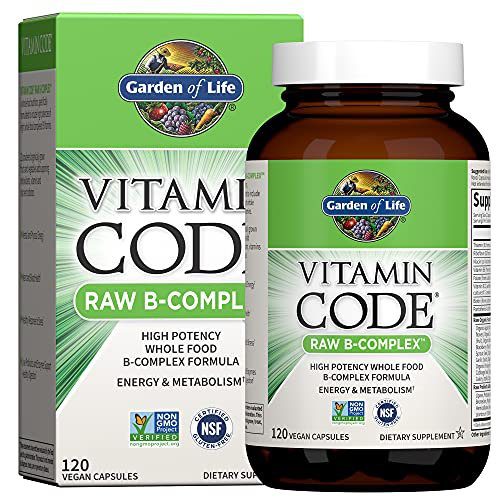
Garden of Life Vitamin B Complex, 120 Vegan Capsules, High Potency Vitamins for Energy & Metabolism with B6, Folate & B12 as Methylcobalamin Plus Probiotics
Garden of Life Vitamin B Complex delivers high potency B vitamins including B6, folate, and B12 as methylcobalamin in 120 vegan capsules, plus probiotics for energy and metabolism support. The bioavailable forms like methylcobalamin match the post’s focus on nutrients the body actually absorbs. Take 2 capsules daily with a whole food base.
A nutrient’s “form” is its chemical structure – and small structural differences can change how it behaves in the gut and inside cells. A practical way to picture this is a lock-and-key fit: the body often needs a nutrient to be in a usable shape, or it must convert it first.
Sometimes conversion is easy. Sometimes it is a bottleneck.
Examples where form can meaningfully change results
Below are common nutrient categories where form is frequently discussed in clinical nutrition and research.
Vitamin B12
B12 exists in several forms. Naturally occurring forms include methylcobalamin, adenosylcobalamin, and hydroxocobalamin. Cyanocobalamin is a synthetic form that the body can convert, but conversion and retention can differ by individual. Absorption also depends heavily on intrinsic factor and dose, which is why very high oral doses do not scale linearly.
A detailed overview of B12 absorption challenges and mechanisms is summarized in the PubMed Central review on vitamin B12.
Folate
Folic acid is a synthetic form used in fortification. Methylfolate (5-MTHF) is a biologically active form often used in supplements. Some people prefer methylfolate due to genetic variation (such as MTHFR variants) that can affect folate metabolism, although needs are individual and context matters.
Vitamin D
Vitamin D is commonly supplemented as cholecalciferol (D3). Calcifediol (25(OH)D) is a different form that can raise blood levels more efficiently in certain contexts. A research discussion of form differences and absorption considerations appears in a 2025 article in Frontiers in Nutrition.
A “forms” cheat sheet you can use while shopping
Use this as a quick decision aid when comparing labels:
| Nutrient | Forms you may see | What to consider |
|---|---|---|
| B12 | methyl-, adenosyl-, hydroxo-, cyano- | Absorption limits; individual conversion |
| Folate | folic acid, methylfolate (5-MTHF) | Active vs conversion-required forms |
| Vitamin D | D3 (cholecalciferol), calcifediol | Some forms raise levels faster in some people |
| Iron | heme, non-heme salts | Food pairing and iron status change absorption |
| Magnesium | glycinate, citrate, oxide, etc. | Tolerance and GI effects vary |
Actionable takeaway: Before switching brands, compare the forms line by line. If you want a practical walkthrough, UsefulVitamins’ Supplement Quality Indicators can help you screen for quality signals beyond marketing claims.
What affects nutrient absorption besides form? The “you + meal + gut” equation
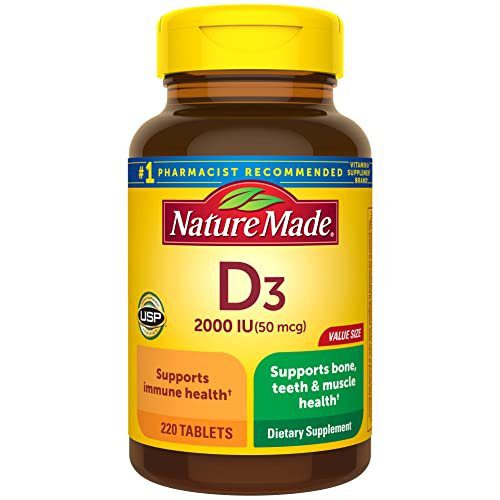
Nature Made Vitamin D3 2000 IU (50 mcg), Vitamin D Supplement for Bone, Teeth, Muscle and Immune Health Support, 220 Tablets, 220 Day Supply
Nature Made’s Vitamin D3 delivers 2000 IU per tablet in a 220-count supply. Since vitamin D is fat-soluble, absorption improves significantly when taken with dietary fat—pair your daily tablet with breakfast containing avocado, full-fat dairy, or eggs for better uptake.
Even the best-designed supplement can underperform if the context is wrong. Nutrient absorption is shaped by three big buckets: your physiology, the food matrix (what else you eat), and digestion.
1) Your physiology: needs, life stage, and nutrient status
Your body adapts based on need. If you are deficient, absorption and retention can increase for some nutrients. Iron is a classic example: people with low iron stores can absorb substantially more than those with adequate stores, which is one reason iron dosing should be individualized and monitored when possible. The overview on iron and nutrient bioavailability from NutritionalAssessment.org explains this adaptive effect.
Other factors that can shift absorption include:
- pregnancy and lactation
- adolescence (growth)
- older age (changes in stomach acid and appetite patterns)
- certain medications (acid reducers, metformin, bile acid binders)
- bariatric surgery history
Actionable takeaway: If you suspect deficiency, the most efficient path is often to confirm it with labs and a clinician, then match the form and dose to your situation. Guessing can lead to “more pills, same results.”
2) Food matrix: what you take it with can help or hurt
Some nutrients need a “ride” to get absorbed.
Common enhancers:
- Dietary fat improves absorption of vitamins A, D, E, and K.
- Vitamin C can increase absorption of non-heme iron (plant-based iron).
- Protein-rich meals can support mineral absorption for some people.
Common inhibitors:
- Phytates (in some grains and legumes) can bind minerals like iron and zinc.
- Polyphenols in tea and coffee can reduce non-heme iron absorption when taken together.
- High-dose mineral stacking can create competition (example: zinc and copper).
Here is a simple pairing guide:
| Nutrient | Pair with | Avoid taking at the same time (if sensitive) |
|---|---|---|
| Iron (non-heme) | Vitamin C rich food | Tea/coffee, high-calcium meals |
| Vitamin D | Meal containing fat | Taking on an empty stomach (for some) |
| Calcium | Smaller divided doses | Large single doses; competing minerals |
| Zinc | Food if nauseating | High-dose iron or calcium together |
Actionable takeaway: If you want a simple schedule, use the Supplement Timing Optimizer to reduce common conflicts like iron with coffee or minerals stacked in one dose.
3) Digestion and gut health: the “gatekeeper” problem
Stomach acid and digestive enzymes help release nutrients from food and supplements. If acid is low (common with long-term acid-suppressing meds or some older adults), absorption of B12, iron, and other nutrients can drop. Inflammation, diarrhea, and malabsorption conditions can also reduce uptake.
A practical overview of absorption barriers and why people may not absorb what they eat is discussed in the Michigan State University Extension article on nutrient absorption.
Actionable takeaway: If you have persistent GI symptoms plus fatigue, brittle nails, or unexplained deficiencies, consider discussing evaluation for malabsorption with a clinician rather than only changing supplements.
How to choose and use bioavailable nutrients in real life (without overdoing it)
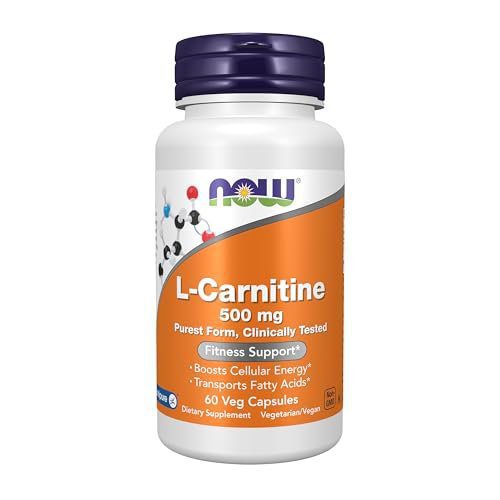
NOW Foods Supplements, L-Carnitine 500mg, Purest Form, Amino Acid, Fitness Support*, 60 Veg Capsules
L-Carnitine is an amino acid that supports cellular energy production by facilitating fatty acid transport into mitochondria. NOW Foods’ 500 mg formulation uses carnitine tartrate, which shows bioavailability of around 14-18% when taken as a supplement dose, meaning your body absorbs a modest fraction of what you ingest.
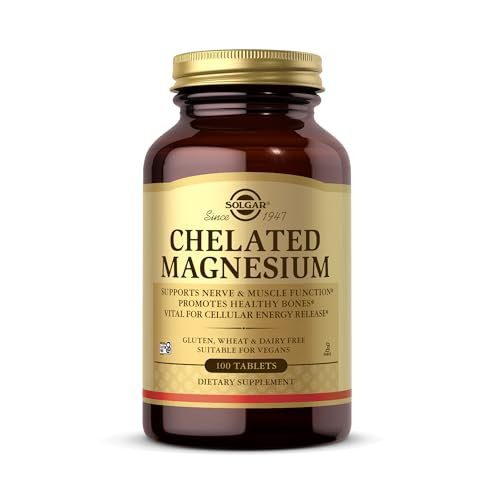
Solgar, Chelated Magnesium Prop 65, 100 Tablets
Solgar Chelated Magnesium uses a patented chelated form, which supports better absorption compared to many other magnesium supplements. This 100-tablet bottle with Prop 65 compliance fits the focus on bioavailable nutrient forms your body actually uses.
The goal is not to chase the “most bioavailable” version of everything. It is to choose forms and habits that reliably deliver what your body can use, with minimal side effects and minimal waste.
Step 1: Start with the label – but read it like a form checklist
Many people look only at the front of the bottle and miss the most important part: the Supplement Facts panel.
Use this quick checklist:
- Identify the exact form (example: “methylcobalamin” vs “cyanocobalamin”).
- Check dose size relative to typical needs and upper limits.
- Look for competing ingredients (example: multiple minerals in one high-dose serving).
- Confirm basic quality signals (testing, standards, transparency).
For a deeper walkthrough, see How to Read Supplement Labels and cross-check with Supplement Quality Indicators.
Step 2: Match timing and pairing to the nutrient
A well-chosen form can still fail if timing is off. Two common examples:
- Fat-soluble vitamins (A, D, E, K): often do better with a meal containing fat.
- Iron: often does better away from coffee/tea and sometimes away from calcium.
If you are using multiple products, planning matters. UsefulVitamins’ Complete Supplement Stacking Guide can help you avoid the “everything at breakfast” trap that creates competition and stomach upset.
Step 3: Watch for the “more is better” misconception
Higher doses do not always lead to higher blood levels. Many nutrients have saturable transporters. B12 is a classic case: absorption percentage drops as dose increases because intrinsic-factor mediated uptake is limited, as described in the PubMed Central review on vitamin B12.
Also, higher doses can increase side effects:
- magnesium forms can differ in GI tolerance
- iron can cause constipation or nausea
- zinc can upset the stomach and affect copper status at high intakes
If magnesium is on your list, UsefulVitamins’ guide on Magnesium Benefits Types Dosage breaks down forms and practical dosing considerations.
Step 4: Use a simple “trial and verify” loop
Bioavailability is personal. The cleanest way to know what works is:
- Choose a sensible form and dose.
- Use it consistently for an appropriate window (often 6-12 weeks, depending on nutrient).
- Track outcomes that matter (symptoms, tolerance).
- Verify with labs when relevant (vitamin D, iron studies, B12, folate).
Actionable takeaway: If you are changing multiple supplements at once, you lose the ability to tell what helped. Change one variable at a time when possible.

Adding this to a few other supplements? Our companion app, StackMyMed, scans the label, tracks your real daily intake, and schedules the best time to take it around everything else in your routine.
Conclusion: the smartest way to get more bioavailable nutrients
Bioavailable nutrients are the ones your body can actually absorb and use, and that depends on more than the number printed on the bottle. Form matters, but so do meal pairing, timing, gut health, and your current nutrient status.
A practical next step is to review your current products using How to Read Supplement Labels and then map a low-conflict schedule with the Supplement Timing Optimizer. If you are stacking several products, the Complete Supplement Stacking Guide can help you simplify without losing results.
As an Amazon Associate, I earn from qualifying purchases. Product recommendations are based on real reviews and independent research.
