
Your gut and your brain “talk” all day through nerves, immune signals, and chemicals made by gut microbes. When that conversation gets noisy – from stress, poor sleep, antibiotics, or a low-fiber diet – it can show up as brain fog, low mood, and digestive discomfort. Gut-brain axis supplements aim to support that communication by shifting the microbiome and its byproducts (like short-chain fatty acids) in a direction linked with calmer stress responses and steadier cognition. This article breaks down what the research actually suggests, which supplement types have the best human data, and how to choose a plan you can realistically stick with.
Affiliate disclosure: this article contains affiliate links. As an Amazon Associate, UsefulVitamins.com earns from qualifying purchases at no extra cost to you.
Summary / Quick Answer
The most evidence-backed gut-brain axis supplements are targeted probiotics and specific prebiotic fibers used consistently for 3-12 weeks, alongside a fiber-forward diet and sleep support.
Here’s the most practical, research-aligned shortlist:
- Probiotics (strain-specific): Look for Lactobacillus and Bifidobacterium strains used in human trials, typically in the 10⁷ to 10⁹ CFU/day range. Benefits studied include stress markers, mood-related brain activity, and memory in older adults.
- Prebiotics (especially GOS): Galactooligosaccharides (GOS) around 5.5 g/day have human evidence for lowering cortisol response and improving attention and aspects of cognition in certain groups.
- Synbiotics (probiotic + prebiotic): Often the most practical “one-two” approach, but start low to avoid gas and bloating.
If you want a simple starting point: a well-studied multi-strain probiotic + 3-5 g/day of GOS, then reassess at week 6.
What the gut-brain axis really is (and why supplements can affect mood)
If you have ever felt butterflies before a big meeting or nausea during stress, you have felt the gut-brain axis in action. This is not a metaphor. It is a two-way communication network linking your gut microbiome, gut lining, immune system, and nervous system to brain function.
Researchers describe several main “routes” of communication:
- Neural signaling: especially via the vagus nerve, which carries information from the gut to the brain.
- Immune signaling: gut microbes can influence inflammatory cytokines that affect brain function.
- Hormonal stress signaling: the HPA axis (hypothalamic-pituitary-adrenal) shapes cortisol patterns, sleep quality, and stress reactivity.
- Microbial metabolites: gut bacteria produce short-chain fatty acids (SCFAs) and other compounds that can affect neurotransmitter activity and brain pathways.
When the microbiome shifts into dysbiosis (an imbalance), studies associate it with higher inflammation, altered stress responses, and changes in gut barrier function. A 2024 review in Frontiers in Pharmacology summarizes how dysbiosis may influence cognition and mood through inflammatory pathways, neurotransmitter modulation, and gut barrier integrity.
Why “psychobiotics” are strain-specific
One of the biggest misconceptions is that any probiotic will do. In reality, effects depend on strain, dose, and duration. Some strains may influence neurotransmitter-related pathways (serotonin, GABA, dopamine) or neurotrophic factors like BDNF, while others mainly support bowel regularity.
A helpful way to think about it: probiotics are more like medications than multivitamins. The label details matter.
Visual: gut-brain axis pathways (quick map)
| Pathway | What starts in the gut | What it may affect in the brain |
|---|---|---|
| Vagus nerve | Microbial signals, gut movement | Stress response, emotional regulation |
| Immune system | Cytokines, inflammation | Mood, fatigue, cognitive “slowness” |
| HPA axis | Cortisol rhythm changes | Anxiety-like symptoms, sleep disruption |
| Metabolites | SCFAs (acetate, propionate, butyrate) | Neuroplasticity, attention, stress reactivity |
Actionable takeaway: If your main goal is mood or focus, choose products positioned for brain-related outcomes, not just “digestive balance.” A curated starting point can be a reputable guide like this best probiotics comparison to narrow options by strain and use case.
Gut-brain axis supplements that have the best human evidence
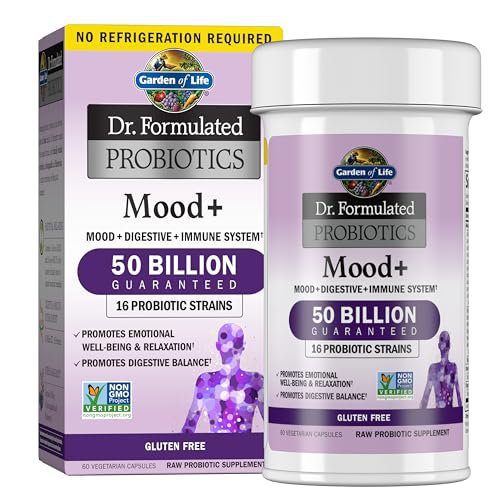
Garden of Life Dr. Formulated Probiotics Mood+ – 50 Billion CFU – Supports Relaxation & Digestive Health – Shelf Stable – 60 Vegetarian Capsules
Garden of Life Dr. Formulated Probiotics Mood+ contains 50 billion CFU from 16 strains including clinically studied L. helveticus R0052 and B. longum R0175 for mood support, plus 350mg organic ashwagandha and Alaskan blueberries for stress management, in a shelf-stable 60 vegetarian capsule bottle. This fits the gut-brain axis by targeting emotional well-being and digestive balance through specific probiotic strains and added relaxants. Two capsules daily support relaxation without refrigeration.
Most “brain and gut” supplement stacks fall into three categories: probiotics, prebiotics, and synbiotics (a combination). Among these, probiotics and specific prebiotic fibers have the most direct human research for stress and cognition outcomes.
1) Probiotics: where the strongest strain-level data lives
In older adults, certain probiotic combinations have been studied for memory-related outcomes. The 2024 review in Frontiers in Pharmacology highlights trials where specific strains (including Lactobacillus acidophilus and Bifidobacterium longum in defined doses) were linked with improved verbal memory measures in elderly participants.
Another notable clinical line: a 12-week trial described in that same review reported that Bifidobacterium bifidum BGN4 and Bifidobacterium longum BORI were associated with increased BDNF and reduced stress markers in healthy older adults.
What this means for shoppers: you want strain IDs on the label when possible (not just “Bifidobacterium longum” without a strain code), and you want a dose that matches common clinical ranges.
2) Prebiotics: GOS stands out for stress and attention
Prebiotics are not bacteria. They are fibers that feed beneficial microbes, increasing SCFA production. SCFAs are a big reason prebiotics show up in gut-brain research.
A 2024 paper in Nutrients (PubMed Central full text) summarizes human studies on prebiotics like Bimuno-galactooligosaccharides (B-GOS). In a study of healthy volunteers, 5.5 g/day for 3 weeks reduced the cortisol awakening response and shifted attention away from negative stimuli. In a separate trial in people with psychosis, 5.5 g/day for 12 weeks improved composite cognitive scores, including verbal memory and executive function.
These are specific outcomes in specific groups, not a guarantee for everyone. Still, the consistency around GOS and stress physiology is one reason it is a practical first-choice prebiotic.
3) Synbiotics: practical, but start low
Synbiotics pair a probiotic with a prebiotic. In theory, the prebiotic helps the probiotic “take hold” and also supports resident beneficial microbes.
In practice, the downside is tolerance. Many people feel gassy when they start prebiotics too quickly.
Visual: evidence-oriented supplement types
| Supplement type | Best-supported examples from human research | Typical timeframe studied | What you might notice first |
|---|---|---|---|
| Probiotic | Multi-strain Lactobacillus/Bifidobacterium blends used in trials | 4-12 weeks | Less GI discomfort, steadier stress response |
| Prebiotic | GOS (often 3-6 g/day; B-GOS studied at 5.5 g/day) | 3-12 weeks | Better stool consistency, calmer mornings |
| Synbiotic | Combo formulas | 4-12 weeks | Similar to above, but tolerance varies |
Actionable takeaway: If you are sensitive to fiber, consider starting with a probiotic alone for 2 weeks, then add a low-dose GOS.
How to choose a product: strain, dose, and quality checks that matter
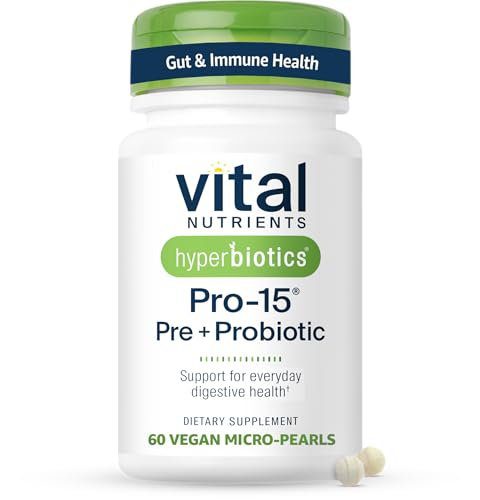
Hyperbiotics Vital Nutrients Pro-15 Prebiotics and Probiotics for Women and Men | 15 Science Backed Strains | Supports Occasional Constipation, Diarrhea, Gas & Bloating | 60 Vegan Time Release Pearls
This 60-count bottle delivers 15 probiotic strains plus prebiotic fructooligosaccharide in daily time-release pearls, formulated to support digestive regularity and occasional gas or bloating—factors that influence gut-brain signaling.
The supplement aisle makes gut-brain claims sound simple. The science is not simple, but your buying checklist can be.
Step 1: Match the product to your primary goal
Different goals point to different “best bets”:
- Stress reactivity, anxious gut, morning cortisol spikes: prebiotics like GOS have targeted human data.
- Brain fog with digestive symptoms: a multi-strain probiotic plus gradual fiber increases often makes sense.
- Older adults focused on memory support: look for formulas with strains studied in aging populations.
If you are building a routine, it helps to anchor it with a broader plan. This step-by-step gut health supplement protocol is a useful way to structure timing, dosing, and expectations.
Step 2: Look for strain detail, not just species names
“Bifidobacterium longum” can include many strains with different properties. When brands list strain IDs (letters/numbers), it signals more serious formulation.
On the label, look for:
- Genus + species (example: Bifidobacterium longum)
- Strain ID when available (example format: “BGN4”)
- CFU at end of shelf life (not just “at manufacture”)
Step 3: Dose and duration: set a realistic trial
Most gut-brain outcomes in human studies take weeks, not days. A pattern across trials is 3-12 weeks depending on outcome.
A practical self-test plan:
- Pick one product (or a simple probiotic + GOS combo).
- Run it for 6 weeks without changing five other variables.
- Track 2-3 metrics: stool comfort, morning stress, and one cognition marker (focus, word recall, or “brain fog” rating).
Step 4: Consider interactions and safety
For most healthy adults, probiotics and prebiotics are well tolerated. But there are important exceptions.
Be cautious and consult a clinician if you:
- Are immunocompromised
- Have a central line or recent major surgery
- Have severe GI disease flare-ups
- Are managing a psychiatric condition with medication changes
Also, if you are using antibiotics, timing matters. This guide on probiotics antibiotic timing can help you avoid canceling out your efforts.
Visual: quick label checklist (screenshot guide)
- Probiotic CFU listed clearly (target ranges often 10⁷-10⁹/day in studies)
- Strains listed (not “proprietary blend” only)
- Storage instructions make sense (shelf-stable vs refrigerated)
- Third-party testing or quality certifications if available
- Clear prebiotic dose in grams if included (not hidden in a blend)
Actionable takeaway: The best product is the one you can take consistently for 6-8 weeks without side effects. Consistency beats “strongest formula” for most people.
A simple 6-week gut-brain supplement plan (with food and lifestyle add-ons)
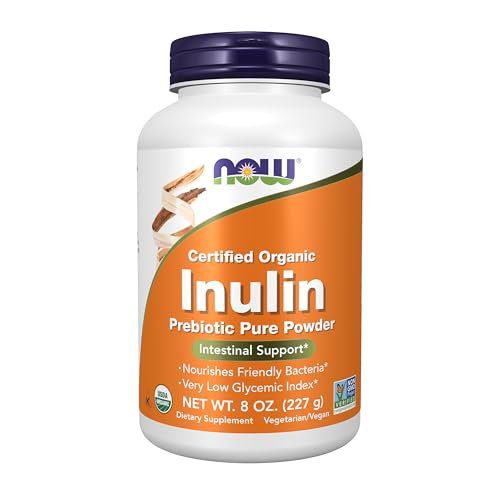
NOW Foods Inulin 8 Ounces
NOW Foods Inulin 8 Ounces is a straightforward prebiotic powder that feeds beneficial gut bacteria to support the gut-brain axis and mental health. The organic inulin from blue agave delivers 3.3 g per serving with 4 g of dietary fiber, mixing easily into foods or drinks with mild sweetness. Some users note initial gas or bloating, but the trusted NOW brand makes it a practical pick for gut health without flavor issues.
Supplements work best when they are supporting fundamentals, not replacing them. If your diet is low in fiber and your sleep is chaotic, your microbiome will keep getting mixed signals.
A practical plan should feel boring in a good way.
Week 1-2: Stabilize and reduce friction
Pick one of the following starts:
- Option A (sensitive gut): probiotic only
- Option B (constipation or low fiber diet): GOS at a low dose (example: 1-2 g/day), then increase
- Option C (most people): probiotic + very low-dose GOS
Keep meals simple and repeatable. Aim for 1-2 high-fiber foods daily (oats, beans, lentils, berries, chia).
Week 3-6: Build fermentable fiber and track outcomes
Increase prebiotic fiber gradually toward your target. Many people do well around 3-6 g/day of GOS, but tolerance varies.
Add foods that feed SCFA production:
- Legumes (lentils, chickpeas)
- Whole grains (oats, barley)
- Nuts and seeds
- Slightly green bananas, cooked-and-cooled potatoes or rice (resistant starch)
The reason this matters is not just “regularity.” SCFAs are linked to stress physiology and brain signaling in multiple research models. The 2024 review in Nutrients (PubMed Central full text) discusses how fermentable fibers and SCFAs relate to cortisol responses and cognition measures in human studies.
Add-ons that pair well (without turning it into a 12-pill routine)
If your main goal is mood support, two evidence-informed add-ons often considered are:
- Omega-3s: see the research context in fish oil and depression
- Mushroom nootropics: some people use them for focus and stress. This overview of nootropic mushrooms explains what is known and what is still uncertain.
Visual: 6-week plan at a glance
| Week | What to take | What to eat | What to track |
|---|---|---|---|
| 1-2 | Probiotic and/or 1-2 g GOS | Add 1 fiber food/day | Stool comfort, morning stress (1-10) |
| 3-4 | Increase GOS slowly | Add legumes 3x/week | Focus rating, afternoon energy |
| 5-6 | Maintain steady dose | Aim 25-30 g fiber/day if tolerated | Sleep quality, overall mood trend |
Actionable takeaway: If you feel worse after adding fiber, reduce the dose for a week rather than quitting. Tolerance often improves with slower titration.

Taking this alongside other products? StackMyMed (our companion app) logs your full stack, finds the optimal timing for each dose, and flags interactions, so you are not tracking it all by hand.
Conclusion
Gut-brain axis supplements can be worth trying when you treat them like a structured experiment, not a quick fix. The best-supported options in human research are strain-specific probiotics and prebiotic fibers like GOS, used consistently for 3-12 weeks and paired with a fiber-forward diet.
Start simple: choose one probiotic you can tolerate, add GOS slowly if needed, and track a few outcomes that matter to you. If you are on antibiotics or managing a medical condition, timing and supervision matter.
For next steps, compare options using this best probiotics comparison and build a routine with the gut health supplement protocol.
As an Amazon Associate, I earn from qualifying purchases. Product recommendations are based on real reviews and independent research.
