
Affiliate disclosure: this article contains affiliate links. As an Amazon Associate, UsefulVitamins.com earns from qualifying purchases at no extra cost to you.
Nursing thirst is famous for a reason: sit down to feed and a dry mouth arrives on cue. Social media has noticed, and electrolyte brands now market straight at new moms with promises about supply, energy, and recovery. The real questions are narrower and more useful: how much fluid does breastfeeding actually cost, when does plain water stop being enough, and which mixes are safe to drink while your baby drinks after you. This guide answers those three questions with label numbers and published sources, and the picks below are the same plain mixes we would hand a nursing parent in our own family, along with the two flavor traps we would warn her about.
Before you decide

Most nursing parents do not need an electrolyte product on a normal day. If you drink when thirsty and eat regular meals, your kitchen already replaces what breastfeeding takes out, and a supplement adds cost without adding milk. The section on when water is enough below is the honest gate; read it before the product table.
Clear any electrolyte product with your OB, midwife, or pharmacist first if you have high blood pressure or had a blood pressure disorder of pregnancy, kidney disease, or heart problems, or if you take diuretics, lithium, or any daily prescription. Sodium and potassium are not inert flavoring; they interact with blood pressure medicines, lithium, and kidney function in ways a label will not warn you about. Our free interaction checker guide shows how to screen any product against your medication list in about two minutes, and a pharmacist can do the same at the counter.
Some symptoms mean stop reading and call someone today. Contact your OB or urgent care if you cannot keep fluids down for more than a day, run a fever with a painful red area on the breast, feel faint when standing, or notice very dark, scant urine. Severe headache, vision changes, sudden swelling, chest pain, confusion, or a seizure are emergency-room problems, and blood pressure complications can appear weeks after delivery, so do not let a hydration powder stand in for a phone call. This article is general information, not medical advice, and it cannot see your chart.
The comparison below is for the ordinary hard days of the nursing year: heat waves, a household stomach bug, cluster-feeding weeks, and the drenching night sweats of early postpartum. If you are also sorting prenatals, postnatals, and everything else in the cabinet, our guide to organizing a safe supplement list while breastfeeding is the companion piece to this one.
What breastfeeding actually takes out of you
Start with the milk itself. In healthy, exclusively breastfed babies, milk intake averages roughly 750 to 800 grams per day in the first four to five months, per the Institute of Medicine's report on nutrition during lactation. And milk is mostly water: a 2016 review in Nutrients puts human milk at about 87% water, with the rest fat, lactose, and protein. Run the math and roughly two-thirds of a liter of water leaves your body through milk alone, every single day, before you sweat a drop.
Official intake numbers reflect that cost. The Institute of Medicine's dietary reference table for water sets the adequate intake for lactating women at 3.8 liters of total water per day, against 2.7 liters for non-pregnant adult women. Total water counts food, soup, milk, and every beverage, so nobody needs to drink 3.8 liters from a bottle. The gap between the two numbers is the point: lactation raises your fluid needs by roughly a liter a day, which is why the thirst hits so hard at the start of a feed.
Night sweats stack a second, less discussed loss on top. The postpartum drop in estrogen triggers the same vasomotor symptoms menopause does, and they are common: in a prospective study of 429 women in Fertility and Sterility, 29% reported nighttime hot flashes after delivery. A night of soaked sheets is real fluid and salt out of your body on top of the milk bill, which is one reason early postpartum thirst can feel bottomless. Our postpartum recovery supplement guide covers the broader recovery picture beyond hydration.
One thing breastfeeding does not do is drain sodium the way sport does. The fluid demand is the story here, and that changes what a sensible product looks like: a nursing parent rarely needs the aggressive sodium doses built for marathoners, and on medical advice to restrict salt may specifically need to avoid them.
When water alone is enough
The unglamorous truth is that water covers the large majority of nursing days. The National Library of Medicine's breastfeeding self-care guidance keeps it simple: drink enough to satisfy your thirst, aiming for about 8 cups of fluid a day. Thirst while nursing is a loud, reliable signal. Honor it with a big glass at every feed and most parents will never notice the liter that lactation quietly added to their day.
Drinking past thirst does not buy you anything either. A 2014 Cochrane review of extra fluids for breastfeeding mothers found the effect of additional fluid on milk production is simply not established; no good trial shows that forcing water, with or without electrolytes, raises supply. Any brand implying its powder boosts milk output is selling past the evidence, so treat supply claims on hydration products as marketing, full stop.
So when does a mix earn its place? Three situations, all temporary. Heat: a July stroller walk or a house without air conditioning can push sweat losses toward what athletes see. Illness: a stomach bug that empties you out is the textbook use case for oral rehydration formulas, provided you can keep sips down and you call your doctor when the red flags above appear. And heavy night sweats: waking drenched for weeks in early postpartum is normal hormone biology, and a modest morning electrolyte drink can make those mornings less wrung out. Outside those three windows, refill the water glass and keep your money.
How to choose while nursing
The filter order matters more than the brand, and the first filter is herbs. Skip any hydration blend that adds botanical extras: adaptogens, ginseng, green tea extract, or "lactation support" herbs like fenugreek. Evidence for herbal galactagogues is mixed at best, side effects and allergies are real, and most herbs have thin safety data in lactation. An electrolyte mix should contain salts, flavor, and nothing that needs its own risk conversation; if you want to discuss herbs, have that conversation separately with a lactation consultant or your OB, with the NIH's LactMed database open.
Second filter: caffeine, checked per flavor, not per brand. This is the trap almost nobody catches. LMNT's Lemonade Iced Tea flavor carries 50 mg of caffeine from black tea while the rest of the line has none, Nuun sells a separate Sport +Caffeine range beside its plain tablets, and Ultima's TeaFresher flavors contain tea caffeine while the original line does not. Caffeine passes into milk, and the NIH LactMed entry on caffeine describes a daily limit of 300 to 500 mg as likely safe for most mothers, with European authorities using a stricter 200 mg. CDC guidance on maternal diet adds that preterm and younger newborns break caffeine down more slowly, so earlier in the newborn stage there is less room. A stealth 50 mg in a "hydration" drink eats a meaningful slice of that budget, so read the flavor-level label every time, even on a brand you already trust.
Third filter: vitamin extras. Liquid I.V. adds a full day's value of four B vitamins to every stick. That is not dangerous for most people, but if you already take a postnatal multivitamin, you are stacking duplicates for no benefit. Prefer mixes that leave vitamins to your multivitamin, or count the overlap deliberately.
Fourth filter: sodium, matched to the day. For a hot afternoon or a sweaty night, a 300 to 500 mg serving is plenty alongside normal meals. The 1,000 mg sticks built for endurance athletes are a deliberate tool for the worst days, a stomach bug or a heat wave, and are exactly the products to clear with your OB first if blood pressure is part of your history. The physiology behind sodium, potassium, and fluid balance is covered in our complete guide to electrolytes if you want the foundations.
Last filter: sugar, by use case. Zero-sugar mixes suit everyday sipping. Sugared formulas earn their sugar in one place only: rehydration during illness, where glucose actively helps the gut absorb sodium and water. That is the design principle behind oral rehydration solutions, and it is why the sugar column in the table below is a feature for sick days and a bug for daily use.
The numbers side by side
Label numbers below were checked against brand pages and listings in August 2026. Where a brand does not publish a figure, we say so rather than guess.
| Product | Format | Sodium | Potassium | Sugar | Caffeine or herbal extras | Price per serving |
|---|---|---|---|---|---|---|
| Nuun Sport | Tablet | 300 mg | 150 mg | 1 g | None; a separate +Caffeine line exists | about $0.75 |
| Ultima Replenisher | Stick pack or tub | 55 mg | 250 mg | 0 g | None in the original line; TeaFresher flavors contain tea caffeine | about $1.05 |
| DripDrop | Stick pack (ORS-style) | 330 mg per stick (label figure; facts panel not shown on the brand’s product page) | not published on brand page | not published on brand page; sugar and fructose lead the ingredient list | Caffeine-free; turmeric and spirulina appear only as colors | about $1.12 |
| LMNT | Stick pack | 1,000 mg | 200 mg | 0 g | None in most flavors; Lemonade Iced Tea has 50 mg caffeine | about $1.50 |
| Liquid I.V. Hydration Multiplier | Stick pack | 510 mg | 380 mg | 11 g | No caffeine or herbs; adds four B vitamins at roughly 100-150% of daily values | about $1.56 |
Prices are approximate direct-from-brand figures as of August 2026 and shift with subscriptions and sales.
Top picks for nursing parents
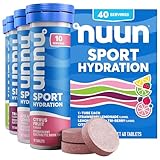
Nuun Sport is the default pick for the nursing year. One tablet delivers 300 mg of sodium and 150 mg of potassium with 1 g of sugar, and the ingredient list is short enough to read aloud during a feed: salts, citric acid, a little dextrose, stevia. There is no caffeine, no herb, and no vitamin stack to double up on your postnatal. The dose fits the actual demand of a hot day or a sweaty night, and at about $0.75 per tablet the habit stays cheap. Just buy the plain Sport tube, since the +Caffeine line sits right beside it on the shelf.
LMNT is the hard-day tool, used deliberately. A 1,000 mg sodium stick is more than a typical nursing day calls for, and that is the point: on the day a stomach bug has emptied the whole house or an August heat wave meets a broken air conditioner, one stick does the work of three gentler servings, with zero sugar. It is also the most sodium per dollar here. Two cautions: this is the product to clear with your OB if blood pressure is in your history, and the Lemonade Iced Tea flavor carries 50 mg of caffeine that the other flavors do not.
DripDrop is the stomach-bug pick. It is built on oral rehydration principles, pairing sodium with sugars so the gut can pull fluid in when you are ill, and the brand keeps caffeine and functional herbs out of the formula. The gaps are transparency: potassium and sugar grams are not published on the brand's product page, which is why our table says so instead of guessing. For sipping through a rough 24 hours it is the most purpose-built option here, taken with the standing rule that illness plus an inability to keep fluids down is a call-your-doctor situation.
Ultima Replenisher is the flavored-water upgrade. With 55 mg of sodium it barely qualifies as a sodium product, and for everyday use by a nursing parent that is a feature: it turns a glass of water into something you will actually finish, adds 250 mg of potassium and some magnesium, and keeps sugar at zero. Treat it as a hydration nudge rather than replacement for real losses, and skip the TeaFresher flavors while nursing because of the tea caffeine.
Liquid I.V. is fine, with eyes open. The 510 mg sodium and 11 g sugar per stick follow the same glucose-assisted absorption logic as DripDrop, and there is no caffeine or herb in the formula. The hesitation is the extras: every stick adds roughly a day's worth of vitamins B3, B5, B6, and B12, at about 100-150% of daily values each, which stacks silently on top of a postnatal multivitamin. We took a longer look at the brand's claims and math in our Liquid I.V. review; the short version is that it works as a rehydration product and you are partly paying for vitamins you may already take.
What to look for when buying
Read the flavor-level label, not the brand's reputation. The two caffeine surprises in this roundup, LMNT's iced tea flavor and Ultima's TeaFresher line, live inside otherwise caffeine-free brands. The supplement facts panel for the exact flavor in your cart is the only label that counts.
Reject herbal riders without exception. Any "lactation hydration" blend that folds in fenugreek, adaptogens, or botanical extracts is asking you to run an herbal safety review to drink water. Plain salts are the product; herbs are a separate decision for you and your care team.
Count the vitamin overlap. If your postnatal already covers B vitamins and vitamin C, a mix that adds 100% daily values duplicates it. Nothing here reaches worrying doses, but paying twice for the same vitamins is the quiet tax on fancy hydration powders.
Match sodium to the day, not the marketing. A 300 mg serving covers a hot afternoon; 1,000 mg is for illness or serious sweat. Bigger numbers are not better hydration, they are just more salt.
Prefer brands that publish full panels. When a company will not post its potassium or sugar numbers online, treat the gap as information about the company.


As an Amazon Associate, UsefulVitamins.com earns from qualifying purchases at no extra cost to you. We only recommend products supported by published research or third-party testing.
FAQ
Do electrolyte drinks increase milk supply?
No good evidence says so. A Cochrane review found the effect of extra fluids on milk production is not established, and no trial shows electrolyte mixes outperform water for supply. Supply runs on demand: frequent, effective milk removal. Stay comfortably hydrated by thirst, and if supply worries you, a lactation consultant will do more than any powder.
Can I take electrolytes with my blood pressure medication, diuretic, or lithium?
Check before you sip. Sodium loads can work against blood pressure treatment, potassium interacts with certain diuretics and blood pressure drugs, and changes in salt and fluid intake can swing lithium levels meaningfully. Run the exact product through the workflow in our interaction checker guide, then confirm with your pharmacist or prescriber. Bring the actual label, since flavors within one brand can differ.
How much caffeine is safe while breastfeeding?
The NIH's LactMed database describes 300 to 500 mg per day as a likely safe level for most nursing mothers, with European authorities using a stricter 200 mg, and notes that fussiness and poor sleep show up in infants at very high maternal intakes. Newborns and preterm babies clear caffeine slowly, so err lower in the early weeks. Count everything: coffee, tea, chocolate, and the 50 mg hiding in a tea-flavored electrolyte stick.
What should I drink during a stomach bug while nursing?
Small, frequent sips of an oral rehydration style mix (DripDrop, or Liquid I.V. in a pinch) beat chugging plain water when you are losing fluid from both ends. Keep nursing if you can; the illness itself is rarely a reason to stop, but ask your OB or pediatrician about your specific situation. If you cannot keep sips down for a day, feel faint, or your urine turns dark and scant, call your doctor. Confusion, a seizure, or fainting that does not resolve is 911, not a hydration problem.
Do postpartum night sweats mean I need electrolytes?
Usually not. Waking drenched in the first weeks is common hormone biology, reported by about 29% of women in one prospective study, and it fades on its own. Water at the bedside and normally salted meals cover the losses for most people. If the sweats are heavy for weeks, a modest morning serving of a plain mix is reasonable. New or worsening sweats with fever, breast pain, or feeling unwell deserve a call to your OB rather than a supplement.
Are "lactation hydration" blends with fenugreek worth trying?
We would not combine the two products. Evidence that fenugreek raises supply is mixed, it has real side effects and allergy potential, and bundling it into your water means dosing an herb every time you are thirsty. If you want to explore galactagogues, do it as a separate, deliberate decision with a lactation consultant or your OB.
The bottom line
Breastfeeding costs you roughly two-thirds of a liter of water a day through milk, and your thirst already knows it. Water at every feed and normal salted meals cover the ordinary days, which is most of them. Keep one plain, caffeine-free, herb-free mix on hand for the exceptions: Nuun Sport for hot days and sweaty nights, an ORS-style stick like DripDrop for illness, LMNT for the rare day that truly empties you out. Read the flavor-level label, screen anything new against your medications, and let your OB, pharmacist, or lactation consultant overrule anything on this page, because they can see your chart and we cannot.
