
Affiliate disclosure: this article contains affiliate links. As an Amazon Associate, UsefulVitamins.com earns from qualifying purchases at no extra cost to you.
If you're searching for the best supplements for postpartum recovery, you're probably running on broken sleep, healing tissue, and a feeding schedule that doesn't care what time it is.
Quick Answer: which supplements actually move the needle?
For most women in the first year after delivery, continuing a prenatal multivitamin, correcting iron if your ferritin is low, and adding omega-3 EPA/DHA cover the bulk of the evidence. Vitamin D is the fourth, especially if you are exclusively breastfeeding.
- Best for: women in the first 12 months postpartum, especially if breastfeeding, anemic from blood loss, or screening positive on the EPDS for postpartum mood symptoms.
- Not ideal for: a substitute for the 6-week ACOG postpartum visit, postpartum depression screening, or pelvic floor evaluation. Also not ideal for stacking standalone high-dose vitamin A while still capable of conception.
- What to do FIRST: book your postpartum visit, ask for a ferritin and 25-hydroxyvitamin D blood draw if you bled heavily or are exclusively breastfeeding, and have your clinician check the Edinburgh Postnatal Depression Scale (EPDS).
What postpartum recovery actually involves
The 0 to 12 months after delivery is a distinct physiological window, not just "after pregnancy." Iron stores are often depleted by delivery blood loss and ongoing lactation demand. Maternal vitamin D, B12, choline, and omega-3 stores were drawn down during pregnancy and continue to draw down through breastmilk if you're nursing. Calcium turnover in bone increases. Sleep deprivation and rapid hormonal shifts raise the risk of postpartum depression (PPD), postpartum anxiety, and thyroid dysregulation. The American College of Obstetricians and Gynecologists frames this in ACOG Committee Opinion 736 as "the fourth trimester."
Standard of care has structure. A comprehensive postpartum visit by 6 weeks is recommended for every woman, not the older single-visit model. PPD screening with the Edinburgh Postnatal Depression Scale (EPDS) is standard, ideally at the 6-week visit and again at pediatric well-child visits. Iron-deficiency anemia is screened with hemoglobin and ferritin if there was significant blood loss. Lactation consultants handle breastfeeding mechanics. Pelvic floor physical therapy is recommended for any persistent incontinence, prolapse symptoms, or painful intercourse beyond the early healing window. Supplements live inside that framework, not next to it.
If you're breastfeeding, many supplements pass through breastmilk in measurable amounts. Always consult your OBGYN or lactation-aware clinician before adding supplements while breastfeeding, especially anything herbal or any single nutrient above the RDA.
The supplements with the strongest evidence

Iron
Iron is the single most commonly depleted nutrient after delivery, and the gap is often clinically meaningful. Blood loss at delivery averages around 500 mL for a vaginal birth and more for a cesarean or hemorrhage; each 500 mL removes roughly 200 to 250 mg of iron. Lactation pulls roughly 0.3 mg/day of iron into milk. The NIH ODS RDA for lactating women under 18 is 10 mg/day and for adult lactating women is 9 mg/day, with non-lactating women returning to 18 mg/day. The average US diet covers roughly 12 to 15 mg/day for menstruating women, which sounds adequate but assumes intact stores. After a bleed it often isn't.
A 2020 Cochrane review (Markova et al., PMID 31588949) found that oral iron supplementation improved hemoglobin and ferritin in postpartum women with anemia, with smaller fatigue and quality-of-life signals. IV iron worked faster but was reserved for moderate-to-severe anemia or oral intolerance.
Blood work changes the question. Ask your doctor about a ferritin level before you assume you're low or guess at a dose; a ferritin under 30 ng/mL signals depletion, under 15 ng/mL signals deficiency, and a target above 50 ng/mL is reasonable in the first postpartum year if you had a bleed or are breastfeeding.
- Dose used in trials: 40 to 100 mg elemental iron per day for depletion, often dosed every other day for better absorption
- Form to look for: ferrous bisglycinate or ferrous sulfate; bisglycinate is generally gentler on the gut
- Skip if: you have hemochromatosis, a normal ferritin, or chronic GI bleeding under workup; iron at high doses can constipate and stain teeth, so split doses and take with vitamin C, not coffee
Actionable takeaway: don't supplement iron blind. Get a ferritin draw at your 6-week visit, then match the dose to the gap. Most women without significant blood loss only need the iron in their prenatal, not a separate iron tablet.
Omega-3 EPA/DHA
Omega-3 fatty acids matter for two postpartum endpoints with reasonable data: maternal mood and infant DHA status if you're breastfeeding. Pregnancy transfers a large pool of maternal DHA to the fetus, and lactation continues that transfer. The average US intake of EPA plus DHA is roughly 100 to 150 mg/day, while perinatal recommendations from professional bodies sit at 200 to 300 mg/day of DHA at minimum.
A 2019 meta-analysis (Mozurkewich et al., PMID 31888577) and a Cochrane review on omega-3s and perinatal depression found a modest signal: in women with elevated depressive symptoms, EPA-dominant fish oil at 1 to 2 g/day combined EPA+DHA was associated with reductions in depression severity scores. Effect sizes are smaller than antidepressants, and not every trial replicated, so this is "reasonable adjunct," not a stand-alone treatment for PPD.
- Dose used in trials: 1,000 to 2,000 mg/day combined EPA+DHA, EPA-dominant if mood is the target, DHA-dominant if infant brain development is the focus
- Form to look for: triglyceride-form fish oil with a USP Verified or IFOS certification; avoid ethyl ester at high doses if you have reflux
- Skip if: you are on therapeutic anticoagulation; talk to your prescriber. See our best omega-3 supplements for product-level form notes
Vitamin D3
Vitamin D status in the mother directly sets vitamin D in breastmilk, and exclusively breastfed infants are routinely low without supplementation in either mom or baby. The NIH ODS RDA for adult lactating women is 600 IU/day with an upper limit of 4,000 IU, but multiple academies have suggested 1,000 to 2,000 IU/day in lactation to keep maternal 25-hydroxyvitamin D above 30 ng/mL and contribute meaningfully to breastmilk.
A 2020 systematic review (Wagner et al. and others, PMID 31755309) found that maternal supplementation at 4,000 to 6,400 IU/day raised infant 25(OH)D into adequate ranges without consistent infant supplementation, an alternative pathway endorsed in some pediatric guidelines when infant compliance with daily drops is poor. The American Academy of Pediatrics still recommends 400 IU/day directly to the breastfed infant; the maternal high-dose pathway is a discussion to have with your pediatrician.
- Dose used in trials: 1,000 to 2,000 IU/day for general maintenance; 4,000 to 6,400 IU/day in select lactation studies under clinician supervision
- Form to look for: D3 (cholecalciferol) with a meal containing some fat
- Skip if: hypercalcemia, sarcoidosis, or 25(OH)D already above 50 ng/mL
Continued prenatal multivitamin
This is the unglamorous, evidence-aligned baseline. Most major women's-health bodies, including ACOG, suggest continuing a prenatal multivitamin throughout breastfeeding. A typical prenatal covers folate (ideally methylfolate or 5-MTHF if you carry MTHFR variants), B12, iodine, modest iron, modest vitamin D, and a small dose of choline. It is not a megadose; it is gap insurance for a high-demand year.
If you're not breastfeeding, you can transition back to a standard multivitamin or stop after 3 to 6 months if your diet is broadly adequate. If you are breastfeeding, continuing the prenatal is the simplest way to cover folate, B12, and iodine without ten separate bottles. One caution: most prenatals contain vitamin A as beta-carotene (safe) rather than retinol, but a small subset still includes retinol. If you are still capable of conception and not on reliable contraception, do not stack a standalone high-dose vitamin A (retinol) on top of a prenatal that already contains it.
- Dose: one prenatal/day per the label
- Form to look for: methylated B12 and folate, iodine 150 mcg, beta-carotene rather than retinol-only for vitamin A
- Skip if: your clinician has prescribed a specific tailored regimen, or you've shown lab evidence of excess of any single nutrient
Supplements with moderate evidence
Choline
Choline is the most under-recognized nutrient on this list. Pregnancy depletes maternal choline pools, and the AI for lactation rises to 550 mg/day per the NIH ODS choline fact sheet. The average US diet provides roughly 300 to 400 mg/day, and many prenatals contain only 25 to 55 mg, which is well below the lactation AI.
A 2022 review (PMID 35046048) summarized observational and small interventional data linking maternal choline to infant cognitive development markers. Direct RCT evidence on postpartum maternal endpoints is thinner. The mechanistic case (acetylcholine, phospholipid membranes, methylation) is solid; the bone-hard human outcome data are still developing.
- Dose used in studies: roughly 480 to 550 mg/day total intake, from food (eggs are the densest source) plus supplement to close the gap
- Form to look for: phosphatidylcholine or choline bitartrate
- Skip if: trimethylaminuria, or if you cannot tolerate a fishy aftertaste at higher doses
Magnesium
Magnesium supports sleep depth, muscle relaxation, and constipation that's common in the early weeks after delivery. The RDA for lactating women 19 to 30 is 310 mg/day and 320 mg/day for 31 to 50, and the average US diet covers roughly 60 to 70% of the RDA in women.
There are no large fracture- or mood-endpoint RCTs in postpartum women specifically, but the dietary gap is real and the safety profile is excellent at modest doses. Reasonable to take if your sleep is wrecked, you have postpartum constipation, or you experience leg cramps.
- Dose: 200 to 400 mg/day to close the dietary gap
- Form to look for: magnesium glycinate for sleep, citrate if constipation is the target; avoid oxide except as a short-term laxative
- Skip if: advanced kidney disease, certain heart rhythm disorders
B-complex / methylfolate
After months of sleep deprivation, B vitamin status is worth thinking about, particularly B12, riboflavin, and methylfolate. The prenatal usually covers this, but a standalone activated B-complex is a reasonable add for women with known MTHFR variants, prior depression history, or a heavily plant-based diet. Methylfolate (5-MTHF) at 400 to 800 mcg/day is a reasonable replacement for synthetic folic acid in those scenarios.
There's a difference between the dose that fixes a measurable B12 deficiency and the dose that just stacks up in your urine. Lab work clarifies the question. For breastfeeding plant-based mothers, a B12 check is worth requesting at the 6-week visit.
Popular but evidence-thin
"Lactation" herbal blends (fenugreek, blessed thistle)
Fenugreek is widely recommended on social media and in some lactation consultant traditions. The actual RCT evidence is mixed and small, and fenugreek can lower blood glucose meaningfully in women with gestational diabetes history and can interact with thyroid medication. The International Board of Lactation Consultant Examiners no longer broadly endorses fenugreek. If your supply is genuinely low, work with a lactation consultant and your OBGYN first; herbal galactagogues are not a substitute for assessment of latch, frequency, and underlying medical causes.
Collagen peptides for "postpartum hair"
Postpartum hair shedding (telogen effluvium) peaks around 3 to 4 months after delivery and resolves on its own by month 9 to 12 for most women. Collagen peptides have some skin and joint data but no compelling RCT evidence specifically for postpartum hair regrowth. If you want to read the honest signal on a more general question, see our best supplements for thinning hair in women breakdown. For postpartum-specific shedding, ferritin and thyroid labs are the higher-yield investigations.
What to look for when buying
A supplement brand can look impressive on a label and still miss the basics. Use these filters:
- Form first. D3 not D2. Methylfolate or folinic acid not folic acid if you have MTHFR variants or prior NTD pregnancy. EPA-dominant fish oil in triglyceride form. Magnesium glycinate or citrate. Ferrous bisglycinate or sulfate.
- Dose per pill matches what you actually need. A prenatal is gap insurance; if your diet covers a nutrient, you don't need a megadose on top.
- Third-party verified. Look for USP Verified, NSF Certified, or ConsumerLab Approved marks. For omega-3s, IFOS 5-star ratings indicate low oxidation.
- No proprietary blends without per-ingredient mg. "Postpartum recovery complex" without the per-ingredient doses is marketing, not medicine.
The real question isn't which postpartum supplement is trendiest, it's whether the dose on the label closes a real gap in your diet or your blood work.
When supplements are not enough
Supplements are an adjunct, not a treatment for postpartum mood or medical complications. Talk to a clinician today if any of these apply:
- An EPDS score of 10 or higher, or you have intrusive thoughts of harming yourself or your baby
- Persistent low mood, anxiety, or panic that does not lift after 2 weeks
- Heavy bleeding beyond 6 weeks postpartum, soaking a pad per hour, or passing large clots
- Fever, severe pelvic pain, foul-smelling discharge, breast redness with fever (signs of postpartum infection or mastitis)
- Persistent fatigue at month 3+ despite reasonable sleep and a normal prenatal regimen (think anemia, thyroid)
If you are having thoughts of self-harm or harming your baby, this is a medical emergency. Call or text 988 (the 988 Suicide and Crisis Lifeline in the US) or call the Postpartum Support International helpline at 1-800-944-4773 for free, confidential, perinatal-specific support. Outside the US, contact your local emergency services or crisis line. This is non-negotiable. Supplements have no role in an acute mental-health crisis.
FAQ
Should I keep taking my prenatal after birth?
Generally, yes, especially if you are breastfeeding. ACOG and most major academies support continuing a prenatal through the duration of breastfeeding, then transitioning to a standard multivitamin if needed. If you are not breastfeeding, a 3 to 6 month continuation is reasonable for repletion, then re-evaluate.
How much iron after delivery?
It depends on your ferritin. The lactating RDA is about 9 to 10 mg/day, which a prenatal typically covers. If your ferritin is under 30 ng/mL or you had significant blood loss, 40 to 100 mg of elemental iron per day, ideally every other day with vitamin C, is a common repletion protocol; confirm with your clinician.
Can omega-3 supplements help with postpartum depression?
The signal is modest and adjunctive, not a stand-alone treatment. EPA-dominant fish oil at 1 to 2 g/day combined EPA+DHA has reduced depression scores in some trials. For diagnosed PPD, the standard of care includes a clinician assessment, EPDS-based monitoring, therapy, and often medication.
Is it safe to take collagen, ashwagandha, or other "wellness" supplements while breastfeeding?
Many of these have minimal safety data during lactation. Always consult your OBGYN or lactation-aware clinician before adding any supplement while breastfeeding, especially herbals; many compounds pass into breastmilk in unpredictable amounts.
When can I stop supplementing if I'm not breastfeeding?
A reasonable transition window is 3 to 6 months postpartum, longer if your ferritin or vitamin D was low. Once labs and diet have normalized, supplements become optional rather than required.
Conclusion: the bottom line on best supplements for postpartum recovery
For most women in the first year after delivery, the highest-value moves are simple and lab-driven: continue your prenatal through breastfeeding, correct iron if your ferritin says you should, take 1 to 2 g of EPA/DHA daily, and keep vitamin D adequate (especially if you're exclusively breastfeeding). Choline, magnesium, and a methylated B-complex are reasonable adjuncts for the right person. Lactation herbal blends and postpartum-specific hair complexes can mostly be skipped. None of this replaces your 6-week ACOG postpartum visit, EPDS screening, lactation support, or pelvic floor physical therapy when those are indicated.
Next steps:
- Book or confirm your comprehensive postpartum visit and ask for ferritin and 25-hydroxyvitamin D labs if you had significant blood loss or are exclusively breastfeeding.
- Take the EPDS at your 6-week visit, and again if your mood changes; if it scores high, ask about a referral, not another supplement.
- Read how we review supplements to understand the framework behind these picks, and see Sarah Thompson's author page for related nutrition coverage.
Reviewed by Sarah Thompson, Registered Dietitian, focused on vitamin and mineral nutrition.
This article is for informational purposes and not medical advice. Supplements can pass into breastmilk and interact with medications and health conditions. Consult your OBGYN, midwife, or licensed clinician before starting any supplement during pregnancy or breastfeeding, particularly if you are taking prescription medications, have postpartum bleeding concerns, or are experiencing symptoms of postpartum depression or anxiety. If you are in crisis, call or text 988, or call Postpartum Support International at 1-800-944-4773.
Top picks on Amazon
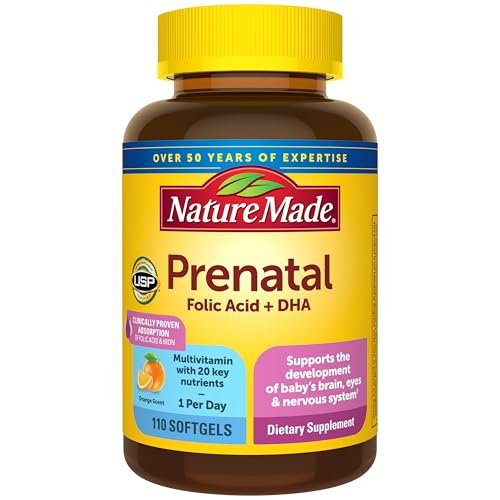
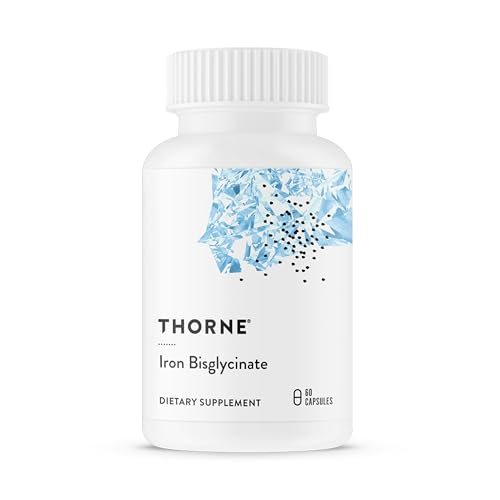
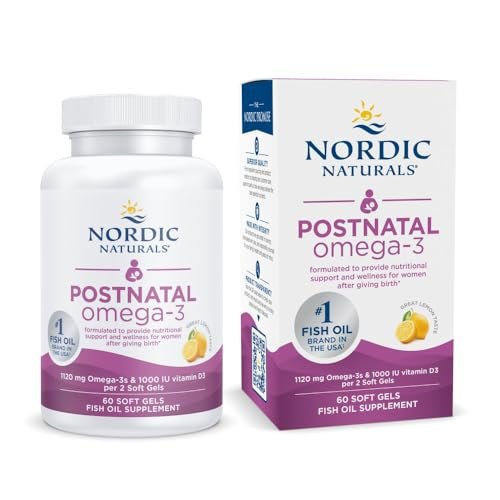
As an Amazon Associate, I earn from qualifying purchases. Product recommendations are based on real reviews and independent research.
