
Collagen is one of those supplements that sounds simple – until you try to buy it. The best collagen supplements depend on your goal (skin, joints, hair, nails), the collagen type (marine vs bovine vs multi-collagen), and whether the product uses hydrolyzed peptides at a clinically realistic dose. This article breaks down what matters on a label, what research suggests you can expect in 8 to 12 weeks, and how to choose between powders, capsules, and ready-to-drink shots without wasting money.
Affiliate disclosure: this article contains affiliate links. As an Amazon Associate, UsefulVitamins.com earns from qualifying purchases at no extra cost to you.
Summary / Quick Answer: What are the best collagen supplements?
The best collagen supplements are typically hydrolyzed collagen peptides (often labeled “collagen peptides”) that deliver about 5 to 15 g daily, come from a transparent source (grass-fed bovine or responsibly sourced marine), and ideally use third-party testing.
Here’s the fast way to choose:
- For skin (elasticity, hydration, fine lines): marine collagen peptides (Type I) at 5 to 10 g/day
- For joints and connective tissue: bovine collagen (Types I and III) or a multi-collagen blend at 10 g/day
- For convenience: liquid “shots” can make daily use easier, but check sugar and additives
- If you want plant-based: “vegan collagen” is usually a collagen builder (amino acids + vitamins/minerals), not true collagen
Quick comparison:
| Your goal | Best match | Typical daily amount | What to look for on label |
|---|---|---|---|
| Skin glow + hydration | Marine collagen peptides | 5-10 g | “Hydrolyzed peptides,” Type I, low additives |
| Joint comfort + training support | Bovine peptides | 10-15 g | Grass-fed source, peptides, simple ingredient list |
| Broad coverage | Multi-collagen | 10-20 g | Clear types + grams per serving, not “proprietary” |
| Plant-based routine | Collagen support blend | Varies | Vitamin C, zinc, amino acids, silica |
How collagen supplements work (and what results are realistic)
If you’ve ever wondered why collagen comes as “peptides,” here’s the practical answer: whole collagen is a large protein, and supplements are usually hydrolyzed – meaning broken into smaller peptides so they’re easier to digest and absorb.
Once absorbed, collagen peptides don’t “go straight to your face” or “find your knees.” Instead, they supply amino acids and peptide signals that may support collagen production and extracellular matrix activity in skin and connective tissue. That’s why consistency matters more than timing hacks.
What the research suggests you can expect
Human trials most often report changes after 8 to 12 weeks of daily use. Improvements, when they happen, tend to be modest but noticeable, especially for skin hydration and elasticity. A helpful starting point is the pattern seen across clinical trials summarized in reviews like those indexed on PubMed’s collagen peptide research listings, where many studies use 2.5 g to 10 g daily.
For joints, evidence looks strongest in active populations. Some trials suggest collagen supplementation may support joint comfort and function during training, but effects vary by baseline pain, activity level, and product formulation.
The “collagen + vitamin C” question
Vitamin C is required for collagen synthesis, so pairing collagen with a vitamin C-rich meal is a reasonable, low-effort habit. You don’t need a special “collagen window,” but you do need consistency. If you’re unsure how to combine products without overdoing it, UsefulVitamins’ supplement stacking guide explains a safe way to build a routine.
Visual checklist: realistic expectations timeline
| Time using collagen | What you might notice | What usually won’t happen |
|---|---|---|
| 1-2 weeks | Better routine consistency, maybe improved hydration if you’re also drinking more | “Instant” wrinkle removal |
| 4-8 weeks | Early skin texture changes in some people | Major joint changes for everyone |
| 8-12 weeks | Most commonly reported window for skin elasticity/hydration changes | Permanent results without ongoing use |
Actionable takeaway: choose a product you can take daily for 8 to 12 weeks, then reassess with photos or notes.
Best collagen supplements by type: marine vs bovine vs multi-collagen vs “vegan”
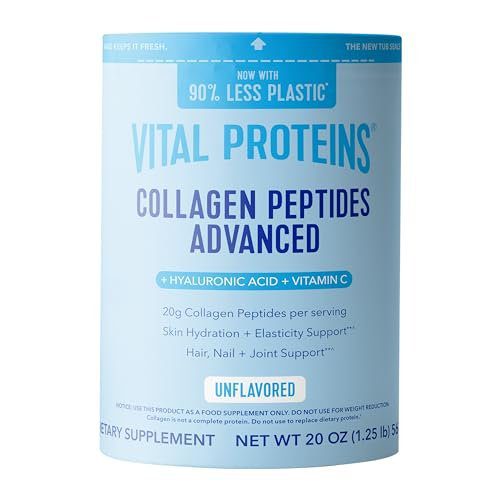
Vital Proteins Collagen Peptides Powder Advanced with Hyaluronic Acid & Vitamin C, 20oz Collagen Protein, Unflavored, 27 Servings
Vital Proteins Collagen Peptides Powder Advanced with Hyaluronic Acid & Vitamin C comes in a 20oz unflavored tub with 27 servings, formulated for skin and joint support from grass-fed sources. Users report it mixes easily into hot or cold drinks, with benefits like softer skin texture, stronger nails, and less joint discomfort, though results are often subtle and take weeks to show. It’s pricier than generics and some note mild digestive issues or a faint taste.
Choosing collagen is less about “top rated” and more about matching the collagen type to your goal and dietary needs. The three most common categories are marine, bovine, and multi-collagen blends. “Vegan collagen” is different – it’s usually not collagen at all.
Marine collagen (Type I): often chosen for skin
Marine collagen is typically sourced from fish skin or scales and is rich in Type I collagen, the dominant collagen type in human skin. Many clinicians and reviewers favor it for beauty goals because marine peptides are often lower molecular weight, which may support absorption.
In roundups from independent testers such as BBC Good Food’s tried-and-tested collagen guide, marine options frequently rank well for mixability and taste. Doctor-led reviews like Darwin Nutrition’s collagen comparison also tend to score marine products highly for “skin-first” use cases.
Best fit if you want:
- Skin hydration and elasticity support
- A lighter-tasting powder or sachet
- Type I emphasis
Watch-outs:
- Fish allergy risk
- Sustainability and sourcing transparency (look for clear origin statements)
Bovine collagen (Types I and III): common for joints and connective tissue
Bovine collagen is usually sourced from cattle hide and often contains Types I and III, which are common in skin and connective tissue. Many people choose bovine collagen when their main goal is joint support, training recovery, or a more budget-friendly daily powder.
If you want a simple routine, bovine powders are often the easiest way to reliably hit 10 g per day without swallowing a handful of capsules.
Multi-collagen blends: broad coverage, but check the dose
Multi-collagen products combine types (often I, II, III, V, X) from multiple sources. They can be convenient if you want “one scoop for everything,” but the biggest issue is transparency. Some blends use a long list of collagen types without enough total grams to matter.
A consumer-facing overview from The Independent’s collagen supplement roundup highlights how multi-collagen powders vary widely in serving size and value.
“Vegan collagen”: usually collagen support, not collagen
There’s no true collagen peptide sourced from plants in the way marine and bovine collagen are sourced. Vegan products are typically amino acids (like glycine, proline, lysine) plus nutrients involved in collagen formation (vitamin C, zinc, copper, silica). They may support skin appearance, but they are not the same as ingesting collagen peptides.
Visual guide: which type matches which goal?
| Type | Source | Common goal | Best for |
|---|---|---|---|
| Marine (Type I) | Fish | Skin | Elasticity, hydration |
| Bovine (Types I, III) | Cattle | Joints + connective tissue | Training support, budget use |
| Multi-collagen | Mixed | Broad | People who want one product |
| Vegan “collagen” | Plant-based nutrients | Support | Those avoiding animal products |
Actionable takeaway: pick the collagen type first, then evaluate brand quality and dose.
How to choose a high-quality collagen powder or pill (label checklist)
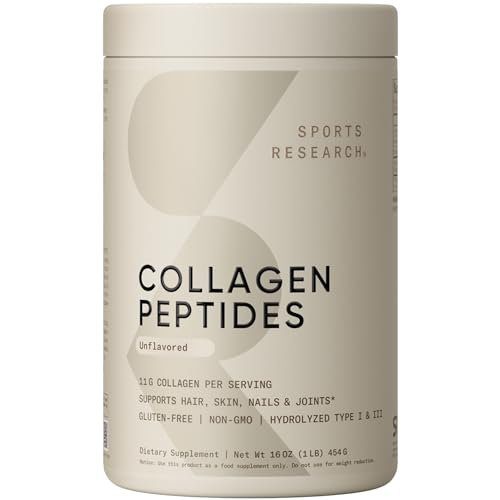
Sports Research Collagen Peptides – Hydrolyzed Type 1 & 3 Collagen Powder Protein Supplement for Healthy Skin, Nails, & Joints – Easy Mixing Vital Nutrients & Proteins, Collagen for Women & Men
Sports Research Collagen Peptides delivers 11g of hydrolyzed Type I & III collagen per scoop with 10g protein in just 40 calories, designed to support skin elasticity, joint function, nail strength, and workout recovery. The unflavored powder mixes cleanly into coffee, tea, smoothies, and other beverages without clumping, and carries third-party certifications for quality.
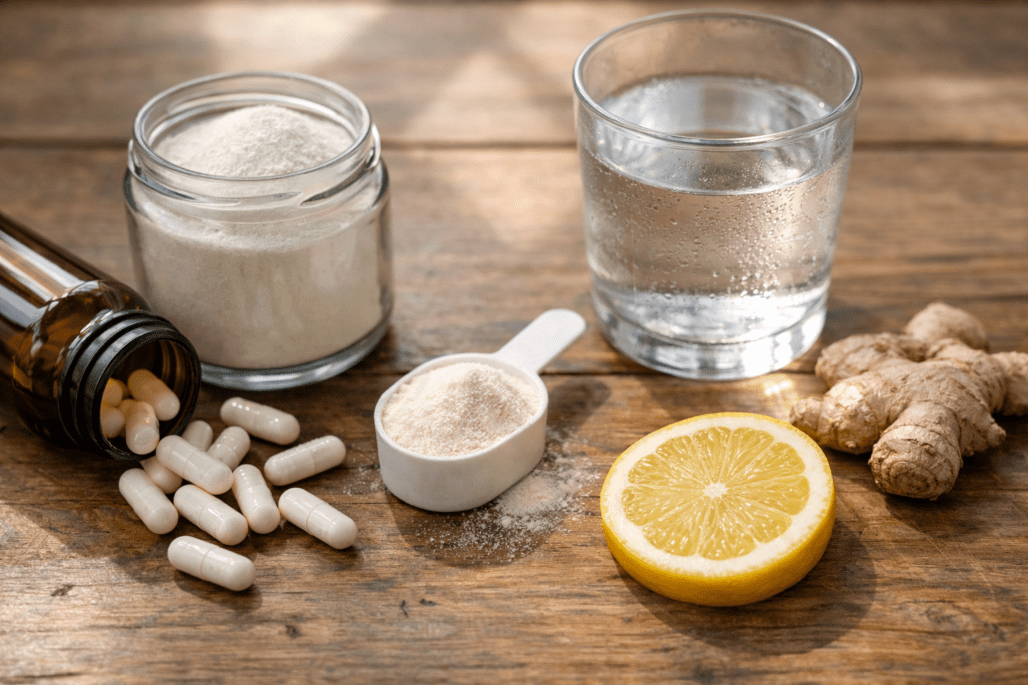
A collagen label can look impressive while still being under-dosed or filled with extras you don’t need. The goal is to find a product that’s simple, transparent, and easy to take consistently.
Start with this: powders generally make it easier to reach effective daily amounts than capsules, because capsule size limits how many grams you can realistically take.
If you want a deeper framework for evaluating products beyond collagen, UsefulVitamins’ guide on how to choose quality supplements is a strong companion read.
The 6-point label checklist (what matters most)
“Hydrolyzed collagen peptides”
This is the form most commonly used in clinical studies.Clear dose in grams (not just “mg” sprinkled in)
Many effective routines land around 5 to 15 g/day. If a capsule serving provides 500 mg to 2,000 mg total, you may be far below typical study dosing unless you take many capsules.Source transparency
Look for “grass-fed bovine” or clearly identified marine sourcing. “Proprietary blend” language is a yellow flag.Third-party testing or quality certifications
Collagen is a processed animal product. Independent testing helps reduce concerns around contaminants and verifies label accuracy. Clean-product discussions like The Good Trade’s guide to cleaner collagen powders emphasize this point.Low added sugar and unnecessary fillers
Flavored powders and ready-to-drink shots can be effective, but check sweeteners and additives if you use them daily.Helpful co-factors (optional, not mandatory)
Vitamin C, zinc, and sometimes hyaluronic acid or biotin can be useful additions. They’re not required, but they can simplify routines for people targeting skin.
Powder vs pills vs shots: which form fits your life?
| Form | Pros | Cons | Best for |
|---|---|---|---|
| Powder | Easy to reach 10 g/day, best value | Mixing, taste | Daily users, budget-focused |
| Capsules | Portable, no mixing | Often under-dosed, costly per gram | Travel, convenience-first |
| Shots/liquid | Fast and easy, no prep | Often pricier, may contain sweeteners | People who struggle with powders |
Actionable takeaway: if you’re choosing between two products, pick the one with the clearer dose and simpler ingredient list – and that you’ll actually take daily.
Dosage, timing, and how to take collagen for best results
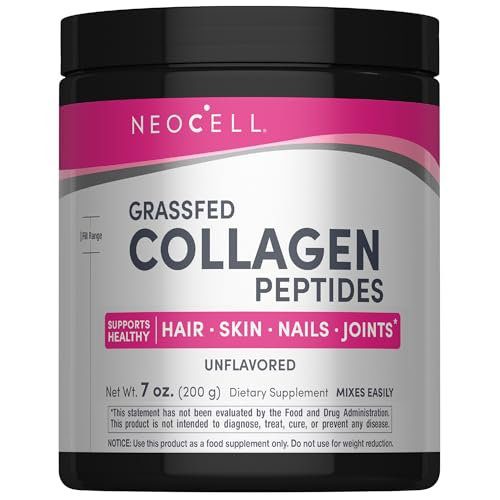
NeoCell Grassfed Collagen Peptides Powder | 7 oz | Unflavored | for Women and Men | Hair, Skin, & Nails
NeoCell’s grassfed collagen peptides deliver 20 grams of collagen per serving in an unflavored powder that mixes easily into hot or cold beverages. Users report improvements in skin elasticity and hydration, along with benefits for hair, nails, and joint comfort with consistent use.
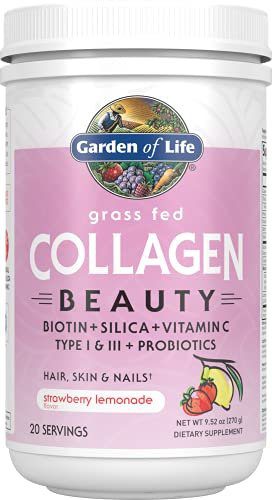
Garden of Life Grass Fed Collagen Beauty – Strawberry Lemonade, 20 Servings, Powder for Women Men Hair Skin Nails, Hydrolyzed Collagen Peptides Protein Powder Supplement
Garden of Life Grass Fed Collagen Beauty in Strawberry Lemonade flavor provides 12g hydrolyzed collagen peptides per serving from grass-fed sources, targeted at hair, skin, and nails for women and men. It includes biotin, silica, vitamin C, and probiotics in a 20-serving powder that mixes into drinks. This makes it a straightforward pick for beauty-focused collagen use.
Most people don’t fail with collagen because they chose the “wrong” brand. They fail because they take it inconsistently, take too little to matter, or expect instant changes.
How much collagen should you take?
Many commonly recommended ranges cluster around 5,000 mg to 20,000 mg (5 to 20 g) daily, depending on the goal and product format. In consumer guidance and brand comparisons, 5 to 10 g/day is frequently positioned for skin-focused routines, while 10 g/day and above is common for broader connective tissue support.
The practical sweet spot for most people:
- Skin-focused: 5 to 10 g/day
- Joints/training: 10 to 15 g/day
- Multi-collagen blends: aim for at least 10 g/day total collagen
When should you take it?
Timing matters less than consistency. That said, there are two common patterns people stick to:
- Morning: stirred into coffee, oats, or a smoothie
- Evening: mixed into yogurt or a bedtime drink
If you want a timing breakdown with pros and cons, see UsefulVitamins’ guide on the best time to take collagen.
Should you take collagen with vitamin C?
Yes, it’s a sensible pairing. Vitamin C supports collagen synthesis, and it’s easy to combine collagen with:
- citrus fruit
- berries
- kiwi
- bell peppers
- a small vitamin C supplement if your diet is low
Visual: simple “collagen routine builder”
- Choose your form
- Powder if you want the easiest path to 10 g/day
- Capsules if you need portability
- Shots if you need zero-prep
- Choose your anchor habit
- Coffee, breakfast, or post-workout shake
- Commit to a trial period
- 8 to 12 weeks, then evaluate
Actionable takeaway: pick a dose you can repeat daily, attach it to an existing habit, and reassess at week 8 with consistent lighting/photos.

Safety, who should be cautious, and common myths
Collagen is generally well-tolerated for many adults, but “natural” doesn’t automatically mean “risk-free.” The biggest safety issues tend to be ingredient-related (allergens, additives) and expectation-related (using collagen instead of addressing a medical issue).
Who should be cautious?
Consider extra caution or professional guidance if you:
- have a fish allergy (marine collagen)
- are pregnant or breastfeeding (limited supplement-specific data)
- have kidney disease or are on a protein-restricted diet
- take multiple supplements and want to avoid nutrient excess (for example, vitamin A in some beauty blends)
For skin concerns like dryness, texture changes, or acne-adjacent inflammation, collagen may be one piece of a bigger plan. UsefulVitamins’ overview of supplements for skin health can help you compare collagen with options like omega-3s, zinc, and ceramides.
Common myths that lead to bad purchases
Myth 1: “All collagen is the same.”
Type, source, dose, and testing standards vary. A cheap product can be fine, but only if it’s transparent and properly dosed.
Myth 2: “Vegan collagen works exactly like marine or bovine collagen.”
Plant-based products can support collagen formation nutrients, but they typically do not provide collagen peptides.
Myth 3: “More is always better.”
Going from 10 g to 20 g may not double results. It may just double cost and inconvenience.
Myth 4: “You’ll see results in a week.”
Most visible skin changes reported in studies show up after 8+ weeks of daily use.
Visual: quick “myth vs reality” table
| Myth | Reality | What to do instead |
|---|---|---|
| Any collagen will work | Dose and form matter | Aim for 5-15 g peptides |
| Capsules are easiest | Often under-dosed | Use powder unless travel-only |
| Vegan collagen = collagen | Usually a builder blend | Set expectations, check ingredients |
| Results are instant | Often 8-12 weeks | Track progress, be consistent |
Actionable takeaway: treat collagen like a structured trial – pick one product, one dose, one routine, and measure outcomes.
Taking this alongside other products? StackMyMed (our companion app) logs your full stack, finds the optimal timing for each dose, and flags interactions, so you are not tracking it all by hand.
Conclusion
The best collagen supplements are the ones that match your goal, provide hydrolyzed peptides at a realistic daily dose, and fit your routine for at least 8 to 12 weeks. Marine collagen is often chosen for skin-first goals, bovine collagen is a common pick for joints and connective tissue, and multi-collagen blends can work if the label clearly shows enough grams per serving.
Next step: decide whether you’re optimizing for skin, joints, or convenience, then use the label checklist to narrow your options. For related guidance, compare collagen with other supplements for skin health and use the supplement stacking guide to keep your routine simple and safe.
As an Amazon Associate, I earn from qualifying purchases. Product recommendations are based on real reviews and independent research.
