
If you’re searching for the best iron supplements, you’re probably dealing with fatigue, low ferritin labs, heavy periods, pregnancy needs, or a plant-forward diet that makes it harder to keep iron levels up. The right product can make a noticeable difference – but only if it’s the right form, dose, and timing for your body. This article breaks down which iron types tend to absorb best, which are gentlest on digestion, how to choose a trustworthy brand, and how to take iron so it actually works (without common mistakes that sabotage absorption).
Affiliate disclosure: this article contains affiliate links. As an Amazon Associate, UsefulVitamins.com earns from qualifying purchases at no extra cost to you.
Summary / Quick Answer
The best iron supplements are usually the ones you can tolerate consistently and absorb well – most often ferrous bisglycinate (a gentle chelated form), ideally paired with vitamin C and verified by third-party testing.
Here’s the quick “pick the right one” guide:
- Most people (best balance): ferrous bisglycinate, 18-28 mg elemental iron
- Confirmed deficiency anemia (short-term): often 45-65 mg elemental iron, guided by labs and clinician advice
- Sensitive stomach: bisglycinate or a lower dose taken every other day
- Trouble swallowing pills: liquid iron (often ferrous gluconate) or an oral spray
- Best absorption habits: take away from calcium, antacids, tea/coffee; consider vitamin C
- Safety check: avoid long-term high dosing unless labs show you need it
Best iron supplements: how to choose the right form, dose, and brand
A lot of frustration with iron comes from one issue: people buy “iron” as if it’s one ingredient, when it’s really a whole category of compounds with different absorption and side-effect profiles. Think of it like shoes – the “best” pair depends on where you’re walking and what hurts.
Start with the form: what “elemental iron” really means
Supplement labels list a compound (like ferrous sulfate), but what matters most is elemental iron – the actual amount of iron your body can use.
Common forms you’ll see:
| Form (compound) | Typical feel | Why people choose it | Common downside |
|---|---|---|---|
| Ferrous bisglycinate | Gentle | Often well-tolerated and absorbable | Usually pricier |
| Ferrous sulfate | Strong but harsh | Budget-friendly, commonly prescribed | More nausea/constipation |
| Ferrous gluconate | Milder | Often used in liquids | Lower elemental iron per dose |
| Liposomal iron | Often gentle | Designed for tolerability | Quality varies by brand |
Many expert roundups now prioritize bisglycinate and newer delivery systems for tolerability, including reviews from BBC Good Food’s supplement testing, Fortune’s product roundup, and Healthline’s evidence-based guide.
Dose: match it to your goal (not your anxiety)
Iron needs vary a lot by life stage. According to the NIH Office of Dietary Supplements iron fact sheet, the RDA is:
- 8 mg/day for adult men
- 18 mg/day for menstruating adults
- 27 mg/day during pregnancy
Supplement products often range from 15 mg to 65 mg per serving. That can be appropriate – but only when it matches your labs and symptoms.
A practical dosing guide (general education, not personal medical advice):
- Low iron stores (low ferritin, mild symptoms): 18-28 mg/day is a common starting point
- Iron deficiency anemia: clinicians often use higher doses short-term, then reassess after a few months
- Maintenance after repletion: a lower dose or food-first approach may be enough
Brand quality: what matters more than “top-rated”
Since iron is a mineral, contamination and accuracy matter. Favor brands that clearly state:
- Elemental iron amount per serving
- Form (bisglycinate vs sulfate, etc.)
- Third-party testing (USP, NSF, or comparable)
If you want a deeper checklist for evaluating labels and testing claims, see Supplement Quality Indicators.
Quick shortlist of “who this is for” categories
Instead of chasing a single “best,” decide which bucket you’re in:
- Gentle daily support: bisglycinate, moderate dose
- Budget + higher dose: sulfate (but plan for side effects)
- Digestive sensitivity: lower dose, alternate-day dosing, or liquid
- Pregnancy-specific: prenatal formulas that also cover folate and B12
Iron deficiency: symptoms, risk groups, and when supplements make sense
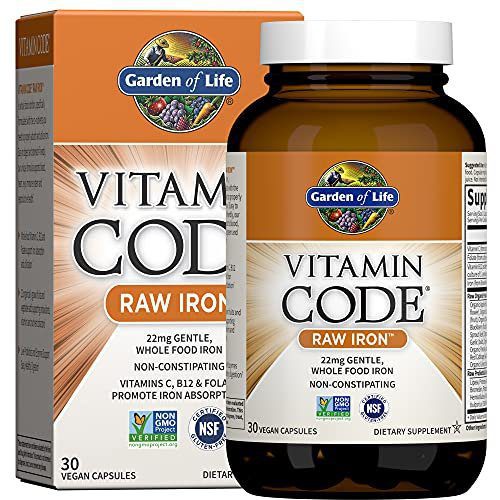
Garden of Life Vitamin Code Raw Iron Supplement – 30 Vegan Capsules, 22mg Once Daily Iron, Vitamins C, B12, Folate, Fruit, Veggies & Probiotics, Iron Supplements for Women, Energy & Anemia Support
Garden of Life Vitamin Code Raw Iron delivers 22mg of gentle, whole food iron in 30 vegan capsules, taken once daily, with vitamins C, B12, folate, a blend of fruits and veggies, and probiotics for absorption and digestion support. It’s formulated for energy, anemia, blood health, and immunity as a stomach-friendly option for women. Ratings, reviews, and pricing data are unavailable from current sources.
Iron deficiency is common worldwide, and it does not always show up as “classic” anemia right away. Low iron stores can quietly build for months, then suddenly you feel like your energy has been unplugged.
Globally, iron deficiency affects a large share of the population, especially menstruating individuals, pregnant people, and those with limited heme-iron intake. Many people first notice symptoms, not numbers.
Symptoms that often point to low iron
Not everyone gets the same signs, but common ones include:
- Fatigue that sleep does not fix
- Shortness of breath with normal activity
- Pale skin or inner eyelids
- Headaches, dizziness
- Restless legs
- Hair shedding (multifactorial, but iron can be part of it)
Here’s a quick “symptom-to-next-step” visual:
| If you notice… | Consider… | Next step |
|---|---|---|
| Persistent fatigue + heavy periods | Low ferritin | Ask for ferritin + CBC |
| Fatigue + thyroid meds | Timing interference | Review Fatigue Iron Thyroid Meds |
| Restless legs + low-normal iron | Low stores | Discuss ferritin target with clinician |
| Pregnancy fatigue | Higher needs | Prenatal iron review + labs |
Who’s at higher risk (and why)
Iron loss or low intake is usually the driver. Higher-risk groups include:
- Heavy menstrual bleeding (a common, overlooked cause)
- Pregnancy and postpartum (higher demand, blood volume changes)
- Vegetarians/vegans (non-heme iron is harder to absorb)
- GI conditions (celiac disease, IBD, bariatric surgery history)
- Endurance athletes (losses via sweat, GI stress, and foot-strike hemolysis)
Lab markers that guide smarter supplement choices
Two people can take the same pill and get different results because their baseline status differs.
Clinicians often look at:
- Hemoglobin/hematocrit (CBC): screens for anemia
- Ferritin: reflects iron stores (low ferritin strongly suggests deficiency)
- Transferrin saturation (TSAT): helps refine the picture
If you’re self-starting an iron supplement, it’s still worth getting labs soon after. It helps you avoid taking too much for too long.
When supplements are appropriate (and when they are not)
Supplements tend to make the most sense when:
- Diet alone cannot meet needs quickly (pregnancy, heavy periods)
- Labs show low ferritin or anemia
- Symptoms align and other causes have been checked
They’re less appropriate as a casual “energy booster.” Too much iron can be harmful, and long-term high intake can raise toxicity risk. The NIH notes a Tolerable Upper Intake Level (UL) of 45 mg/day for adults from supplements and fortified foods, unless a clinician is treating a diagnosed deficiency.
How to take iron for maximum absorption (and fewer side effects)
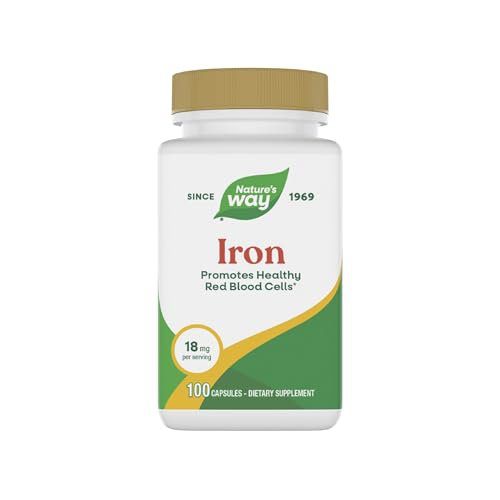
Nature’s Way Iron, Promotes Healthy Red Blood Cells*, 18 mg from Iron Gluconate Per Serving, Gluten Free, 100 Capsules (Packaging May Vary)
Nature’s Way Iron, 18 mg from Iron Gluconate, 100 Capsules is described by the manufacturer as promoting healthy red blood cells, with customer reviews for similar Nature’s Way iron products noting effectiveness for restoring iron levels, improving energy, and being gentle on the stomach; however, data is limited to other formulations like softgels and liquid, with one low-rated high strength version found, limiting a full recommendation.
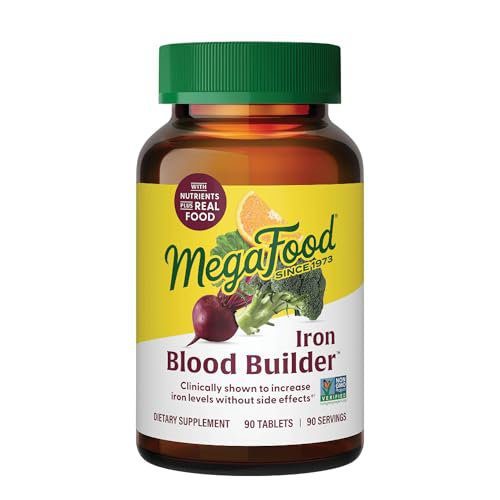
MegaFood Blood Builder Iron Supplement for Women & Men – Increase Iron Levels Without Side Effects – Combats Fatigue – with Vitamin B12, Folic Acid & Vitamin C for Absorption – Vegan – 90 Tablets
MegaFood Blood Builder provides 90 vegan tablets of iron from whole foods like beets and oranges, paired with vitamin B12, folic acid, and vitamin C to aid absorption and support energy without common stomach issues. It’s formulated to raise iron levels gently, suitable for vegans, women, men, and those combating fatigue. Clinical data backs its tolerability over eight weeks.
The most effective iron supplement is the one you can actually take consistently. Absorption and tolerance often matter more than chasing the highest milligram number.
The absorption rules that move the needle
Iron absorption is easily blocked. The biggest wins usually come from timing.
Do:
- Take iron with vitamin C (food or supplement). Vitamin C can improve non-heme iron absorption.
- Take it away from inhibitors when possible.
Avoid taking iron at the same time as:
- Calcium supplements or dairy
- Antacids or acid-reducing meds (ask your clinician if you need spacing)
- Tea/coffee (polyphenols and tannins reduce absorption)
- High-fiber bran cereals right at dosing time
A simple timing chart:
| Goal | Best timing | Why |
|---|---|---|
| Max absorption | Empty stomach + vitamin C | Less competition, better uptake |
| Less nausea | With a small snack | Improves tolerance |
| Less constipation | Lower dose or alternate-day | Often easier on GI tract |
If you’re on thyroid medication, timing becomes especially important because iron can interfere with absorption. Use Iron Thyroid Medication Timing to set safe spacing.
You can also plug your supplement list into the Supplement Timing Optimizer to reduce conflicts.
Should you take iron daily or every other day?
Some people do better with alternate-day dosing, especially if they get constipation or nausea. Research on iron regulation suggests that spacing doses can improve fractional absorption for certain individuals, and it often improves adherence because side effects drop.
A practical approach many clinicians use:
- Start with 18-28 mg (gentle form if possible)
- If tolerated, increase only if labs and symptoms justify it
- Recheck labs in ~8-12 weeks (or per clinician plan)
Side effects: what’s normal vs what’s a red flag
Common, non-dangerous side effects:
- Constipation
- Dark stools
- Mild nausea
Helpful strategies:
- Switch from sulfate to bisglycinate
- Reduce dose and build up slowly
- Consider a liquid form if tablets bother you
- Hydration + fiber from foods (not piled right onto dosing time)
Red flags that need medical advice:
- Severe abdominal pain
- Vomiting
- Signs of overdose (especially dangerous for children)
Iron supplements should be stored safely out of reach. Accidental ingestion is a major safety concern.
Food vs supplements: use both strategically
Food is still your foundation. Heme iron (from meat/seafood) is absorbed more efficiently than non-heme iron (from plants). If you eat plant-forward, pair iron sources with vitamin C-rich foods.
Quick meal pairings:
- Lentils + bell peppers
- Spinach + citrus dressing
- Beans + tomatoes
- Fortified cereal + strawberries (but avoid taking your pill with calcium milk)
Comparing iron supplement types and “top picks” by need (not hype)
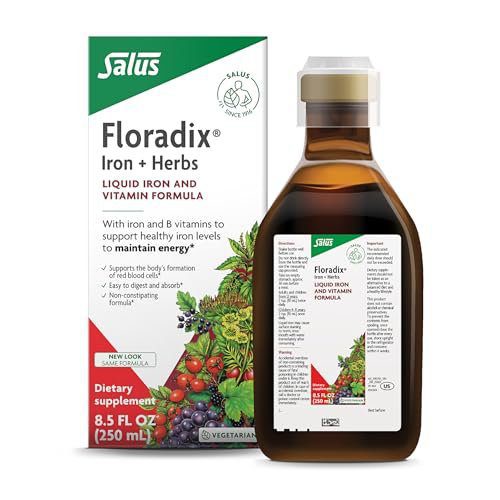
Floradix Iron & Herbs – Liquid Herbal Supplement for Energy Support – Iron Supplement with Vitamin C & Vitamin B Complex – for Men & Women – 8.5 fl oz
Floradix Iron & Herbs is a liquid herbal supplement with 10 mg iron from ferrous gluconate per serving, plus vitamin C from rose hips and B complex vitamins, in an 8.5 fl oz bottle for men and women. It’s suitable for those who have trouble swallowing pills. The vegetarian formula includes herbal extracts and fruit juices for easier digestion and absorption.
People often ask for brand names, but the more useful question is: Which type fits your body and your goal? Below is a practical comparison based on common evidence-based selection criteria used in expert reviews, including GoodRx’s clinical overview of iron products and physician-led quality discussions like a doctor’s guide to iron supplement standards.
Quick comparison table: match the product style to the problem
Use this as a decision tool, not a prescription.
| If you need… | Look for… | Typical elemental iron range | Why it helps |
|---|---|---|---|
| Best overall balance | Ferrous bisglycinate + quality testing | 18-28 mg | Often absorbs well with fewer GI issues |
| Budget higher-dose option | Ferrous sulfate | 45-65 mg | Commonly used for deficiency, but harsher |
| Gentlest routine | Low-dose bisglycinate | 15-25 mg | Easier adherence, fewer side effects |
| Pill-free option | Liquid (often gluconate) or oral spray | 10-20 mg | Useful for swallowing issues or sensitive stomach |
| Vegan-friendly | Chelated iron + vitamin C | 18-28 mg | Supports non-heme absorption patterns |
| Pregnancy-focused | Prenatal with iron + folate/B12 | 18-27 mg (varies) | Covers higher needs and common co-nutrients |
What to look for on the label (a fast checklist)
Before you buy, check:
- Elemental iron clearly stated (not just compound weight)
- Form listed (bisglycinate, sulfate, gluconate)
- Dose per serving that matches your goal
- Third-party verification where possible
- Added vitamin C (helpful, not mandatory if diet provides it)
If you’re also choosing a multi, compare your baseline coverage first. Many multivitamins include iron, but not always in an effective dose. See Best Multivitamins Comparison to avoid doubling up unintentionally.
Common myths that lead to wasted money (or worse)
A few misconceptions show up repeatedly:
- “More iron is always better.” Not true. High-dose, long-term use can be harmful without a diagnosed need.
- “All iron pills are the same.” Form matters. Many people tolerate bisglycinate better than sulfate.
- “Gummies and sprays can’t work.” Some can be effective for adherence, but quality and dose vary widely.
- “Supplements replace diet.” They’re usually a bridge, not a permanent substitute.
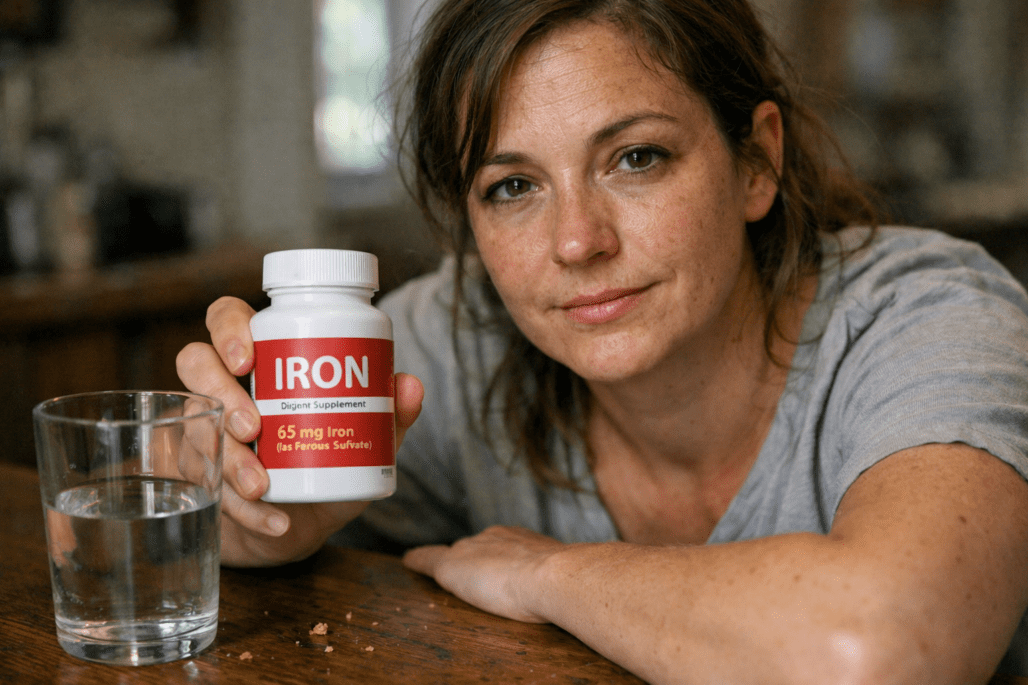
If you take more than one mineral or supplement, StackMyMed (our companion app) tracks your true daily totals and schedules each dose around its food and spacing rules.
Conclusion: the smartest way to pick (and use) iron
The best iron supplements are the ones that fit your labs, your symptoms, and your digestion – not the ones with the biggest number on the front label. For many people, ferrous bisglycinate in a moderate dose is a strong starting point, especially when taken with vitamin C and spaced away from common blockers like calcium, tea/coffee, and antacids.
A practical next step: confirm your baseline with ferritin and a CBC, then choose a form you can tolerate for 8-12 weeks before rechecking. And if you take thyroid medication, timing is not optional – use Iron Thyroid Medication Timing to avoid absorption conflicts.
For related guidance, see Supplement Quality Indicators and the Supplement Timing Optimizer to build a routine that actually works.
As an Amazon Associate, I earn from qualifying purchases. Product recommendations are based on real reviews and independent research.
