
Brain fog can feel like trying to think through wet cement – you’re awake, but your focus, recall, and mental speed don’t cooperate. The best supplements for brain fog aren’t “miracle brain pills.” They’re targeted tools that work best when brain fog is tied to common issues like low vitamin D, low B12/folate, poor omega-3 intake, stress, or aging-related changes. This article breaks down what research actually supports, which supplements are worth considering, typical study doses, and how to choose safely so you don’t waste money or miss a fixable deficiency.
Affiliate disclosure: this article contains affiliate links. As an Amazon Associate, UsefulVitamins.com earns from qualifying purchases at no extra cost to you.
Summary / Quick Answer: Best Supplements for Brain Fog (Evidence-Based Picks)
If you want the best supplements for brain fog, prioritize options with human evidence and a clear “why” (deficiency, low intake, age, or stress pattern).
Most supported options (best fit in parentheses):
- Omega-3s (EPA/DHA): may support memory, attention, and brain blood flow (low fish intake, older adults, higher risk)
- Vitamin D: may improve cognitive test performance when levels are low (confirmed deficiency)
- B vitamins (B12, folate, B6): may help when deficient and may support brain structure over time (low/normal-low labs, vegan/vegetarian, older adults)
- Daily multivitamin: modest benefit in adults 60+ in a large trial (older adults, diet gaps)
- L-theanine + caffeine: may improve focus and calm alertness (stress-related fog)
- Phosphatidylserine or benfotiamine: promising but not “first-line” (age-related decline, specialist-guided use)
Quick rule: If brain fog is new, severe, or paired with mood changes, sleep issues, or medication changes, start with a clinician check and basic labs before stacking supplements.
Why brain fog happens (and when supplements actually help)
Brain fog isn’t a diagnosis. It’s a cluster of symptoms – mental fatigue, slow thinking, forgetfulness, and poor concentration. The tricky part is that many different inputs can create the same “hazy” output.
Think of cognition like a phone with too many apps open. Supplements can help only if they address the app that’s draining your battery. If the real issue is sleep apnea, thyroid disease, anemia, depression, perimenopause, long COVID, or a medication side effect, a supplement won’t fix the root cause.
Common drivers that can look like “brain fog”
Here are patterns clinicians often see behind mental clarity complaints:
- Nutrient gaps: vitamin D, B12, folate, iron, magnesium, zinc
- Under-fueling: low protein, low omega-3 intake, very low-calorie dieting
- Sleep debt: short sleep, poor sleep quality, inconsistent schedule
- Stress load: high cortisol, rumination, anxiety, burnout
- Blood sugar swings: long gaps between meals, high refined-carb patterns
- Aging + mild cognitive impairment (MCI): slower processing and recall changes
A reality check on “brain supplement” marketing
A lot of products target fear: “memory loss,” “dementia prevention,” “instant focus.” But major medical voices remain cautious.
For example, Harvard clinicians have warned consumers not to overbuy “brain health supplements” due to limited proof for many popular ingredients, especially in otherwise healthy people, as discussed in a Harvard Health review on brain supplements. Similarly, consumer-focused guidance from the AARP Global Council on Brain Health emphasizes that evidence is mixed and benefits are often situation-specific.
Visual: “Should I supplement?” decision map
Use this quick map before you buy:
- Is brain fog new or worsening fast?
- Yes: rule out medical causes first.
- Do you have diet gaps (fish, leafy greens, fortified foods) or risk factors (age 60+, vegan, low sun exposure)?
- Yes: targeted supplements may help.
- Have you checked basic labs (D, B12, folate, iron/ferritin, thyroid)?
- No: testing often saves time and money.
- Are you sleeping 7+ hours and moving most days?
- No: fix these first – they often outperform pills.
Actionable takeaway: Supplements are most likely to work when they correct a measurable deficiency or clear dietary shortfall.
Best supplements for brain fog: what the research supports most
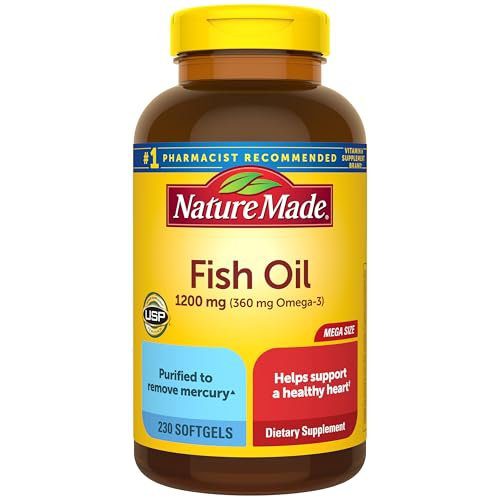
Nature Made Omega-3 Fish Oil 1200 mg, 90 Softgels
Nature Made Omega-3 Fish Oil 1200 mg (360 mg EPA/300 mg DHA per 2-softgel serving) is a top-rated, USP-verified option with 4.7 stars from 24K+ Amazon reviews, offering excellent purity and no fishy burps at a budget-friendly $14.99 for 90 softgels (45 servings)—ideal for heart health support and highly recommended for everyday use.
Not all “cognitive supplements” are equal. The strongest evidence tends to cluster around foundational nutrients that the brain relies on daily: omega-3 fats, vitamin D, and key B vitamins. Multivitamins also have surprising data in older adults.
This section focuses on supplements with the most credible human evidence, plus who they’re best for and how to use them intelligently.
1) Omega-3 fatty acids (EPA/DHA)
Omega-3s (especially DHA) are structural fats in brain cell membranes. If your diet is low in fatty fish, your baseline intake may be too low to support optimal brain function.
Reviews summarized in consumer-clinical roundups suggest omega-3s may support learning, memory, attention, and cerebral blood flow, with benefits most noticeable in low-intake or at-risk groups, as discussed in a GoodRx evidence-based overview of brain supplements.
Practical dose range used in studies: often 1 to 2 g/day combined EPA+DHA.
Best fit: low fish intake, adults concerned about age-related changes, family history risk.
How to choose:
- Look for a label listing EPA and DHA amounts, not just “fish oil.”
- Prefer products with third-party testing (purity and oxidation).
Safety notes: Omega-3s can increase bleeding risk at higher doses, especially with anticoagulants. Discuss with your clinician if you take blood thinners or have surgery planned.
2) Vitamin D (when you’re low)
Vitamin D receptors exist in brain tissue, and deficiency is common, especially with low sun exposure. In deficient individuals, supplementation has been linked to improvements in several cognitive domains.
A clinical trial summarized in a large review found that vitamin D (50,000 IU every 2 weeks for 24 weeks) improved measures like verbal fluency and working memory in deficient adults, reported in a 2024 review hosted on PubMed Central.
Best fit: people with confirmed low 25(OH)D, limited sun exposure, darker skin living in northern latitudes, older adults.
Smarter next step: Ask for a 25(OH)D blood test before high-dose protocols. Many people do well with clinician-guided daily dosing once levels are known.
3) B vitamins: B12 + folate (and sometimes B6)
B12 and folate help with methylation and homocysteine regulation, both relevant to brain health. If you’re deficient, symptoms can include fatigue, poor concentration, and memory issues.
In mild cognitive impairment, folic acid 400 mcg/day for 24 months has been associated with improved cognitive outcomes and reduced amyloid-beta markers in the same PubMed Central review of cognition-focused trials.
Best fit: vegans/vegetarians (B12 risk), adults 50+, people on metformin or acid reducers, those with low/low-normal B12 or folate.
If you want a deeper guide to forms, dosing logic, and who should avoid certain versions, see our explainer on vitamin B complex.
4) Daily multivitamin (especially for adults 60+)
A large Harvard-led trial (COSMOS) found that daily multivitamins modestly slowed cognitive aging by about 2 years in older adults, with a notable effect on episodic memory, discussed in the Harvard Health summary of the COSMOS findings.
Best fit: adults 60+, people with inconsistent diets, those who want a simple baseline rather than a complex stack.
Visual: Evidence snapshot table (most supported)
| Supplement | Best for | What it may support | Evidence strength |
|---|---|---|---|
| Omega-3 (EPA/DHA) | Low fish intake, aging brains | Memory, attention, blood flow | Strong |
| Vitamin D | Deficiency | Working memory, fluency | Moderate (deficiency-focused) |
| B12 + folate | Deficiency, older adults, vegans | Cognition when low | Moderate (deficiency-focused) |
| Multivitamin | Adults 60+ | Modest cognitive aging benefit | Moderate |
Actionable takeaway: If you do only one thing, match the supplement to your likely gap (low omega-3 intake, low D, low B12/folate, or age 60+).
Promising (but not “magic”) options: stress, age-related decline, and focus support
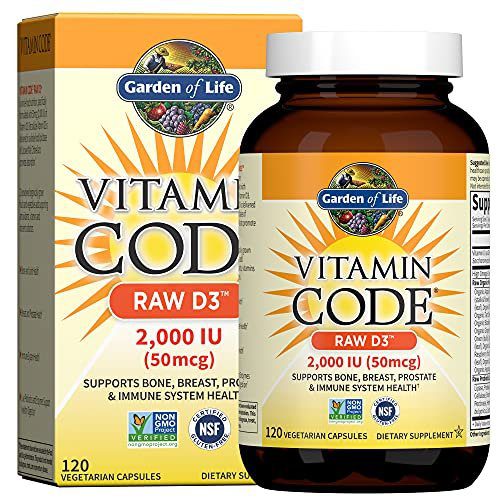
Garden of Life Vitamin D, Vitamin Code Raw D3, Vitamin D 2,000 IU, Raw Whole Food D3 Supplements with Chlorella, Fruit, Veggies & Probiotics for Bone & Immune Health, 120 Vegetarian Capsules
Garden of Life Vitamin Code Raw D3 provides 2,000 IU of whole food vitamin D3 in 120 vegetarian capsules, with chlorella, fruit, veggies, and probiotics. Vitamin D supplements at this dose may help when levels are low, potentially aiding cognitive performance and reducing brain fog tied to deficiency. Matches research on 2,000 IU supporting learning and memory better than other doses in some studies.
After the basics, there are a few supplements with early or mixed evidence that may help specific types of brain fog – especially stress-related “wired but tired” fog or age-related cognitive changes. The key is to treat these as targeted experiments, not forever supplements.
L-theanine (often paired with caffeine)
L-theanine is an amino acid from tea that tends to promote calm without sedation. When paired with caffeine, it may support attention and task performance while reducing jitteriness for some people.
Typical approach:
- L-theanine 100 to 200 mg
- Optional: caffeine 50 to 100 mg (roughly a small coffee)
Best fit: stress-related fog, afternoon crashes, people who feel anxious with caffeine alone.
How to test it well (simple 7-day trial):
- Use the same dose at the same time daily.
- Track focus, anxiety, and sleep onset.
- Stop if sleep worsens – that’s a common failure point.
Phosphatidylserine (PS)
Phosphatidylserine is a phospholipid found in brain cell membranes. Some studies suggest it may support memory and stress response in older adults, but results vary and product quality matters.
Best fit: age-related memory complaints, high stress load.
Benfotiamine (a fat-soluble B1 derivative)
Benfotiamine has been studied for neurological effects and has early data in cognitive decline contexts. In one trial summarized in the PubMed Central review of nutrient trials, benfotiamine 300 mg twice daily for 12 months was associated with slower cognitive decline on a standard Alzheimer’s scale compared with placebo.
Best fit: clinician-supervised use in older adults with cognitive concerns.
Not ideal for: casual “quick fix” use without a clear reason.
What about “nootropics” and mushroom products?
Many readers exploring brain fog supplements also look at broader nootropic categories. Some ingredients may help subjective focus, but regulation and evidence quality vary widely.
If you’re considering that route, start with our research-based overview of nootropic supplements. For mushroom-specific options, see nootropic mushrooms and our roundup of the best mushroom nootropics. If Lion’s Mane is on your shortlist, this guide to Lion's Mane supplements walks through how to evaluate quality and expectations.
Visual: “Match the supplement to the brain fog type”
| Your most common pattern | What to consider first | Why |
|---|---|---|
| “I’m stressed and scattered” | L-theanine (with or without caffeine) | Calmer alertness support |
| “I’m older and noticing decline” | Multivitamin, omega-3, clinician-guided PS or benfotiamine | Aging-related evidence base |
| “I eat healthy but still foggy” | Check D, B12, ferritin, thyroid | Hidden deficiencies are common |
| “I want a nootropic stack” | Start low, one change at a time | Avoid confounding and side effects |
Actionable takeaway: Use “one supplement, one goal, one metric” (focus time, recall, reaction time, or mental fatigue score) for 2 to 4 weeks before adding anything else.
Supplements that are overhyped for brain fog (and what to do instead)
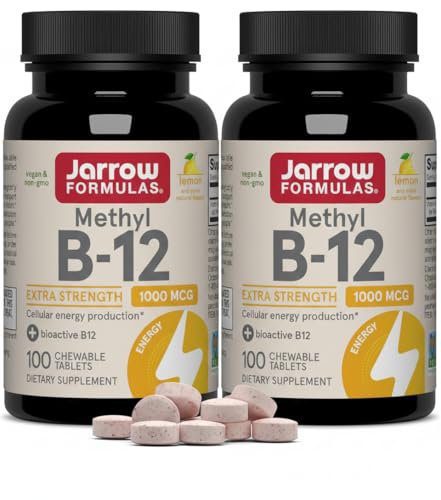
Jarrow Formulas Methyl Vitamin B-12 1000 mcg, 100 Chewable Tablets, Lemon Flavored- Vitamin B12 – Supports Cellular Energy Production, Brain Health & Metabolism – 100 Servings (Pack of 2)
Jarrow Formulas Methyl Vitamin B-12 provides 1000 mcg methylcobalamin per chewable tablet, the active form of B12 linked to brain health and cellular energy in the brain fog discussion. This lemon-flavored pack of two offers 100 chewable tablets each for 200 total servings. It’s a straightforward pick for B12 support without added extras.
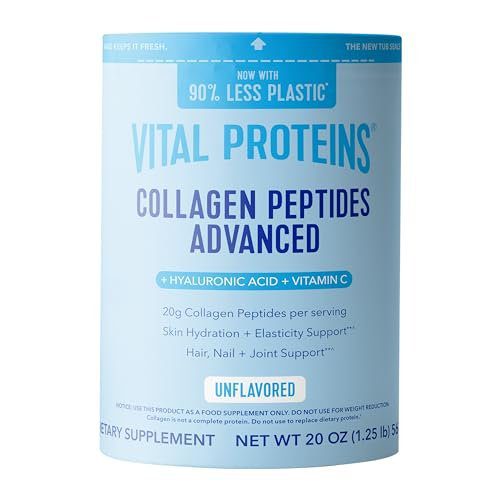
Vital Proteins Collagen Peptides Powder Advanced with Hyaluronic Acid & Vitamin C, 20oz Collagen Protein, Unflavored, 27 Servings
Vital Proteins Collagen Peptides Powder Advanced with Hyaluronic Acid & Vitamin C (20oz, 27 servings) mixes into drinks for collagen support plus skin-hydrating hyaluronic acid and vitamin C. Users report stronger nails, less joint discomfort, and subtle skin improvements like softer texture after consistent use, though results take time. It’s unflavored and dissolves well but carries a premium price tag with occasional digestive adjustment needed.
If you’ve browsed “memory support” aisles, you’ve seen the usual suspects: ginkgo, ginseng, resveratrol blends, and proprietary formulas with bold promises. The problem is that the most convincing studies often fail to show meaningful improvements in real-world cognition for healthy adults.
Medical experts have repeatedly cautioned that no legal supplement ingredient has been proven to prevent cognitive decline in healthy people, and many marketed products rely on small, low-quality studies or outcomes that don’t translate to daily life. That caution is echoed in the Harvard Health review on brain health supplements and a consumer-oriented evidence discussion from the UCLA Health publication on memory supplements.
Common “brain fog supplement” myths
Myth 1: If it’s popular, it must work.
Popularity usually reflects marketing, not evidence. Some widely advertised products have limited independent support, as discussed in the AARP evidence review on supplements and brain health.
Myth 2: More vitamins = more focus.
If you’re already replete, extra B vitamins or high-dose antioxidants rarely improve cognition and may cause side effects.
Myth 3: Herbs like ginkgo are proven memory boosters.
Higher-quality trials and reviews often show minimal or inconsistent effects for many herbal “memory” products, as summarized in a Baptist Health review of supplements for sharpening the mind and a consumer overview from WebMD’s brain supplement slideshow.
Visual: “Red flag” checklist before you buy
If a product:
- Promises dementia prevention or “clinically proven” without naming the study
- Uses a proprietary blend with hidden doses
- Has no third-party testing
- Relies on testimonials instead of outcomes
- Pushes mega-doses far above daily needs
…treat it as a pass, not a maybe.
What to do instead (higher return than most pills)
If your goal is mental clarity, these often beat supplements:
- Sleep consistency (same wake time most days)
- Aerobic exercise (even 20-30 minutes brisk walking)
- Protein at breakfast (reduces late-morning crash)
- Hydration + electrolytes if you sweat a lot
- Fewer ultra-processed carbs when you need sustained focus
Actionable takeaway: If a supplement doesn’t have a clear mechanism, a studied dose, and a reason it fits your situation, it’s probably not worth your time.

How to choose and use brain fog supplements safely (a simple, test-first plan)
The fastest way to waste money is to take five supplements and hope one works. The fastest way to get results is to identify your most likely bottleneck, confirm it when possible, and run a clean trial.
Step 1: Rule out fixable medical causes
Talk with a clinician if brain fog is paired with:
- Sudden onset, headaches, fainting, weakness, or speech changes
- New depression or anxiety
- Heavy snoring or daytime sleepiness (possible sleep apnea)
- Major menstrual changes, hot flashes, or postpartum shifts
- New medications or dose changes
Step 2: Consider basic labs (especially if symptoms persist)
Common tests that often clarify the picture:
- 25(OH)D
- Vitamin B12 (sometimes with MMA)
- Folate
- Iron + ferritin
- TSH (thyroid)
- CBC (anemia clues)
If your labs are normal, that’s still useful. It tells you to focus on sleep, stress, training, and diet patterns rather than chasing deficiencies.
Step 3: Use study-aligned dosing (and avoid “more is better”)
Here are common research-referenced ranges mentioned earlier:
- Omega-3s: 1 to 2 g/day EPA+DHA combined
- Vitamin D (deficient): clinician-guided protocols such as 50,000 IU every 2 weeks in trials, or daily dosing based on labs
- Folic acid: 400 mcg/day in long-term cognitive trials
- Benfotiamine: 300 mg twice daily in a longer trial context
- Multivitamin: daily (older adult trial context)
For people building a B vitamin plan, the safest path is often a balanced formula rather than random single high doses. Our vitamin B complex guide explains how to think about that.
Step 4: Run a clean 2 to 4 week trial
Use one supplement at a time and track one or two outcomes:
- “I can focus for 45 minutes without rereading.”
- “I remember names better.”
- “My afternoon crash is less frequent.”
- “My mental fatigue score dropped from 7/10 to 4/10.”
Visual: Simple supplement trial tracker
| Day | Supplement + dose | Sleep (hrs) | Focus (1-10) | Brain fog (1-10) | Notes |
|---|---|---|---|---|---|
| Mon | Omega-3 1 g | 7.5 | 6 | 7 | Afternoon slump |
| Tue | Omega-3 1 g | 8.0 | 7 | 6 | Better meeting focus |
| Wed | Omega-3 1 g | 6.5 | 5 | 8 | Poor sleep |
Actionable takeaway: If you don’t measure it, you can’t tell if it’s working – or if you’re just having a good week.
If you are stacking a few supplements for this, StackMyMed (our companion app) tracks what you actually take, schedules the best time for each one, and flags any combinations worth a second look.
Conclusion
The best supplements for brain fog are the ones that match your biology and your gaps. Omega-3s, vitamin D (when deficient), B12/folate (when low), and a daily multivitamin for adults 60+ have the most credible support. Options like L-theanine (with caffeine), phosphatidylserine, and benfotiamine can make sense in specific situations, but they’re not universal fixes.
A smart next step is to pick one likely fit, confirm deficiencies when possible, and run a simple 2 to 4 week trial with clear tracking. If you’re exploring broader cognitive stacks, start with our guide to nootropic supplements and, if mushrooms are on your radar, review nootropic mushrooms to set realistic expectations before investing.
As an Amazon Associate, I earn from qualifying purchases. Product recommendations are based on real reviews and independent research.
