
If you’re wondering whether Pure Encapsulations is actually worth the higher price, the short answer is: it can be – if you prioritize clean formulas, strong quality controls, and practitioner-trusted manufacturing. This Pure Encapsulations review breaks down what the brand does differently, where the premium goes, and how to decide if it fits your goals and budget. You’ll also get a practical checklist for choosing the right product (and dose) so you’re not paying extra for something you don’t need.
Affiliate disclosure: this article contains affiliate links. As an Amazon Associate, UsefulVitamins.com earns from qualifying purchases at no extra cost to you.
Summary / Quick Answer: Is Pure Encapsulations worth it?
Pure Encapsulations is often worth the premium for people who want allergen-conscious, “clean” supplements and tighter quality standards, but it may be overkill if cost is your top priority. Here’s the quick take from this Pure Encapsulations review:
Best for
- People sensitive to common allergens or unnecessary additives
- Those who prefer practitioner-recommended brands
- Buyers who value extensive testing and consistent manufacturing
Not ideal for
- Anyone seeking the lowest-cost option for basic nutrients
- People who do not need high-potency formulas (some products run “strong”)
What to look at before buying
- Dose vs your needs (especially B vitamins, magnesium, fat-solubles)
- Third-party retailer reliability (shipping and storage can matter)
- Whether a single nutrient beats a complex blend for your goal
Decision shortcut
- If you want a premium “clean label” brand: likely yes
- If you want the cheapest adequate option: likely no
What makes Pure Encapsulations a “premium” supplement brand?
A premium supplement isn’t automatically better. The real question is whether the brand’s extra steps match the problems you’re trying to avoid – like inconsistent potency, hidden fillers, or poorly stored products.
Pure Encapsulations has been around for decades and offers a very large catalog (hundreds of formulas). It’s also widely used in practitioner settings, which matters because clinicians tend to avoid brands that generate frequent complaints or inconsistent results. A practitioner-facing overview from Village Green Apothecary’s brand write-up describes how commonly the line is carried and recommended in clinical practice.
But “recommended by physicians” should never be the only reason to buy. What you want is a brand that can show its work: sourcing, testing, and clear labeling. If you’re still learning how to evaluate that, start with these two guides:
- Supplement Quality Indicators: How to Choose Safe Products
- Supplement Regulation Explained: FDA Rules & Safety
What “premium” usually means in practice
Here’s a quick snapshot of what tends to drive higher pricing in supplements:
| Premium feature | Why it matters | What to verify |
|---|---|---|
| More testing (identity, purity, contaminants) | Reduces risk of wrong ingredient or contamination | Brand transparency and quality statements |
| Cleaner excipients | Fewer additives that some people avoid | Supplement Facts and “other ingredients” |
| Consistent manufacturing | Better batch-to-batch reliability | GMP compliance and documented standards |
| Practitioner distribution | Often tighter supply chain control | Buying from authorized sellers |
Actionable takeaway: Before paying more, decide what you’re paying to reduce: contaminants, allergens, GI irritation from additives, or dosing uncertainty.
Pure Encapsulations review: testing, sourcing, and “clean” formulations
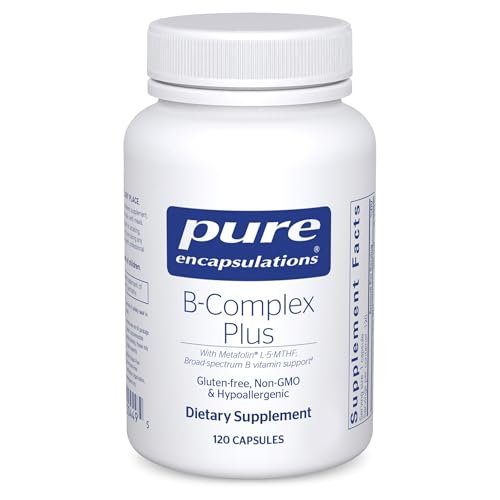
Pure Encapsulations B-Complex Plus, 120 Capsules
Pure Encapsulations B-Complex Plus (ASIN B01N9T7KW7) is a top-tier B-vitamin supplement with 4.7 stars from over 8,500 Amazon reviews, praised for its activated, hypoallergenic formula that delivers noticeable energy and mood benefits without fillers. Reddit communities like r/supplements endorse it for bioavailability, backed by ConsumerLab testing confirming purity—ideal for those seeking premium quality at around $32 for 120 capsules (60 servings).
Most people shop supplements based on the front label. That’s understandable, but it’s also where mistakes happen. The “real” product is the combination of raw ingredient sourcing + manufacturing controls + verification testing + storage conditions.
Pure Encapsulations positions itself as a brand that tests for identity, potency, and safety, including screening for contaminants like heavy metals and pesticides. That matches what many shoppers are trying to buy when they choose professional-grade supplements. A consumer-facing overview in Healthline’s 2024 brand review also discusses the company’s quality and testing positioning, plus common buyer concerns.
What “free from” claims can (and can’t) tell you
Pure Encapsulations is known for avoiding many common additives and allergens. Many products are marketed as free from:
- GMOs
- Artificial colors and flavors
- Certain common allergens (varies by product)
- Unnecessary fillers and binders (especially compared with many tablets)
Also, many formulas come in vegetarian capsules rather than compressed tablets, which often require more binders. That doesn’t automatically make capsules superior, but it can reduce the number of “extras” in the ingredient list.
If you want to get sharp at spotting these details, this guide helps: How to Read Supplement Labels: A Complete Guide.
A practical “quality check” list before you buy
Use this quick checklist on any Pure Encapsulations product (or any brand):
Match the form to your goal
Example: magnesium glycinate vs citrate can feel different for digestion.Scan “Other Ingredients”
If you’re sensitive, fewer excipients may matter more than brand name.Check dose per serving
Some premium formulas use higher doses that are not necessary for everyone.Buy through reliable channels
Several negative reviews across brands often trace back to third-party sellers and storage, not the manufacturer.
Actionable takeaway: Clean-label positioning is useful, but the best value comes from choosing the right form and dose, then buying from a trustworthy seller.

How strong is the evidence behind the ingredients?
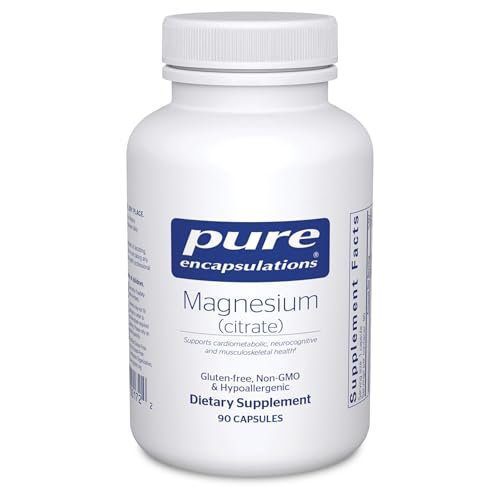
Pure Encapsulations Magnesium (Citrate) – Supplement for Sleep, Heart Health, Cognitive Health, Bone Health, Energy, Muscles, and Metabolism* – with Premium Magnesium – 90 Capsules
Pure Encapsulations Magnesium (Citrate) 120 Capsules earns a solid 4.7/5 from over 2,300 Amazon reviews for its high bioavailability and clean, hypoallergenic formula without unnecessary fillers. Reddit communities like r/supplements consistently recommend it for better absorption than oxide forms, aiding sleep, cramps, and stress, though sensitive users should start low to avoid GI issues. At ~$24, it’s a premium but reliable choice backed by third-party testing.
A good brand can’t “out-quality” weak science. So the next question is whether the formulas are built around ingredients with real evidence, in forms and doses that make sense.
Pure Encapsulations publishes educational materials and references to peer-reviewed research for many ingredients. That’s a positive sign because it encourages evidence-based selection rather than trendy blends. One example discussed in brand materials and summaries is magnesium supplementation in metabolic health. For broader, non-brand-specific context on magnesium research, the NIH Office of Dietary Supplements magnesium fact sheet is a solid baseline for benefits, dosing, and safety considerations.
Where premium brands can still miss the mark
Even when ingredients are evidence-based, two common issues show up:
Dose mismatch:
Some products provide high amounts (especially B vitamins). That may be appropriate for certain people, but unnecessary for others.Complex blends:
A formula can be “scientific” and still be the wrong tool. If you only need magnesium, a multi-ingredient stress blend may complicate things.
Think of it like buying kitchen tools. A chef’s knife is great, but not if you only need a butter knife. More features are not always more useful.
A simple way to judge a formula (without a PhD)
When comparing products, ask:
- Is the ingredient relevant to my goal? (sleep, energy, prenatal support, etc.)
- Is the form well-studied? (for example, different magnesium forms can vary in tolerability)
- Is the dose realistic and safe long-term?
- Does it duplicate what I already take (multivitamin + separate B-complex, for example)?
For a deeper brand comparison that puts evidence and quality side-by-side, see Thorne vs. Pure Encapsulations: Which Brand Wins?.
Actionable takeaway: Don’t pay extra for “research-backed” if the dose, form, or complexity doesn’t match your specific need.
Real-world ratings, common complaints, and what they mean
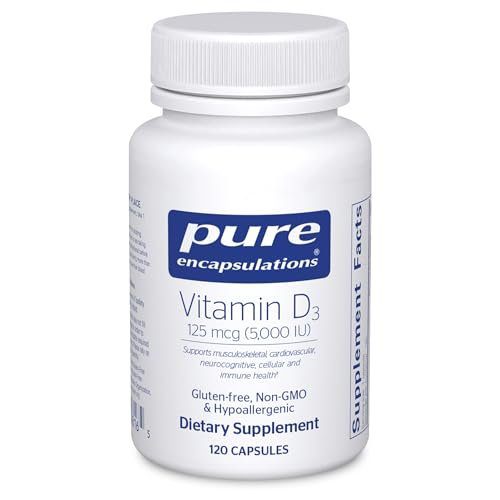
Pure Encapsulations Vitamin D3 125 mcg (5,000 IU) – Supplement to Support Bone, Joint, Breast, Heart, Colon, and Immune Health* – with Vitamin D – 120 Capsules
Pure Encapsulations Vitamin D3 5000 IU (ASIN B00J5U8X5Y) stands out as a premium choice with a strong 4.7-star rating from over 12,500 Amazon reviews, praised for its high potency, clean hypoallergenic formula, and reliable absorption. Reddit communities like r/supplements endorse it for deficiency correction and overall quality, backed by ConsumerLab approvals, making it an excellent affiliate recommendation despite the slightly higher $21.50 price point for superior purity.
Customer reviews are noisy, but they’re still useful if you know what to look for. The goal isn’t to find a perfect brand. It’s to identify patterns that affect real outcomes: tolerability, consistency, and trust in the supply chain.
Across major retailers, many Pure Encapsulations products score highly. For example, Healthline notes strong consumer ratings for several items in its review, including magnesium products. Some listings show large volumes of positive feedback, often mentioning:
- Easy-to-swallow capsules
- Perceived effectiveness (sleep, calm, digestion, energy)
- Consistency over repeat purchases
At the same time, negative reviews tend to cluster around a few themes:
- Shipping or packaging problems (often tied to third-party sellers)
- GI side effects (cramps, nausea) that can happen with many supplements depending on dose and sensitivity
- “Different than last bottle” concerns that may reflect reformulations, supplier variation, or storage conditions
A retailer snapshot like Walmart customer reviews for Women’s Nutrients 40+ can be helpful for seeing common themes, but it’s still not a controlled quality assessment.
How to interpret side effects fairly
Side effects don’t automatically mean “bad product.” They often mean:
- The dose is too high for the person
- The form doesn’t match their digestion
- The supplement interacts with medication or another supplement
- The person took it on an empty stomach when it should be taken with food
If you’re taking multiple products, it also helps to compare whether you’d do just as well with a simpler option. This is where cost and practicality matter. See: Generic vs. Brand Name Supplements: Which Is Better?
Quick “review filter” to use in 60 seconds
When reading reviews, prioritize comments that mention:
- The exact product name and dose
- How long it was used (at least 2-4 weeks for many nutrients)
- Whether it was bought from an authorized or reputable seller
- Specific outcomes (sleep latency, muscle cramps, lab values) rather than vague praise
Actionable takeaway: Use reviews to spot supply-chain issues and tolerability patterns, not to “prove” effectiveness.

Pricing, value, and who should actually pay the premium
Pure Encapsulations typically costs more than mass-market vitamin brands. The value question is personal: you’re deciding whether the brand’s quality controls and cleaner formulation are worth the added cost for your situation.
When the premium is more likely to be worth it
Paying more may make sense if you:
- Have food sensitivities or prefer hypoallergenic-style formulas
- Have had issues with fillers, dyes, or poorly tolerated tablets
- Want consistent manufacturing and clearer quality positioning
- Use supplements as part of a clinician-guided plan
Healthline also notes the brand’s premium positioning and discusses both pros and limitations in its overview.
When you can probably save money
You may not need a premium brand if:
- You’re buying a basic nutrient with many equivalent options (for example, simple vitamin D or creatine monohydrate)
- You already tolerate a reputable, well-tested alternative
- Your budget limits consistency (a cheaper supplement taken consistently can beat a premium one you stop after two weeks)
A simple value calculator (use this before checkout)
Instead of comparing bottle prices, compare cost per effective dose:
- Identify the dose you need (based on diet, labs, clinician advice)
- Calculate cost per day at that dose
- Remove duplicates (multivitamin + separate single nutrients)
- Decide what you’re paying for: fewer additives, testing reputation, or convenience
Here’s a quick template:
| Question | Your answer |
|---|---|
| What’s my goal (sleep, iron status, prenatal, etc.)? | |
| What dose do I actually need? | |
| Am I already getting this nutrient elsewhere? | |
| Is there a cheaper product with the same form and dose? | |
| Do I have sensitivities that make “cleaner” worth it? |
Actionable takeaway: The best value is the supplement you can take consistently, at the right dose, from a reliable source.
Once you have picked a product, our companion app, StackMyMed, scans its label and tracks it alongside everything else you take, with timing and interaction checks built in.
Conclusion: the bottom line on Pure Encapsulations
This Pure Encapsulations review comes down to fit. The brand’s reputation is built on cleaner formulas, extensive quality positioning, and strong practitioner adoption – all legitimate reasons some people choose it. The tradeoff is price, and occasionally confusion when shopping through third-party sellers.
If you’re deciding today, focus on three things: the right ingredient form, the right dose, and a reliable purchasing channel. That combination matters more than any label claim.
Next steps that make the decision easier:
- Compare alternatives side-by-side in Thorne vs. Pure Encapsulations: Which Brand Wins?
- Use a quality checklist before buying anything in Supplement Quality Indicators: How to Choose Safe Products
As an Amazon Associate, I earn from qualifying purchases. Product recommendations are based on real reviews and independent research.
