
When energy is low, the instinct is to reach for caffeine – but that often treats the symptom, not the cause. The best supplements for energy tend to work differently: they support how your cells make ATP (your body’s usable energy), correct common nutrient gaps, and reduce fatigue drivers like low iron or poor mitochondrial function. This article breaks down which supplements are most supported by research, who they’re best for, and how to build a simple, safe “energy stack” without the crash-and-burn cycle.
Affiliate disclosure: this article contains affiliate links. As an Amazon Associate, UsefulVitamins.com earns from qualifying purchases at no extra cost to you.
Summary / Quick Answer: Best Supplements for Energy (What to Take First)
The best supplements for energy depend on why you’re tired. For most adults, the top evidence-backed options fall into three buckets: mitochondrial support, deficiency correction, and quick fuel.
Most useful picks to consider (in order):
- CoQ10 (ubiquinone or ubiquinol): supports cellular energy, especially as levels decline with age
- PQQ: supports mitochondrial function and antioxidant defenses
- Acetyl-L-carnitine (ALCAR): helps shuttle fatty acids into mitochondria for energy
- Magnesium (often malate or glycinate): supports energy metabolism and muscle function
- B vitamins (especially B12/folate): supports energy metabolism, most helpful if intake or absorption is low
- Iron (only if deficient): can improve fatigue when ferritin or hemoglobin is low
- MCT oil: fast, non-stimulant fuel that some people feel within hours
If you want a longer list with dosing, safety notes, and how to match supplements to your symptoms, keep reading.
Why “Cellular Energy” Matters More Than Stimulants
If you’ve ever felt wired but still tired, you’ve already met the problem: stimulants can increase alertness without fixing the biology behind fatigue. Sustainable energy is less about “turning up the volume” and more about improving how efficiently your cells produce ATP.
A lot of today’s research-driven energy formulas focus on mitochondria – the parts of cells that convert nutrients and oxygen into usable energy. When mitochondrial function is under strain (from aging, poor sleep, chronic stress, low nutrient intake, or certain medications), you can feel it as sluggishness, reduced exercise tolerance, and brain fog.
What are the biggest “fixable” reasons people feel tired?
Many fatigue cases come down to a few common buckets:
| Fatigue driver | What it can feel like | What to check first |
|---|---|---|
| Low iron stores | heavy limbs, breathlessness, low stamina | ferritin, CBC (with clinician) |
| Low B12/folate | brain fog, tingling, low mood | B12, MMA, folate |
| Low magnesium intake | tension, poor sleep, muscle fatigue | diet review, sometimes RBC magnesium |
| Poor sleep/circadian rhythm | “tired but wired,” afternoon crash | sleep schedule, apnea risk |
| Low mitochondrial output | low stamina, slow recovery | targeted supplements may help |
Actionable takeaway: before buying anything, decide whether your fatigue is more like “sleepy,” “weak,” “foggy,” or “crash-prone.” That mapping makes supplement choices much more accurate.
A quick note on expectations
Mitochondria-support supplements usually feel subtle at first. Many people notice changes in stamina, mental endurance, or post-exercise recovery over 2-8 weeks, not 20 minutes.
For a deeper ingredient-by-ingredient breakdown, UsefulVitamins also covers best energy supplements with additional context and comparisons.
Best Supplements for Energy (Evidence-Based Picks and Who They’re For)
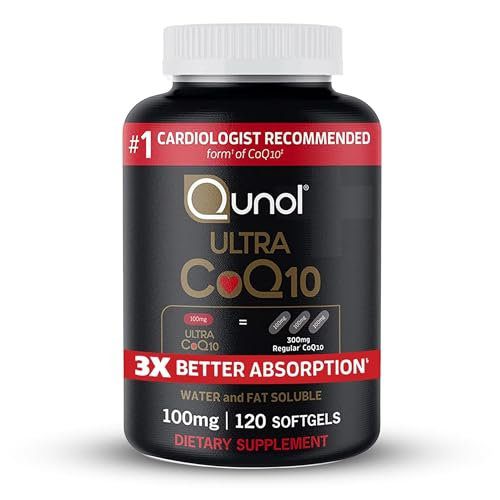
Qunol Ultra CoQ10 100mg, 3x Better Absorption, Patented Water and Fat Soluble Natural Supplement Form of Coenzyme Q10, Antioxidant for Heart Health, 120 Count Softgels
Qunol Ultra CoQ10 100mg (120 softgels) earns its 4.6-star rating from 12,400+ Amazon reviews as the gold standard for CoQ10 supplementation. Its patented ubiquinol/ubiquinone formula delivers 3x better absorption than standard CoQ10, making it particularly effective for statin users experiencing muscle pain and those seeking cardiovascular/energy support. While pricier than generics, Reddit communities consistently rank it #1 for noticeable results.
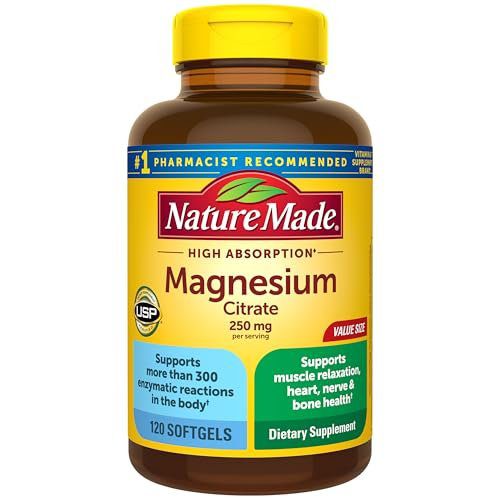
Nature Made Magnesium Citrate 250 mg per serving, Magnesium Supplements for Men and Women, Support for Muscle, Nerve, Bone and Heart, 120 Softgels, 60 Day Supply
Magnesium citrate helps convert food into cellular energy and supports muscle function, addressing two key factors in fatigue. This 120-softgel supply provides 250 mg per serving in a highly absorbable form, with two softgels daily covering a 60-day period.
This is the core list most people are searching for – but the “best” choice depends on your age, diet, medications, and the kind of fatigue you have.
1) CoQ10 (especially for age-related energy decline and statin users)
CoQ10 is involved in mitochondrial energy production. Levels tend to decline with age, and certain medications (notably statins) can lower CoQ10 status in the body. That’s one reason CoQ10 often shows up in fatigue and heart-health discussions.
Research summaries frequently focus on CoQ10’s role in mitochondrial function and exercise capacity. For clinical background and safety considerations, see the NIH Office of Dietary Supplements overview of CoQ10.
How people commonly use it
- Typical range: 100-200 mg/day (varies by form and goal)
- Take with a meal that contains fat for absorption
- Ubiquinol may be preferred for older adults, but both forms are used
2) PQQ (for mitochondrial support and oxidative stress)
PQQ (pyrroloquinoline quinone) is studied for its antioxidant activity and its relationship to mitochondrial function. It’s often paired with CoQ10 because the two are thought to complement how mitochondria generate energy and handle oxidative byproducts.
If you’re already taking CoQ10 and feel “some” benefit, PQQ is one of the more logical add-ons.
3) Acetyl-L-carnitine (ALCAR) (for mental and physical fatigue)
Carnitine helps move fatty acids into mitochondria where they can be used for energy. The acetylated form (ALCAR) is commonly discussed for both physical energy and cognitive fatigue.
People who don’t eat much red meat (a major dietary source of carnitine) sometimes consider ALCAR, especially if fatigue is paired with brain fog.
4) R-lipoic acid (R-ALA) (for metabolic energy and antioxidant support)
Alpha-lipoic acid is involved in mitochondrial enzyme complexes and antioxidant recycling. The “R” form is the biologically active isomer and is often used in supplements.
This is a “supporting actor” supplement – not usually the first thing to try, but it can fit well in a mitochondrial-focused plan.
5) MCT oil (for quick, non-stimulant fuel)
MCTs (medium-chain triglycerides) are fats that are rapidly absorbed and can be used as an energy source. Some people notice steadier morning energy or fewer mid-morning cravings when they use MCTs with breakfast.
Quick comparison: mitochondrial supplements vs quick fuel
| Category | Examples | What you might notice | Timeline |
|---|---|---|---|
| Mitochondrial support | CoQ10, PQQ, ALCAR, R-ALA | stamina, recovery, steadier energy | 2-8 weeks |
| Quick fuel | MCT oil | faster “usable” energy | same day to 1 week |
Actionable takeaway: if you want the most “felt” change quickly without caffeine, MCTs are often the fastest. For longer-term stamina, start with CoQ10 (and consider PQQ).

Energy-Boosting Vitamins and Minerals: What to Test Before You Supplement
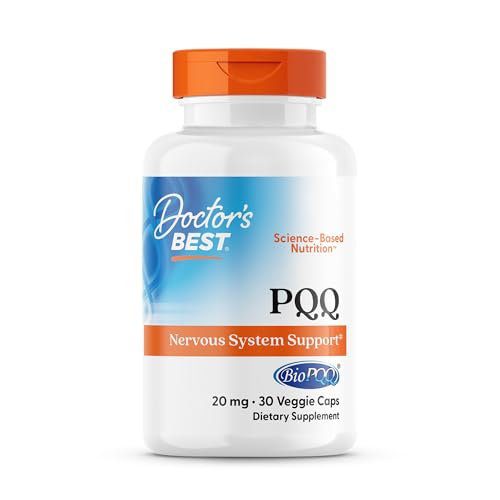
Doctor’s Best PQQ with BioPQQ Supplement 20 mg – Brain Health Support for Men & Women, Pyrroloquinoline Quinone Capsules, Daily Mitochondrial Function & Energy Support, Gluten Free, Vegan- 30 Veg Caps
Doctor’s Best PQQ with BioPQQ delivers 20 mg pyrroloquinoline quinone per veggie capsule to support mitochondrial biogenesis and cellular energy, with 30 vegan, gluten-free caps per bottle. Manufacturer claims include benefits for nerve cells, cognitive function, and cardiovascular health. User reports on retail sites note easy-to-swallow capsules and perceived energy improvements.
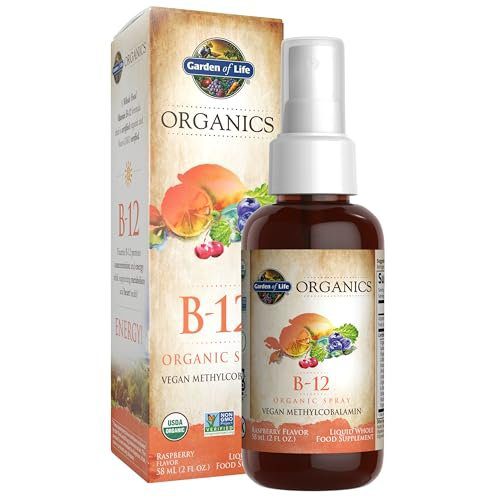
Garden of Life Organics B-12 Spray with Methylcobalamin – Liquid Vitamin Spray for Energy, Metabolism & Heart Health Support, Raspberry Flavor, 2 Fl Oz Bottle, 140 Servings
Garden of Life Organics B-12 Spray provides 500 mcg methylcobalamin per spray in a 2 fl oz bottle with 140 servings. This organic, vegan formula from whole foods supports energy and metabolism, which can help with low B-12 intake or absorption issues. Raspberry flavor makes daily use straightforward.
If there’s one mistake people make with fatigue supplements, it’s skipping the basics. Vitamins and minerals don’t “stimulate” energy – they help your body make energy from food and oxygen. When you’re low, fixing that gap can make a bigger difference than any exotic ingredient.
B vitamins (especially B12): helpful when intake or absorption is low
B vitamins support energy metabolism pathways that convert carbs, fats, and protein into ATP. They’re most helpful when someone has low intake (restricted diets), higher needs, or absorption issues.
UsefulVitamins has a practical guide to B vitamins for energy that covers forms, dosing logic, and when B12 matters most.
Who should pay extra attention to B12 status?
- Adults over 50 (absorption can decline)
- People taking metformin or acid-suppressing medications
- Vegetarians/vegans
- Anyone with unexplained neurological symptoms (work with a clinician)
For a clinical reference on forms, absorption, and deficiency signs, see the NIH fact sheet on vitamin B12.
Iron: only “energizing” if you’re actually low
Iron is essential for oxygen transport (hemoglobin) and energy production. If you’re iron deficient, correcting it can reduce fatigue and improve exercise tolerance. If you’re not deficient, supplementing iron can cause side effects and is not a smart “energy hack.”
A good next step is asking a clinician about ferritin and a complete blood count, especially if you have heavy menstrual bleeding, follow a low-meat diet, or have persistent fatigue.
Magnesium: common shortfall that affects energy and sleep quality
Magnesium plays a role in hundreds of enzymatic reactions, including those involved in energy metabolism and muscle function. Many people also notice magnesium’s indirect effect on energy through better sleep and less muscle tension.
If fatigue comes with tight muscles, poor sleep, or frequent headaches, magnesium is worth considering. UsefulVitamins covers magnesium for fatigue in a way that’s practical and form-specific.
Magnesium forms people often choose
- Magnesium malate: often used for fatigue and muscle discomfort
- Magnesium glycinate: often chosen when sleep and stress are part of the picture
- Magnesium citrate: can help constipation, but may be too laxative for some
Actionable takeaway: if you’ve never checked iron or B12 and you’re chronically tired, that’s often a higher-yield move than adding a third “mitochondria” supplement.
How to Build a Simple Supplement Stack for Energy (Without the Crash)
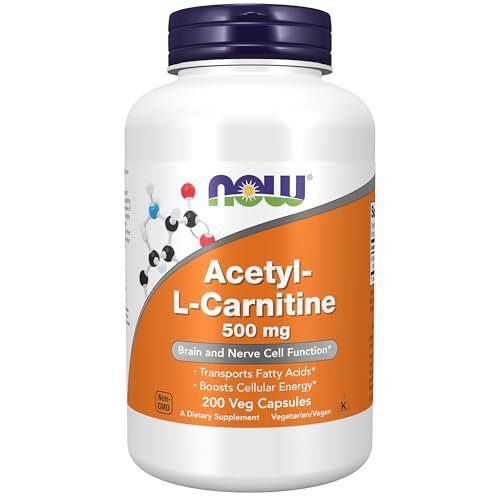
NOW Foods Supplements, Acetyl-L Carnitine 500 mg, Amino Acid, Brain And Nerve Cell Function*, 200 Veg Capsules
Acetyl-L-carnitine from NOW Foods is a modified amino acid that transports fatty acids into mitochondria for energy production, fitting for fatigue relief. This 500 mg version in 200 veg capsules also supports brain and nerve cell function. User reports note boosts in daily energy and mental clarity.
If you’re tempted to take everything at once, pause. The best results usually come from a small, targeted stack you can stick with and evaluate.
UsefulVitamins has a step-by-step guide to supplement stacking for energy – but here’s a clean framework that works for most people.
Step 1: Pick your “base” (choose one)
Your base is the supplement category that matches your most likely fatigue driver:
| Your main issue | Base option | Why it fits |
|---|---|---|
| Low stamina, age-related energy dip | CoQ10 | supports mitochondrial energy production |
| Brain fog + physical fatigue | ALCAR | supports fatty acid transport and mental energy |
| Afternoon crash, needs quick fuel | MCT oil | fast energy substrate without caffeine |
| Poor sleep + muscle fatigue | magnesium (malate or glycinate) | supports muscle and nervous system function |
Step 2: Add one “support” (optional)
If you tolerate your base well for 1-2 weeks, consider one add-on:
- Add PQQ to CoQ10 for broader mitochondrial support
- Add magnesium if sleep or muscle tension is part of the pattern
- Add a B-complex if diet quality is low or intake is inconsistent
Step 3: Decide where caffeine fits (if at all)
Caffeine can be useful, but it’s not a nutrient. If you rely on it to function, that’s a clue to look harder at sleep, iron/B12 status, or overall calorie/protein intake.
A practical rule: keep caffeine earlier in the day, and avoid combining high caffeine with multiple stimulating “energy” products. Many “energy supplement” blends already contain hidden stimulants.
Don’t forget mental energy
Sometimes “low energy” is really low focus. If your body feels fine but your brain won’t start, it may be a cognition issue more than a stamina issue. UsefulVitamins’ guide to nootropic supplements for mental energy can help you separate those patterns.
Actionable takeaway: change one variable at a time. If you start three supplements at once, you won’t know what worked – or what caused side effects.

Supplement Quality, Safety, and Red Flags (What Matters More Than the Label Claims)
Two products can have the same ingredient list and perform very differently. Quality comes down to dose, form, testing, and whether the product matches your needs.
A quick quality checklist
Look for:
- Third-party testing (for identity, purity, contaminants)
- Clear dosing for each ingredient (not hidden in “proprietary blends”)
- Forms that match the research (for example, a well-absorbed CoQ10 form)
- Realistic claims (no promises to “cure fatigue”)
If a brand won’t tell you where ingredients are sourced or provide testing details, that’s a reason to move on.
Common misconceptions that waste money
Misconception: “All energy supplements cause crashes.”
Crashes are more typical of stimulant-heavy products. Nutrient repletion and mitochondrial-support supplements are usually steadier, though they can be subtle.
Misconception: “More caffeine equals more energy.”
More caffeine often equals more tolerance, worse sleep, and a bigger rebound. It can also mask iron deficiency or poor sleep habits.
Misconception: “Natural means it’s automatically safe.”
Natural ingredients can still interact with medications or be inappropriate for certain conditions.
Safety notes (especially important)
- Iron: supplement only with confirmed deficiency or clinician guidance.
- CoQ10: may interact with warfarin; discuss with your clinician if you use blood thinners.
- ALCAR and R-ALA: can affect energy metabolism; start low if you’re sensitive.
- Pregnancy, breastfeeding, thyroid conditions, complex medical histories: get personalized guidance.
Actionable takeaway: treat fatigue like a signal, not a character flaw. If fatigue is new, severe, or paired with weight loss, shortness of breath, chest pain, or depression, get medical evaluation rather than self-treating.
Building a supplement routine for this? Our companion app, StackMyMed, lets you scan each product, track your real daily intake, and get timing reminders plus interaction checks across your whole stack.
Conclusion: The Best Supplements for Energy Are the Ones That Match Your “Why”
The best place to start is simple: rule out the common correctable issues (iron, B12, magnesium intake, sleep). Then choose one targeted supplement that supports how your body actually produces energy – not just how it feels for an hour.
For many people, a smart starting plan is CoQ10 (especially with age or statin use), optionally paired with PQQ, plus magnesium if sleep and muscle fatigue are part of the picture. If you want faster non-stimulant fuel, MCT oil can be a practical add-on.
Next steps: review UsefulVitamins’ breakdown of best energy supplements and, if you’re combining products, follow the safer framework in the supplement stacking for energy guide.
As an Amazon Associate, I earn from qualifying purchases. Product recommendations are based on real reviews and independent research.
