

Can Saw Palmetto Increase Bleeding Risk with Blood Thinners?
Saw palmetto (Serenoa repens) is widely used in herbal prostate supplements to relieve symptoms of benign prostatic hyperplasia (BPH). However, men taking anticoagulant medications like warfarin should be aware of a potential interaction: saw palmetto may increase the risk of bleeding. This guide breaks down the current evidence, expert warnings, and practical safety tips for anyone considering saw palmetto while on blood thinners.
Why Saw Palmetto Is Used and How It May Affect Clotting
Saw palmetto is a lipid-sterol extract from the berries of Serenoa repens, primarily used to manage lower urinary tract symptoms related to BPH. It is considered a natural alternative to medications like finasteride or tamsulosin.
Despite its popularity, there are concerns that saw palmetto could interfere with blood clotting. This concern stems from its anti-inflammatory activity and potential effects on platelet aggregation. Certain compounds in saw palmetto inhibit cyclooxygenase (COX) enzymes, which are involved in the clotting cascade. However, studies have not consistently shown that saw palmetto has direct antiplatelet or anticoagulant effects.
Mechanistically, saw palmetto may also inhibit cytochrome P450 enzymes—particularly CYP2C9—which are responsible for metabolizing warfarin. Slower metabolism could lead to higher blood levels of warfarin, raising the risk of bleeding, a mechanism flagged in a review of herb–warfarin interactions.
Documented Cases: What the Evidence Really Shows
Although large-scale clinical trials are lacking, several documented case reports have raised red flags:
- A case report in the Journal of Internal Medicine (Cheema et al., 2001) described a middle-aged man who developed severe, prolonged bleeding during brain surgery to remove a tumor (a meningioma) while taking saw palmetto; his prolonged bleeding time normalized within days of stopping the herb.
- Information summarized by the European Medicines Agency notes reports of increased INR (a measure of blood thinning) in patients taking warfarin and saw palmetto concurrently.
- The Memorial Sloan Kettering Cancer Center lists warfarin and other blood thinners under “Do Not Take,” warning that saw palmetto may increase the risk of bruising and bleeding.
However, not all research agrees. A 2022 review in Proceedings (Baylor University Medical Center) concluded that fish oil, ginseng, and saw palmetto were not independently associated with bleeding, and noted that two randomized trials found saw palmetto did not increase bleeding during prostate resection surgery. A separate review of herb–warfarin interactions rated the saw palmetto–warfarin interaction as minor and “doubtful,” citing a single case in which a man’s INR rose modestly from 2.4 to 3.4. This discrepancy highlights the ongoing debate about the clinical significance of the interaction.
Expert Guidelines and Safety Warnings
Despite the mixed data, several respected institutions still offer conservative guidance on this issue:
- European Medicines Agency (EMA): Notes reports of increased INR with concurrent use of saw palmetto and warfarin.
- Memorial Sloan Kettering: Advises people taking warfarin or other blood thinners not to take saw palmetto.
- Peer-reviewed literature: The evidence is mixed — case reports prompt caution and INR monitoring, while controlled trials have not confirmed a consistent bleeding effect.
Table: Summary of Warnings from Trusted Sources
| Source | Recommendation |
|---|---|
| EMA | Documented INR increases; use caution |
| Sloan Kettering | Do not take with blood thinners |
| Peer-reviewed literature | Mixed evidence; monitor closely or avoid |
These recommendations suggest that even though the risk is not definitively proven, it is medically prudent to avoid combining the two unless under direct supervision.
Practical Guidelines: What You Should Do
If you’re taking blood thinners and considering a herbal prostate supplement like saw palmetto, keep these guidelines in mind:
1. Consult Your Healthcare Provider
Always inform your doctor before starting any supplement, especially if you’re on anticoagulants like warfarin, apixaban, or rivaroxaban.
2. Avoid Pre-Surgery Use
Because saw palmetto has been linked to at least one case of severe intraoperative bleeding, it is commonly grouped with supplements that should be discontinued before surgery to reduce bleeding risk. Tell your surgical team about every supplement you take.
3. Monitor INR and Bleeding Signs
If your healthcare provider allows concurrent use, regular INR monitoring is essential. Watch for symptoms like easy bruising, nosebleeds, or prolonged bleeding from cuts.
4. Choose Alternative Prostate Supplements Carefully
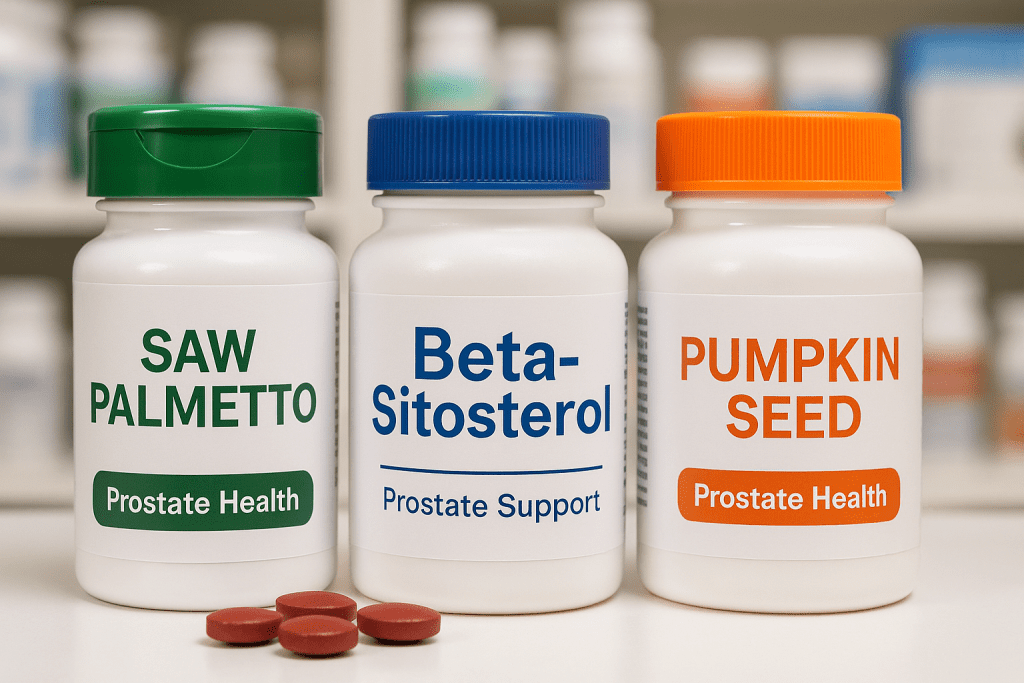
Some men may explore other prostate health options. Supplements like beta-sitosterol or pumpkin seed extract may offer benefits without the same bleeding concerns, but always verify safety with your physician. If you take warfarin, it also helps to know which supplements are safer for warfarin users before adding anything new to your routine.
If you take several supplements with prescription medications, StackMyMed (our companion app) scans each label and checks your full stack for conflicts, so a risky combination is easier to catch before you take it. Always confirm anything it flags with your doctor or pharmacist.
Frequently Asked Questions
Can saw palmetto interact with blood thinners?
Yes, some case reports and expert guidelines suggest that saw palmetto may increase bleeding risk when taken with anticoagulants like warfarin.
Should I stop saw palmetto before surgery?
Yes, it is advised to discontinue saw palmetto use before surgery to minimize the risk of bleeding complications.
What are alternatives to saw palmetto for prostate health?
Beta-sitosterol and pumpkin seed extract are commonly used alternatives, but always consult a healthcare provider before switching.
Final Thoughts
The connection between saw palmetto and increased bleeding risk remains under investigation, but the possibility of interaction with blood thinners is real enough to merit caution. While much of the evidence is based on case reports, the inclusion of warnings in official guidelines from the European Medicines Agency and recommendations from clinical authorities like Memorial Sloan Kettering indicate this is more than a purely theoretical concern.
For men taking anticoagulants, especially for long-term conditions like atrial fibrillation or post-surgical recovery, it’s best to avoid saw palmetto unless your doctor specifically approves and closely monitors its use.

