
Hair shedding can feel personal and urgent, but the science around hair loss supplements is more practical than most marketing makes it seem. The best formulas are rarely single “magic” vitamins. Instead, studies tend to favor multi-ingredient blends that target hormones (like DHT), inflammation, oxidative stress, and nutrient gaps at the same time. This article breaks down what the research actually shows, which ingredients have the best clinical support, how long results realistically take, and how to choose a product that fits your type of hair loss.
Affiliate disclosure: this article contains affiliate links. As an Amazon Associate, UsefulVitamins.com earns from qualifying purchases at no extra cost to you.
Summary / Quick Answer: Do hair loss supplements work?
Yes – hair loss supplements may help improve hair density and thickness, especially for androgenetic alopecia (pattern hair loss), but they work best as an adjunct to proven treatments and require consistent use for months.
What to expect (realistically):
- Best-supported approach: multi-ingredient nutraceuticals (not just one nutrient)
- Timeline: plan on 12 to 24 weeks before you judge results
- Most likely benefit: thicker, denser-looking hair and reduced shedding, not full regrowth in advanced loss
- Best candidates: early-to-moderate pattern hair loss, postpartum recovery, or people with correctable deficiencies
Quick “buying checklist”:
- Look for standardized plant extracts (example: saw palmetto or pumpkin seed oil)
- Prefer formulas with clinical testing and transparent labeling
- Avoid relying on biotin alone unless you’re deficient
What the research says about hair loss supplements (and who benefits most)
If you’ve tried to research supplements for thinning hair, you’ve probably noticed a problem: most products promise the same outcome, yet studies do not support a one-size-fits-all result. The most useful way to interpret the evidence is to ask two questions: Which type of hair loss are we talking about? and What outcome did the study actually measure?
The strongest evidence is for pattern hair loss (AGA)
Most clinical trials and meta-analyses focus on androgenetic alopecia (AGA), the common “pattern” type driven largely by genetics and androgen signaling (including DHT). In this context, supplements are typically evaluated for:
- Hair density (hairs per cm²)
- Terminal hairs (thicker, mature hairs vs. fine vellus hairs)
- Physician-rated improvement and participant self-assessments
A large network meta-analysis available through PubMed Central (dietary supplements for androgenetic alopecia) found that several interventions outperformed placebo for hair density outcomes. Multi-ingredient formulas and certain botanicals ranked well, while single nutrients were generally less impressive.
Actionable takeaway: If your thinning matches a pattern (widening part, recession at temples, crown thinning), you’re closer to the population where supplement trials are most relevant.
Multi-ingredient formulas tend to outperform single nutrients
One consistent theme in the evidence is that blends targeting multiple pathways tend to perform better than isolated vitamins. That makes sense because AGA is not caused by one thing. It’s usually a mix of hormonal sensitivity, inflammation, oxidative stress, and follicle miniaturization over time.
In practice, that means:
- A “hair growth vitamin” built only around biotin may not match the results of a multi-target formula.
- Products that include botanicals plus key nutrients are more aligned with current trial designs.
Visual: who is most likely to benefit?
| Your situation | Likely benefit from supplements | What to do alongside |
|---|---|---|
| Early pattern thinning (AGA) | Moderate | Consider pairing with proven topicals |
| Postpartum shedding (telogen effluvium) | Mild to moderate | Focus on nutrition, sleep, iron status |
| Sudden diffuse shedding | Unclear until evaluated | Rule out thyroid, iron, medication triggers |
| Advanced bald areas | Low | Consider medical therapies or procedures |
Actionable takeaway: Before you invest, confirm your hair loss type. If shedding is sudden, patchy, or paired with fatigue or weight changes, a clinician evaluation can save months of trial-and-error.
Best-supported ingredients and formulas (what actually ranked well)
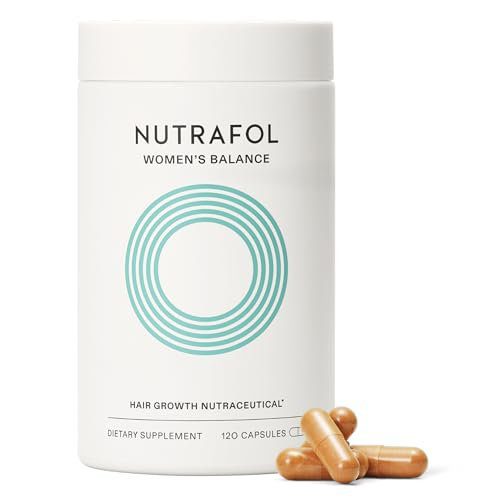
Nutrafol Women Hair Growth Supplement
Nutrafol Women Hair Growth Supplement earns a solid 4.3/5 stars from over 12,100 Amazon reviews, with many users reporting thicker, fuller hair and growth after consistent 3-6 month use, plus bonuses like stronger nails. While pricey at around $88 per bottle and results aren’t immediate or universal, its high-quality ingredients and positive feedback from stressed or postpartum women make it a strong affiliate recommendation for those committed to natural hair support.
Most people want a simple answer: Which supplement works best? The honest answer is that results depend on the formula, study design, and what “better” means (density, terminal hairs, or physician ratings). Still, a few options repeatedly show up in clinical research.
What ranked well in comparative research
In the same network meta-analysis on supplements for AGA, certain interventions significantly outperformed placebo on density-related outcomes. The analysis also used ranking methods (like SUCRA) to compare how interventions stacked up across studies.
High-level pattern from the data:
- Some multi-ingredient nutraceuticals ranked highly for overall density measures.
- Certain blends showed stronger effects on terminal hair density (a meaningful outcome because terminal hairs are what make hair look fuller).
- Pumpkin seed oil performed well in physician-rated assessments in that dataset.
It’s also worth noting that trials often show the best results when supplements are used consistently and in people with early-to-moderate thinning.
Nutrafol and similar nutraceuticals: why they’re studied
A six-month clinical evaluation reported significant improvements in hair growth, coverage, density, and volume in a large majority of participants at 24 weeks, across multiple ethnic groups, in a study published by the Journal of Clinical and Aesthetic Dermatology. While not every study design is perfect, this kind of duration (six months) is more realistic for hair biology than short trials.
Actionable takeaway: If you choose a multi-ingredient product, prioritize one that has been studied for at least 12 to 24 weeks, not just a few weeks.
Visual: ingredient short list (evidence-aligned)
| Ingredient type | Why it’s used | What to look for on labels |
|---|---|---|
| Saw palmetto | May reduce DHT signaling | Standardized extract, clear dosing |
| Pumpkin seed oil | Studied in hair loss contexts | Defined oil amount, consistent daily use |
| Omega-3 and omega-6 | Supports inflammation balance | EPA/DHA amounts listed, quality sourcing |
| Probiotics | Gut-skin-hair axis interest | Strain listed, CFU count, storage guidance |
| Tocotrienols (vitamin E family) | Antioxidant support | Tocotrienol-specific, not just “vitamin E” |
Actionable takeaway: Supplements are only as good as their labeling. If a product hides behind a “proprietary blend” with no amounts, you can’t compare it to the research.
<How to choose hair loss supplements without wasting money
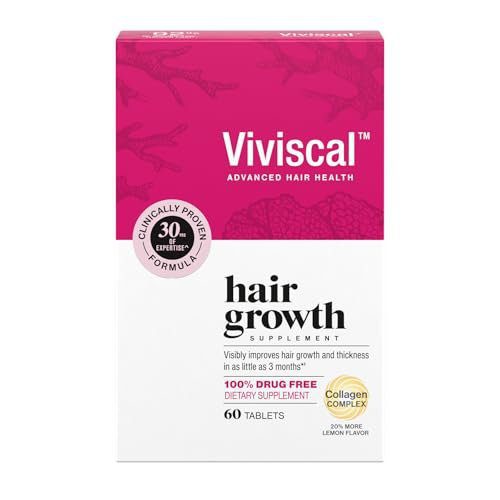
Viviscal Extra Strength Hair Nutrients
Viviscal Extra Strength Hair Nutrients earns a strong 4.6/5 rating from over 12,400 Amazon reviews, with users frequently praising reduced shedding, new baby hairs, and thicker hair after consistent 3-month use, backed by clinical studies on its AminoMar marine complex. While not a miracle for thickness and pricey at ~$34, it’s a trusted, drug-free option dermatologists recommend for temporary thinning, ideal for affiliate promotion to women seeking evidence-based hair support.
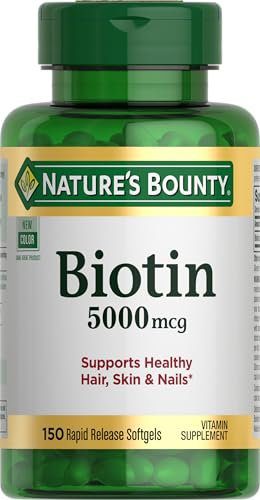
Nature’s Bounty Biotin 5000 mcg
While the article advises against relying solely on biotin, this product is still relevant as it is a popular supplement for hair health and can be part of a comprehensive approach.
Check Price on Amazon →Choosing a supplement is less about chasing the “top-rated” bottle and more about matching the product to your likely driver of hair loss. Think of it like troubleshooting a smoke alarm. Replacing the batteries helps if the batteries are the issue. It won’t help if there’s wiring damage.
Step 1: Check for common correctable causes
Even if you suspect AGA, it’s smart to rule out factors that can worsen shedding:
- Iron deficiency (with or without anemia)
- Thyroid dysfunction
- Low protein intake
- Recent illness, surgery, or major stress
- Medication-related shedding
If you’ve ever used biotin, keep in mind it can interfere with certain lab tests. UsefulVitamins covers this clearly in Biotin False Lab Results Medications. This matters because inaccurate thyroid or cardiac labs can lead to wrong conclusions.
Actionable takeaway: If you’re getting bloodwork, tell your clinician about supplements, especially biotin, and ask if you should pause before labs.
Step 2: Decide whether you need a “formula” or a targeted nutrient
Most people do better starting with either:
- A studied multi-ingredient formula for pattern hair loss, or
- A targeted correction (example: iron or vitamin D) if a deficiency is confirmed
This is where many people get stuck on “hair growth vitamins.” Vitamins matter, but hair loss is not always a vitamin problem. Over-supplementing can also backfire – for example, excessive vitamin A intake can contribute to hair shedding in some cases. If you’re unsure about your current intake, review Vitamin A Benefits to understand the line between adequate and too much.
Actionable takeaway: More is not better. Correct what’s low, and avoid megadoses of fat-soluble vitamins unless medically indicated.
Step 3: Look for quality signals that correlate with better outcomes
Use this quick screen before you buy:
- Clinical testing: human studies on the finished product (not just ingredients)
- Transparent dosing: amounts listed for key actives
- Standardization: especially for botanicals
- Realistic claims: “supports density” is more credible than “regrows hairline”
Visual: a 60-second label checklist
- Does it list exact amounts for core actives (not only a blend)?
- Are botanicals standardized (example: extract ratio)?
- Is there a recommended duration (3-6 months) rather than “fast results”?
- Are warnings included for pregnancy, medications, or hormone-sensitive conditions?
Actionable takeaway: If the label looks like a mystery, your results will be a mystery too.
How long results take, how to track progress, and safety notes
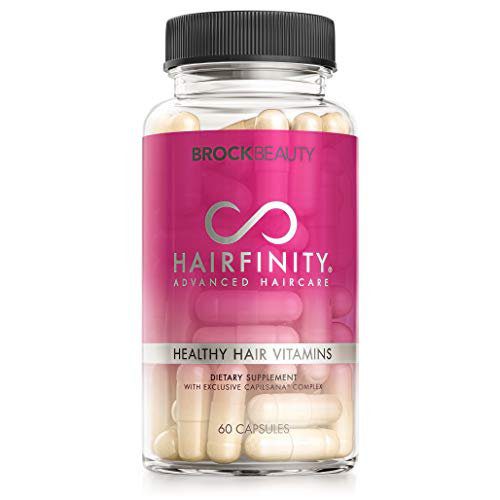
Hairfinity Healthy Hair Vitamins
Hairfinity Healthy Hair Vitamins earn a solid 4.3-star rating from over 12,000 Amazon reviews, with users frequently praising enhanced hair manageability, curl definition, and thickness from biotin and supporting vitamins, making it a strong affiliate pick for hair growth seekers. While some report acne from high biotin or minor scalp issues, the majority experience benefits without side effects, positioning it as an effective, well-reviewed option at around $27.
Hair growth moves slowly, and that’s where many people give up too early. A follicle has its own timeline, and most interventions need enough time to influence the growth cycle.
Timeline: what “working” looks like at 6, 12, and 24 weeks
Many studies evaluating hair loss supplements run 12 to 24 weeks, and six months is common for meaningful change. In the PubMed Central network meta-analysis, trials varied, but the overall pattern supports a multi-month commitment.
A realistic progress map:
- Weeks 0-6: you might notice less shedding, but visuals rarely change
- Weeks 8-12: early thickening may appear in photos under consistent lighting
- Weeks 16-24: the best chance to see measurable density changes
Actionable takeaway: Don’t judge a supplement at 30 days. Hair biology rarely rewards impatience.
How to track results (without obsessing)
Pick two methods and stick with them:
- Monthly photos: same room, same lighting, same angle, hair washed the day before
- Part width check: use the same comb and mirror distance
- Shedding count (optional): track wash-day shedding once weekly
Safety: what side effects show up in studies?
In the network meta-analysis of supplements for AGA, reported adverse events were generally mild (for example, digestive upset) and serious events were not reported – but long-term data beyond 24 weeks is limited.
Common sense cautions:
- If you are pregnant or trying to conceive, avoid hormone-modulating ingredients unless your clinician approves.
- If you take medications, check for interactions, especially with botanicals.
- If you have scalp burning, patchy loss, or rapid shedding, get evaluated. Supplements are not the right first step.
For perspective on how supplements compare to medical options and what experts are watching next, see this overview from Healthline’s expert review of hair loss treatments.
Visual: safety and “stop signs”
| Situation | What to do |
|---|---|
| New supplement causes rash, hives, swelling | Stop and seek medical care |
| Severe GI symptoms that persist | Stop and reassess formula/dose |
| Sudden patchy loss or scalp pain | Dermatology evaluation |
| No change after 6 months | Re-check diagnosis, consider topicals |
Actionable takeaway: The safest supplement is still not “risk-free.” Your body gives feedback. Listen early.
<Common myths that keep people stuck
Misinformation spreads fast in hair loss communities because the emotional stakes are high. Let’s clear the biggest traps.
Myth 1: “Biotin alone regrows hair”
Biotin is essential, but true deficiency is uncommon in the general population. In comparative evidence on pattern hair loss, single-nutrient approaches like biotin typically do not rank as top performers for density outcomes. Biotin can still be useful when deficiency exists, but it’s not a universal answer.
Actionable takeaway: If you want to include biotin, treat it as one piece of a broader plan, not the whole plan.
Myth 2: “Supplements reverse advanced hair loss”
Even in favorable studies, improvements tend to look like increased density or thicker shafts, not a full restoration of a long-lost hairline. Experts still consider medications like minoxidil and finasteride among the most effective options for AGA, with supplements playing a supporting role, as discussed in Healthline’s expert treatment overview.
Actionable takeaway: If you’re aiming for regrowth, consider pairing supplements with evidence-based topicals.
Myth 3: “If it’s natural, it’s automatically safe long-term”
Natural ingredients can still affect hormones, blood pressure, clotting, digestion, and lab results. Trials are often short, so long-term safety data is limited.
Actionable takeaway: If you plan to use a product beyond six months, re-check whether it still makes sense for your goals and health status.
Visual: myth vs reality
- Myth: One vitamin fixes hair loss
Reality: Most benefits come from multi-target support or correcting deficiencies - Myth: Faster growth in weeks
Reality: 3-6 months is a fair test window - Myth: More capsules = better results
Reality: Excess dosing can create new problems
If you are stacking a few supplements for this, StackMyMed (our companion app) tracks what you actually take, schedules the best time for each one, and flags any combinations worth a second look.
Conclusion: the smartest way to use hair loss supplements
The best evidence suggests hair loss supplements can support thicker, denser hair, especially in early pattern thinning, but they’re not a standalone cure. Multi-ingredient formulas and certain botanicals have the strongest clinical support, while single “hero” vitamins are often oversold. Give any plan at least 12 to 24 weeks, track progress with consistent photos, and rule out correctable causes like iron or thyroid issues.
If you’re building a broader routine, consider reading Best Time To Take Collagen for practical timing tips, and explore Best Energy Supplements to Boost Vitality Naturally if fatigue or stress is part of your hair-loss picture.
As an Amazon Associate, I earn from qualifying purchases. Product recommendations are based on real reviews and independent research.
