
Choosing the best ashwagandha supplements comes down to three things most labels don’t make obvious: the type of extract (and whether it’s standardized), the dose used in studies, and proof it’s been tested for purity. Get those right, and you can usually avoid the two common outcomes people complain about: “I felt nothing” or “I felt too sleepy.” This article breaks down top picks by goal (stress, sleep, budget, vegan, powder), what to look for on a Supplement Facts panel, and how to use ashwagandha safely.
Summary / Quick Answer: Best Ashwagandha Supplements (2026 shortlist)
If you want the best ashwagandha supplements for most people, look for a root extract with a clinically studied dose (often 600 mg/day for KSM-66) and third-party testing.
Top picks by use case (quick scan):
- Best overall (simple, clinically dosed): Transparent Labs KSM-66 (600 mg/serving, minimal extras, third-party tested)
- Best budget: Nutricost Ashwagandha (600 mg/serving, low cost per serving)
- Best for sleep routines: Jacked Factory KSM-66 (600 mg + AstraGin for absorption support)
- Best powder option: Moon Juice Ashwagandha (powder format for mixing)
- Best vegan-friendly blend: Future Kind Super Plant Complex (includes ashwagandha plus other botanicals)
- Best “focus stack” formula: Hunter Evolve Hunter Focus (ashwagandha combined with nootropics)
Fast buying checklist:
- Standardized extract (KSM-66 or Sensoril are common)
- 300-600 mg/day range (depending on extract)
- Third-party testing and clear labeling
- Root-only vs root+leaf clearly stated
Best Ashwagandha Supplements: What “Best” Really Means (and how to spot it)
Most people assume “best” means the strongest dose. In practice, the “best” ashwagandha is the one that matches your goal and uses an extract that’s actually been studied.
Ashwagandha (Withania somnifera) is an adaptogenic herb. Research suggests it may help with perceived stress and sleep quality in some people, likely through effects on stress signaling and nervous system balance. But outcomes vary a lot by extract type, dose, and how long you take it.
A simple way to think about it: ashwagandha is less like caffeine (instant) and more like physical training (gradual). Many studies run 6-8 weeks.
The two extract types you’ll see most (and why it matters)
Manufacturers often use branded extracts because they’re standardized and consistent.
Common options:
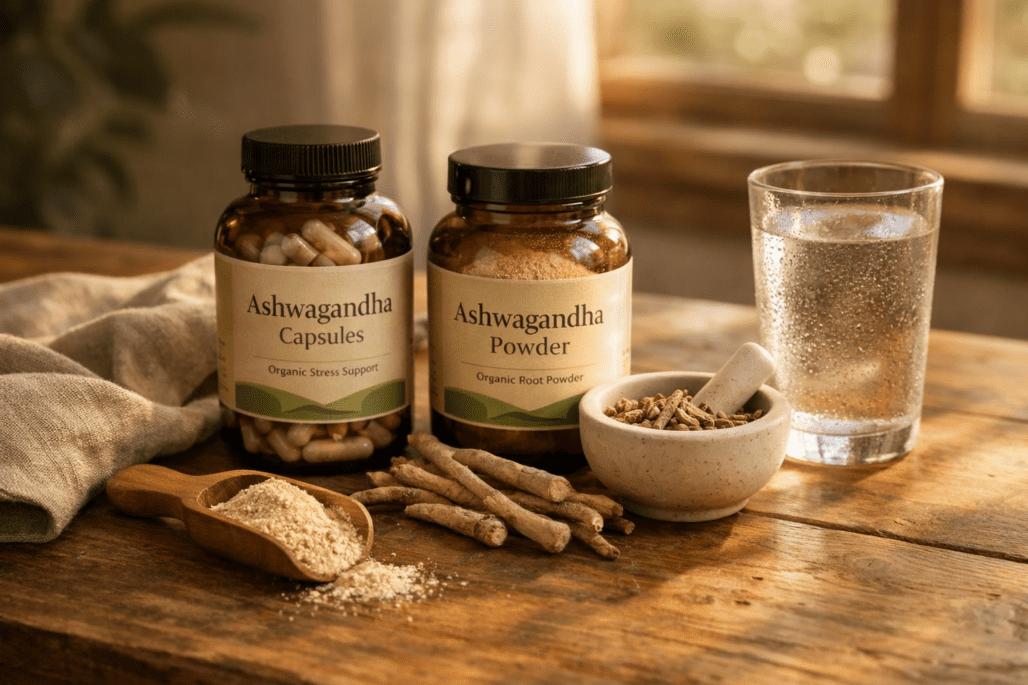
- KSM-66: Typically a root-only extract. Often used at 600 mg/day in clinical trials.
- Sensoril: Often a root + leaf extract standardized differently. Frequently used at lower doses (commonly 125-250 mg, depending on product).
Both can be legitimate. The key is that the product should tell you:
- Extract name or standardization (for example, % withanolides)
- Plant part used (root-only vs root+leaf)
- Dose per serving and servings per container
What third-party testing should cover
Because botanicals can vary in potency and contamination risk, third-party testing matters. Look for brands that provide:
- Identity testing (is it really ashwagandha?)
- Potency testing (standardization matches label)
- Contaminant testing (heavy metals, microbes)
If stress is your main goal, it can also help to pair smart supplement choices with a structured plan. UsefulVitamins has a practical roundup of the best supplements for stress relief that can help you compare options beyond ashwagandha.
Quick “label audit” (save this)
Use this mini-checklist while shopping:
- Extract disclosed (KSM-66, Sensoril, or clear standardization)
- Dose matches research (often 300-600 mg/day for many extracts)
- No mystery blends hiding the dose
- Minimal fillers if you’re sensitive
- Testing transparency (COA or third-party verification)
Visual: best-vs-not-so-great label cues
- Best: “KSM-66 root extract 600 mg” + standardized info + testing statement
- Not great: “Proprietary adaptogen blend 1,000 mg” (no breakdown)
Top Picks by Goal: Stress, Sleep, Budget, and Powder Options
Transparent Labs KSM-66 Ashwagandha 600 mg, 60 Capsules
Transparent Labs KSM-66 Ashwagandha offers 600 mg per capsule of organic, full-spectrum root extract standardized to 5% withanolides, clinically studied for stress reduction, cognition, mood, hormonal balance, and vitality; however, no Amazon-specific data like ASIN, ratings, reviews, or price is available in search results, limiting a full affiliate recommendation[1]
Nutricost Ashwagandha 600 mg, 120 Capsules
Nutricost Ashwagandha 600mg, 120 capsules earns a strong 4.6-star rating from over 6,500 Amazon reviews and high sales volume, praised for its affordable price of $14.95, high potency, and clean vegetarian formula, making it a solid budget recommendation for stress support despite lacking third-party testing and some preference for standardized extracts on Reddit.[1]
Jacked Factory KSM-66 Ashwagandha 600 mg + AstraGin, 60 Capsules
Search results confirm the product exists with a clinical 600 mg dose of KSM-66 Ashwagandha standardized to 5% withanolides plus 25 mg AstraGin for enhanced absorption, supporting stress reduction, mood improvement, focus, relaxation, and potential testosterone benefits, manufactured in a cGMP facility; however, no Amazon-specific data including ASIN, ratings, reviews, price, or third-party testing was found, limiting a full recommendation[1].
Moon Juice Ashwagandha Powder, 6.4 oz
Recommended as the best powder option for those who prefer mixing ashwagandha into their routines.
Future Kind Super Plant Complex, 60 Capsules
This product is highlighted as the best vegan-friendly blend that includes ashwagandha along with other botanicals.
People buy ashwagandha for different reasons. The smartest approach is to match the formula to the outcome you care about most, then confirm the dose and testing.
Below is a goal-based comparison using the most commonly referenced standouts from expert roundups and product labeling patterns.
Quick comparison table (goal-first shopping)
| Category | Example pick | Typical serving | Why it fits |
|---|---|---|---|
| Overall quality, simple formula | Transparent Labs KSM-66 | 600 mg | Clinically aligned dose, minimal extras, transparent labeling |
| Budget | Nutricost Ashwagandha | 600 mg | Low cost per serving, straightforward capsule |
| Sleep routine support | Jacked Factory KSM-66 | 600 mg | Includes AstraGin, often used in nighttime stacks |
| Powder format | Moon Juice Ashwagandha | varies | Easy to mix into drinks, good if you dislike capsules |
| Vegan-friendly blend | Future Kind Super Plant Complex | 500 mg | Plant-based positioning plus additional botanicals |
| Focus blend | Hunter Evolve Hunter Focus | 300 mg | Combines ashwagandha with nootropic-style ingredients |
How to choose based on your “most likely bottleneck”
Ask yourself one question: What’s most likely to stop me from using this consistently?
- If it’s cost: a budget capsule can be the best choice, even if it’s not trendy.
- If it’s swallowing pills: a powder may be the difference between “daily” and “never.”
- If it’s sleepiness: you may do better with morning dosing, a lower dose, or a different extract.
Where ashwagandha fits in a stress or anxiety plan
Ashwagandha is often used as part of a broader approach. If you want a structured way to test what works (without taking everything at once), follow a stepwise plan like this anxiety supplement protocol. It helps you change one variable at a time, which is the only way to know what’s helping.
One more reality check: blends are not automatically “better”
Combination formulas can be useful, especially for focus or sleep. But they make it harder to evaluate:
- Whether you’re getting a full clinical dose of ashwagandha
- Which ingredient caused a benefit or side effect
If you’re new to the herb, starting with a single-ingredient product for 2-4 weeks is often the cleanest way to assess tolerance.
Dosage, Timing, and What Research Suggests (without the hype)
A common misconception is that “more is better.” With ashwagandha, higher doses can sometimes increase side effects like daytime drowsiness or stomach upset, especially if taken on an empty stomach.
Typical dose ranges you’ll see (and why)
Most quality products cluster around 500-600 mg per serving, particularly for KSM-66-style root extracts. That lines up with many clinical trials using 600 mg/day (often split into two doses). Other standardized extracts may use lower doses, depending on concentration.
Research summaries commonly report improvements in perceived stress and sleep outcomes in some groups, but not everyone responds the same way. For a neutral, evidence-focused overview of ashwagandha’s studied uses and safety considerations, see the NIH NCCIH overview of ashwagandha.
Timing: morning vs evening
Timing depends on your goal and your personal response.
Many people prefer morning if:
- ashwagandha makes them sleepy
- they want daytime stress support
Many people prefer evening if:
- they’re using it as part of a wind-down routine
- it feels calming without causing next-day grogginess
If sleep is the priority, it’s worth comparing your routine to a structured plan like this sleep supplement protocol. It can help you avoid stacking too many sedating ingredients at once.
Practical “start low, assess, adjust” plan
This is a conservative approach that fits most healthy adults:
- Start: 300 mg/day (or 1 capsule if that’s the labeled serving) for 7 days
- Assess: stress, sleep, energy, GI comfort
- Adjust: move toward 600 mg/day if needed and tolerated
- Reassess at 6-8 weeks: that’s when many studies measure outcomes
Visual: simple dosing decision tree
- Too sleepy? Lower dose or move to morning
- No effect after 2-3 weeks? Ensure consistent daily use, consider increasing toward studied dose
- Stomach upset? Take with food, split dose, or switch brand
What to do if you’re stacking supplements
Ashwagandha often appears alongside magnesium glycinate, L-theanine, glycine, or melatonin. Stacking can work, but it can also blur cause and effect.
A practical way to avoid “supplement chaos” is to follow a method like this supplement stacking guide, which prioritizes one change at a time and reduces overlap.
Safety, Interactions, and Who Should Avoid Ashwagandha
Most people looking for the best ashwagandha supplements are also looking for something that feels safe and predictable. That’s a fair standard. Ashwagandha is widely used, but “natural” doesn’t mean risk-free.
Common side effects (usually dose-related)
Side effects are typically mild, but they can happen:
- GI discomfort (nausea, loose stool), especially on an empty stomach
- Drowsiness or “too calm” feeling
- Headache in some people
If you feel sedated, don’t assume you “need to push through.” Adjust timing, lower the dose, or stop and reassess.
Medication interactions: pay attention to sedatives
Ashwagandha may increase drowsiness when combined with sedating medications or other sleep aids. If you’re using anything that causes sleepiness, review this safety-focused guide on ashwagandha and sedative medications and check with your clinician.
Extra caution groups (talk to a clinician first)
Avoiding or getting medical guidance first is sensible if you:
- are pregnant or breastfeeding
- have thyroid disease or take thyroid medication (ashwagandha may affect thyroid hormones in some people)
- have autoimmune conditions or take immunosuppressants
- take medications for anxiety, sleep, blood pressure, or blood sugar
For an additional evidence-based safety overview, the NCCIH ashwagandha safety notes summarize known concerns and what’s still uncertain.
Visual: quick “should I take it?” checklist
Consider skipping or getting medical advice first if you answer “yes” to any:
- Pregnant/breastfeeding?
- On sedatives or sleep meds?
- Thyroid meds or thyroid condition?
- Autoimmune condition or immunosuppressants?
- History of strong reactions to herbs/supplements?
How to Buy Ashwagandha Like a Researcher (Quality markers that predict results)
Here’s the uncomfortable truth: many people don’t fail to respond to ashwagandha because the herb “doesn’t work.” They fail because the product is under-dosed, poorly standardized, or inconsistent.
The good news is that quality is often visible if you know what to look for.
The 5 quality markers that matter most
-
Standardization or branded extract
Look for KSM-66, Sensoril, or a clear % withanolides statement. -
Plant part transparency
Root-only vs root+leaf should be stated. If it’s not, that’s a yellow flag. -
Clinically plausible dosing
Many products land in the 300-600 mg/day range for standardized extracts. Mega-doses can be marketing. -
Third-party testing
Ideally with a Certificate of Analysis available. At minimum, a clear testing statement. -
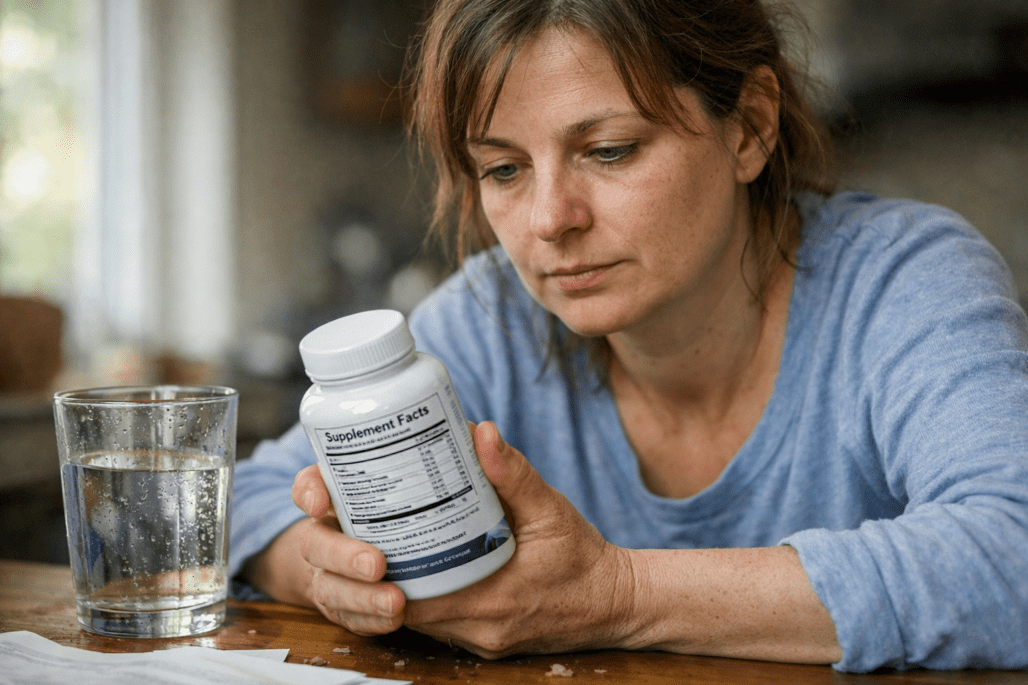
Clean, readable labeling
Avoid proprietary blends that hide amounts, especially in “stress support” formulas.
A simple scoring rubric (use this in 30 seconds)
Give 1 point for each:
- Extract type disclosed
- Standardization disclosed
- Root vs leaf disclosed
- Third-party testing disclosed
- Dose aligns with common research ranges
Score guide:
- 5/5: strong candidate
- 3-4/5: acceptable, but verify details
- 0-2/5: keep shopping
Visual: “best fit” selector list
- Want simplest path: choose a single-ingredient KSM-66 at 600 mg/day
- Want lowest cost: choose a budget 600 mg capsule with testing transparency
- Want a drink mix: choose powder, but verify dose per scoop
- Want a blend: confirm ashwagandha dose isn’t token-level
If your main goal is stress relief and you’re comparing multiple options, it can help to cross-check with the broader context in the best supplements for stress relief guide so you’re not relying on a single ingredient to do everything.
Conclusion: The best ashwagandha supplement is the one you can verify and tolerate
The best ashwagandha supplements tend to share the same fundamentals: a standardized extract (often KSM-66 or similar), a dose that matches how it’s studied (commonly around 600 mg/day for KSM-66), and third-party testing that reduces guesswork.
Start simple, track how you feel for a few weeks, and adjust dose or timing based on sleepiness, stress levels, and GI comfort. If you’re stacking multiple products, change one variable at a time so you can tell what’s working.
For next steps, pair this with a structured plan like the anxiety supplement protocol or the sleep supplement protocol to keep your routine focused and measurable.
As an Amazon Associate, I earn from qualifying purchases. Product recommendations are based on real reviews and independent research.
