
Hydration problems rarely come from “not enough water” alone. For many people, the missing piece is electrolytes – minerals like sodium, potassium, and magnesium that help your body hold onto fluid and keep muscles firing normally. The best electrolyte supplements are the ones that match your sweat loss, activity level, and ingredient preferences (like low sugar or no artificial sweeteners) while delivering meaningful sodium and potassium. This guide compares top options by use case, explains what science-based formulas look like, and shows how to choose without overpaying.
Summary / Quick Answer: Which electrolyte supplement is best?
The best electrolyte supplements depend on how much you sweat, how long you exercise, and whether you want sugar, caffeine, or a “clean” label.
Here’s a practical shortcut:
- Best for most people (balanced daily hydration): choose a moderate-sodium mix (often ~200-500 mg sodium/serving) with potassium and magnesium.
- Best for heavy sweaters and intense training: choose a higher-sodium option (often ~800-1,000 mg sodium/serving).
- Best budget pick: look for simple formulas with adequate sodium + potassium and minimal extras.
- Best for taste and fewer additives: choose mixes flavored with fruit powders and no dyes.
Quick comparison (typical positioning, not medical advice):
| Best for | What to look for | Example products mentioned in research roundups |
|---|---|---|
| Everyday hydration | Moderate sodium + potassium, low sugar | Hydrant, fourfive Hydro, Ancient + Brave |
| Long, sweaty workouts | Higher sodium, simple ingredient list | LMNT, Precision Hydration PH 500 |
| Tight budget | Low cost per serving, no filler | Dr. Price’s Electrolyte Mix, SiS Hydro tablets |
| “Clean” flavor | No dyes, no artificial sweeteners | Hydrant, Skratch Labs |
What electrolytes actually do (and why water sometimes isn’t enough)
If you have ever felt headachy, crampy, or oddly fatigued after drinking plenty of water, you have already met the problem electrolytes solve. Water moves through your body using gradients – and electrolytes help create those gradients so fluid stays where it is useful.
Electrolytes are charged minerals, mainly:
- Sodium – helps retain fluid and supports nerve signaling
- Potassium – balances sodium and supports muscle contraction
- Magnesium – involved in muscle relaxation and energy metabolism
- Calcium – supports muscle contraction and nerve function
A practical way to think about it: water is the delivery truck, but electrolytes are the loading dock that tells water where to go.
When an electrolyte supplement is most useful
Electrolyte products are most helpful when losses increase or intake falls behind, such as:
- Sweaty workouts (especially in heat or humidity)
- Endurance sessions (often 60-90+ minutes)
- High sweat rate or salty sweat (white salt marks on clothes)
- Illness with fluid loss (ask a clinician if severe)
- Travel (dry air, long days, inconsistent meals)
If you are new to the basics, the UsefulVitamins guide to electrolyte water breaks down what it is and when it makes sense.
Visual: electrolyte roles at a glance
| Electrolyte | Main job | “You might notice” when low |
|---|---|---|
| Sodium | Fluid retention, nerve impulses | Lightheadedness, low energy, headaches |
| Potassium | Muscle contraction, rhythm support | Weakness, cramps (sometimes) |
| Magnesium | Muscle relaxation, metabolism | Twitchiness, poor recovery, cramps (sometimes) |
| Calcium | Muscle contraction, nerve signaling | Muscle tightness, tingling (less common from sweat alone) |
A science-based benchmark: oral rehydration logic
Many modern hydration mixes borrow principles from oral rehydration solutions. The key idea is not “maximum minerals,” but balanced sodium and glucose to improve absorption, plus potassium to replace losses. For background on how oral rehydration is formulated and why sodium matters, see the WHO oral rehydration guidance.
Actionable takeaway: if a product is extremely low in sodium (or mostly “trace minerals”), it may not do much during heavy sweating, even if the label looks impressive.
Best electrolyte supplements by goal: a practical, non-hype shortlist
LMNT Recharge Electrolyte Drink Mix, 30 Servings
This product is specifically designed for intense training and higher sodium needs, making it ideal for heavy sweaters as mentioned in the article.
Most shoppers do not need a single “best brand.” They need the best fit. Below is a goal-based way to choose, using products commonly cited in mainstream review roundups like the BBC Good Food electrolyte review and field-testing style comparisons like the CleverHiker hydration mix guide.
1) For balanced daily hydration (work, light exercise, general wellness)
Look for:
- Moderate sodium (often ~200-500 mg/serving)
- Potassium present (not just sodium)
- Minimal added sugar if you are not exercising hard
Often mentioned for this lane:
- Hydrant (simple ingredient approach, positioned around oral rehydration style ratios)
- Ancient + Brave True Hydration (coconut-water style positioning)
- fourfive Hydro (often highlighted for fewer additives)
2) For heavy sweaters, heat training, and long endurance sessions
This is where sodium needs can jump. Some athletes do well with higher-sodium packets during long sessions, especially if they see salt crust on skin or clothing.
Look for:
- Higher sodium options (commonly ~800-1,000 mg/serving)
- Low or zero sugar if you already use carbs separately
- Clear labeling and easy mixing
Often mentioned for this lane:
- LMNT (high sodium, no sugar)
- Precision Hydration PH 500 (positioned for measured intake by sweat rate)
3) For budget and simplicity
A low price per serving can still work well if sodium and potassium are adequate and the formula is not padded with “fairy dust” minerals.
Often mentioned:
- Dr. Price’s Electrolyte Mix (commonly cited as low cost per serving)
- SiS Hydro tablets (tablet format tends to be cost-friendly)
4) For ingredient-sensitive users (taste, sweeteners, dyes)
If you dislike stevia, sugar alcohols, or artificial colors, scan the label first. Some mixes use real fruit powders and keep the ingredient list short.
Often mentioned:
- Skratch Labs Hydration Sport Powder (frequently noted for taste and real-food leaning ingredients)
- Hydrant (often noted for no artificial sweeteners or dyes)
Visual: choose your “lane” in 20 seconds
| Your main situation | Best product style | What to avoid |
|---|---|---|
| Light sweating, desk day | Moderate sodium, low sugar | Ultra-high sodium packets “just because” |
| Long run or ride | Higher sodium, easy-to-digest | Very low sodium mixes that under-dose |
| Hiking in heat | Powder or tablets, packable | Sugary drinks that upset your stomach |
| You already use gels | Low sugar electrolyte mix | Doubling carbs unintentionally |
Actionable takeaway: decide your lane first (daily vs. endurance vs. budget vs. sensitive ingredients). Then compare labels inside that lane.
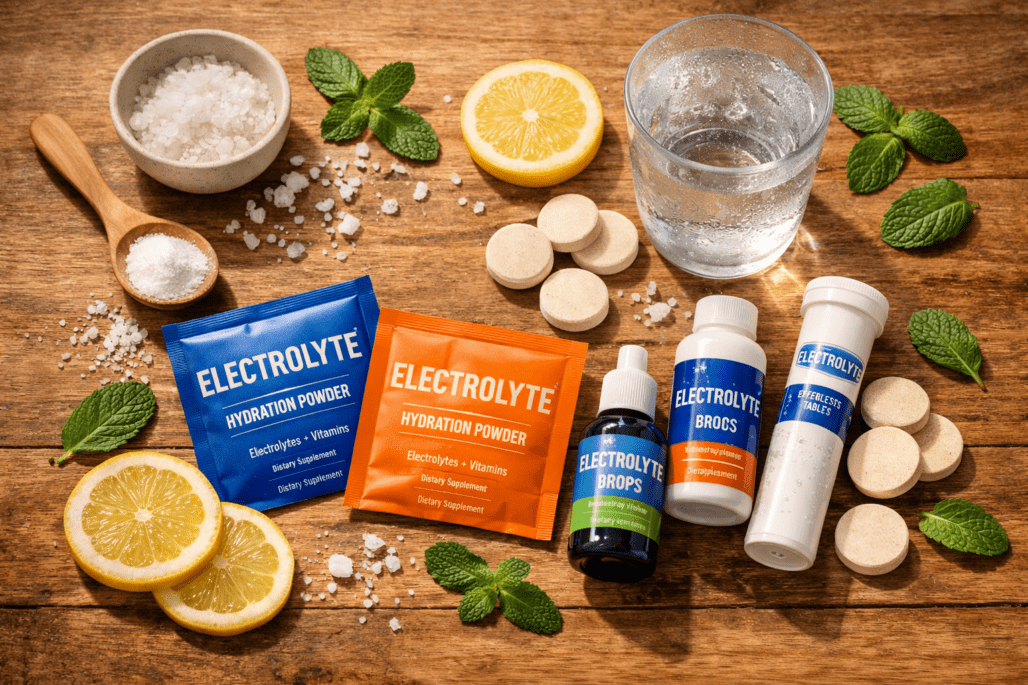
How to read an electrolyte label like a researcher (without overthinking it)
Hydrant Hydration Mix, 30 Packets
Hydrant Hydration Mix offers a science-backed electrolyte blend with real fruit juice, no artificial ingredients, and rapid hydration benefits, available in 30-packet packs across retailers like Walmart and Target for around $25-35; recommend for daily hydration needs despite lacking Amazon-specific data and third-party testing info in results[1][3][4][6][7].
Skratch Labs Sport Hydration Drink Mix, 20 Servings
Skratch Labs is noted for its clean flavor and lack of artificial sweeteners, appealing to readers looking for healthier options.
Most marketing focuses on “hydration,” but the label tells you whether the formula is likely to match your needs. Two products can both say “electrolytes” while delivering very different amounts of sodium and potassium.
Start with sodium: the main driver for sweat replacement
For most active adults, sodium is the electrolyte most meaningfully lost in sweat. Many popular mixes land around 200-420 mg sodium per serving, while “heavy sweater” formulas can reach ~1,000 mg.
A helpful reality check:
- If you barely sweat, high sodium may be unnecessary.
- If you sweat heavily, low sodium may feel like it “does nothing.”
Then check potassium (and do not obsess over mega-doses)
Potassium is important, but sweat losses are usually smaller than sodium losses. Many mixes provide 50-330 mg potassium per serving. That can be useful, but it is not a substitute for sodium during heavy sweating.
Magnesium and calcium: helpful, but usually secondary in sweat
Magnesium and calcium support muscle and nerve function, but their sweat losses are typically lower than sodium. In practice:
- A little magnesium may support comfort and recovery for some people.
- Huge magnesium doses can cause GI upset in sensitive users.
For magnesium-specific needs, it can be smarter to separate goals: use an electrolyte mix for sweat replacement, and consider targeted magnesium later if needed.
If performance is your bigger picture, UsefulVitamins’ roundup of athletic performance supplements helps you see where electrolytes fit alongside creatine, caffeine, and recovery tools.
Watch the “extras” that change who the product is for
Electrolyte mixes often add:
- Sugar or carbs (useful for endurance, not always for daily sipping)
- B vitamins (fine, but not required for hydration)
- Taurine (sometimes used in endurance formulas)
- Zinc (occasionally included, not essential for hydration)
Visual: a quick label checklist
- Sodium: does it match your sweat level?
- Potassium: present in a meaningful amount?
- Sweetener: sugar, stevia, monk fruit, or none – can you tolerate it?
- Calories: do you want fuel or just minerals?
- Testing: any third-party testing or sport certification if you compete?
Actionable takeaway: pick sodium first, then decide if you want carbs. Everything else is secondary.
Use-case playbook: how to time electrolytes for workouts, travel, and daily life
Dr. Price’s Electrolyte Mix, 30 Servings
Dr. Price’s Electrolyte Mix offers a sugar-free hydration powder with 72+ trace minerals and key electrolytes for fast absorption, ideal for athletes and daily use, available directly from the brand for $25 for 30 packets; however, no Amazon listing, ratings, or third-party testing found, limiting affiliate recommendation potential.
Most people do not need to micromanage electrolytes. But timing and context matter, especially if you are trying to avoid cramps, bonking, or post-workout headaches.
For workouts: match intake to duration + heat
A simple approach:
- Under 60 minutes, light sweat: water is often enough
- 60-90 minutes or hot conditions: consider electrolytes during or after
- 90+ minutes, heavy sweat: electrolytes during, and consider pairing with carbs
If you use carb-heavy fuels (gels, chews, sports drink), you may prefer a lower-sugar electrolyte mix so you do not unintentionally double up on sugar.
For endurance training: sodium needs can be surprisingly personal
Two people can run the same pace in the same heat and lose very different sodium amounts. That is why some brands emphasize sweat testing and “precision” dosing.
If you suspect you are a heavy sweater, clues include:
- Salt streaks on clothes
- Stinging sweat in eyes
- Large weight drop during workouts (even with drinking)
In those cases, higher-sodium options may feel noticeably better. The “best” is the one that reduces symptoms without causing stomach upset.
For travel, long workdays, and “I forget to drink”
Convenience matters. Tablets and sachets are easy to pack and can improve consistency.
Practical tips:
- Use electrolytes earlier in the day if you tend to forget fluids.
- Keep it simple: one serving in a bottle you finish by lunch.
- If you are choosing between water types, UsefulVitamins’ comparison of alkaline water vs electrolyte water clarifies what each one can and cannot do.
Visual: timing guide
| Scenario | When to take electrolytes | Best style |
|---|---|---|
| Morning workout, light sweat | After | Moderate sodium |
| Midday heat + long session | During (and after) | Higher sodium |
| Flights, dry climates | Sip throughout day | Tablets or low-cal powder |
| GI-sensitive stomach | Small sips, lower sweetness | Simple ingredient list |
Actionable takeaway: electrolytes work best when they prevent the “dip” (headache, fatigue, cramps) rather than trying to fix it after it hits.

Safety, misconceptions, and how to choose without wasting money
Electrolytes are useful, but they are not automatically benign in unlimited amounts. The goal is the right dose for the right context.
Misconception: “More sodium is always better”
High sodium packets can be appropriate for heavy sweaters and long training. But for casual daily use, they may be unnecessary.
If you have high blood pressure, kidney disease, heart failure, or you are on medications that affect fluid balance, ask your clinician before using high-sodium products regularly. This is especially important if you are stacking multiple sources (mix + salty foods + sports drinks).
Misconception: “Electrolyte supplements need a long ingredient list”
Not true. Some of the best-performing mixes are intentionally simple. Hydrant, for example, has been described as a minimal-ingredient formula built around rehydration principles in its own brand education, such as the Hydrant electrolyte drink mix guide.
Misconception: “If it’s expensive, it must work better”
Price often reflects branding, flavor systems, and packaging more than mineral quality. Budget options can perform well if the sodium and potassium dose makes sense.
Common “waste your money” patterns to avoid
- Underdosed sodium: “electrolyte” products with tiny amounts may not help during sweat loss.
- Too much sweetness for your stomach: GI distress ruins hydration.
- Ignoring your total stack: electrolytes plus pre-workout plus salty snacks can overshoot.
If you use multiple supplements, it helps to plan them together. UsefulVitamins’ supplement stacking guide walks through how to combine products without accidental overlap.
Visual: quick safety and fit checklist
| Question | If “yes” | What to do |
|---|---|---|
| Do you sweat heavily? | You may need more sodium | Consider higher-sodium formulas during long sessions |
| Do you get GI upset from sweeteners? | Some mixes will not work for you | Choose simpler ingredients, lower sweetness |
| Do you have BP or kidney concerns? | Sodium strategy changes | Check with a clinician before frequent high-sodium use |
| Are you training for muscle and performance? | Electrolytes are only one piece | Pair with smart fueling and recovery |
For readers also focused on strength goals, the guide to supplements to build muscle can help you prioritize what matters most.
Actionable takeaway: the “best” choice is the one you tolerate, use consistently, and dose appropriately for your sweat.
Conclusion: the best choice is the one that matches your sweat and your schedule
The best electrolyte supplements are not defined by hype or the longest label. They are defined by fit: enough sodium for your sweat rate, a sensible amount of potassium, and a formula you will actually drink.
Start by choosing your lane (daily hydration vs. endurance vs. budget vs. sensitive ingredients). Then read the label with a single priority: sodium first, carbs second, and everything else as a preference.
Next step: if you want to fine-tune your everyday hydration routine, read electrolyte water. If you are comparing water strategies, see alkaline water vs electrolyte water for a clear, practical breakdown.
As an Amazon Associate, I earn from qualifying purchases. Product recommendations are based on real reviews and independent research.
