
When stress feels constant, it is natural to wonder if supplements can help bring your body back to baseline. The best supplements for cortisol are the ones with human research showing they can support a healthier stress response, sleep quality, and recovery – without trying to “erase” cortisol (your body still needs it). This guide breaks down what the science says about the most studied options, what doses are typically used, and who should be cautious. You will also learn how to choose a simple, realistic stack that fits your symptoms.
Affiliate disclosure: this article contains affiliate links. As an Amazon Associate, UsefulVitamins.com earns from qualifying purchases at no extra cost to you.
Summary / Quick Answer
The best supplements for cortisol (based on the strongest mix of clinical evidence, safety, and real-world usefulness) are:
- Ashwagandha extract (300-600 mg/day): most studied for lowering stress-related cortisol in trials
- Magnesium (200-400 mg/day): supports sleep and relaxation; many adults fall short in diet
- L-theanine (100-200 mg/day): may reduce stress reactivity and promote calm focus
- Omega-3s (often 1-3 g/day EPA+DHA): may support stress resilience and inflammation balance
- Phosphatidylserine (100-300 mg/day): studied for exercise-related cortisol and sleep support
A smart starting plan: begin with magnesium for 2-3 weeks, then add one targeted option (ashwagandha for stress load, L-theanine for acute tension, omega-3s for overall resilience). For more context, see Supplements To Lower Cortisol.
Best supplements for cortisol: what works, what’s hype, and why it matters
Cortisol is not the enemy. It is a daily rhythm hormone that helps regulate energy, blood sugar, inflammation, and your wake-sleep cycle. The issue is typically chronic elevation, a flattened daily rhythm, or “wired but tired” stress patterns that show up as poor sleep, belly weight gain, cravings, irritability, or burnout symptoms.
Before choosing a capsule, it helps to know what you are trying to change. Are you aiming to:
- fall asleep faster,
- stop waking at 3 a.m.,
- feel less “on edge” during the day,
- recover better from training,
- or reduce stress eating?
Those goals point to different tools. Supplements that look good on social media often have weak evidence, but a few ingredients have consistent human data.
A quick evidence map (visual)
| Supplement | Best for | Typical studied dose | Notes |
|---|---|---|---|
| Ashwagandha (standardized) | ongoing stress, high perceived stress | 300-600 mg/day | Most consistent cortisol findings |
| Magnesium (glycinate/citrate) | sleep, muscle tension, relaxation | 200-400 mg/day | Many people under-consume magnesium |
| L-theanine | acute stress, calm focus | 100-200 mg/day | Often works within hours |
| Omega-3 (EPA+DHA) | stress resilience, inflammation | ~1-3 g/day | Choose quality-tested fish oil |
| Phosphatidylserine | exercise stress, sleep onset | 100-300 mg/day | Useful for “overtrained” feeling |
Actionable takeaway: pick one main goal (sleep, daytime calm, recovery). Then choose one primary supplement and give it 6-8 weeks if it’s a slow-burn adaptogen like ashwagandha.
Ashwagandha: the most researched adaptogen for cortisol support
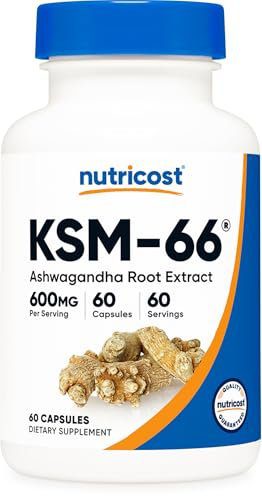
Nutricost KSM-66 Ashwagandha Root Extract 600mg, 60 Veggie Caps – 5% Withanolides – with BioPerine – Full-Spectrum Root Extract
Nutricost KSM-66 Ashwagandha Root Extract provides 600mg per veggie cap from full-spectrum root extract standardized to 5% withanolides, with BioPerine for absorption. This matches the clinically studied form of ashwagandha effective for lowering stress-related cortisol. 60 capsules per bottle.
If you only look closely at one herb for cortisol management, make it ashwagandha. It is one of the few “adaptogens” with multiple randomized controlled trials and meta-analyses suggesting measurable effects on stress markers, including cortisol in some studies.
A recent synthesis of randomized trials reported that ashwagandha supplementation reduced serum cortisol compared with placebo in stressed adults, with several studies using standardized extracts and 8-12 week protocols. One commonly cited trial found a notable cortisol reduction from baseline at 600 mg/day over 60 days. The key detail is not just the herb – it is the extract standardization and dose.
Mechanistically, ashwagandha’s withanolides appear to influence stress signaling through the HPA axis (hypothalamic-pituitary-adrenal axis). Think of the HPA axis like your body’s stress thermostat. Under chronic stress, that thermostat can run “too hot” too often. Adaptogens may help reduce overactivation rather than sedate you.
What to buy and how to dose (visual checklist)
- Look for a standardized extract (often 5% withanolides)
- Common studied extracts include KSM-66 and Sensoril
- Dose range: 300-600 mg/day
- Timing: morning for daytime stress, evening if it supports sleep for you
- Trial length: 8-12 weeks before judging results
Who should be cautious
Ashwagandha is not a fit for everyone. Talk with a clinician first if you:
- are pregnant or breastfeeding
- have thyroid disease or take thyroid medication (ashwagandha may affect thyroid hormones in some people)
- use sedatives or have significant insomnia sensitivity (some people feel too stimulated)
Actionable takeaway: if your stress feels “always on” and sleep is getting lighter, ashwagandha is often the best single herb to test – but choose a standardized extract and commit to an 8-week trial.
For more stress-focused options beyond cortisol, see Best Supplements for Stress Relief & Anxiety.
Magnesium: the foundational mineral most people overlook
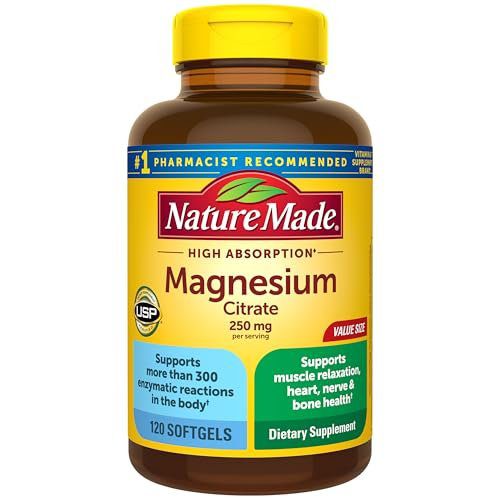
Nature Made Magnesium Citrate 250 mg per serving, Magnesium Supplements for Men and Women, Support for Muscle, Nerve, Bone and Heart, 120 Softgels, 60 Day Supply
Nature Made’s 250 mg magnesium citrate softgels use a highly absorbable form that supports muscle relaxation and nerve function—two factors relevant to managing physical stress responses. The 120-softgel bottle provides a 60-day supply at two softgels daily.
Magnesium is not a trendy cortisol hack. It is a basic mineral involved in hundreds of enzymatic reactions, including those tied to nerve signaling, muscle relaxation, and sleep quality. That matters because poor sleep and chronic stress can feed each other in a loop – and magnesium is one of the simplest ways to support the “downshift.”
Many adults do not consistently hit magnesium needs through diet alone, especially if they eat fewer legumes, nuts, seeds, and leafy greens. That gap is why magnesium is often a first-line supplement for stress-related symptoms.
Magnesium does not “block cortisol” like a drug. Instead, it may support parasympathetic activity (rest-and-digest) and improve sleep depth and efficiency in some people. Better sleep can help normalize the next day’s stress reactivity.
Best forms for stress and sleep (visual comparison)
| Form | Best use | Pros | Cons |
|---|---|---|---|
| Magnesium glycinate | sleep, anxiety, muscle tension | gentle on stomach; calming | can be pricier |
| Magnesium citrate | constipation + magnesium support | well absorbed; affordable | may loosen stools |
| Magnesium oxide | low-cost option | cheap | lower absorption; more GI issues |
| Magnesium L-threonate | cognitive focus | may cross BBB better | expensive; lower elemental Mg |
How to take it
- Dose: 200-400 mg/day (elemental magnesium)
- Timing: often best in the evening, 1-2 hours before bed
- Side effects: loose stools are the most common. If that happens, reduce dose or switch to glycinate.
If sleep is your main complaint, the deeper guide on Magnesium Supplement For Sleep can help you choose timing and form. If anxiety is the main driver, see Best Magnesium for Anxiety: Types & Benefits.
Actionable takeaway: if you are unsure where to start, magnesium (especially glycinate) is often the most practical first step because it supports sleep and relaxation while addressing a common dietary shortfall.
L-theanine and omega-3s: two “quiet” supplements that support stress resilience
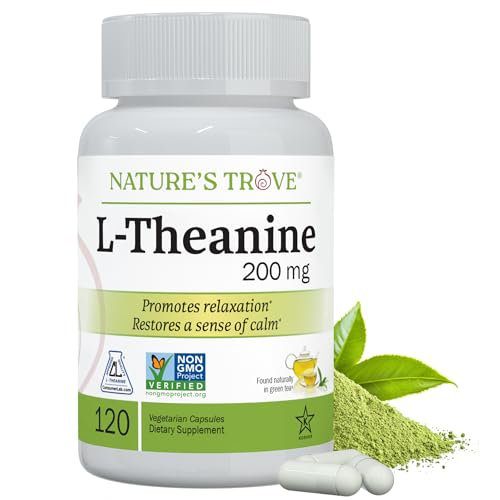
Nature’s Trove L-Theanine 200mg 120 Vegetarian Capsules
Nature’s Trove L-Theanine 200mg comes in 120 vegetarian capsules, providing a straightforward 200mg dose of the amino acid from green tea that’s GRAS by the FDA and formulated for relaxation without drowsiness. It’s a no-frills option for stress management, though individual results vary and it’s not third-party tested. Users report calmer moods and better focus in some cases, but effects aren’t universal.
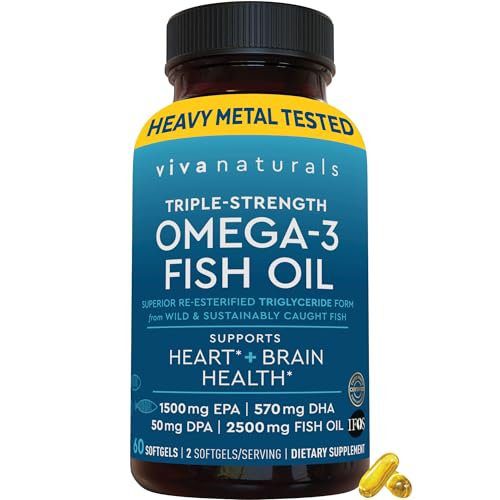
Viva Naturals Omega-3 Fish Oil, Triple Strength, 2500 mg, 60 Softgels – Re-Esterified Omega 3 Fatty Acids Including EPA, DHA, DPA – Pascatarian-Friendly
Viva Naturals Omega-3 Fish Oil delivers 2500 mg triple strength in 60 softgels, with re-esterified EPA, DHA, and DPA in triglyceride form for better absorption. Pescatarian-friendly using fish gelatin, it’s sourced from small wild-caught fish and molecularly distilled for purity, no fishy aftertaste reported. Fits stress management as omega-3s support brain function and reduce inflammation per user experiences.
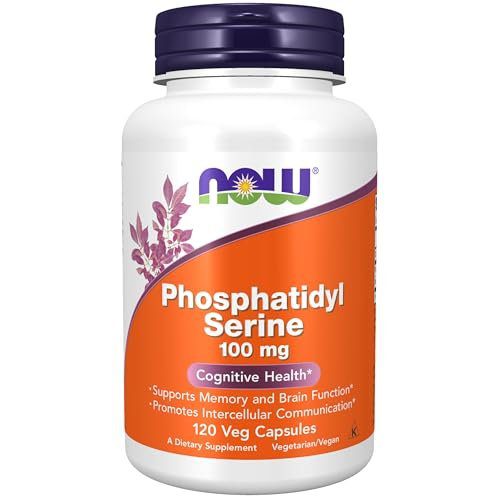
NOW Foods Supplements, Phosphatidyl Serine 100 mg with Phospholipid compound derived from Soy Lecithin, 120 Veg Capsules
NOW Foods Phosphatidyl Serine delivers 100 mg per capsule from soy lecithin phospholipids in a 120 veg capsule bottle. It supports cognitive health, memory, brain function, and intercellular communication as a component of neural membranes. Take 1 capsule 1 to 3 times daily with food.
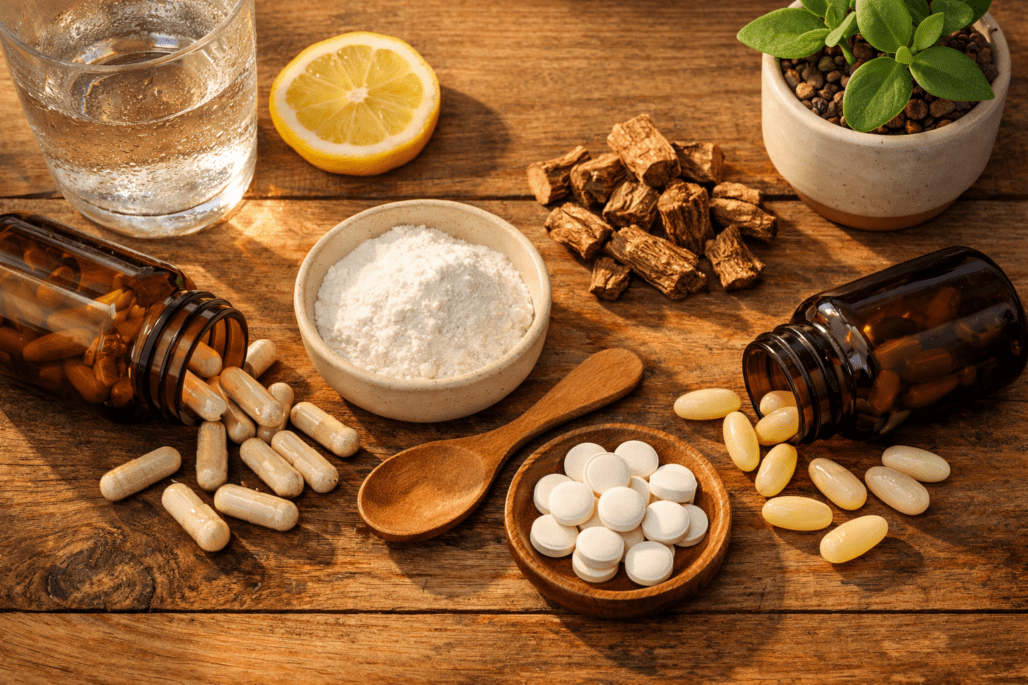
Some supplements work best as daily foundations rather than dramatic cortisol reducers. L-theanine and omega-3 fatty acids fit that profile. They are also easy to combine with magnesium or ashwagandha because they work through different pathways.
L-theanine for acute stress and calm focus
L-theanine is an amino acid found naturally in tea. It is popular because it can promote a calm, focused state without the heavy sedation some people feel from stronger calming supplements. Research suggests L-theanine influences neurotransmitters involved in relaxation and mood regulation, including GABA, serotonin, and dopamine.
In small human studies, L-theanine has been associated with reduced stress responses, including lower salivary cortisol after a stressor in some designs. The practical takeaway is that L-theanine tends to be most noticeable when stress is situational – presentations, travel days, social overload, or “too many tabs open” afternoons.
Typical dose: 100-200 mg, taken as needed or daily.
Omega-3s for stress physiology and recovery
Omega-3s (EPA and DHA) are better known for heart and brain support, but they also influence inflammation and cell signaling that intersect with stress physiology. In controlled research settings, omega-3 supplementation has been associated with improved stress resilience markers in some populations. A well-known line of research from Ohio State investigators has explored omega-3s and stress response outcomes, with higher daily intakes used in trials.
Typical dose in studies: often in the range of 1-3 grams per day of combined EPA+DHA, though needs vary.
Quick “when to choose what” guide (visual)
Choose L-theanine if you want:
- calm focus within 30-120 minutes
- help taking the edge off caffeine jitters
- a tool for acute stress days
Choose omega-3s if you want:
- long-term stress resilience support
- support for inflammation balance and recovery
- a supplement with broad health overlap
Actionable takeaway: if your stress is “spiky” and situational, test L-theanine first. If your stress is chronic and tied to recovery, mood, or inflammation, omega-3s are often the better long game.
Phosphatidylserine, rhodiola, magnolia bark, and key vitamins: smart add-ons (not mandatory)
Once you have the basics covered (sleep, nutrition, stress habits), certain add-ons can make sense. The mistake is starting with five supplements at once. A better approach is to add one targeted option based on your pattern – especially if your cortisol concerns are tied to exercise stress, perimenopause, or sleep onset.
Phosphatidylserine (PS)
Phosphatidylserine is a phospholipid found in cell membranes. It has research in the context of exercise-induced stress and may help with recovery and sleep initiation in some people. It is often used when someone feels “tired but wired” after intense training blocks or high workload periods.
Typical dose: 100-300 mg/day.
Rhodiola and magnolia bark
- Rhodiola rosea is another adaptogen often used for fatigue and stress tolerance. Evidence is mixed by extract type and dose, but it may help perceived stress and mental fatigue in some people. It can feel stimulating for certain individuals, so morning use is usually safer.
- Magnolia bark (often containing honokiol) is used for relaxation and sleep support. It is frequently included in multi-ingredient stress formulas.
If you are curious about broader adaptogen strategies, including mushrooms often marketed for stress, see Adaptogenic Mushrooms. (Mushrooms can be helpful for some goals, but they are not the most direct cortisol-targeted tools.)
Vitamins that support stress physiology (B5, B6, C)
B vitamins and vitamin C are involved in energy metabolism and adrenal hormone production pathways. They are not “cortisol blockers,” but deficiencies can make stress feel worse.
A food-first approach is usually best, especially for vitamin C. If you supplement, stay within established safety limits. The NIH Office of Dietary Supplements vitamin C fact sheet summarizes upper limits and side effects (like GI upset at high doses).
“Add-on” decision table (visual)
| If you relate to this… | Consider… | Notes |
|---|---|---|
| Overreached from training, restless at night | Phosphatidylserine | Often used for exercise stress patterns |
| Fatigue + mental fog under stress | Rhodiola | Can be stimulating; start low |
| Trouble winding down in the evening | Magnolia bark | Often in bedtime blends |
| Low produce intake, frequent illness, high stress | Vitamin C (food first) | Use supplements cautiously at high doses |
| Low protein intake, poor diet quality | B-complex | Avoid megadoses unless advised |
Actionable takeaway: treat these as “second layer” tools. Add one at a time, track sleep and mood for 2-3 weeks, and keep the rest stable.

How to build a simple cortisol supplement plan (and avoid common mistakes)
Most people do not need a complicated stack. They need the right supplement for the right pattern, taken consistently, with realistic expectations. Cortisol is dynamic – it changes by time of day, sleep debt, caffeine, and even how you measure it (blood vs saliva). So your plan should focus on symptoms and routines, not chasing a single number.
Step 1: pick your primary goal
Use this quick prompt:
- If your main issue is sleep, start with magnesium, then consider L-theanine at night or phosphatidylserine.
- If your main issue is daytime stress load, consider ashwagandha as the anchor.
- If your main issue is recovery and inflammation, consider omega-3s as a foundation.
Step 2: start low, add slowly (visual protocol)
- Start one supplement for 2-3 weeks
- Keep caffeine, alcohol, and bedtime consistent
- Track 3 markers:
- sleep latency (minutes to fall asleep)
- nighttime awakenings
- afternoon energy or cravings
- Add a second supplement only if needed
Step 3: avoid the four most common cortisol mistakes
- Mistake 1: Treating cortisol like a toxin. You need cortisol to wake up and function. The goal is healthier rhythm and recovery.
- Mistake 2: Taking everything at once. If you change five variables, you learn nothing about what worked.
- Mistake 3: Ignoring sleep timing. Late caffeine, bright screens, and irregular bedtimes can overpower supplements.
- Mistake 4: Using the wrong form or dose. Ashwagandha needs standardization. Magnesium form affects tolerance. Omega-3 quality matters.
Safety notes worth taking seriously
Check with a clinician if you:
- take blood thinners (omega-3s may interact at higher doses)
- take thyroid medication (ashwagandha may not be appropriate)
- are pregnant or breastfeeding
- have a diagnosed endocrine condition (Cushing’s, Addison’s, adrenal tumors)
- have persistent symptoms like unexplained weight change, severe insomnia, or high blood pressure
Actionable takeaway: the best plan is the one you can follow for 8 weeks. Start simple, measure outcomes that matter to you, and adjust based on response.
If you are stacking a few supplements for this, StackMyMed (our companion app) tracks what you actually take, schedules the best time for each one, and flags any combinations worth a second look.
Conclusion
The best supplements for cortisol are the ones that match your stress pattern and have real human evidence behind them. Ashwagandha has the strongest research for stress-related cortisol changes, magnesium is a practical foundation for sleep and relaxation, L-theanine can help with acute tension, omega-3s support long-term resilience, and phosphatidylserine may be useful for exercise stress and sleep onset.
A good next step is to choose one primary goal (sleep, calm, or recovery) and run a simple 6-8 week trial with one supplement before stacking. For a deeper comparison of options, revisit Supplements To Lower Cortisol and explore broader calming strategies in Best Supplements for Stress Relief & Anxiety.
As an Amazon Associate, I earn from qualifying purchases. Product recommendations are based on real reviews and independent research.
