
Affiliate disclosure: this article contains affiliate links. As an Amazon Associate, UsefulVitamins.com earns from qualifying purchases at no extra cost to you.
Keratosis pilaris is the rough, sandpaper-like bumps on the backs of your arms, your thighs, and sometimes your cheeks. Most people call it chicken skin. It is extremely common and completely harmless, which is the part nobody tells you when you are standing in the supplement aisle trying to fix it.
Here is the upfront truth this page is built on. No supplement has been tested in a proper trial against keratosis pilaris. What we have is a real link between certain nutrient shortfalls and the way the skin makes keratin, plus a lot of people who feel their bumps calmed down after they fixed their diet or started fish oil. That is worth knowing, but it is not the same as proof. So I will rank three supplements, grade each one fairly, and then point you at the cheap fix that actually moves the needle.
Why chicken-skin bumps form in the first place
KP is a traffic jam in your hair follicles. Each follicle has a lining that normally sheds old skin cells. In KP, those cells pile up and form a tiny hard plug of keratin, and a fine hair often gets trapped underneath. The result is a raised bump, sometimes with a faint red ring around it. Dermatologists call this follicular hyperkeratinization, which is a long way of saying the follicle is over-producing the tough protein that should be sloughing off.
According to DermNet NZ, KP affects 50 to 70 percent of teenagers and around 40 percent of adults, and it often eases as you get older. It runs in families, gets worse in dry winter air, and tends to travel with eczema-prone or dry skin.
So where do supplements fit? Two nutrients sit close to this keratin machinery. Vitamin A is the master regulator of how skin cells mature and shed, and follicular keratin plugs are a textbook sign of vitamin A deficiency. Zinc helps wound healing and skin-cell turnover, and zinc-deficiency states can produce their own hyperkeratosis. Omega-3 fats sit one step further out, keeping the skin barrier supple so bumps feel less rough even when they do not clear.
This is not the same problem as acne or the collagen-and-biotin glow-up pages you have seen. KP is about keratin in the follicle, not oil glands or skin protein. Treat it for what it is.
The 3 best supplements for keratosis pilaris, ranked honestly
A quick frame before the picks. The realistic outcome here is softer, less red, less rough skin over a couple of months – not bare arms. The visible work is done by topical exfoliation, which I cover below. Supplements support that from the inside.


As an Amazon Associate, UsefulVitamins.com earns from qualifying purchases at no extra cost to you.
Some links below are affiliate links. If you buy through them we may earn a small commission, at no extra cost to you. It never changes our ranking or our honest read of the evidence.
1. Vitamin A, taken as beta-carotene
This is the top pick, and the reasoning is mechanistic, not trial-based. Follicular keratin plugs are one of the classic skin signs of low vitamin A, because vitamin A tells skin cells when to mature and shed. Correct a genuine shortfall and the keratin traffic jam can ease.
Evidence grade: weak and indirect. There is a strong, well-documented link between vitamin A deficiency and follicular hyperkeratosis, but no controlled trial has tested vitamin A against keratosis pilaris in people who eat normally. Treat it as a reasonable bet if your diet is light on orange and leafy vegetables, not a guaranteed fix.
Why beta-carotene over retinol. Preformed vitamin A (retinol, retinyl palmitate) is fat-soluble and stockpiles in your liver, so too much is genuinely harmful. The NIH Office of Dietary Supplements sets the adult upper limit at 3,000 mcg RAE (about 10,000 IU) of preformed vitamin A per day, and the limit exists mainly because high doses cause birth defects. Beta-carotene is different. Your body only converts what it needs, no formal upper limit has been set, and it is not linked to those birth-defect risks – though no limit does not mean unlimited is safe. One firm exception: if you smoke, recently quit, or have had asbestos exposure, do not take beta-carotene supplements, because the large ATBC and CARET trials linked them to a higher risk of lung cancer in this group; get your beta-carotene from food instead. For most other people chasing KP, beta-carotene is the smarter form.
Dose. Around 5,000 to 10,000 IU of beta-carotene a day with a meal that has some fat. If you choose preformed retinyl palmitate instead, keep it well under 10,000 IU daily and stop if you notice headaches, dry lips, or joint aches, which are early signs of too much. For the difference between the two forms, see our retinol versus beta-carotene breakdown, and the deeper complete guide to vitamin A covers food sources.
Who it suits. Best for people whose diet is short on carrots, sweet potato, spinach, and liver, and who are not pregnant or trying to conceive. Not for current or former smokers or anyone with asbestos exposure, who should get beta-carotene from food rather than supplements.
2. Omega-3 fish oil (EPA and DHA)
Omega-3 fats are the barrier-support pick. They become part of the skin's outer layer and help it hold water, which is why dry, rough skin often feels smoother on a steady fish-oil habit. KP is a dry-skin condition at heart, so this is a logical add.
Evidence grade: weak and theoretical. No study has tested omega-3 specifically for keratosis pilaris. The case rests on essential-fatty-acid deficiency producing dry, scaly, bumpy skin, plus omega-3's general role in barrier health. Plenty of people report improvement, but anecdotes are not trials, so set expectations low.
Dose. A combined 1,000 to 1,500 mg of EPA plus DHA daily, taken with food, is the range used in most omega-3 research and is a sensible target here. Check the back label for the EPA and DHA numbers, not the total fish-oil weight, since a 1,000 mg capsule often contains only 300 mg EPA and 200 mg DHA. Our guide to omega-3 fish oil supplements walks through reading those labels.
Who it suits. Good if you rarely eat oily fish, if your skin is dry overall, or if you already take fish oil for another reason and want it to pull double duty. A blood-thinner caution applies, covered below.
3. Zinc (bisglycinate)
Zinc earns the third slot because it sits in the same biology as the first two. It is needed for skin-cell turnover and repair, and zinc-deficiency states can drive their own form of hyperkeratosis, as reviewed in this overview of zinc and skin disorders.
Evidence grade: weak, and really deficiency-only. The link between zinc deficiency and skin keratin problems is documented, but that is not the same as zinc clearing KP in someone with normal zinc levels. If your levels are fine, extra zinc is unlikely to do much, and overdoing it backfires.
Dose. 15 to 25 mg of elemental zinc a day, taken with food to avoid nausea. The adult upper limit is 40 mg per day, and long-term intakes above that block copper absorption and can cause a copper deficiency. Bisglycinate is gentle on the stomach and well absorbed. See our zinc supplement guide for forms and timing.
Who it suits. Best for people with a likely shortfall, such as vegetarians and vegans, since plant zinc is harder to absorb. If you are not in that group, this is the easiest of the three to skip.
| Supplement | Evidence | Typical dose | Best for |
|---|---|---|---|
| Beta-carotene (vitamin A) | Weak, indirect (deficiency link) | 5,000-10,000 IU daily with food | Low-veg diets; anyone unsure should avoid retinol |
| Omega-3 fish oil | Weak, theoretical (barrier support) | 1,000-1,500 mg EPA+DHA daily | Dry skin, little oily fish in the diet |
| Zinc bisglycinate | Weak, deficiency-only | 15-25 mg elemental daily with food | Vegetarians, vegans, likely low intake |
The free fix that does the real work
If you only do one thing, do this, and it costs nothing beyond a cheap tub of cream. Topical exfoliation and moisturizing are what visibly smooth KP. Supplements are the supporting act.
Start by stopping the harm. The NHS advises against hot water, harsh scrubs, and picking, all of which inflame the bumps and make them redder. Switch to lukewarm, shorter showers and a mild, fragrance-free cleanser.
Then build the habit:
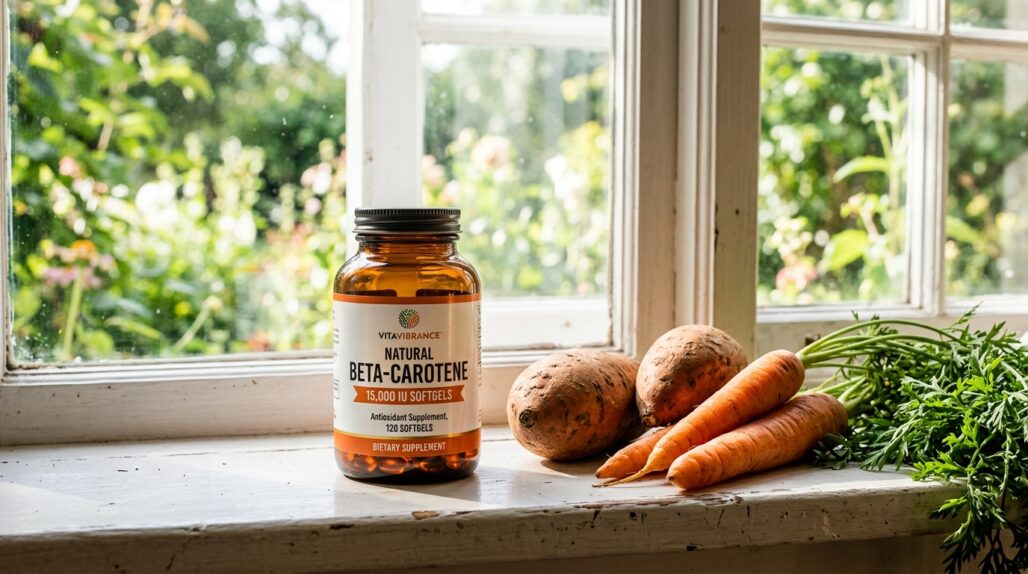
- Exfoliate chemically, not by scrubbing. A cream with urea, lactic acid, or salicylic acid dissolves the keratin plugs. Look for urea around 10 to 20 percent or lactic acid around 10 percent, used a few times a week. This is the single most effective at-home step.
- Moisturize twice a day, especially right after showering on damp skin, to lock in water. Dry skin makes the bumps worse.
- Use a soft washcloth or konjac sponge, gently, instead of a gritty body scrub.
- Eat the nutrients rather than only swallowing them. Orange and leafy vegetables for beta-carotene, oily fish for omega-3, and shellfish, seeds, or legumes for zinc. Food covers the deficiency angle on its own for many people.
Give any routine eight to twelve weeks. KP is chronic and stubborn, and DermNet is clear that there is no cure – the goal is calmer, smoother skin, and it often improves on its own with age anyway.
What does not work, and the easy mistakes
Aggressive scrubbing feels productive and makes things worse. So does loading up on high-dose preformed vitamin A in the hope that more is better – it is not, and it carries real risk. Stacking all three at once also means that if your skin improves, you will never know which one helped. Start with one, usually beta-carotene plus the cream routine, and add another only after a month.
When to see a doctor
Classic KP is harmless, but a few patterns mean it is something else and worth a visit.
- The bumps itch, ooze, or sit on red, flaky patches. That looks more like eczema, which needs different treatment.
- The bumps are tender, pus-filled, or spreading quickly. That can be folliculitis, a follicle infection, not KP.
- You are pregnant or trying to conceive. Do not take preformed vitamin A (retinol or retinyl palmitate). High doses are linked to birth defects, as detailed in this review of vitamin A toxicity. Use beta-carotene only, and check with your clinician first.
- You take a blood thinner such as warfarin or apixaban. Talk to your prescriber before adding fish oil, which can add to bleeding risk. Never start or stop a prescribed medicine on your own.
A dermatologist can confirm it really is KP and, if you want faster cosmetic results, discuss in-office options. Do not self-diagnose rough red bumps that do not behave like the textbook picture.
FAQ
Can supplements actually cure keratosis pilaris? No. KP is chronic and harmless, and no supplement has cleared it in a trial. The realistic goal is softer, less red skin, and topical exfoliation does most of the visible work.
Is vitamin A or beta-carotene safer for chicken skin? Beta-carotene, for most people. Your body converts only what it needs and it is not linked to birth defects, though no formal upper limit has been set. The exception is smokers, former smokers, and anyone with asbestos exposure, who should avoid beta-carotene supplements (ATBC and CARET trials linked them to higher lung-cancer risk) and get it from food. Preformed retinol is capped at 10,000 IU a day and can build up in the liver.
How long before I see a difference? Give any routine eight to twelve weeks. Skin-cell turnover is slow, and KP responds gradually if it responds at all. If nothing changes by then, the supplement was probably not your missing piece.
Will fish oil help my bumps? Maybe, modestly. There is no KP trial behind it, but omega-3 supports the skin barrier and many people with dry, rough skin feel smoother on it. Aim for 1,000 to 1,500 mg of EPA plus DHA.
Do I need a zinc supplement? Only if your intake is likely low, which is more common for vegetarians and vegans. Extra zinc on top of a good diet is unlikely to help your skin and, above 40 mg a day long term, can cause a copper deficiency.
How do I tell KP apart from eczema? KP is rough, dry bumps that are usually not itchy and follow the follicles on arms and thighs. Eczema tends to itch, weep, or sit on inflamed patches. If it itches or spreads, see a doctor.
The bottom line
If you want to try one supplement for keratosis pilaris, make it beta-carotene at 5,000 to 10,000 IU a day, and skip preformed retinol if there is any chance you are pregnant. Add omega-3 if your skin runs dry, and zinc only if your diet is short on it. But keep your expectations grounded: the evidence for all three is weak and mostly about correcting a deficiency, so the real smoothing comes from a urea or lactic-acid cream and a gentle, twice-daily moisturizing habit that costs almost nothing. See a doctor if the bumps itch, redden, spread, or simply do not look like the classic chicken-skin pattern, since that is the line between a cosmetic nuisance and a condition that needs treatment.
This article is for general information and is not medical advice. Talk to a doctor, dermatologist, or pharmacist before starting a supplement, especially if you are pregnant, breastfeeding, or take prescription medicine.
Reviewed by the UsefulVitamins Editorial Team.
