

Affiliate disclosure: this article contains affiliate links. As an Amazon Associate, UsefulVitamins.com earns from qualifying purchases at no extra cost to you.
If you're searching for the best supplements for Ozempic side effects, you're probably either newly titrating up and trying to ride out the nausea, or several months in and watching the scale drop faster than you expected while your jeans get loose in unflattering places.
Quick Answer: which supplements actually help with Ozempic side effects

The 2 to 3 we'd start with first:
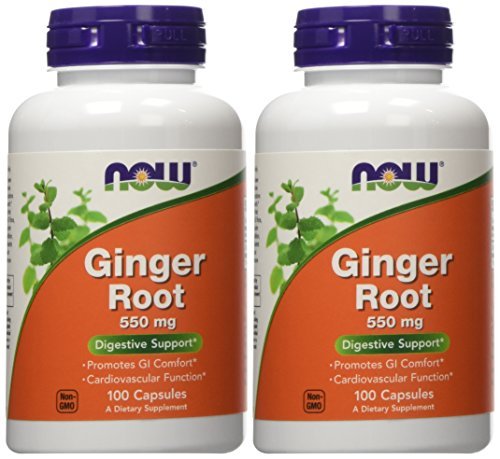
- Ginger (1 to 2 g/day, split): the only nausea adjunct with multiple RCTs behind it. Useful during titration weeks.
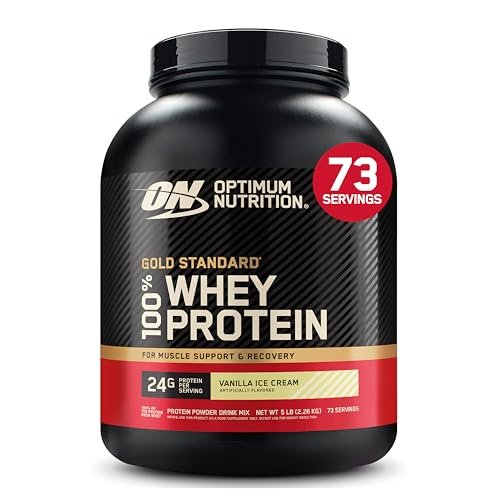
- Whey protein plus creatine monohydrate (1.6 g/kg/day total protein; 3 to 5 g creatine): the lean-mass protection layer, because rapid weight loss on GLP-1s preferentially burns muscle if protein intake is inadequate.
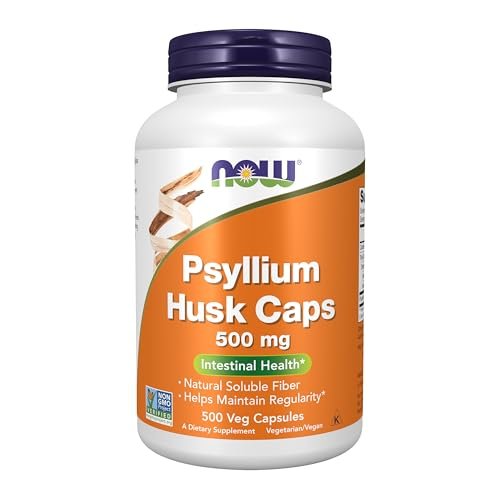
- Psyllium fiber (5 to 10 g/day) plus magnesium citrate (200 to 400 mg/day): the constipation pair, since slowed gastric motility plus reduced food volume is a near-universal Ozempic complaint.
Who should NOT start with these:
- Anyone with severe vomiting, signs of pancreatitis, gallstones, or unexplained abdominal pain. Stop self-managing and call your prescribing clinician.
- Anyone on insulin or a sulfonylurea who is already running low fasting glucose. Adding chromium or alpha-lipoic acid stacked on top can push you into hypoglycemia.
Do FIRST, before any supplement: talk to your prescribing clinician about dose titration. The Endocrine Society's 2023 obesity pharmacotherapy guidance is explicit that nausea and GI side effects are dose-dependent and usually resolve with slower titration or a brief dose hold. A supplement does not fix a too-fast titration schedule.
What Ozempic side effects actually are
Ozempic is the brand name for semaglutide, a GLP-1 receptor agonist FDA-approved for type 2 diabetes. The same molecule at a higher dose is sold as Wegovy for chronic weight management. Compounded semaglutide and the related tirzepatide (Mounjaro, Zepbound) share the same side-effect profile. The American Diabetes Association's Standards of Care 2024 place GLP-1 agonists in the first-line tier for type 2 diabetes patients with established cardiovascular disease or weight goals. So the standard of care is real, the prescribing rationale is solid, and most of the side effects come from the same mechanism that makes the drug work.
GLP-1 agonists slow gastric emptying, suppress appetite via central pathways, and improve insulin secretion in a glucose-dependent way. The five clusters of side effects that follow from that mechanism:
- GI upper: nausea, vomiting, early satiety, occasional gastroparesis-like symptoms. Most common during dose escalation, usually fade within 4 to 8 weeks.
- GI lower: constipation from slowed transit plus lower fiber and food volume.
- Lean-mass loss: any rapid weight loss preferentially strips muscle if protein intake and resistance training are inadequate. GLP-1 trials show roughly 25 to 40% of weight lost is lean mass without intervention.
- Micronutrient and hydration gaps: when you're eating 30% less food, your B-vitamin and electrolyte intake drops in lockstep. Dehydration is common because thirst signals are also blunted.
- Gallbladder events: rapid weight loss of any kind raises gallstone risk. GLP-1 trials show a small but consistent signal.
Standard of care for these side effects is dose titration, anti-emetics like ondansetron if severe, small low-fat meals, hydration, and clinician-monitored weight loss rate (not faster than 1 to 2% of body weight per week sustained). Supplements are a layer on top of that, not a substitute. If you're skipping the titration conversation with your prescriber, the supplement conversation is moot.
The supplements with the strongest evidence
Ginger (Zingiber officinale) for nausea
Why it helps: ginger's bioactives (gingerols, shogaols) act on 5-HT3 and substance P pathways, which is why it shows up in chemotherapy-induced nausea and pregnancy-induced nausea trials. The mechanism is plausible and well-mapped.
What the trials show: a 2012 systematic review and meta-analysis of ginger across pregnancy, postoperative, and chemotherapy-induced nausea found a consistent reduction in nausea severity scores, with effect sizes typically reported as a 1 to 2 point reduction on 0 to 10 visual analog scales. No RCT specifically tests ginger against GLP-1-induced nausea yet. The extrapolation is reasonable because the receptor pathway is shared, but call it what it is: extrapolation, not direct evidence.
Dose used in trials: 1 to 2 g of dried ginger root extract per day, typically split into two or three doses. Higher doses (4 g/day) do not appear to add benefit and worsen heartburn in some users.
Form to look for: standardized ginger extract capsules with stated gingerol content, or fresh ginger tea. Crystallized ginger candies work for mild nausea but contain a lot of sugar, which is not what you want on a GLP-1.
Skip if: you are on warfarin or another anticoagulant (the NIH ODS and Drugs.com interaction checker both note a theoretical bleeding-risk interaction at the 2 to 4 g/day range), or if you have an active gallstone (ginger increases bile flow).
Whey protein plus creatine monohydrate for lean-mass preservation
Why it helps: when you're eating 30 to 40% less food, your dietary protein drops in absolute terms even if the percentage stays the same. Lean-mass loss on a GLP-1 is the side effect most likely to bite you 6 months in, when the weight is off but you've lost strength, your resting metabolism has dropped, and rebound becomes more likely.
What the trials show: a 2018 meta-analysis of higher-protein diets during caloric restriction found preservation of fat-free mass and improved body composition compared with standard-protein controls. The effect size translates to about 1 to 2 kg of preserved lean mass over a 12 to 16 week deficit. For creatine, the International Society of Sports Nutrition 2017 position stand summarizes that 3 to 5 g/day of creatine monohydrate plus resistance training reliably increases lean mass by roughly 1 to 2 kg over 8 to 12 weeks, with the largest absolute benefit in adults over 50 who are losing muscle from caloric restriction.
Dose used in trials: total protein intake of 1.6 g/kg/day (so a 75 kg person targets 120 g protein/day across all sources). Creatine 3 to 5 g/day, no loading phase needed.
Form to look for: unflavored whey isolate (easier on a GI tract that's already slow), or pea-rice blend if you're dairy-intolerant. For creatine, micronized monohydrate. Skip "creatine HCl", "buffered creatine", or any branded form claiming to be superior to monohydrate. None of those forms have shown meaningful advantage in head-to-head trials.
Skip if: you have significantly impaired kidney function (eGFR < 60). Both high-protein intake and creatine raise serum creatinine, and your nephrologist should be in the loop before you add either.
Actionable takeaway: if you take only two supplements from this entire article, take a daily whey protein scoop and creatine. The nausea will resolve as you titrate. The lean-mass loss will not resolve on its own.
Psyllium fiber plus magnesium for constipation
Why it helps: slowed gastric emptying plus reduced food volume means less mechanical and osmotic drive in the colon. Psyllium adds bulk and pulls water into stool; magnesium pulls water osmotically.
What the trials show: a systematic review of psyllium for chronic constipation found roughly 1 to 2 additional bowel movements per week with 5 to 10 g/day, with NNT around 3 to 5 for symptom improvement. That's a real but modest signal. Magnesium does not have GLP-1-specific constipation trials, but the NIH ODS magnesium fact sheet and decades of clinical use support magnesium citrate or oxide as effective osmotic laxatives at 200 to 400 mg.
Dose used in trials: psyllium 5 to 10 g/day, started low (3 g) and titrated up over a week to avoid bloating. Magnesium citrate 200 to 400 mg in the evening.
Form to look for: unsweetened psyllium husk powder or capsules. For magnesium, citrate or glycinate (the latter if you also want to avoid loose stools at higher doses). Skip magnesium oxide if you need a daily option, since the elemental absorption is low and the laxative effect is unpredictable. For vetted psyllium and acacia picks with dosing built around slowed gastric emptying, see our roundup of fiber supplements for GLP-1 users.
Skip if: you take metformin. The combination of metformin's GI side effects plus magnesium's osmotic pull can produce diarrhea in some patients. Space the doses 4 hours apart or use magnesium glycinate, which is gentler. If you have impaired kidney function, magnesium accumulates and can cause hypermagnesemia. Check with your clinician before adding.
Supplements with moderate evidence (consider with caveats)
Vitamin B6 (pyridoxine) for nausea
Worth considering as an alternative or addition to ginger, with caveats. A 2018 RCT comparing pyridoxine 25 mg to ginger 250 mg for pregnancy-induced nausea found both reduced symptoms, with similar effect sizes. No GLP-1-specific trial exists. Pyridoxine has decades of safety data at 25 mg/day. The trial that established this dose used it in pregnant women whose nausea was hormone-driven; the GLP-1 nausea pathway is partly different (central appetite suppression plus delayed gastric emptying), so the absolute risk reduction extrapolation is uncertain. Try if ginger alone is not enough. Cap at 100 mg/day; chronic intake above 200 mg/day has been linked to peripheral neuropathy.
Electrolyte mix for hydration
Worth considering if you're eating significantly less and experiencing dizziness on standing, dark urine, or muscle cramps. Sodium intake drops because food intake drops, and GLP-1s blunt thirst cues. There are no GLP-1-specific electrolyte RCTs. The mechanism is straightforward physiology. A simple electrolyte mix providing roughly 500 mg sodium, 200 mg potassium, and 50 to 100 mg magnesium in 16 oz of water, taken once or twice daily, is reasonable. Skip if you have heart failure, uncontrolled hypertension, or chronic kidney disease, where sodium and potassium loads need clinical management.
Methylated B-complex (B12 specifically)
If your food intake has dropped by 30%+, your B-vitamin intake has dropped with it. B12 deficiency is the one most likely to bite, because hepatic stores buffer for months and the deficit shows up late as fatigue, neuropathy, or anemia. Population-level evidence is solid; GLP-1-specific evidence is mostly inferred. A B-complex with methylcobalamin (500 to 1000 mcg) and methylfolate (400 to 800 mcg) covers the bases. If you're already on metformin, ask your clinician about a baseline serum B12, because metformin independently lowers B12 absorption over years.
Popular but evidence-thin
Berberine
Berberine is widely recommended on social media as a "natural Ozempic" or as a stack to enhance GLP-1 effects. The actual evidence is thin. Some small trials show modest HbA1c reductions in type 2 diabetes, but no trial has tested berberine specifically as an adjunct to GLP-1 therapy. Stacking berberine on top of semaglutide plus metformin plus possibly a sulfonylurea raises the hypoglycemia risk, especially during the dose-titration window when the GLP-1 effect is variable. The real question isn't whether berberine "works", it's whether the marginal benefit justifies the polypharmacy risk in a patient who's already on a glucose-lowering regimen that's working. For most patients on Ozempic, the answer is no.
Glutamine for "gut healing"
Glutamine is marketed for everything from GI symptoms to gut barrier repair. Evidence for routine use in GLP-1-related GI symptoms is essentially absent. Mechanism is plausible (enterocyte fuel), the trials are not there. Skip unless you're working with a clinician on a specific indication like short-bowel syndrome.
What to look for when buying
- Form matters. Magnesium citrate or glycinate, not oxide for daily use. Methylcobalamin, not cyanocobalamin, for the B12 fraction. Creatine monohydrate, not the branded "advanced" versions.
- Third-party testing. Look for USP Verified, NSF Certified for Sport, or ConsumerLab Approved marks on the label. Whey protein especially is worth buying from a tested brand because spike-testing (adding cheap amino acids to inflate protein content) is a documented industry problem.
- Red flags. Proprietary blends without per-ingredient mg listed, "natural Ozempic" marketing, brands claiming to "boost GLP-1 production" without trial citations, or anything sold via an MLM structure.
- Dosing strategy. Take fiber and magnesium 2 to 4 hours apart from oral medications, because both can blunt absorption. Whey and creatine fit easily into a post-workout shake or breakfast.
When supplements are not enough
Stop self-managing and call your clinician if you have any of these. None are improved by adding a supplement.
- Persistent vomiting beyond the first week of a dose increase, inability to keep fluids down, or signs of dehydration (lightheadedness, dark urine, racing heart). This warrants a dose hold or anti-emetic, not a supplement.
- Severe upper abdominal pain radiating to the back, especially with vomiting. Pancreatitis is a known though rare GLP-1 risk and is a same-day clinical evaluation.
- Right-upper-quadrant pain, fatty meal intolerance, or jaundice. Gallstones during rapid weight loss are a known signal.
- Symptomatic hypoglycemia (shakiness, sweating, confusion) if you're also on insulin or a sulfonylurea. The dose of the background drug usually needs adjustment.
- Unexplained lean-mass loss despite adequate protein, severe fatigue, or new neuropathy. Worth a clinic visit and basic labs (CBC, ferritin, B12, comprehensive metabolic panel).
FAQ
Q: Can I take a multivitamin instead of all these separate supplements? A multivitamin covers the B-complex layer reasonably. It does not provide enough protein, creatine, or fiber to matter. Use the multi as the floor, then add what's targeted to the specific side effect you're managing.
Q: Will fiber make my constipation worse if my gastric emptying is already slow? Possibly, if you start at a high dose without enough fluid. Begin at 3 g/day psyllium with a full glass of water, then titrate up over a week. If bloating worsens at any dose, drop back and add magnesium instead.
Q: How much weight loss is too fast? The Endocrine Society obesity pharmacotherapy guidance suggests aiming for 1 to 2% of body weight per week as a sustainable rate. Faster than that for more than a few weeks raises gallstone risk and accelerates lean-mass loss. A scale dropping 4 to 5 pounds a week is a reason to talk to your prescriber, not a reason to celebrate.
Q: Does ginger interact with my blood pressure or diabetes medications? At culinary doses, no. At 2 to 4 g/day of extract, there's a theoretical interaction with anticoagulants (warfarin, apixaban) per Drugs.com. For metformin, insulin, and sulfonylureas, ginger alone is not clinically significant.
Q: Should I keep taking these supplements once I'm stable on my Ozempic dose? The nausea-targeted supplements (ginger, B6) can stop when nausea resolves. The lean-mass and constipation supplements should continue as long as you're in caloric deficit. The B-complex is reasonable to continue as long as food intake stays reduced.
If you are stacking a few supplements for this, StackMyMed (our companion app) tracks what you actually take, schedules the best time for each one, and flags any combinations worth a second look.
Conclusion: the bottom line on best supplements for Ozempic side effects
For most patients on Ozempic, the supplements that earn their place are the ones that target the side effect most likely to show up: ginger (and possibly B6) during the dose-titration nausea window, psyllium plus magnesium for constipation, and whey protein plus creatine for the lean-mass loss that quietly accumulates over months. The realistic effect sizes are modest to moderate. Ginger reduces nausea by roughly 1 to 2 points on a 10-point scale. Whey plus creatine preserves about 1 to 2 kg of lean mass. Psyllium adds 1 to 2 bowel movements per week. None of those are dramatic. All of them are real signals at the margin of a treatment that's already doing most of the work.
The bigger framing: GLP-1 therapy works best when dose titration is patient, lifestyle changes (resistance training, protein-forward meals, adequate fluid) are non-negotiable, and the supplement stack is a layer on top of clinician-monitored treatment, not a workaround for it. A supplement brand can market itself as "GLP-1 support" and still miss the basics of what makes the medication tolerable.
Next steps:
- Talk to your prescribing clinician about the titration schedule before adding any of these adjuncts, especially if you're also on insulin, a sulfonylurea, or metformin. Our team's editorial standards for supplement reviews explain how we weight RCT vs extrapolated evidence.
- If your underlying condition is type 2 diabetes, layer the GLP-1 conversation onto the broader nutrient-and-medication picture in Best Supplements for Type 2 Diabetes.
- For the related but distinct question of supplements that support GLP-1 production naturally (rather than managing the side effects of pharmacologic GLP-1s), see Best GLP-1 Support Supplements.
This article is for informational purposes and not medical advice. GLP-1 receptor agonists like Ozempic interact with multiple medications and conditions. Consult your prescribing clinician before adding or changing supplements, particularly if you are pregnant, nursing, taking other glucose-lowering or cardiovascular medications, or managing a chronic condition.
Reviewed by Michael Ward, MD MPH, Preventive Medicine, focused on guideline-based chronic disease management.
Top picks on Amazon
As an Amazon Associate, I earn from qualifying purchases. Product recommendations are based on real reviews and independent research.
