
Two peptides are mentioned together so often in injury-recovery communities that some people assume they are the same compound. They are not. BPC-157 and TB-500 have different structures, different primary mechanisms, and different regulatory classifications — yet both occupy the same grey zone: animal data that is genuinely interesting, human data that is nearly absent, and a legal framework that actively restricts both. Vendors selling the pair describe it as a "synergistic recovery stack." Forums discuss dosing protocols in granular detail. Almost none of that discussion references the core problem. If you have seen the stack promoted as a recovery accelerator and want to understand what the research actually supports, the honest answer is: animal models look promising, but no human randomized controlled trial has tested either compound individually, and none has tested the combination at all.
Summary: What Are BPC-157 and TB-500, and Do They Work Together?
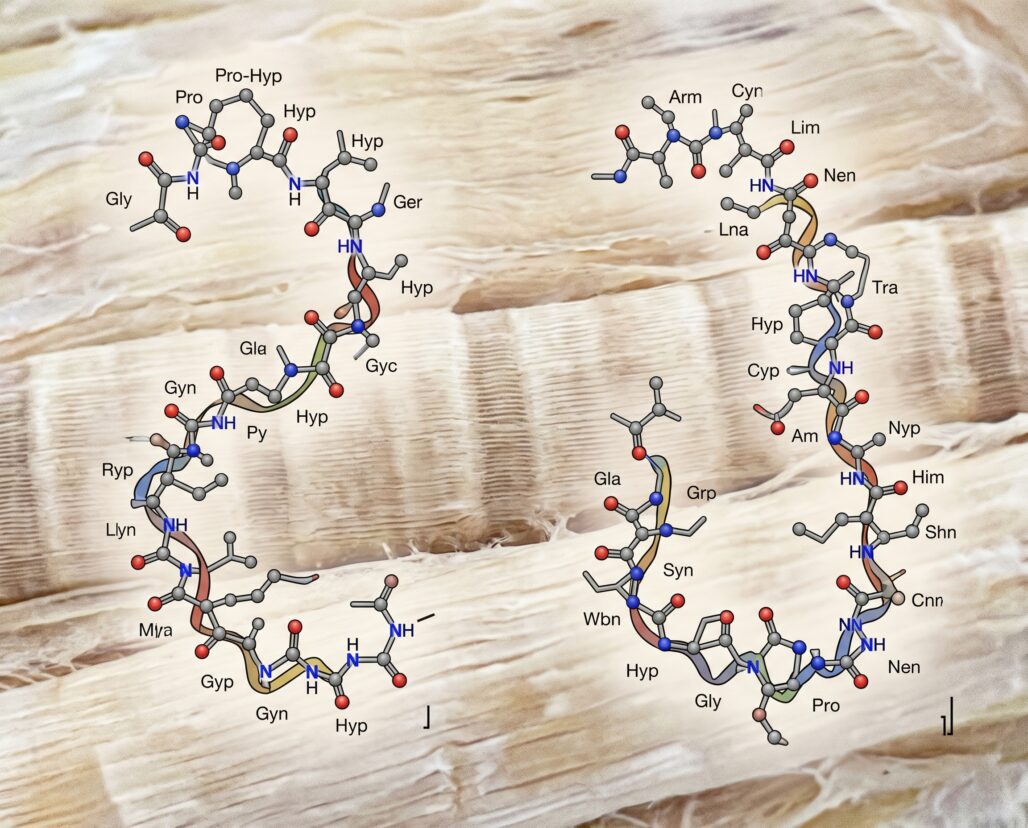
BPC-157 is a synthetic 15-amino-acid peptide derived from a protein in human gastric juice. TB-500 is a synthetic 17-amino-acid fragment of thymosin beta-4, a naturally occurring protein found in virtually all human cells. Both have been studied in animal models for tissue repair. Neither has completed a phase 2 or phase 3 human clinical trial. Neither is approved by the FDA for any therapeutic use. Both are classified as Category 2 bulk drug substances under the FDA's 503A compounding framework — meaning they cannot be legally compounded by 503A pharmacies for human use.
The "stack" that circulates in forums pairs them because their proposed mechanisms are complementary on paper: BPC-157 targets vascular regrowth and fibroblast signaling, while TB-500 targets actin dynamics and cell migration. Whether that complementarity translates into additive benefits in humans is an open question with no published answer.
This article goes deep on BPC-157's biology and TB-500's mechanism separately. Here, the focus is on what distinguishes them and what the stacking rationale actually rests on.
Both Peptides at a Glance
BPC-157 (Body Protection Compound 157) is sometimes called the "stable gastric pentadecapeptide" in peer-reviewed literature. It was isolated from human gastric juice by researchers at the University of Zagreb in the early 1990s and has been studied primarily by that same Croatian research group. Its 15-amino-acid sequence is short enough to be synthesized reliably in a laboratory setting, and it shows unusual stability under physiological conditions, including resistance to degradation in stomach acid.
TB-500 is not a naturally occurring molecule. It is a synthetic fragment — specifically amino acids 17 to 23 — of thymosin beta-4, a 43-amino-acid protein encoded by the TMSB4X gene. Thymosin beta-4 is found in platelets, lymphocytes, and most nucleated cells throughout the body. The TB-500 fragment was developed to replicate the actin-binding and cell-motility functions of the parent molecule at a lower molecular weight. When researchers or forum posters refer to TB-500, they mean this synthetic fragment, not the intact thymosin beta-4 protein. It is also a different compound from thymosin alpha-1, an immune peptide that shares only the name — the comparison of thymosin alpha-1 and beta-4 covers that distinction.
Neither compound is a hormone, steroid, or selective androgen receptor modulator. Neither directly stimulates testosterone, estrogen, or cortisol pathways. The comparison to steroids that appears frequently in gym communities is a misleading shorthand. These are structural signaling peptides with proposed roles in inflammation resolution and tissue repair — not anabolic agents in the conventional sense.
Mechanism Similarities and Differences
The surface-level similarity between BPC-157 and TB-500 is that both appear to accelerate healing in animal models. The mechanisms are distinct enough that they are worth understanding separately before evaluating the stacking logic.
BPC-157: vascular and fibroblast pathway. The most consistent mechanistic finding across BPC-157 animal studies is activation of the nitric oxide (NO) system via the Akt-eNOS signaling cascade. This promotes endothelial cell proliferation and vasodilation in damaged tissue, which supports angiogenesis — the growth of new blood vessels into injured areas. Tendon and ligament tissue is hypovascular by nature, meaning poor blood supply is one reason it heals slowly. A compound that promotes neovascularization into these tissues addresses a genuine bottleneck. Gwyer et al. (PMID 30915550) reviewed the evidence and noted that BPC-157 shows "consistently positive and prompt healing effects" across soft tissue types in animal models, with the vascular mechanism cited as a central driver.
Separately, Chang et al. (PMID 21030672) demonstrated in tendon explant cultures that BPC-157 markedly increased fibroblast migration in a dose-dependent manner. The phosphorylation of focal adhesion kinase (FAK) and paxillin — proteins involved in cell-matrix attachment and directional movement — was dose-dependently increased. Cell survival under oxidative stress was also significantly improved. These findings point to a mechanism that promotes fibroblast recruitment and survival at the injury site, complementary to the vascular effects.
TB-500: actin sequestration and cell migration. Thymosin beta-4's primary biological role is as an actin-sequestering protein — it binds free G-actin monomers inside cells, which regulates the dynamic assembly and disassembly of actin filaments that cells use to move. When a cell needs to migrate toward an injury site, it polymerizes actin at its leading edge. Thymosin beta-4 modulates this process by controlling the available pool of monomeric actin. Hannappel (PMID 17468232) identified this sequestration function as thymosin beta-4's defining role and the basis for its influence on wound healing.
The downstream effects include stimulation of keratinocyte and endothelial cell migration and promotion of angiogenesis through a separate pathway from BPC-157's NO system. Malinda et al. (PMID 9194528) showed in a 1997 FASEB study that thymosin beta-4 stimulated directional migration of human umbilical vein endothelial cells four- to sixfold compared to controls, with increased matrix metalloproteinase production that facilitates basement membrane degradation during vessel formation. The compound also suppresses apoptosis and carries anti-inflammatory properties, as demonstrated in corneal healing models (PMID 19668473).
The key mechanistic distinction. BPC-157 works primarily upstream — promoting the vascular infrastructure that healing requires. TB-500 works primarily at the cellular movement level — enabling cells to physically migrate into and reorganize within injured tissue. In theory, these are sequential requirements for repair: you need vessels to deliver cells, and you need cells that can migrate and remodel. This is the biological logic behind stacking them.
Animal Evidence: What Studies Actually Show
The animal literature for both compounds is real, peer-reviewed, and conducted across multiple species and injury types. The critical caveat is the same for both: rodent healing physiology differs from human healing in ways that have repeatedly caused promising preclinical compounds to fail in clinical trials.
BPC-157 in animal tendon models. The 2025 systematic review by Vasireddi et al. (PMID 40756949) examined 36 studies from 1993 to 2024, finding consistent evidence of benefit across rat Achilles tendon, rabbit tendon-to-bone attachment, and various ligament injury models. Measured outcomes included the Achilles Functional Index, load-to-failure force, stiffness, and histological collagen organization. Seiwerth et al. (PMID 34267654) documented VEGF pathway activation within minutes of BPC-157 administration in rat wound models, with rapid gene-expression changes including VEGFA and Mapk signaling.
TB-500 in animal wound and corneal models. Philp et al. (PMID 12581423) studied thymosin beta-4 in db/db diabetic mice and aged mice — two models that represent impaired healing conditions. In aged animals, thymosin beta-4 accelerated wound closure with increases in keratinocyte migration, wound contracture, and collagen deposition. The actin-binding domain fragment (amino acids LKKTETQ) produced comparable results to the full molecule, confirming the mechanistic specificity of the migration-promoting effect. Sosne et al. (PMID 19668473) documented corneal re-epithelialization, anti-inflammatory cytokine modulation, and apoptosis suppression in rabbit corneal injury models.
The stack in animal research. No peer-reviewed published study has tested BPC-157 and TB-500 simultaneously in an animal model with a rigorous design comparing the combination to each compound alone. The stacking rationale is built on mechanism extrapolation, not direct experimental evidence — even in animals. That is an important distinction that most forum discussions omit.
The Stacking Rationale and What Is Actually Published
The case for combining BPC-157 and TB-500 rests on three premises: their mechanisms are non-overlapping, their tissue targets are the same, and additive effects are biologically plausible. All three premises are reasonable. None of them has been tested in a human being in a controlled study.
The forum logic runs roughly as follows: BPC-157 builds new vasculature into the damaged tissue while TB-500 enables cells to migrate through that new vascular landscape and reorganize the extracellular matrix. If both mechanisms contribute to healing, running them simultaneously — or sequentially — should produce faster or more complete repair than either alone. This is the same logic used to combine drugs with complementary mechanisms in oncology or infection — but in those fields, the combinations are tested rigorously before anyone recommends them. Here, the combination has no published human randomized controlled trial. It also has no published animal study with a factorial design testing the interaction term. The stacking is, at present, a mechanistic hypothesis supported by inference, not data.
That does not make the hypothesis wrong. It makes the current evidence base insufficient to evaluate it. For those exploring peptide stacking for injury recovery, the evidence gap is the most important thing to understand before making any decision.
Side-by-Side Comparison
| Property | BPC-157 | TB-500 |
|---|---|---|
| Structure | Synthetic 15-amino-acid peptide | Synthetic 17-aa fragment of thymosin beta-4 |
| Natural origin | Derived from human gastric juice sequence | Fragment of endogenous thymosin beta-4 protein |
| Primary mechanism | Nitric oxide / Akt-eNOS; VEGF; FAK-paxillin signaling | Actin sequestration; cell migration; MMP production |
| Main tissue target | Tendon, ligament, GI tract, vascular endothelium | Tendon, cornea, skin, cardiac tissue |
| Animal evidence quality | Extensive (36+ studies, multiple species) | Moderate (multiple models, several research groups) |
| Human RCT data | None completed at phase 2 or 3 scale | None completed at phase 2 or 3 scale |
| FDA approval status | NOT FDA-approved; Category 2 503A bulk drug substance | NOT FDA-approved; Category 2 503A bulk drug substance |
| WADA status | Section S0 — Non-Approved Substances (banned) | Section S2.3 — Growth Factors, explicitly named (banned) |
| Oral bioavailability (animal) | Studied; shows activity via oral route in rodents | Not established; primarily studied via injection in animals |
| Half-life (animal data) | Approximately 66-69 hours in rats | Not well characterized in published peer-reviewed literature |
Regulatory Status: FDA and WADA
Both BPC-157 and TB-500 are NOT FDA-approved for any therapeutic indication. Both carry FDA Category 2 bulk-drug-substance status under the 503A compounding framework, which means they cannot be legally compounded by 503A pharmacies for use in human patients. This is not a technicality — it is an active enforcement position. The FDA has sent warning letters to compounders producing these substances and has named them explicitly in regulatory communications about unapproved peptides marketed for therapeutic use.
For athletes subject to anti-doping testing, the regulatory picture is even clearer. The WADA Prohibited List classifies the two compounds under different sections:
BPC-157 falls under Section S0 (Non-Approved Substances). WADA's S0 category covers any pharmacological substance with no current approval by any governmental regulatory health authority for human therapeutic use. The prohibited list explicitly names BPC-157 within this section. Violations under S0 are treated as non-specified substance violations, which carry the full standard sanction of up to four years for a first offense. There is no "I did not know it was on the list" defense once S0 is read carefully — its language is deliberately broad.
TB-500 falls under Section S2.3 (Growth Factors and Growth Factor Modulators). The WADA prohibited list explicitly names "Thymosin-beta4 and its derivatives e.g. TB-500" in this section, which covers substances affecting muscle, tendon or ligament protein synthesis, vascularization, energy utilization, regenerative capacity, or fiber type switching. Like S0, S2.3 violations are non-specified, meaning they carry the full standard sanction. The explicit naming of TB-500 by its grey-market label in the prohibited list is unusual and reflects how widespread its use had become in tested-sport communities before WADA added the specific callout.
Neither compound is legal to obtain from a compounding pharmacy in the United States under current FDA rules, and both are banned for any athlete in a WADA-compliant tested sport regardless of how they are sourced.
Pregnancy and nursing: both compounds should be avoided entirely. There are no safety data in pregnant or nursing humans, and the absence of evidence is not evidence of safety in that context.
Frequently Asked Questions
Can you legally buy BPC-157 or TB-500? In the United States, both are Category 2 bulk drug substances that cannot be legally compounded for human use under 503A rules. They are sometimes sold as "research chemicals" or "research peptides," which is a regulatory workaround that does not confer any legal right to use them for human therapeutic purposes.
Is one safer than the other? Neither has completed phase 2 or phase 3 human safety trials. BPC-157 has a slightly larger human pilot dataset — still very small — and no observed toxicity at an LD1 threshold in animal models. TB-500 has less published human data. Calling either compound "safe" in humans is not supported by the evidence.
Do they work differently enough to stack? The mechanistic rationale for stacking is biologically plausible — non-overlapping targets, complementary sequence of action. Whether the combination produces additive benefit in humans is unknown. No human or animal study with a factorial design has tested this directly.
Are there legal alternatives for tendon and tissue recovery? Physical rehabilitation, eccentric loading protocols, platelet-rich plasma (where evidence supports its use), and FDA-approved anti-inflammatory management are all within the established evidence base for tendon recovery. None of them carry the regulatory and unknown-safety profile of grey-market peptides.
Why do athletes use these despite the WADA ban? Detection windows for peptides can be short, and testing outside competition periods is less frequent. That is the practical reason, not a justification. A positive test for either compound carries the same consequences as a positive test for any non-specified substance.
If you are managing a protocol like this, StackMyMed (our companion app) keeps your doses, timing, and interaction checks in one place. It does not replace medical advice — bring the log to your clinician.
Conclusion
BPC-157 and TB-500 are two of the more scientifically interesting peptides circulating in recovery-focused communities, and the animal evidence behind each of them is more rigorous than for many compounds that attract similar attention. The mechanistic rationale for combining them is coherent. None of that changes the core facts: no human randomized controlled trial has been completed for either compound individually, no human data exists for the combination, both are explicitly prohibited for tested athletes, and both are excluded from legal U.S. compounding under the FDA's current framework.
The gap between "works in rats" and "proven for human recovery" is the most important gap in this entire discussion. Researchers continue to publish animal studies and small human pilots on BPC-157 in particular, and the literature will mature over the next several years. Until that matures into robust phase 2 and phase 3 data, anyone using either compound is running an experiment on themselves with an incomplete evidence base and a real regulatory exposure.
For anyone interested in the deeper biology, the separate deep-dive articles on BPC-157 and TB-500 cover the full mechanism and human data landscape in detail.
This article is for informational purposes only and does not constitute medical advice, diagnosis, or treatment. BPC-157 and TB-500 are not FDA-approved for any therapeutic use and are classified as Category 2 bulk drug substances that cannot be legally compounded under 503A rules. Both are prohibited under the WADA Prohibited List — BPC-157 under Section S0, TB-500 under Section S2.3. Consult a licensed healthcare provider before making any decisions about peptide use. Do not use either compound during pregnancy or while nursing.
