
Affiliate disclosure: this article contains affiliate links. As an Amazon Associate, UsefulVitamins.com earns from qualifying purchases at no extra cost to you.
If you're searching for the best supplements for swimmers, you're probably training six to ten sessions a week, staring at the bottom of a chlorinated indoor pool through the winter, and wondering whether anything beyond food and sleep moves your 200 split or keeps your shoulders intact.
Quick Answer: which supplements actually move the needle for swimmers?
For most healthy adult swimmers, daily protein at the right total dose, caffeine 45 to 60 minutes before a hard session or meet, beta-alanine across a training block, iron only if a blood test shows you need it, and vitamin D for indoor-trained athletes in winter cover essentially all the high-evidence wins. Omega-3 and creatine are sensible adjuncts. Almost everything else is optional.
- Best for: club, masters, and collegiate swimmers training year-round indoors; female and adolescent swimmers with documented low ferritin; sprinters racing 50 to 200 m freestyle and IM; athletes training in northern latitudes from October through March.
- Not ideal for: anyone supplementing iron without a ferritin and CBC; pregnant swimmers using race-dose caffeine without obstetric sign-off; drug-tested athletes using anything not on the NSF Certified for Sport or Informed Sport lists.
- What to do FIRST: get a swim-physical that includes a CBC, ferritin, and 25-hydroxyvitamin D; lock in 1.4 to 1.7 g/kg/day of protein from food across the day; sleep eight hours; build shoulder strength and stroke mechanics before stacking pills.
What swimming actually demands
Competitive swimming is a chronic mixed aerobic-anaerobic stress with two footprints runners and cyclists do not share. The first is high lactate work: a 4,000 to 8,000 m practice across multiple intensity zones produces some of the heaviest blood lactate exposures in endurance sport, and a 200 freestyle or 200 IM sits in the duration window where muscle carnosine buffering matters most. The second is environment: indoor pool training means lower sun exposure and chronically lower 25-hydroxyvitamin D, year-round chlorine and chloramine exposure, and meaningful shoulder load across 15,000 to 30,000 strokes a week.
The standard of care for swim nutrition is set by the ACSM, Academy of Nutrition and Dietetics, and Dietitians of Canada Joint Position Stand. It gives carbohydrate targets (5 to 12 g/kg/day depending on volume), protein targets (1.2 to 2.0 g/kg/day, with most serious swimmers comfortable in 1.4 to 1.7), and a measured stance on supplements. The IOC 2018 consensus statement and the Australian Institute of Sport Supplement Framework classify supplements Group A through D by evidence strength. Group A is the short list with enough RCT support for elite athletes; most of the industry sits in Group D.
Iron deserves a flag. Foot-strike hemolysis is less relevant in the pool than on the road, but the rest of the iron-loss mechanisms (sweat losses, post-exercise hepcidin elevation, menstrual losses, dietary gaps) still apply. The Peeling et al. 2014 review recommends ferritin testing for high-volume athletes and treats ferritin below 30 to 35 ng/mL as a threshold worth addressing, with treatment-grade deficiency below 20. Iron-deficiency prevalence in elite female swimmers tracks other endurance cohorts (15 to 30%), and the USA Swimming Sports Medicine Network carries similar screening guidance. That is the screening evidence base, not a green light to dose iron blindly. Iron toxicity is real.
The supplements with the strongest evidence
Protein (food first, powder as a gap-filler)
Why it helps: A swim block alternates high-volume aerobic days with weight-room sessions and dryland work. Total daily protein, distributed across three to five meals, drives muscle protein synthesis and underpins recovery. Powder is a convenience tool, not a magic ingredient.
What the trials show: The ACSM/AND/DC position stand supports 1.2 to 2.0 g/kg/day for endurance and combined endurance-strength athletes, with 20 to 40 g per meal optimizing per-session muscle protein synthesis. For swimmers training nine to twelve hours weekly, 1.4 to 1.7 g/kg/day fits the work.
Dose used in trials: 1.4 to 1.7 g/kg/day total across meals; a 20 to 30 g serving within an hour of hard practice when food is impractical.
Form to look for: whey isolate, concentrate, or a casein-whey blend; pea-rice blends for plant-based swimmers. Third-party tested (NSF Certified for Sport or Informed Sport) is the only acceptable choice for drug-tested athletes.
Skip if: you have chronic kidney disease (talk to your nephrologist); do not let powder displace whole food.
Actionable takeaway: count total daily protein for a week, hit 1.4 to 1.7 g/kg from real food first, then use powder to fill the gaps practice timing creates.
Caffeine
Why it helps: Caffeine is an adenosine receptor antagonist that lowers perceived exertion, raises catecholamines, and improves both sprint power and longer time-trial performance. The AIS classifies it Group A across most swim distances, with the largest signal in events lasting roughly one to ten minutes.
What the trials show: The Burke 2008 review summarized roughly 40 trials and reported consistent 1 to 3% improvements in time-trial performance at moderate doses. For a 2:00 200 freestyler, that is roughly 1 to 4 seconds. A real but modest signal, the largest of any legal swim ergogenic.
Dose used in trials: 3 to 6 mg/kg taken 45 to 60 minutes before racing. For a 70 kg swimmer, roughly 210 to 420 mg, equivalent to two to four cups of coffee. Higher doses do not improve performance and increase side effects.
Form to look for: anhydrous caffeine in a chew, capsule, or coffee. WADA removed caffeine from the prohibited list in 2004, though it remains on the monitoring program.
Skip if: you have arrhythmia, uncontrolled hypertension, anxiety made worse by stimulants, or known sensitivity. Pregnant swimmers follow obstetric guidance, which typically caps caffeine at 200 mg/day across all sources. Source: Drugs.com caffeine interactions.
Actionable takeaway: practice your exact race-day dose during hard intervals weeks before a meet, not on the morning of finals.
Iron (only if ferritin documents deficiency)
Why it helps: Hemoglobin carries oxygen to working muscle; muscle myoglobin and mitochondrial cytochromes are iron-dependent. Iron deficiency, with or without anemia, reduces VO2max and submaximal endurance. Restoring deficient ferritin restores performance.
What the trials show: The Sim et al. 2019 review and earlier work by Peeling and colleagues documented elevated risk in female and adolescent endurance athletes, with iron-deficiency prevalence of 15 to 35% in studied cohorts. RCTs of oral iron in deficient athletes show measurable improvements in submaximal endurance, with the largest effects in those with frank deficiency (ferritin under 20 ng/mL).
Dose used in trials: 100 to 200 mg/day of elemental iron as ferrous sulfate, gluconate, or bisglycinate, often dosed every other day to improve absorption, taken with vitamin C and away from coffee and calcium, for 8 to 12 weeks, then retesting.
Form to look for: ferrous bisglycinate is often better tolerated; iron polysaccharide and heme iron are alternatives. Iron infusions are clinician-prescribed and indicated when oral iron fails or in severe deficiency.
Skip if: your ferritin is normal, you have hemochromatosis or any iron-overload state, you have not been tested, or you cannot commit to retesting after 8 to 12 weeks. Iron toxicity from overdosing is a leading cause of pediatric poisoning. The USPSTF and major endurance societies are explicit: iron supplementation requires confirmed deficiency on labs, not symptoms alone. Source: NIH ODS iron fact sheet and Drugs.com iron interactions.
Actionable takeaway: if you are a year-round competitive swimmer, ask for ferritin and a CBC at your annual physical, and again mid-season if you feel flat. Do not pre-emptively supplement iron without a number on a lab report.
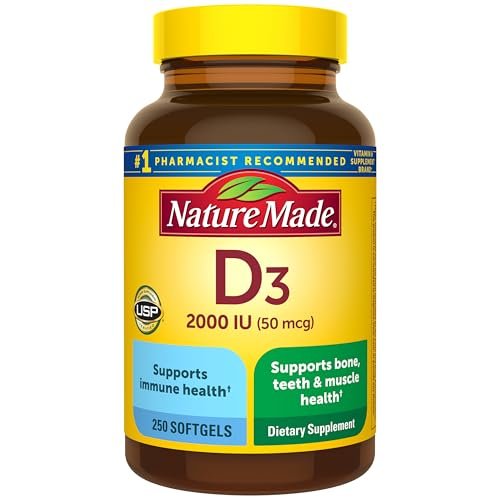
Vitamin D3 (especially for indoor-trained swimmers)
Why it helps: Vitamin D regulates calcium handling, bone health, muscle function, and innate immunity. Indoor swimmers training before sunrise and after sunset, six days a week, are a canonical risk population for low 25-hydroxyvitamin D.
What the trials show: The Owens et al. 2018 review and Koehler et al. 2013 on indoor elite athletes document deficiency rates of 30 to 60% in winter-trained indoor cohorts above latitude 35. Frank deficiency is associated with stress fracture risk and modest performance impairment.
Dose used in trials: 1,000 to 2,000 IU D3/day in winter for adults at risk; correct frank deficiency under clinician guidance.
Form to look for: cholecalciferol (D3) with a meal containing fat.
Skip if: your serum 25-hydroxyvitamin D is already 40+ ng/mL on labs.
Supplements with moderate evidence (worth considering with caveats)
Beta-alanine
A 2012 meta-analysis (Hobson et al., n=15 trials) found that 4 to 6 g/day of beta-alanine for at least 4 weeks raised muscle carnosine, a lactic acid buffer, and produced modest but consistent improvements in exercise lasting 1 to 4 minutes. For swimmers, that duration window is almost custom-fit: 200 m freestyle, 200 m IM, and 100 m strokes all sit in the buffering-limited zone where carnosine matters most. Distance freestyle (800 to 1500 m) is closer to the upper bound, where effect sizes shrink.
- Dose: 4 to 6 g/day, split into 0.8 to 1.6 g doses to reduce paresthesia (the harmless tingling from larger single doses); 4 to 10 weeks to saturate
- Form: standard or sustained-release beta-alanine; third-party tested
- Skip if: paresthesia is intolerable; pregnant swimmers without OBGYN sign-off
AIS lists it Group A for events in the relevant duration range. WADA-legal at normal doses.
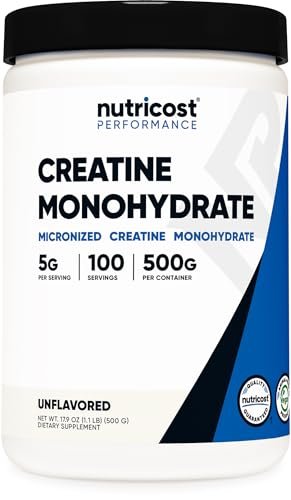
Creatine monohydrate
Creatine is the most-studied legal ergogenic in sport, and the Forbes et al. 2017 review summarizes emerging evidence in swimmers. The signal in sprint swimming (50 to 100 m, repeated sprint sets) is more consistent than in pure endurance work, and creatine reliably supports lean mass and weight-room output during heavy training.
- Dose: 3 to 5 g/day, daily, no loading needed; 2 to 4 weeks to saturate
- Form: micronized creatine monohydrate; third-party tested
- Skip if: you have kidney disease (talk to your nephrologist); sprint and weight-class swimmers may want to time the 1 to 2 kg fluid gain that comes with saturation
Omega-3 (EPA + DHA)
The case for omega-3 in swimmers rests on anti-inflammatory effects on training joints, modest cardiovascular benefits across the population, and a smaller signal for skin and scalp barrier function (relevant given chronic chlorine exposure). The performance evidence is weaker than people assume; the population-health and shoulder-care framing is more honest.
- Dose: 1 to 2 g/day combined EPA + DHA with a fat-containing meal
- Form: re-esterified or natural triglyceride EPA-rich fish oil; algal oil for plant-based swimmers; third-party tested for oxidation
- Skip if: you are on warfarin without hematology sign-off; pregnant swimmers follow OBGYN guidance
For form and dosing detail, see our best omega-3 supplements breakdown for athletes. Source: NIH ODS omega-3 fact sheet.
Magnesium (if cramping or dietary gap)
Magnesium supports neuromuscular function, and exercise-associated muscle cramping is a common pool complaint. Trial data for magnesium specifically preventing cramps in athletes is mixed, and most swimmer cramps appear linked to fatigue, electrolyte balance, and stroke mechanics rather than frank deficiency. That said, magnesium intake falls short of the RDA in a meaningful slice of the US population, and a modest dose is low-cost and low-risk.
- Dose: 200 to 400 mg/day elemental magnesium as glycinate or citrate
- Form: magnesium glycinate (best tolerated) or citrate; avoid magnesium oxide for absorption
- Skip if: you have advanced kidney disease
Popular but evidence-thin (skip, or treat as low-priority)
Biotin and "hair and skin" stacks are widely marketed to swimmers. Chlorine damages hair and skin through direct chemical exposure, not biotin deficiency; the evidence for biotin improving hair or skin in non-deficient adults is thin. The correct intervention is mechanical: cap, post-swim rinse, swimmer's shampoo, and moisturizer with humectants. Biotin can also interfere with common lab assays (thyroid function tests, troponin). Skip unless a clinician documents deficiency.
Glucosamine and chondroitin for shoulder maintenance come up constantly in masters and adult-onset swimmer forums. The American College of Rheumatology conditionally recommends against glucosamine and chondroitin for knee osteoarthritis based on weak evidence, and shoulder-specific data are weaker still. Address load management, scapular strength, and stroke technique first.
Probiotics for swimmer GI upset and respiratory irritation got a wave of attention. The Pyne et al. 2014 review suggests a small signal for upper respiratory symptom reduction in athletes generally, but swimmer-specific RCTs are limited. A multi-strain product at 10 to 20 billion CFU is a reasonable trial, but the expected effect is modest.
What to look for when buying
The hard part for swimmers is not picking a supplement, it is picking one that is what it says it is and will not test positive on a drug screen.
- Third-party testing: NSF Certified for Sport, Informed Sport, or USP Verified. WADA-tested swimmers should use only NSF Certified for Sport or Informed Sport products. Contamination of non-tested products with banned stimulants and anabolics remains the leading cause of inadvertent doping positives.
- Form: ferrous bisglycinate for iron tolerance, anhydrous caffeine for predictable timing, creatine monohydrate (not "advanced" blends), beta-alanine in split doses, magnesium glycinate not oxide, EPA-dominant fish oil
- Red flags: proprietary blends without per-ingredient mg, "race day miracle" claims, stimulant blends that mask undisclosed compounds, brands flagged in FDA contamination alerts
- WADA legality: caffeine, beta-alanine, creatine, iron, vitamin D, magnesium, and omega-3 are all WADA-legal at normal doses. Third-party tested is non-negotiable for any swimmer subject to FINA, USA Swimming, NCAA, or conference drug testing.
When supplements are not enough
See a clinician if you have any of the following: persistent unusual fatigue or breathlessness despite a sensible training load (consider ferritin, CBC, thyroid panel); chest pain or syncope on heavy sets; recurrent shoulder pain not resolving with load management and physical therapy; a stress fracture or repeated bone stress injury (consider energy availability, vitamin D, calcium, bone density referral); HR or recovery patterns that have deteriorated over weeks; menstrual changes in female swimmers that may signal Relative Energy Deficiency in Sport per the IOC RED-S consensus; persistent post-practice GI symptoms or respiratory irritation that may suggest chloramine sensitivity or asthma. For shoulder care, our companion piece on best supplements for marathon training covers overlapping connective-tissue evidence.
FAQ
Do I need to take iron just because I'm a swimmer?
No. Iron supplementation should follow a ferritin and CBC, not a hunch. Swimmers are at elevated risk from sweat losses, hepcidin elevation, and (for female swimmers) menstrual losses, but iron toxicity and overload are real harms in the wrong patient. The Peeling et al. 2014 review recommends periodic ferritin testing and treats values below 30 to 35 ng/mL as worth addressing.
Is caffeine legal for swim racing?
Yes. Caffeine was removed from the WADA prohibited list in 2004, though it remains on the WADA monitoring program. Most race-dose research clusters at 3 to 6 mg/kg taken 45 to 60 minutes pre-start.
Will biotin save my hair from chlorine?
Probably not. Chlorine damages hair through chemical exposure, not biotin deficiency. A swim cap, an immediate post-swim rinse, a swimmer-specific clarifying shampoo, and a conditioner with humectants do more than a biotin pill. Biotin can also interfere with thyroid and troponin assays.
Are glucosamine and chondroitin worth taking for swimmer shoulders?
The ACR conditionally recommends against them for knee osteoarthritis based on weak evidence, and shoulder-specific data are even thinner. Strength work, scapular control, and technique correction beat the pill bottle here.
Conclusion: the bottom line on best supplements for swimmers
The honest swimmer list is short. Daily protein in the 1.4 to 1.7 g/kg band from food first, caffeine 45 to 60 minutes before a meet or hard set, beta-alanine across a training block for 200-distance events, iron only if a ferritin and CBC say you need it, vitamin D for indoor-trained swimmers in winter, creatine for lean mass and sprint work, and a modest omega-3 for joint and cardiovascular maintenance. Magnesium and probiotics are reasonable low-cost adjuncts for specific complaints. Everything else is optional. The standard of care for swim performance is consistent training, sleep, food, and a sports physical that catches the things supplements can fix. Pills sit on top of that, not in place of it.
Next steps
- Book a swim physical that includes ferritin, CBC, and 25-hydroxyvitamin D before peak training volume
- Test every supplement and pre-race fueling product during practice and tune-up meets, not on finals day
- Read how we review supplements for the editorial standards behind this list, or visit Michael Ward's author page for related guideline-grounded breakdowns
This article is for informational purposes and not medical advice. Supplements can interact with medications and chronic conditions, and iron supplementation in particular requires laboratory confirmation of deficiency before dosing. Consult a licensed physician before starting any supplement, particularly if you are pregnant, nursing, taking prescription medications, managing a chronic condition, or subject to sport drug testing under FINA, USA Swimming, NCAA, or other competitive policies.
Reviewed by Michael Ward, MD MPH, Preventive Medicine, focused on guideline-based chronic disease management.
Top picks on Amazon
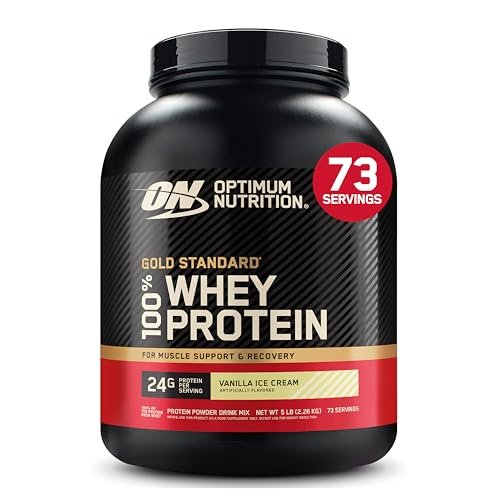
As an Amazon Associate, I earn from qualifying purchases. Product recommendations are based on real reviews and independent research.
