
Affiliate disclosure: this article contains affiliate links. As an Amazon Associate, UsefulVitamins.com earns from qualifying purchases at no extra cost to you.
If you're searching for the best supplements for marathon training, you're probably 12 to 20 weeks out from a race, logging 40+ miles a week, and wondering whether anything beyond food can shave a meaningful chunk off your time or keep you healthy through the build.
Quick Answer: which supplements actually move the needle for marathoners?

For most healthy adult marathoners, daily attention to sodium and carbohydrate during long runs, caffeine 60 minutes before the race or a hard tempo, beta-alanine for the back half of training, and iron only if a blood test shows you need it cover essentially all the high-evidence wins. Vitamin D in winter and tart cherry for recovery are sensible adjuncts. Almost everything else is optional.
- Best for: experienced and intermediate marathoners doing genuine endurance volume; runners with documented iron deficiency or low ferritin; athletes training in hot climates; winter-trained runners above latitude 35.
- Not ideal for: anyone supplementing iron without a ferritin and CBC; pregnant runners using stimulants like caffeine at race doses without obstetric sign-off; athletes subject to drug testing using anything not on the NSF Certified for Sport or Informed Sport lists.
- What to do FIRST: get a sports physical that includes a CBC, ferritin, and 25-hydroxyvitamin D; nail your race-day carbohydrate (60 to 90 g/hr) and sodium plan in training; sleep seven hours; build mileage before stacking pills.
What marathon training actually demands
A marathon block is a chronic high-volume aerobic stress that strips iron stores, depletes glycogen weekly, and grinds connective tissue across 500 to 1,000 training miles over four to five months. The physiology that supplements can plausibly influence is narrow: mitochondrial efficiency, lactate buffering, oxygen-carrying capacity, recovery between sessions, and acute race-day fueling. Everything else is, at best, a marginal hedge.
The standard of care for marathon nutrition is set by the ACSM, Academy of Nutrition and Dietetics, and Dietitians of Canada Joint Position Stand on Nutrition and Athletic Performance. It gives carbohydrate targets (5 to 12 g/kg/day depending on volume), protein targets (1.2 to 2.0 g/kg/day, with endurance athletes in heavy blocks closer to 1.4 to 1.8), fluid replacement guidance, and a measured stance on supplements. The IOC 2018 consensus statement on dietary supplements and the Australian Institute of Sport Supplement Framework classify supplements Group A through D by evidence strength. Group A is the short list with enough RCT support to use in elite athletes; most of the industry sits in Group D.
Iron deserves a flag. Distance runners have elevated risk of iron deficiency from foot-strike hemolysis, sweat losses, post-exercise hepcidin elevation, and GI microbleeding. The Peeling et al. 2014 review recommends ferritin testing for distance runners and treats serum ferritin below 30 to 35 ng/mL as a threshold worth addressing, with treatment-grade deficiency below 20. That is the screening evidence base, not a green light to dose iron blindly. Iron toxicity is real, iron overload from undiagnosed hemochromatosis is real, and "just take an iron pill because you're a runner" is genuinely bad advice.
The supplements with the strongest evidence

Caffeine
Why it helps: Caffeine is an adenosine receptor antagonist that lowers perceived exertion, raises catecholamines, and modestly improves endurance time-trial performance. The AIS classifies it Group A.
What the trials show: The Burke 2008 review summarized roughly 40 endurance trials and reported consistent 1 to 3% improvements in time-trial performance at moderate doses. For a 3:30 marathoner, that is 2 to 6 minutes, the largest signal of any legal endurance ergogenic.
Dose used in trials: 3 to 6 mg/kg taken 30 to 60 minutes before exercise. For a 70 kg runner, that is roughly 210 to 420 mg, or two to four standard cups of coffee. Higher doses do not improve performance and increase side effects.
Form to look for: anhydrous caffeine in a gel, chew, capsule, or coffee. Effects are comparable across forms, though gels and capsules let you control timing precisely. WADA removed caffeine from the prohibited list in 2004; it remains on the WADA monitoring program, so high-level athletes should track intake.
Skip if: you have arrhythmia, uncontrolled hypertension, stimulant-sensitive anxiety, or a known sensitivity. Pregnant runners should follow obstetric guidance, which typically caps caffeine at 200 mg/day across all sources. Source: NIH ODS and Drugs.com caffeine interactions.
Actionable takeaway: caffeine is the only legal supplement with consistent A-level race-time data. If you tolerate it, practice your exact race-day dose during long runs, not on race morning.
Iron (only if ferritin documents deficiency)
Why it helps: Hemoglobin is the oxygen carrier for working muscle; myoglobin and mitochondrial cytochromes are iron-dependent. Iron deficiency, with or without anemia, lowers VO2max and time-trial performance. Restoring deficient ferritin restores performance.
What the trials show: The Sim et al. 2019 review and earlier work by Peeling and colleagues documented iron-deficiency prevalence of 15 to 35% in female and adolescent distance runners. RCTs of oral iron in deficient endurance athletes show measurable improvements in submaximal endurance, with the largest effects in those with frank deficiency (ferritin under 20 ng/mL).
Dose used in trials: 100 to 200 mg/day elemental iron as ferrous sulfate, gluconate, or bisglycinate, often every other day to improve absorption, taken with vitamin C and away from coffee or calcium, for 8 to 12 weeks, then retested.
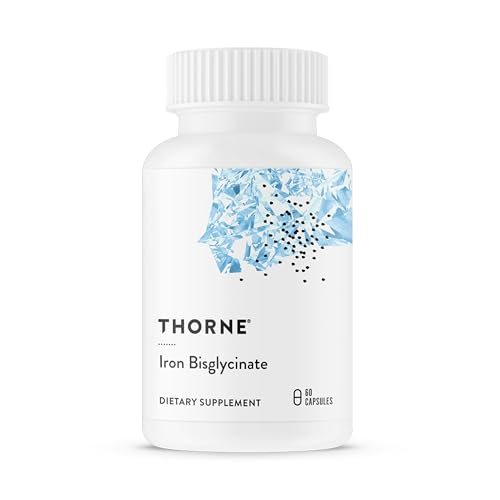
Form to look for: ferrous bisglycinate is often better tolerated. Iron infusions are clinician-prescribed when oral iron fails or in severe deficiency.
Skip if: your ferritin is normal, you have hemochromatosis or any iron-overload state, you have not been tested, or you cannot commit to retesting after 8 to 12 weeks. Iron toxicity from overdosing is a leading cause of pediatric poisoning. Major endurance societies are explicit: iron supplementation requires confirmed deficiency on labs, not symptoms alone. Source: NIH ODS iron fact sheet and Drugs.com iron interactions.
Actionable takeaway: if you are a distance runner, ask for ferritin and a CBC at your annual physical, and again mid-build if you feel suddenly flat. Do not pre-emptively supplement iron without a number on a lab report.
Sodium and carbohydrate during the long run and race
Why it helps: For runs over 90 minutes, sweat sodium loss and glycogen depletion are the two biggest performance limiters. The ACSM/AND/DC position stand gives clear targets: 60 to 90 g/hr of carbohydrate (mixed glucose and fructose) for events over 2.5 hours, and 300 to 800 mg sodium per liter of fluid in average conditions, with the upper range (up to 1500 mg/L) for heavy sweaters or hot races.
What the trials show: Runners hitting carbohydrate targets fade less in the final 10 kilometers; multiple-transporter blends (glucose plus fructose) are absorbed at higher rates than glucose alone. Sodium replacement primarily protects against exercise-associated hyponatremia, which is a more dangerous marathon failure mode than dehydration per se.
Dose used in trials: 60 to 90 g carbohydrate per hour from gels, sports drink, or chews; sodium matched to sweat rate via electrolyte mix or salt capsules in hot conditions.
Form to look for: a fueling product the runner has tested in training. Gut training matters; runners who practice 60+ g/hr tolerate it on race day.
Skip if: you have a medical reason to restrict sodium (advanced heart failure, certain kidney conditions) without clinician sign-off.
Supplements with moderate evidence (worth considering with caveats)
Beta-alanine
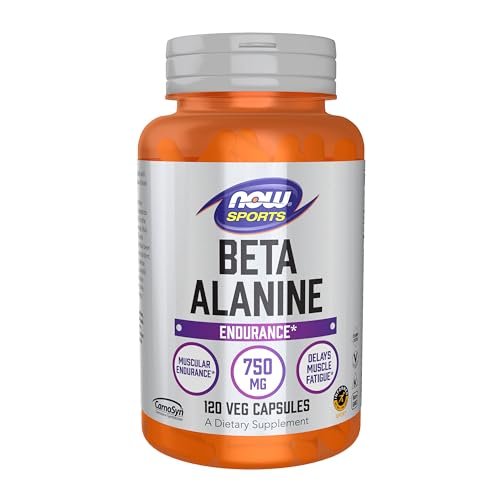
A 2012 meta-analysis (Hobson et al., n=15 trials) found that 4 to 6 g/day of beta-alanine for at least 4 weeks raised muscle carnosine and produced modest but consistent improvements in exercise lasting 1 to 4 minutes. For marathoners, it is most useful for finishing kicks, late-race surges, and 5K to 10K tune-up races. Effect sizes for full marathon pace are smaller, since marathon pace is below the buffering-limited zone.
- Dose: 4 to 6 g/day, often split into 0.8 to 1.6 g doses to reduce paresthesia (the harmless tingling that comes with larger single doses)
- Form: standard beta-alanine, or sustained-release for fewer side effects
- Skip if: you find the paresthesia intolerable; pregnant runners without OBGYN sign-off
The AIS lists beta-alanine in Group A for events in the relevant duration range and Group B for longer endurance.
Creatine monohydrate
Creatine is the most-studied legal ergogenic in sport, and the Forbes et al. 2017 review summarizes emerging evidence in endurance athletes. The signal for marathon time itself is small, but creatine supports lean mass through heavy training and may improve recovery between hard sessions. For a runner holding body composition across a 16-week build, the case is reasonable.
- Dose: 3 to 5 g/day of creatine monohydrate, daily, no loading needed; takes 2 to 4 weeks to saturate
- Form: micronized creatine monohydrate; third-party tested
- Skip if: you have kidney disease (talk to your nephrologist); also note the modest 1 to 2 kg fluid weight that comes with full saturation, which some marathoners dislike pre-race
Beetroot juice / dietary nitrate
Lansley et al. 2011 and follow-up trials show that 500 mg of dietary nitrate (one 70 mL beetroot juice shot) 2 to 3 hours pre-exercise can lower the oxygen cost of submaximal running and improve time-trial performance, mostly in events 5 to 30 minutes long. The marathon-pace signal is mixed and smaller. For interval days or a half-marathon tune-up, reasonable; for the marathon itself, inconsistent.
- Dose: 500 to 600 mg nitrate (one to two beetroot shots), 2 to 3 hours before key sessions
- Form: concentrated beetroot juice shot, or whole beets if you can choke down enough
- Skip if: you are on PDE5 inhibitors (sildenafil) or have low blood pressure with symptoms
Tart cherry juice
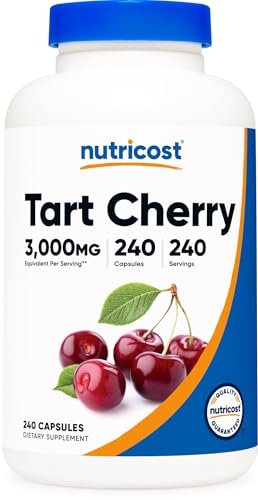
Howatson et al. 2010 ran a marathon-specific RCT showing that runners drinking 8 oz of tart Montmorency cherry juice twice daily for 5 days before and 2 days after a marathon recovered isometric strength faster and reported less muscle soreness. Several follow-up trials have replicated the recovery signal at lower magnitudes.
- Dose: 8 to 16 oz tart cherry juice or 480 mg tart cherry concentrate, twice daily, for 4 to 7 days around hard efforts
- Form: Montmorency tart cherry juice or standardized concentrate
- Skip if: you are on warfarin or have brittle blood sugar; cherry juice is high-sugar
Vitamin D3
Vitamin D is a screening question, not a blanket supplement. The Owens et al. 2018 review found that winter-trained runners above latitude 35 and indoor-training athletes have elevated deficiency risk. Frank deficiency is associated with stress fracture risk and modest performance impairment.
- Dose: 1,000 to 2,000 IU D3/day in winter for most adults; correct frank deficiency under clinician guidance
- Form: cholecalciferol (D3) with a meal containing fat
- Skip if: your serum 25-hydroxyvitamin D is already 40+ ng/mL on labs
For the omega-3 question that comes up constantly in marathon forums, see our best omega-3 supplements breakdown for forms and dosing in athletes; the inflammation-modulation case is reasonable, but the evidence for marathon time improvement specifically is thinner than people assume.
Popular but evidence-thin (skip, or treat as low-priority)
BCAAs are widely recommended for endurance on the theory they reduce central fatigue and protect muscle. In adequately-fed athletes hitting 1.4 to 1.8 g/kg/day of total protein, trial data is weak; once you meet protein targets, isolated BCAAs do not add a meaningful signal.
Glutamine is popular in endurance immune-support marketing. The evidence for reducing post-marathon upper respiratory infection rates is thin; the IOC consensus places it in the "insufficient evidence" tier.
MCT oil and exogenous ketones got a wave of attention. The performance signal in well-fueled marathoners is small to absent in most replications.
What to look for when buying
The hard part is not picking a supplement, it is picking one that is what it says it is and will not test positive on a drug screen.
- Third-party testing: NSF Certified for Sport, Informed Sport, or USP Verified. WADA-tested athletes should use only NSF Certified for Sport or Informed Sport. The USADA Supplement 411 program catalogues contamination cases.
- Form: ferrous bisglycinate for iron tolerance, anhydrous caffeine for predictable timing, creatine monohydrate (not "advanced" blends), beta-alanine in split doses.
- Red flags: proprietary blends without per-ingredient milligrams, "race day miracle" claims, stimulant blends, brands flagged in FDA or USADA alerts.
- WADA legality: caffeine, beta-alanine, beetroot, creatine, iron, vitamin D, and tart cherry are all WADA-legal at normal doses. Contamination of non-tested products with banned stimulants and anabolics is the leading cause of inadvertent doping positives. Third-party tested is non-negotiable for any athlete subject to drug testing.
When supplements are not enough
Stop self-treating and see a clinician for any of: persistent unusual fatigue or breathlessness despite sensible training load (check ferritin, CBC, thyroid); chest pain or syncope on runs; a stress fracture or repeated bone stress injury (consider energy availability, vitamin D, calcium, bone density referral); deteriorated HR or recovery patterns over weeks; weight loss not aligned with training load; menstrual changes in female athletes that may signal Relative Energy Deficiency in Sport (RED-S). For acute heat illness or hyponatremia on race day, get to the medical tent.
For race-day hydration mechanics in heat, our best supplements for summer hydration piece covers electrolyte products and sweat-rate testing in more detail.
FAQ
Do I need to take iron just because I'm a runner?
No. Iron supplementation should follow a ferritin and CBC, not a hunch. Distance runners are at elevated risk for iron deficiency, but iron toxicity and overload are real harms in the wrong patient. The Peeling et al. 2014 review recommends periodic ferritin testing and treats values below 30 to 35 ng/mL as worth addressing.
Is caffeine actually legal for marathon racing?
Yes. Caffeine was removed from the WADA prohibited list in 2004 and is permitted at any dose in competition, though WADA monitors it. Racing dose research clusters at 3 to 6 mg/kg taken 30 to 60 minutes before the start.
Can creatine make me slower because of water weight?
Full saturation adds 1 to 2 kg of intracellular water over a few weeks. For most marathoners that is offset by training effects, but if you are weight-sensitive at race time, time loading outside the taper.
Should I take a multivitamin in marathon training?
If your diet is carb-skewed and short on produce in heavy weeks, a basic multivitamin is a low-cost gap filler, not a performance enhancer. Real food beats pills for most micronutrients.
Is glucosamine helpful for runner's knee?
The American College of Rheumatology conditionally recommends against glucosamine and chondroitin for knee osteoarthritis based on weak evidence. For non-arthritic patellofemoral pain, the data are weaker still. Address load management, strength work, and gait first.
Conclusion: the bottom line on best supplements for marathon training
The honest endurance list is short. Caffeine 60 minutes before a hard effort, sodium and carbohydrate dialed in for any run over 90 minutes, iron only if a ferritin and CBC say you need it, beta-alanine and creatine for the back half of a heavy build, vitamin D in winter, and tart cherry around the hardest sessions. Beetroot juice is a reasonable tune-up race adjunct. Everything else is optional. The standard of care for marathon performance is consistent training, sleep, food, and a sports physical that catches the things supplements can fix. Pills sit on top of that, not in place of it.
Next steps
- Book a sports physical that includes ferritin, CBC, and 25-hydroxyvitamin D before you peak in volume
- Test every supplement and fueling product during training, not on race morning
- Read how we review supplements for the editorial standards behind this list, or visit Michael Ward's author page for related guideline-grounded breakdowns
This article is for informational purposes and not medical advice. Supplements can interact with medications and chronic conditions, and iron supplementation in particular requires laboratory confirmation of deficiency before dosing. Consult a licensed physician before starting any supplement, particularly if you are pregnant, nursing, taking prescription medications, managing a chronic condition, or subject to sport drug testing.
Reviewed by Michael Ward, MD MPH, Preventive Medicine, focused on guideline-based chronic disease management.
Top picks on Amazon
As an Amazon Associate, I earn from qualifying purchases. Product recommendations are based on real reviews and independent research.
