

Affiliate disclosure: this article contains affiliate links. As an Amazon Associate, UsefulVitamins.com earns from qualifying purchases at no extra cost to you.
If you're searching for the best supplements on Amazon under $20, you're probably either a careful spender trying to keep a basic stack honest, or a new shopper staring at 40,000 results and trying to figure out which $12 bottle is the real one and which is a relabeled blend with a stock photo of a lab coat on it.
Quick Answer: which under-$20 supplements actually earn the spend
The 2 to 3 we'd start with first:
- Creatine monohydrate (Bulk Supplements or NOW Foods, around $12 to $15 for 500 g): the most evidence-backed performance and cognitive supplement in the entire category, and it is cheaper per gram than most protein powders.
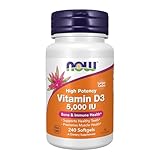
- Vitamin D3 (NOW Foods 5,000 IU, around $8 to $12 for 240 softgels): dose-to-lab adjunct with mortality-signal data when correcting deficiency, well under $20, easy to find.
- Magnesium glycinate (Doctor's Best or NOW Foods, around $10 to $15 for 240 tablets): for sleep architecture support, leg cramps, and a quiet adjunct in adults who are demonstrably low.
Who should NOT start with these:
- Anyone using a $12 bottle of fish oil as a substitute for guideline-based cardiovascular care (statin therapy where indicated, blood pressure control, smoking cessation).
- Anyone on warfarin, levothyroxine, methotrexate, or a sedating sleep medication without checking the interaction notes for the specific supplement first.
Do FIRST, before any supplement: review your recent basic labs and medication list with a clinician. The USPSTF 2022 statement on vitamin and multivitamin supplementation gives an "I" (insufficient evidence) recommendation for most population-level supplement use to prevent cardiovascular disease or cancer in non-deficient adults, with a Grade D against beta-carotene and vitamin E for that purpose. That is the screening evidence base. It does not mean nothing works. It means broad use in well-fed adults is not where the strongest signal lives. The strongest signal lives in correcting documented deficiency, in performance-tested ergogenic aids, and in adjunctive risk modification for adults already on standard therapy.
What "best under $20" actually means at the shelf
"Best under $20 on Amazon" is not a single category. It is a budget ceiling intersecting with supplement subtypes that happen to be cheap because the active ingredient is itself inexpensive at commodity scale, not because the brand is cutting corners. Creatine monohydrate is roughly $25 to $30 per kilogram in pure powder, which is why a 500 g tub of a reputable brand lands around $12 to $15. Cholecalciferol, magnesium glycinate, fish oil triglycerides, and basic curcuminoid extracts have similarly low ceilings on raw-material cost. The right question is not "is this brand cheap" but "is this brand cheap because the ingredient is cheap, or cheap because the dose is half what the trial used and the testing is non-existent."
The cluster that survives the under-$20 filter without losing the evidence base is narrow but real: creatine, vitamin D3, magnesium glycinate, basic EPA+DHA fish oil, whey protein concentrate, curcumin-with-piperine, methylated B-complex, electrolyte powder, generalist multivitamin, and low-dose melatonin. Most "premium" categories (liposomal NAD precursors, branded urolithin A, longevity stacks) live well above $20 by design.
The quiet truth: a $12 bottle carrying a USP Verified mark can be more trustworthy than a $45 boutique brand with no third-party documentation. Price is not a quality signal. Independent testing is.
The supplements with the strongest evidence at this price point

Creatine monohydrate
Why it helps: creatine is the most consistently effective ergogenic aid in sports nutrition and one of the few supplements with growing data on cognitive endpoints. It increases phosphocreatine availability for short-duration high-intensity work, with downstream effects on strength, lean mass, and recovery.
What the trials show: the International Society of Sports Nutrition 2017 position stand summarizes hundreds of RCTs showing reliable strength gains of roughly 5 to 15% over placebo across resistance training trials at 3 to 5 g/day. Effect sizes are larger in untrained populations and smaller in elite athletes, but the direction is unambiguous and the safety profile across decades of use is excellent.
Dose used in trials: 3 to 5 g/day, every day, with no required loading phase for steady-state benefit.
Form to look for: plain creatine monohydrate, ideally Creapure (a German-sourced ingredient with its own purity assay) or any product with USP/NSF verification. Skip "buffered creatine," "creatine ethyl ester," and most "creatine HCl" at this price point. Bulk Supplements creatine monohydrate (Creapure) and NOW Foods Sports Creatine Monohydrate both clear this bar under $20.
Skip if: you have stage 3+ chronic kidney disease and have not discussed it with your nephrologist. Creatine does not damage healthy kidneys, but it raises serum creatinine slightly (a measurement artifact, not damage), which can confuse routine labs.
Vitamin D3
Why it helps: vitamin D deficiency is common in adults at higher latitudes, in darker-skinned populations, and in adults over 65. Correction of documented deficiency reduces falls and fractures in older adults and has supportive (not definitive) signal for cardiovascular and all-cause mortality endpoints.
What the trials show: the VITAL trial subgroup analyses of 25,871 adults randomized to 2,000 IU/day cholecalciferol or placebo found no significant reduction in primary composite cardiovascular or cancer endpoints in the unselected population, but did show favorable signals on autoimmune disease incidence and on mortality in subgroups with low baseline 25(OH)D. The lesson: correcting documented deficiency is where the signal lives.
Dose used in trials: 1,000 to 5,000 IU/day of D3, titrated to a serum 25(OH)D of 30 to 50 ng/mL. The NIH ODS lists 4,000 IU/day as the tolerable upper intake for adults; higher doses should be clinician-supervised.
Form to look for: D3 (cholecalciferol) in an oil-based softgel. Skip D2 unless prescribed. NOW Foods D3 5,000 IU and Sports Research D3 + K2 are both well under $20 with published third-party testing.
Skip if: you have hypercalcemia, sarcoidosis, or a 25(OH)D already above 60 ng/mL without prescriber oversight.
Magnesium glycinate
Why it helps: magnesium is a cofactor for hundreds of enzyme reactions, including GABAergic signaling that influences sleep depth. Adult intake is often below the recommended dietary allowance, and supplementation can modestly improve sleep quality in adults who are demonstrably low.
What the trials show: a 2020 systematic review and meta-analysis of magnesium and sleep quality across multiple RCTs found small but consistent improvements in subjective sleep quality, with effect sizes around 17 minutes faster sleep onset versus placebo at 200 to 500 mg of elemental magnesium taken before bed.
Dose used in trials: 200 to 400 mg of elemental magnesium glycinate, 30 to 60 minutes before bed.
Form to look for: glycinate or bisglycinate for sleep and tolerability; citrate is acceptable if you also want a mild stool-loosening effect. Doctor's Best High Absorption Magnesium Glycinate and NOW Foods Magnesium Glycinate both clear under $20. Skip magnesium oxide for daily use.
Skip if: your eGFR is below 30 or you take a sedating sleep medication without your prescriber's input.
Fish oil (EPA+DHA)
Why it helps: EPA and DHA reduce triglycerides, modestly lower CRP, and provide adjunctive cardiovascular risk modification in high-risk adults. The signal for unselected adults is small; the signal for adults with elevated triglycerides on statin therapy is real.
What the trials show: the REDUCE-IT trial of 4 g/day icosapent ethyl in 8,179 statin-treated patients with elevated triglycerides showed a 25% relative risk reduction in major cardiovascular events over a median 4.9 years, with an absolute risk reduction near 4.8% and an NNT around 21. Lower-dose EPA+DHA combinations in unselected adults produce smaller effects.
Dose used in trials: 1 to 2 g/day combined EPA+DHA for general use; 4 g/day icosapent ethyl is prescription-only.
Form to look for: triglyceride-form or re-esterified-triglyceride fish oil with stated EPA and DHA per serving and third-party oxidation testing, ideally IFOS 5-star or USP. Kirkland Signature Fish Oil 1,200 mg (NSF verified) is reliable around $15. Sports Research Triple Strength Omega-3 also clears under $20 on most days. Skip "1,000 mg fish oil" capsules that bury 250 mg of actual EPA+DHA in the fine print.
Skip if: you are on warfarin or another anticoagulant at therapeutic doses. The NIH ODS omega-3 fact sheet and the Drugs.com interaction database flag fish oil above 3 g/day as a moderate interaction requiring INR monitoring.
Actionable takeaway: if your lipid panel and CRP put you in elevated cardiovascular risk territory, fish oil is doing more for your long-term outcome than almost anything else under $20, on top of (not instead of) the statin that your ASCVD risk score recommends.
Supplements with moderate evidence (consider with caveats)
Whey protein (Optimum Nutrition Gold Standard, Bulk Supplements)
Whey is a food-equivalent protein source, not a pharmacologic intervention, but at $15 to $20 per pound it is one of the most cost-efficient ways to hit the 1.6 g/kg/day protein target that supports lean mass preservation in adults. Optimum Nutrition Gold Standard 100% Whey carries Informed Choice testing. Skip if you have a known dairy allergy; lactose-intolerant adults can usually tolerate whey isolate forms.
Curcumin with piperine (Doctor's Best)
Curcumin has the largest body of anti-inflammatory and joint pain RCT data of any plant compound at this price point. The catch is bioavailability: standard curcumin is poorly absorbed without a co-ingredient. The pharmacokinetic literature on piperine shows that 5 mg of piperine increases curcumin bioavailability roughly 20-fold. Doctor's Best Curcumin with BioPerine clears under $15. Skip if you are on tacrolimus, cyclosporine, or other CYP3A4-substrate drugs without your prescriber's input.
Methylated B-complex (Jarrow Formulas Methyl B-12 + B-Complex)
For most adults, a generalist B-complex is unnecessary; for adults with MTHFR variants, methylation-relevant symptoms, or restricted diets (strict vegan, post-bariatric surgery), a methylated form provides a more efficient pathway. The clinical review of methylated folate and B12 in MTHFR carriers summarizes the rationale. Jarrow Methyl B-12 5,000 mcg and Jarrow B-Right both ship under $15 and use methylcobalamin and 5-MTHF rather than cyanocobalamin and folic acid. Skip if you are on methotrexate without your prescriber's review.
Popular but evidence-thin at this price point
Generalist multivitamins (Centrum, One A Day, Nature Made)
Multivitamins are the most widely searched "best under $20" category, and the evidence for routine use in well-fed adults is modest at best. The USPSTF rates multivitamin supplementation as "I" (insufficient evidence) for cardiovascular disease and cancer prevention, and the NIH ODS multivitamin fact sheet acknowledges that the strongest signal is in adults with documented deficiency or restricted intake. If you are eating a varied diet, the marginal benefit is small. If you are eating a restricted diet, are over 65, or have absorption issues, a basic USP Verified multivitamin (Nature Made Multi, Kirkland Daily Multi) under $15 is a reasonable insurance policy, but not a high-impact intervention.
Low-dose melatonin
Melatonin is the cheapest sleep supplement on the shelf and is widely recommended for "any sleep problem." Its actual evidence base is narrow: shifting sleep onset for circadian rhythm disorders, jet lag, and shift work. It is not a hypnotic. If you use it, 0.3 to 1 mg taken 30 to 60 minutes before bed is closer to the studied dose than the 5 or 10 mg gummies that dominate the Amazon shelf. Over-the-counter melatonin in the US is unregulated, with historical lab assays showing wide variance between label and actual content, which is the strongest argument for sticking to USP Verified or ConsumerLab-tested options.
What to look for when buying
The under-$20 category does not forgive sloppy buying. The shortcut is third-party testing:
- USP Verified (US Pharmacopeial Convention): the strongest mark for retail consumer supplements; the USP Verified product list tells you which exact SKUs carry the mark.
- NSF Certified and NSF Certified for Sport: the NFL- and MLB-approved testing mark; the cleanest option if you are a tested athlete.
- ConsumerLab Approved: independent laboratory testing across hundreds of brands; some content is paywalled but the brand-level approvals are credible.
- IFOS 5-star: the gold standard for fish oil oxidation, contaminants, and EPA/DHA content claims.
Red flags at this price point: proprietary blends without per-ingredient milligrams, "doctor formulated" branding without a named clinician, generic Amazon brands with no third-party seal, and any product that ranks #1 in its category from a single five-star review surge in the last 30 days. The category is full of relabeled-warehouse SKUs and brushed reviews. Stick to brands with a multi-year track record of testing, and double-check with our methodology in how we review supplements.
For a deeper look at the no-name brand question, see our guide to the best Amazon supplement brands you have never heard of.
When supplements are not enough
Stop self-managing and contact a clinician if any of the following apply:
- You are using supplements to delay a workup for chest pain, persistent fatigue, unexplained weight change, or a new neurologic symptom. None of these belong in the supplement aisle first.
- Your "supplement stack" is replacing prescribed therapy for a diagnosed chronic condition (hypertension, diabetes, hypothyroidism, depression, ASCVD). A $12 bottle is not a substitute for guideline-recommended care.
- You take five or more prescription medications. The interaction surface is large enough that the decision should be your pharmacist's, not the Amazon recommendation algorithm's.
- You are pregnant, nursing, or planning a pregnancy. Prenatal needs are specific; consult your OBGYN before adjusting any supplement.
Cheap does not mean low-stakes. A bottle that costs $12 can still interact with warfarin, levothyroxine, or methotrexate. Price is the budget question. The standard-of-care question is independent of it.
FAQ
Are cheap Amazon supplements safe?
At this price point, safety tracks closely with third-party testing. A USP Verified or NSF Certified product under $20 is as safe as the same product at $50. The risk lives in products that skip third-party testing entirely.
Is cheap creatine the same as expensive creatine?
Usually yes. Creatine monohydrate is creatine monohydrate; the active molecule is the same. The difference is purity and contaminants, which is where Creapure-grade or USP-tested brands earn their slight premium. There is no clinical benefit to "buffered" or "ethyl ester" forms over plain monohydrate.
Do I need a multivitamin if I take individual supplements?
For most adults, no. If you are taking targeted supplements (D3, magnesium, omega-3) and eating a varied diet, a generalist multivitamin on top adds little. For adults on restricted diets, post-bariatric surgery, or over 65, a basic USP Verified multivitamin can fill gaps.
What about Costco's Kirkland Signature?
Kirkland Signature is a strong value at this price point. Kirkland Fish Oil and Kirkland Daily Multi are both USP Verified or NSF tested, with per-serving cost among the lowest in the category.
Can I take all of these together?
Most stack without issue at standard doses. The interaction risks live mostly with anticoagulants (fish oil), thyroid medication (calcium, iron, magnesium spacing), and CYP3A4 substrates (curcumin with piperine). Run your full list past a pharmacist if adding more than two new items at once.
Conclusion: the bottom line on best supplements on Amazon under $20
The honest answer at this price point is narrow but real: creatine monohydrate, vitamin D3, magnesium glycinate, and a USP- or NSF-tested fish oil cover the strongest evidence base under $20, with whey protein, curcumin-with-piperine, and a methylated B-complex as moderate-evidence add-ons for the right population. Generalist multivitamins, high-dose melatonin gummies, and "anti-inflammatory" proprietary blends are popular at this shelf but do not earn the spend for most adults. The price ceiling is fine. The corner you cannot cut is third-party testing.
Next steps:
- Pull your recent labs (25(OH)D, ferritin, lipid panel, TSH, CMP) and dose vitamin D, iron, and fish oil to the numbers rather than to a label.
- Filter your Amazon search by brand to USP Verified, NSF Certified, ConsumerLab Approved, or IFOS 5-star for fish oil, and ignore anything without one.
- For a deeper look at how UV evaluates supplement brands and pricing, see how we review supplements, and for editorial methodology see Michael Ward's author page.
Reviewed by Michael Ward, MD MPH, Preventive Medicine, focused on guideline-based chronic disease management.
Recommended Products


As an Amazon Associate, UsefulVitamins.com earns from qualifying purchases at no extra cost to you. We only recommend products supported by published research or third-party testing.
