
Vitamin A does a lot of quiet work in the body – from helping you see clearly in low light to supporting immune defenses and healthy skin. If you’re searching for the best vitamin A supplements, you’re probably trying to solve a specific problem: you don’t eat many vitamin A-rich foods, you’re dealing with dry eyes or skin, or you want a reliable option you can dose safely. This guide compares top forms (retinol vs beta-carotene), practical dosing, and what to look for on labels so you can choose a supplement that fits your diet and risk level.
Summary / Quick Answer: Best vitamin A supplements (by goal)
The best vitamin A supplements are the ones that match your needs and keep you under safe daily limits – especially if they use quality testing and a sensible dose.
Top picks by use case (quick shortlist):
- Best overall value (preformed vitamin A): Retinyl palmitate softgels with oil for absorption (common in budget-friendly brands)
- Best for vegans or lower overdose risk: Beta-carotene (provitamin A) or vegan A-D-K drops
- Best if you want a “food-based” option: Cod liver oil (also provides vitamin D, but dosing varies)
- Best for flexible dosing: Liquid or micellized drops (easy to titrate)
Simple rule: If you’re not treating a diagnosed deficiency, many people do well with modest daily amounts and food first. For label math help, use the MCG to IU Conversion guide before you buy.
Best vitamin A supplements: the top forms and who each is for
Most confusion around vitamin A starts with one fact: “vitamin A” on a label can mean two very different things.
Preformed vitamin A (retinol, often listed as retinyl palmitate or retinyl acetate) is ready for the body to use. It’s also the form most associated with excessive intake if you stack multiple products.
Provitamin A carotenoids (most commonly beta-carotene) are converted to vitamin A as needed. That conversion is regulated, which is why beta-carotene generally has a lower risk of toxicity – though it’s not “better” for everyone.
Quick comparison: retinol vs beta-carotene vs cod liver oil
| Option | What it is | Pros | Trade-offs | Best for |
|---|---|---|---|---|
| Retinyl palmitate/acetate | Preformed vitamin A | Predictable potency, high bioavailability | Easier to overdo if you combine products | Short-term targeted use, low dietary intake |
| Beta-carotene | Provitamin A | Lower overdose risk, plant-based | Conversion varies by genetics and gut health | Vegans, cautious supplementers |
| Cod liver oil | Food-derived A + D | Convenient combo, traditional source | Potency varies, can add extra D and calories | People who prefer oils and want A + D |
What “top-rated” usually means (and what it doesn’t)
High consumer ratings can be useful, but they don’t confirm purity or correct dosing. Round up your decision using quality signals like:
- GMP manufacturing and clear batch info
- Third-party testing (USP, NSF, or a posted certificate of analysis)
- Transparent ingredient list (type of vitamin A, carrier oil, allergens)
If you want to learn the basics fast, bookmark How to Read Supplement Labels – it makes spotting red flags much easier.
A practical shortlist (based on common, well-reviewed categories)
Rather than pushing one “best brand,” it helps to choose by format and diet:
- Softgels (retinyl palmitate): convenient, often paired with sunflower or soybean oil for absorption
- Vegan drops (often A-D-K blends): useful if you also struggle to get D and K from diet
- Beta-carotene softgels: a straightforward plant-based option
- Cod liver oil liquids/softgels: good if you tolerate oils and want a combined approach
For a brand-by-brand overview, consumer comparisons like the roundup from Healthline’s supplement review team can help you see what’s commonly available, but always sanity-check the dose against your total intake.
Vitamin A dosage: how much is safe, and how much is too much?
Nature’s Way Vitamin A 10,000 IU, 100 Softgels
This product contains preformed vitamin A (retinyl palmitate), making it suitable for those looking for a reliable source of vitamin A.
Vitamin A is fat-soluble, which means your body can store it. That’s helpful during times of low intake, but it’s also why chronic high dosing can backfire.
According to the Mayo Clinic’s vitamin A overview, vitamin A supports vision, immune function, reproduction, and cell communication. The same resource also emphasizes that excess preformed vitamin A can cause harm, especially during pregnancy.
Key numbers to know (adults)
Here are the reference points most labels are built around:
- RDA (Recommended Dietary Allowance):
- Men: 900 mcg RAE/day
- Women: 700 mcg RAE/day
- UL (Tolerable Upper Intake Level): 3,000 mcg RAE/day from preformed vitamin A (retinol)
“RAE” stands for retinol activity equivalents. It matters because beta-carotene and retinol don’t convert 1:1.
Why many supplements look “high dose” on the label
It’s common to see vitamin A supplements providing 100% to 300%+ of the Daily Value. That doesn’t automatically mean “danger,” but it does mean you should add up your total sources, including:
- multivitamins
- cod liver oil
- fortified foods
- specialty blends (eye formulas, skin formulas)
Quick decision guide: choosing a daily dose
| Your situation | Often reasonable approach | What to avoid |
|---|---|---|
| General coverage, diet is inconsistent | Modest daily dose, taken with a meal | Stacking multiple high-dose retinol products |
| Vegan or low animal foods | Beta-carotene or vegan drops | Assuming beta-carotene works the same for everyone |
| Short-term targeted use (under guidance) | Time-limited higher dose | Long-term high-dose retinol without monitoring |
| Pregnant or trying to conceive | Food-first, clinician-guided supplements | High-dose preformed vitamin A |
If you’re unsure how your IU converts to mcg RAE, use the MCG to IU Conversion reference to avoid accidental overages.
Signs you may be overdoing preformed vitamin A
Chronic excess can cause symptoms like nausea, headaches, dizziness, and liver stress. It can also pose serious pregnancy risks. If you suspect high intake, pause supplements and discuss it with a clinician.
What vitamin A may help with (and when supplements actually make sense)
Garden of Life Vitamin A – Whole Food, 60 Vegan Capsules
Garden of Life Vitamin A Whole Food Capsules earn a solid 4.6-star rating from over 1,200 Amazon reviews, praised for its natural beta-carotene source, vegan formula, and efficacy for vision and immunity. While some note pill size issues, the brand’s reputation for purity makes it a reliable affiliate pick at around $20 for 60 capsules (1-month supply).
NOW Supplements Beta-Carotene 25,000 IU, 100 Softgels
This product offers a high dose of beta-carotene, which is suitable for those looking for a potent provitamin A supplement.
Vitamin A gets marketed for everything from “glowing skin” to “immune armor,” but the most evidence-backed roles are fairly specific. It’s essential for:
- Vision, especially low-light vision (it’s part of rhodopsin, a key retinal pigment)
- Immune function, supporting barrier tissues and immune cell function
- Skin and mucosal integrity, helping maintain the outer layers that keep irritants out
- Normal growth and reproduction
When food is the better first move
If your goal is general wellness, food sources often give you vitamin A in a context that’s easier to balance:
- Liver (very high in preformed vitamin A)
- Eggs and dairy (preformed vitamin A)
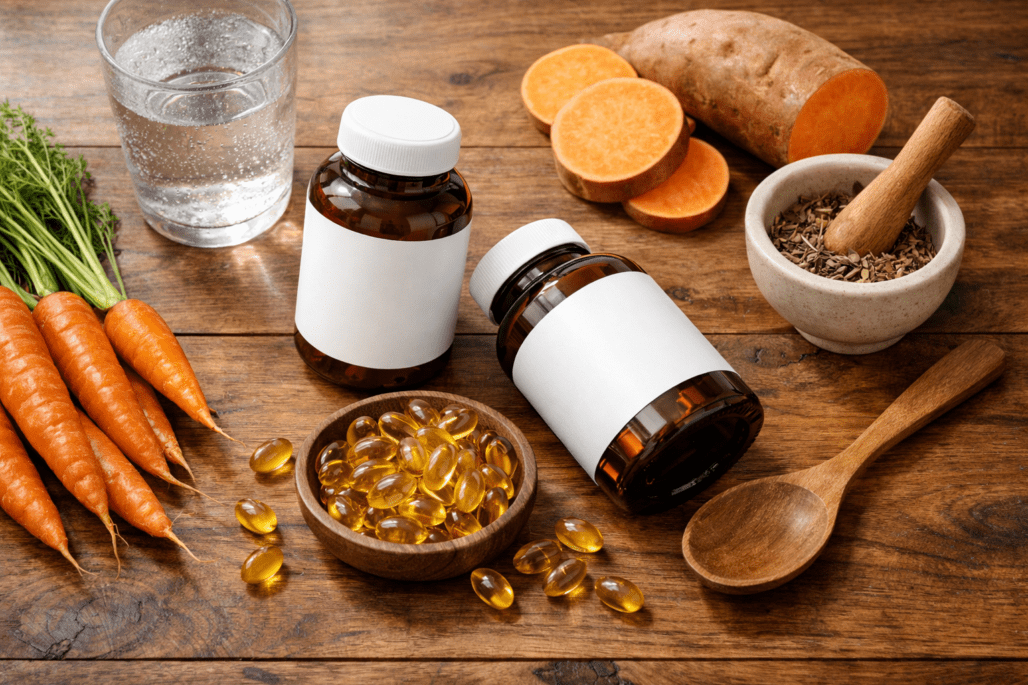
- Carrots, sweet potato, spinach (carotenoids like beta-carotene)
Supplements can make sense when diet is limited, absorption is impaired, or a clinician has identified a deficiency risk. For a deeper breakdown of outcomes and research-backed roles, see Vitamin A Benefits.
Skin goals: where vitamin A supplements fit (and where they don’t)
People often take vitamin A for dry skin or acne. Vitamin A is involved in skin cell turnover, but oral supplements are not the same as prescription retinoids, and more is not better.
A safer, more realistic approach:
- Start with diet and modest supplementation if intake is low
- Focus on total skin-support nutrients (zinc, vitamin C, essential fats)
- Consider whether topical options make more sense than high-dose oral retinol
If skin is your main reason for buying, the guide to Supplement For Skin can help you build a more balanced plan.
A quick “does this apply to me?” checklist
You might benefit from careful supplementation if:
- you rarely eat vitamin A-rich foods
- you have fat-malabsorption issues (only with clinician guidance)
- your diet is vegan and you want a consistent provitamin A source
- you’re using an eye-health stack and want to avoid overlapping doses
| Goal | Best form to consider first | Why |
|---|---|---|
| General coverage | Low-dose retinyl palmitate or beta-carotene | Simple, predictable |
| Vegan-friendly | Beta-carotene or vegan drops | Plant-based |
| Prefer oils | Cod liver oil | Traditional A + D combo |
| Fine-tune dosing | Liquid drops | Easy to adjust |
How to choose a high-quality vitamin A supplement (label checks that matter)
Carlson Cod Liver Oil Lemon Flavor, 8 oz
Insufficient search results to verify product details on Amazon.com; unable to confirm ASIN, ratings, reviews, or other metrics. Recommend direct search on Amazon for current information.
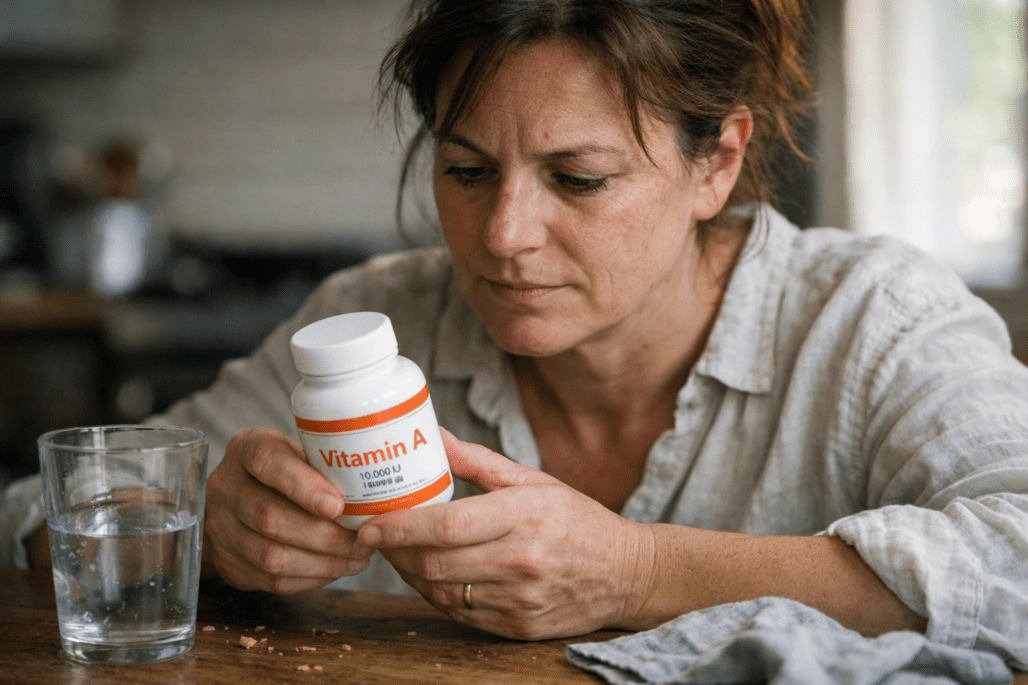
If you only do one thing before buying, do this: confirm the form and the dose. Then check quality signals.
A supplement can be “top-rated” and still be poorly matched to your needs, especially if it pushes high-dose preformed vitamin A as a daily habit.
The 6-point label checklist
Use this quick checklist while shopping:
-
Form listed clearly
- Look for “retinyl palmitate/acetate” (preformed) or “beta-carotene” (provitamin A).
-
Dose shown in mcg RAE (or convertible)
- If it’s only in IU, convert it using the MCG to IU Conversion guide.
-
Third-party testing or a posted COA
- A certificate of analysis is a strong trust signal when it’s current and batch-specific.
-
Carrier oil included (for retinol softgels)
- Vitamin A absorbs better with fat, so an oil-based softgel can be practical.
-
Allergens and dietary fit
- Some softgels use fish liver oil, gelatin, or soybean oil. Vegans may prefer beta-carotene or vegan drops.
-
Avoid stacking
- If you already take a multivitamin or cod liver oil, you may not need a separate high-dose A.
For a more complete walkthrough, How to Read Supplement Labels explains common marketing tricks and what “standardized” really means.
Example: what “safe stacking” looks like
| Product type | What to check | Common mistake |
|---|---|---|
| Multivitamin | How much vitamin A and what form | Adding a separate retinol supplement on top |
| Eye formula | Retinol + carotenoids may be included | Assuming “eye support” means low dose |
| Cod liver oil | Vitamin A and D amounts per serving | Taking multiple servings daily without tracking |
A note for women in midlife
Needs can shift with age, appetite changes, and medication use. If you’re rebuilding your supplement routine in your 40s, it’s smart to view vitamin A as one piece of a bigger plan. The roundup on Best Vitamins For Women In Their 40s can help you avoid overlaps and choose more targeted basics.
Conclusion: choosing the right vitamin A supplement without overdoing it
The best choice usually comes down to two decisions: which form (retinol vs beta-carotene) and how much you actually need once you count food and other supplements. Preformed vitamin A can be effective and predictable, but it’s also the form you can overdo most easily. Beta-carotene and vegan drops offer a more cautious route for many people, while cod liver oil can work well if you want a traditional oil-based option and can manage variable dosing.
Next step: confirm your current intake, then use How to Read Supplement Labels to pick a product with clear dosing and quality testing. For a deeper dive into outcomes and food sources, continue with Vitamin A Benefits.
As an Amazon Associate, I earn from qualifying purchases. Product recommendations are based on real reviews and independent research.
