
The best holiday stress supplements are the ones that match what your body is actually struggling with – racing thoughts, poor sleep, low winter mood, or energy crashes. The tricky part is that “holiday stress” isn’t one thing. It’s usually a pileup of late nights, extra alcohol and sugar, travel, family pressure, and less daylight. This article breaks down the science-backed options (and realistic doses), how to combine them safely, and which myths to ignore so you can feel steadier through the busiest weeks of the year.
Affiliate disclosure: this article contains affiliate links. As an Amazon Associate, UsefulVitamins.com earns from qualifying purchases at no extra cost to you.
Summary / Quick Answer: What to take for holiday stress (and why)
If you want a simple, evidence-informed starting point, these holiday stress supplements are the most practical for most people:
- For calmer nerves fast: L-theanine (often 200 mg)
- For sleep and physical tension: magnesium glycinate (commonly 200-400 mg elemental magnesium/day)
- For stress load and cortisol over time: ashwagandha extract (often 300-600 mg/day of a standardized extract)
- For winter mood and immune support: vitamin D3 (frequently 1,000-2,000 IU/day, individualized)
- For falling asleep sooner: melatonin (often 0.5-3 mg, 30-60 minutes before bed)
- For fatigue under pressure: rhodiola rosea (commonly 200-400 mg/day, earlier in the day)
Quick rule: pick one “daytime calm” (L-theanine or ashwagandha) and one “nighttime recovery” (magnesium and/or low-dose melatonin), then reassess after 2 weeks.
Holiday stress supplements: what science supports (and what to skip)
Holiday stress tends to show up in two places first: your nervous system (irritability, worry, overstimulation) and your sleep (trouble falling asleep, light sleep, early waking). That’s why the best-supported supplements usually target stress signaling, relaxation, and circadian rhythm rather than “mood boosters” with vague claims.
Here’s what has the strongest real-world fit for the holiday season.
The evidence-backed “core four”
These are the options most worth considering first because they map well to common holiday stress patterns.
1) Ashwagandha (Withania somnifera)
Ashwagandha is typically used daily for several weeks, not as a one-time rescue. Randomized, placebo-controlled trials suggest it may reduce perceived stress and cortisol in stressed adults. If your stress feels like a constant hum in the background, this is often the most logical starting point.
Practical takeaway: plan a runway. Start it 2-4 weeks before your most stressful travel or family stretch.
2) L-theanine
L-theanine is an amino acid found in tea, and it’s popular because it can feel “noticeable” quickly for some people. Research suggests it may reduce stress responses and support a calmer mental state without heavy sedation, especially helpful when you still need to function.
Practical takeaway: consider it your “meeting-to-dinner” supplement – useful before events that spike anxiety.
3) Magnesium (especially glycinate)
Magnesium plays roles in nervous system signaling and muscle relaxation. Many people also fall short on magnesium from diet. For holiday stress, magnesium glycinate is commonly chosen because it tends to be gentler on the gut than magnesium oxide and is widely used for sleep support.
If sleep is your main issue, UsefulVitamins has a deeper guide on choosing forms and timing in this article on Magnesium Supplement For Sleep.
4) Vitamin D3
Less daylight in winter can mean lower vitamin D status, and low levels are associated with mood concerns in some people. Vitamin D3 is not a “take it tonight, feel better tomorrow” supplement, but it can be a smart seasonal baseline, especially if you rarely get midday sun.
For dosing and testing, it helps to follow conservative guidance like the NIH Office of Dietary Supplements vitamin D fact sheet.
Visual: “Choose by symptom” mini-guide
| Your main holiday stress symptom | What tends to help most | When to take it |
|---|---|---|
| Racing thoughts, social anxiety | L-theanine | 30-60 min before stress |
| Tense body, restless sleep | Magnesium glycinate | Evening, with dinner or before bed |
| “Wired but tired” for weeks | Ashwagandha | Daily, with a meal |
| Winter blues, low energy | Vitamin D3 | Morning, with fat-containing meal |
Action step: start with the symptom that disrupts your day the most. Fixing sleep often improves everything else.
How to build a simple stack (without overdoing it)
Ashwagandha Supplement 1300mg – Organic Ashwagandha Root Powder
NutraBlast’s 1300mg Organic Ashwagandha earns a solid 4.5-star rating from over 12,400 Amazon reviews, with users frequently highlighting its effectiveness for reducing stress and improving sleep at a budget-friendly $17.99 price point. While some report mild digestive issues, the high volume of positive feedback on potency and organic sourcing makes it a strong affiliate pick for health blogs targeting stress relief, though Reddit users suggest opting for third-party tested alternatives for guaranteed purity.
Most supplement mistakes during the holidays come from stacking too many products at once. When you combine multiple “calming” formulas, you can end up groggy, foggy, or sleeping in a way that disrupts your schedule and makes stress worse.
A better approach is to build a small, intentional routine: one daytime tool and one nighttime tool.
A practical, low-drama routine
Here are three “templates” that cover most needs.
Template A: Anxiety + overstimulation (but sleep is okay)
- L-theanine (daytime, as needed)
- Ashwagandha (daily for 4-8 weeks)
Template B: Sleep disruption is the main problem
- Magnesium glycinate (nightly)
- Low-dose melatonin (short term, if needed)
Template C: Winter mood + fatigue + stress eating
- Vitamin D3 (daily)
- Rhodiola (morning, not late afternoon)
- Magnesium glycinate (nightly)
If you want more options for anxious feelings, blends, and ingredient comparisons, see Best Supplements for Stress Relief & Anxiety.
Visual: “Start low, add slow” checklist
Use this checklist before adding a second or third product:
- Have you used the first supplement for 10-14 days (unless it’s an as-needed product like L-theanine)?
- Did you change anything else (caffeine, alcohol, bedtime, travel) that could explain the result?
- Are you doubling up on the same ingredients across products (magnesium + magnesium, melatonin + melatonin)?
- Are you taking it at the wrong time (rhodiola too late, vitamin D at night)?
Practical takeaway: if you change three things at once, you won’t know what helped – or what caused side effects.
Timing matters more than people think
A few timing rules that often make the difference:
- L-theanine: best before predictable stress (shopping crowds, family dinner, presentations).
- Rhodiola: earlier in the day. It can feel activating for some people.
- Vitamin D3: morning or midday with food.
- Magnesium glycinate: evening tends to fit best for relaxation.
- Melatonin: 30-60 minutes before bed, and usually lower doses work fine.
Adaptogens for holiday pressure: ashwagandha vs rhodiola (and who should avoid them)
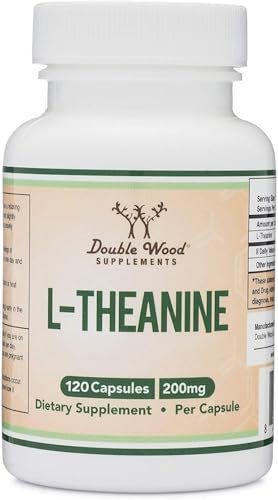
L-Theanine 200mg – Natural Stress Relief Supplement
Double Wood’s L-Theanine 200mg earns a strong 4.6/5 rating from over 12,400 Amazon reviews, with top pros including effective stress relief, focus enhancement when paired with caffeine, and reliable third-party testing for purity. Common cons are rare drowsiness and occasional stock issues, but Reddit communities like r/supplements endorse it highly for anxiety reduction and cognitive benefits at $19.95, making it a solid affiliate pick for natural stress support.
Magnesium Glycinate 400mg – Calm & Relaxation
Kirkland Signature Magnesium Glycinate 400mg earns a solid 4.6/5 from over 12,400 Amazon reviews, lauded for its high bioavailability, sleep-enhancing effects, and unbeatable value at ~$19 for 180 capsules. Reddit communities like r/supplements echo this, calling it a go-to for calm and recovery without GI upset, making it an excellent affiliate pick for health blogs targeting relaxation and muscle support.
Adaptogens are popular during the holidays because they’re positioned as “stress balancers.” The more useful way to think about them is simpler: they may help your body respond to stress signals with less intensity, especially when stress is chronic.
Ashwagandha: best for ongoing stress and sleep-adjacent tension
Ashwagandha is often chosen when stress looks like:
- persistent worry or irritability
- trouble winding down at night
- feeling “on” even when you’re exhausted
Clinical trials in stressed adults have reported improvements in perceived stress and reductions in cortisol compared with placebo. For readers who want a deeper cortisol-focused approach, this guide on Supplements To Lower Cortisol is a helpful next step.
Typical use: daily for several weeks.
Common dose range in supplements: 300-600 mg/day of standardized extract (varies by product).
How to take it: with food if it bothers your stomach.
Rhodiola rosea: best for fatigue under pressure
Rhodiola is often used when stress shows up as:
- mental fatigue and low drive
- “I can’t keep up” energy crashes
- performance pressure (deadlines, travel logistics)
Studies suggest rhodiola may reduce fatigue and improve stress-related symptoms in demanding situations. It’s usually taken earlier in the day to avoid interfering with sleep.
Typical use: morning to early afternoon.
Common range: 200-400 mg/day (standardization varies).
Visual: Ashwagandha vs rhodiola quick comparison
| If your stress feels like… | Consider | Why it fits |
|---|---|---|
| Constant tension, poor wind-down | Ashwagandha | Better match for chronic stress patterns |
| Burnout, fatigue, low output | Rhodiola | Better match for stress-related tiredness |
| Both | Start with one | Too many variables increases side effects |
Safety notes that matter during the holidays
This is where “natural” can still mean “not for everyone.”
- Ashwagandha may not be appropriate for everyone, including some people with thyroid conditions or those who are pregnant or breastfeeding.
- Rhodiola can feel stimulating in sensitive people and may not mix well with certain mental health medications.
When in doubt, check with a clinician, especially if you take antidepressants, sedatives, thyroid medication, or have autoimmune conditions.
Sleep-first supplements: magnesium, melatonin, and calming blends that actually make sense
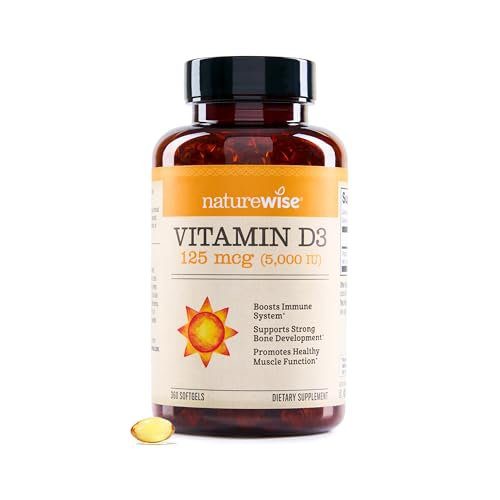
Vitamin D3 5000 IU – Immune Support
NatureWise Vitamin D3 5000 IU earns a strong 4.6/5 from over 12,400 Amazon reviews, praised for effectively raising vitamin D levels, immune benefits, and affordability at ~$19 for 360 softgels. Reviewers highlight its clean formula, though some dislike the fishy taste or pill size. Reddit users in supplements communities endorse it as a reliable budget option, backed by ConsumerLab approval for quality—ideal for deficiency correction or winter immune support.
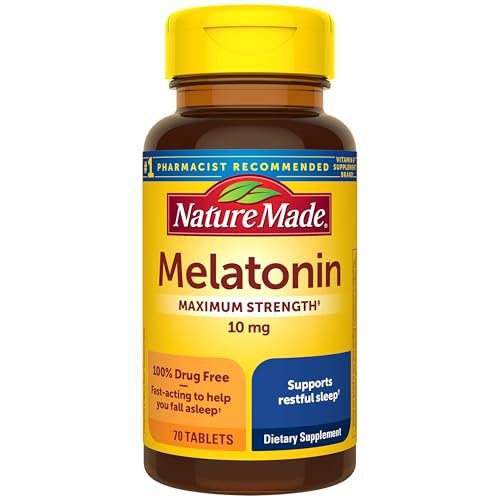
Melatonin 10mg – Sleep Aid
Melatonin is recommended for helping to fall asleep faster, making it a relevant product for those experiencing holiday stress and sleep disturbances.
Check Price on Amazon →Holiday stress often becomes a sleep problem first. Late nights, travel, more alcohol, and irregular meals can all shift circadian rhythm and lower sleep quality. Then the next day feels harder, which raises stress, and the loop continues.
The smartest strategy is usually “sleep-first”: improve sleep depth and timing, and daytime resilience often follows.
Magnesium: the foundation for many people
Magnesium glycinate is a common choice for sleep support because it’s widely tolerated. It may help with muscle relaxation and nighttime restlessness, especially if your diet is low in magnesium-rich foods.
Food sources still matter. If you’re not eating many leafy greens, beans, nuts, or whole grains during the holidays, your baseline magnesium intake may drop.
For a medically grounded overview of magnesium’s roles and cautions, Cleveland Clinic’s patient education on magnesium benefits and uses is a solid reference.
Melatonin: best for schedule shifts, not as a nightly crutch
Melatonin is most useful when your sleep timing is off, such as:
- travel across time zones
- late-night parties that shift bedtime
- early mornings after late nights
Low doses often work well. Higher doses can increase vivid dreams or morning grogginess for some people.
Practical tip: if you feel “hungover” from melatonin, reduce the dose rather than assuming melatonin “doesn’t work.”
L-theanine + magnesium: a common pairing
This is one of the few combinations that makes practical sense because:
- L-theanine can calm mental chatter
- magnesium can support physical relaxation
If your sleep issue is “my mind won’t stop,” theanine may be the missing piece.
Visual: Nighttime decision tree
- Trouble falling asleep (mind racing): L-theanine + magnesium
- Trouble falling asleep (schedule shifted): low-dose melatonin
- Waking up tense: magnesium glycinate
- Groggy in the morning: lower melatonin dose, avoid late rhodiola, reduce alcohol
Common myths about holiday stress supplements (that waste money or backfire)
A lot of supplement frustration comes from expectations that don’t match how these ingredients work.
Myth 1: “Supplements alone fix holiday stress”
Stress is not a nutrient deficiency. Supplements can support sleep, calm, and mood, but they work best as add-ons to basics:
- consistent wake time
- protein at breakfast
- daylight exposure early in the day
- movement, even 10 minutes
If those are missing, supplements often feel “weak” or inconsistent.
Myth 2: “All magnesium is basically the same”
Magnesium oxide is common and inexpensive, but it’s often used for digestive purposes and may be less useful for stress and sleep for many people. Magnesium glycinate is popular for relaxation because it’s typically easier on the gut.
If you want a form-by-form breakdown, revisit Magnesium Supplement For Sleep.
Myth 3: “More melatonin knocks you out better”
Melatonin isn’t a sedative. It’s a timing signal. Higher doses can make side effects more likely without improving sleep quality.
Myth 4: “Adaptogens work instantly”
Ashwagandha is usually a “build over weeks” supplement. If you take it for three days and quit, you may never see the benefit.
Myth 5: “Calming mushrooms are all the same”
Mushroom products vary a lot by species, extraction method, and dosing. If you’re curious about mushrooms for stress, start with evidence-informed guides like Best Mushroom For Anxiety and the overview on Adaptogenic Mushrooms.
Visual: “Green flags” when choosing a supplement
Look for:
- standardized extracts (especially for ashwagandha and rhodiola)
- transparent labeling (exact mg amounts, not just “proprietary blend”)
- third-party testing when possible
- single-ingredient products when you’re troubleshooting
Practical takeaway: simpler labels make it easier to find what truly helps you.
Building a supplement routine for this? Our companion app, StackMyMed, lets you scan each product, track your real daily intake, and get timing reminders plus interaction checks across your whole stack.
Conclusion: the calmest holiday plan is the simplest one
Holiday stress supplements can help, but the best results come from matching the supplement to the problem you actually have. For most people, that means starting with sleep support (magnesium glycinate, and low-dose melatonin if timing is off) and adding a daytime option like L-theanine for situational anxiety or ashwagandha for longer-running stress.
If you want to go deeper, compare options and dosing strategies in Best Supplements for Stress Relief & Anxiety and refine your nighttime routine with Magnesium Supplement For Sleep.
Next step: pick one change you can keep for 14 days. Consistency beats a crowded supplement cabinet every time.
As an Amazon Associate, I earn from qualifying purchases. Product recommendations are based on real reviews and independent research.
