
If you want a budget supplement stack, the smartest approach is to cover the basics first – nutrients you’re likely to miss in food and supplements with the best evidence per dollar. That usually means a solid multivitamin, a protein powder you’ll actually use, omega-3s if you rarely eat fatty fish, and creatine if you train. This article breaks down exactly what to buy, what to skip, and how to build a stack that fits your goal and your wallet without turning your cabinet into a pharmacy.
Affiliate disclosure: this article contains affiliate links. As an Amazon Associate, UsefulVitamins.com earns from qualifying purchases at no extra cost to you.
Summary / Quick Answer: The simplest budget supplement stack
A practical budget supplement stack is built around a few “high-return” products, chosen based on diet gaps and training goals:
- Multivitamin (daily): Insurance for common micronutrient shortfalls
- Protein powder (as needed): Helps you hit daily protein targets consistently
- Omega-3 (daily if low fish intake): Adds EPA/DHA you may not get from food
- Creatine monohydrate (daily if training): Supports strength and lean mass over time
Minimal starter (most people): multivitamin + protein powder
Training upgrade: add creatine
Low-fish upgrade: add omega-3
Quick rule: start with 2 items for 2 weeks, then add one at a time so you can tell what’s helping (and what’s just costing you money).
Budget supplement stack fundamentals: what to buy first (and why)
Most people overspend on “nice-to-have” products because the labels look scientific. The better move is to treat supplements like a budget: cover essentials first, then add targeted items only if they solve a real problem.
A supplement stack is simply a set of products taken together to support a goal (training performance, recovery, general wellness). The key is not having more products – it’s having the right ones for your diet and routine. Many “stacks” work because they fill gaps that food misses, or they make it easier to execute basics consistently (like hitting protein targets). That’s also why foundational stacks are commonly recommended year-round in fitness and wellness circles, rather than rotating through trendy formulas.
Here’s the practical filter that keeps costs down:
The 4-question filter (use this before you buy anything)
Ask:
- Is this nutrient hard for me to get from food? (Example: EPA/DHA if you never eat salmon.)
- Will I use it at least 5 days/week? Consistency beats novelty.
- Is there strong human evidence for my goal? Not just mechanistic claims.
- Does it fit my “per serving” budget? A cheap tub can still be expensive per dose.
The “foundation first” shortlist
These are the most common building blocks because they’re versatile and usually affordable per serving:
- Multivitamin: Helps cover gaps when diet quality varies. If you want help choosing, start with this guide to Best Value Multivitamins.
- Protein powder (whey or plant): Not magic, just convenient protein. Particularly useful when appetite, schedule, or budget makes whole-food protein harder.
- Omega-3 fish oil: Especially relevant if you eat fatty fish less than twice weekly. See Best Omega-3 Supplements for quality markers (like EPA/DHA content and third-party testing).
- Creatine monohydrate: One of the best-studied performance supplements for repeated high-intensity work and strength.
Visual: “Start here” decision map
| If you… | Start with | Add next |
|---|---|---|
| Miss protein most days | Protein powder | Creatine (if training) |
| Rarely eat fish | Omega-3 | Vitamin D (if low sun exposure) |
| Eat inconsistently | Multivitamin | Magnesium (if intake is low) |
| Lift or sprint train | Creatine | Protein (if not hitting targets) |
If you’re trying to keep costs low, a good strategy is to pick two foundational items and run them for 14 days. Then add one more if it clearly fits your needs.
How to build a budget supplement stack for your goal (3 templates)
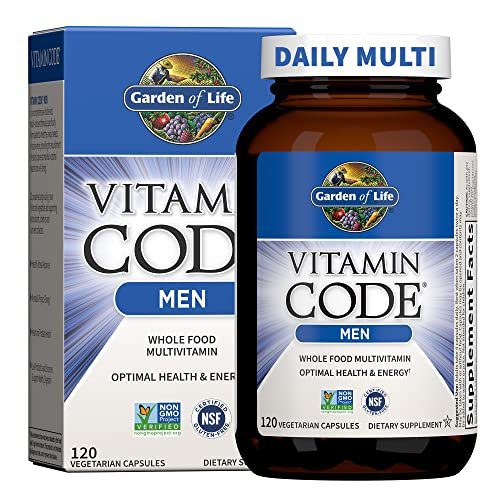
Garden of Life Multivitamin for Men – Vitamin Code Whole Food Multivitamin
Garden of Life Vitamin Code Men earns strong 4.6/5 stars from over 12,000 Amazon reviews for its raw, whole food formula with organic fruits/veggies, probiotics, and energy-boosting effects, making it a top affiliate pick for men seeking clean, non-synthetic multis despite the 4-capsule serving size and premium price.[1][2][3][5]
The biggest mistake with stacks is copying someone else’s list. A good stack is personal: it matches your training, diet, sleep, and even digestion. Below are three templates that work as starting points, with options to scale up without doubling your monthly spend.
1) General wellness template (simple, low-cost)
This is for people who want better “coverage” without chasing performance numbers.
Core picks
- Multivitamin: daily with food
- Omega-3: daily if fish intake is low
- Magnesium (optional): if your diet is low in nuts, legumes, and leafy greens
Magnesium deserves special attention because low intake is common, and different forms behave differently in the body. If you’re deciding between citrate, glycinate, or oxide, this breakdown on Magnesium Benefits Types Dosage helps you match the form to your tolerance and goal.
Visual: wellness stack checklist
- Morning with breakfast: multivitamin
- With your largest meal: omega-3
- Evening (optional): magnesium (start low, increase slowly)
2) Muscle and strength template (high return for active people)
If you lift weights or do repeated sprint work, the “budget winners” are usually protein and creatine.
Core picks
- Protein powder: use it to hit your daily protein target, not just post-workout
- Creatine monohydrate: 3-5 g daily (timing matters less than consistency)
- Multivitamin: optional, but useful if diet quality varies
Creatine has strong evidence for improving performance in repeated bouts of high-intensity exercise and supporting gains in lean mass when paired with resistance training. For a research-grounded overview, see the NIH Office of Dietary Supplements creatine fact sheet.
Visual: simple muscle-gain daily plan
| Time | What | Why it’s here |
|---|---|---|
| Any time | Creatine 3-5 g | Daily saturation over time |
| Post-workout or snack | 20-30 g protein | Helps meet daily total |
| With food | Multivitamin (optional) | “Coverage” for gaps |
3) Fat loss template (support adherence, not hype)
Most fat loss supplements disappoint because they try to replace the hard part: consistent calorie control and protein intake. A budget stack should make adherence easier.
Core picks
- Protein powder: helps keep protein high while calories are controlled
- Caffeine (from coffee/tea) or a simple pre-workout: optional for training drive
- Electrolytes (if sweating heavily): helps you feel better during a calorie deficit
If you notice fatigue, low mood, or low energy while dieting, it’s worth checking whether you’re under-consuming B vitamins (common with low-calorie diets that reduce grains and animal foods). This guide to Vitamin B Complex explains what the different B vitamins do and when supplementation makes sense.
Visual: fat loss “keep it honest” list
- Must-have: protein (from food + powder if needed)
- Nice-to-have: caffeine for workouts
- Situational: electrolytes during heat, long sessions, or heavy sweaters
Cost control and quality checks: how to spend less without buying junk
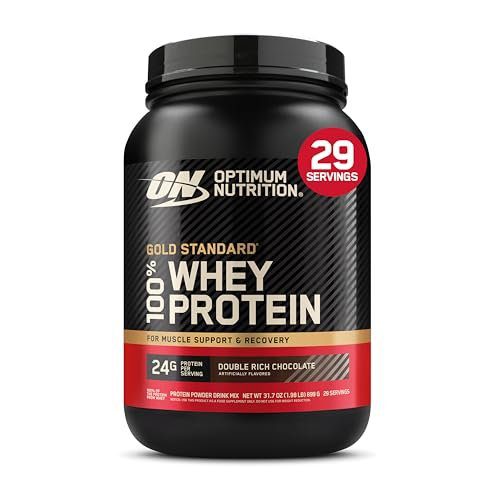
Optimum Nutrition Gold Standard 100% Whey Protein Powder
Optimum Nutrition Gold Standard 100% Whey Protein Powder earns a strong 4.7/5 stars from over 131,000 Amazon reviews for its affordable price, delicious flavors, and reliable 24g protein with 5.5g BCAAs per serving, backed by Informed Choice certification and excellent third-party lab grades, making it an ideal affiliate recommendation for budget-conscious fitness enthusiasts seeking a proven post-workout staple[1][2].
The “budget” part isn’t just choosing cheaper products. It’s buying products that actually contain what they claim, in doses that match research, without paying for marketing.
Step 1: Compare cost per serving, not cost per bottle
A tub that looks cheap can be expensive per dose if the serving size is tiny or the active ingredient is underdosed.
Use this quick method:
- Find the effective daily dose (based on evidence, not label hype)
- Divide the bottle cost by number of effective doses
- Compare across brands
Step 2: Use label reality checks (especially for omega-3)
Fish oil labels often list “1000 mg fish oil,” but what matters is EPA + DHA.
Visual: omega-3 label check
| Label line | What it means | What you want |
|---|---|---|
| Fish oil 1000 mg | Total oil | Not the key number |
| EPA (mg) | Active omega-3 | Higher is better |
| DHA (mg) | Active omega-3 | Higher is better |
| “Proprietary blend” | Hidden dosing | Avoid when possible |
If you want a shortcut to quality markers and what to look for, UsefulVitamins’ roundup of Best Omega-3 Supplements explains potency and testing in plain language.
Step 3: Choose boring forms that work
When money is tight, “classic” forms are often the best deal:
- Creatine monohydrate (not fancy blends)
- Whey concentrate or isolate (based on tolerance)
- Basic multivitamin (not mega-dose everything)
- Magnesium glycinate or citrate (depending on GI tolerance and goal)
Step 4: Buy from reputable manufacturers (generic can be fine)
Generic doesn’t automatically mean low quality. What matters is manufacturing standards and transparency. If you’re comparing mainstream brands, this review of NOW Foods Supplements can help you understand what to expect from a budget-friendly, widely available company.
Step 5: Safety and interaction basics (don’t skip this)
Even “basic” supplements can matter if you take medications or have health conditions.
Keep these guardrails:
- Add one new supplement at a time (give it 7-14 days).
- Take fat-soluble items (like omega-3 and vitamin D) with a meal.
- If you supplement calcium, vitamin D helps calcium absorption. For a plain-language overview of nutrient pairing, see this explainer on calcium and vitamin D interactions.
- If you’re pregnant, breastfeeding, have kidney disease, or take blood thinners, check with your clinician first.
For general supplement safety and upper limits, the NIH Office of Dietary Supplements is a reliable reference.
Common mistakes that make a budget supplement stack more expensive (and less effective)
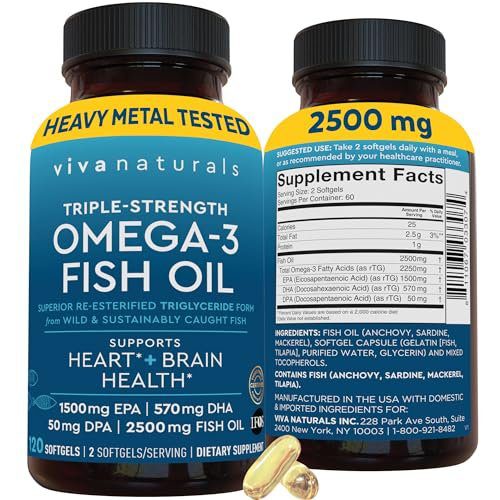
Viva Naturals Omega 3 Fish Oil Supplement
This omega-3 supplement is ideal for those who do not consume enough fatty fish, providing essential EPA and DHA at an affordable price.
Check Price on Amazon →A stack can fail in two ways: it can waste money, or it can create enough side effects that you stop taking it. These are the patterns that cause both.
Mistake 1: Buying a “kitchen sink” pre-workout instead of fixing basics
If sleep is poor and protein is low, a stimulant blend won’t solve the root issue. It may just make you feel wired and then crash.
Better budget move:
- Get protein consistent first.
- Add caffeine only if it improves training quality and doesn’t hurt sleep.
Mistake 2: Paying for underdosed “add-ons”
Many products look affordable until you realize you need 2-3 servings to reach a studied dose.
Examples of “check the dose” categories:
- Pump products (often low in key amino acids)
- Greens powders (varies widely)
- Collagen blends (may be underdosed for meaningful protein contribution)
Visual: quick “dose reality” checklist
- Does the label show the dose of each active ingredient?
- Does it match common studied ranges?
- Is the serving size realistic for daily use?
Mistake 3: Confusing “more items” with better results
A tight stack is easier to stick with, easier to troubleshoot, and usually works better.
Think of it like a training plan: five well-chosen exercises beat twenty random ones.
Mistake 4: Ignoring digestion and tolerance
A budget stack you can’t tolerate becomes an expensive lesson.
Common fixes:
- If whey upsets your stomach, try whey isolate or a plant blend.
- If magnesium causes loose stools, lower the dose or switch forms. The guide on Magnesium Benefits Types Dosage can help you choose.
- Take omega-3 with food to reduce “fish burps.”
Mistake 5: Skipping the “food gap” check
Before you buy anything, do a quick 7-day reality check:
- How many days did you hit a reasonable protein target?
- How often did you eat fatty fish?
- Do you regularly eat fruits, vegetables, legumes, nuts, and dairy or fortified alternatives?
If the gaps are obvious, your stack should target those first.
<Adding this to a few other supplements? Our companion app, StackMyMed, scans the label, tracks your real daily intake, and schedules the best time to take it around everything else in your routine.
Conclusion: a budget stack works best when it stays simple
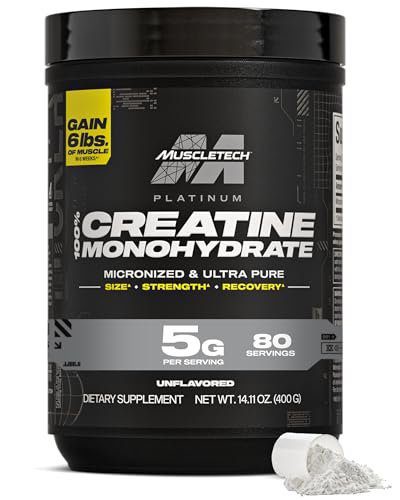
MuscleTech Platinum 100% Creatine Monohydrate Powder
MuscleTech Platinum 100% Creatine Monohydrate Powder earns a strong 4.6/5 rating from over 5,300 Amazon reviews, praised for easy mixing, strength boosts, and affordability around $19, making it a reliable unflavored creatine choice for gym enthusiasts seeking proven muscle and power gains without extras.
A budget supplement stack is most effective when it covers real gaps and supports habits you can maintain. For most people, that means starting with a multivitamin and protein powder, then adding omega-3s if fish is rare and creatine if training is consistent. Keep the list short, compare cost per effective serving, and add products one at a time so you can track what’s helping.
Next step: if you want to tighten your foundation, review Best Value Multivitamins and then check Best Omega-3 Supplements to make sure you’re paying for EPA and DHA, not just a flashy label.
As an Amazon Associate, I earn from qualifying purchases. Product recommendations are based on real reviews and independent research.
