
Affiliate disclosure: this article contains affiliate links. As an Amazon Associate, UsefulVitamins.com earns from qualifying purchases at no extra cost to you.
Nobody comes off a ski hill feeling sweaty, and that is exactly the trap. Winter sports pull water and sodium out of you through channels that never announce themselves: your kidneys, your breath, and the sweat that evaporates invisibly under three layers of fabric. This guide works through what a mountain day actually costs you, why the classic advice to sip constantly on the chairlift mostly fails in practice, and which products suit a sport where your drink freezes and your hands live in gloves. These are the same picks we pack for our own family ski weeks, right down to the tablet tube that rides in a jacket chest pocket.
Before you decide
Plenty of skiers do not need an electrolyte product at all. If your day is a few relaxed hours on groomers in mild weather, with breakfast before and a proper lunch in the lodge, your meals already replace what you lose, and a supplement adds cost without adding anything else.
Talk to your doctor before adding high-sodium supplements if you have high blood pressure, kidney disease, or heart failure, or if you take diuretics or other blood pressure medication. A single LMNT packet carries 1,000 mg of sodium, which is nearly half of the 2,300 mg general daily guideline. This article is general information, not medical advice, and it cannot account for your prescriptions, your blood pressure, or your lab results. One hard red flag while we are here: confusion, severe headache, vomiting, or staggering at altitude is a medical emergency, not a hydration problem. Descend and get help rather than reaching for a sports drink.
The comparison below is for people putting in real mountain time: full lift-to-close days, multi-day trips at altitude, ski touring with long climbs, and cold-weather endurance sports generally. If that is your winter, the physiology below explains why you can end a freezing day as depleted as a summer runner. Our complete guide to electrolytes covers the foundations if you want them first.
What a ski day actually takes out of you
Start with the strangest one: skiing makes you pee away sodium. When cold air chills your skin, blood vessels near the surface clamp down and shift blood toward your core. Your kidneys read that central fullness as surplus and start offloading fluid, a response called cold-induced diuresis. In a human trial in the European Journal of Applied Physiology, cold exposure significantly increased both urine output and sodium excretion, and the authors characterized it as a solute diuresis. The salt leaves with the water, which is why those extra bathroom stops on a cold day are not as harmless as they feel.
Researchers who study dehydration treat this as its own category. A 2015 review in Sports Medicine groups cold and altitude together as environments where body water is lost through diuresis rather than sweat, producing what the authors call iso-osmotic hypovolemia: you lose volume and electrolytes together, a different pattern from a salty summer sweat. The practical consequence is the same, though. By late afternoon you are running low on both.
Your breath is the second silent channel. Cold mountain air holds almost no moisture, so your airways humidify every breath before it reaches your lungs, and that water leaves with each exhale as the fog you see in front of your face. At altitude, faster breathing multiplies the effect. A review of energy and water balance at high altitude frames disturbed water balance as a mismatch between intake and requirement, and its headline conclusion is that altitude weight loss comes mostly from hypoxia-blunted appetite rather than dehydration. Extra respiratory water loss in cold, dry, thin air is a well-described mechanism in its own right, but it is a background drain, not the main event. Honest caveat: loss estimates vary too much between studies to quote one clean number, so treat this as a steady background drain rather than something you can calculate to the milliliter.
Then there is the sweat you never see. A large review of sweat testing in athletes, published in Sports Medicine in 2017, puts typical sweating rates between 0.5 and 2.0 liters per hour, with whole-body sweat sodium spanning roughly 10 to 70 mmol/L. Lift-served skiing sits near the bottom of that range, but a technical shell over a fleece is a portable sauna the moment you work: mogul runs, deep snow, a skate back along a flat, or the boot pack up a ridge. Ski tourers skinning uphill sweat at rates a summer trail runner would recognize, then stop sweating instantly on the descent while the loss stays on the books.
The final mechanism is the one that defeats good intentions: cold switches your thirst off. In a study in Medicine and Science in Sports and Exercise, cold exposure attenuated thirst by up to 40 percent at rest and during moderate exercise, even when the subjects were already dehydrated. The same blood-shift that triggers cold diuresis fools the brain's volume sensors into reading "full." So you lose fluid through your kidneys, your breath, and your base layer all day, and the alarm that normally tells you to drink never goes off. That is the whole case for putting electrolytes on a schedule instead of waiting for a signal that is not coming.
The altitude sickness myth worth clearing up
Ski-town folklore says chugging water prevents altitude sickness. The people who write altitude medicine guidelines disagree. The Wilderness Medical Society's 2019 clinical practice guidelines state it flatly: forced or over hydration has never been found to prevent altitude illness, and it may raise the risk of hyponatremia, a dangerous dilution of blood sodium. What actually prevents acute mountain sickness in those guidelines is gradual ascent, and, where appropriate, prescription acetazolamide, which is a conversation for your doctor before a high-altitude trip, not a supplement decision.
The same guidelines add the nuance that keeps normal hydration on the table: dehydration symptoms can mimic AMS. Headache, fatigue, and general misery at 3,000 meters could be either one. Staying reasonably hydrated will not prevent altitude illness, but it removes an imposter from the lineup, so a genuine AMS headache is easier to recognize and take seriously. Drink to a sensible schedule, salt your fluids on big days, and never use either as a reason to keep ascending through worsening symptoms.
When water alone is enough
The honest gate before any product pitch: a thermos of water or tea plus lodge food covers a large share of recreational skiing. A half day on groomers in mild temperatures costs you modestly, and resort food is famously salty. Soup, fries, and a pretzel are an electrolyte program, just one that never gets marketed as such. If you ski a few relaxed hours and eat like a normal person on holiday, plain fluids are fine.
Products earn their place when the drains stack up: first-lift-to-last-lift days, a week at altitude where every day adds to the last, touring days with sustained climbing, or very cold weather where you demonstrably drink less because nothing about a frozen bottle invites use. The other sign is how you finish: a headache, dark urine, and a wrecked evening after every ski day is data. If you want your own numbers instead of vibes, our sweat rate calculator turns a before-and-after weigh-in into an hourly loss estimate you can plan around.
One more note: more sodium is not automatically better. The same wilderness medicine literature that debunks forced hydration exists partly because people overcorrect in both directions. Match intake to real losses, and let food do most of the work.
How to choose for skiing and winter sports
The first choice is not a brand, it is a schedule. Since blunted thirst and frozen bottles make on-hill sipping unreliable, anchor your electrolytes to the three moments you are already indoors: a serving in a big glass of water with breakfast, a tablet or packet in whatever you drink at lunch, and a deliberate rehydration serving apres-ski before the first beer. Skiers who try to run a summer sip-every-fifteen-minutes protocol on a chairlift mostly quit by day two. The breakfast-lunch-apres pattern survives real trips.
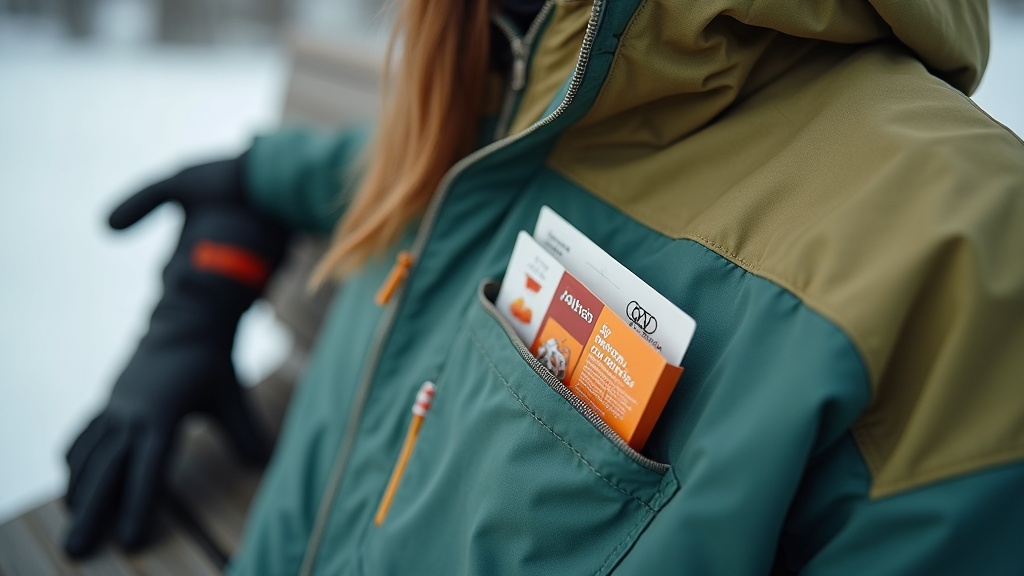
Format matters more in winter than in any other season. Bottles freeze, hands are gloved, and pack access means stopping. Tablets in a crush-proof tube are the mountain-day winner because the tube lives in a chest pocket, shrugs off being sat on, and drops into a glass at lunch with zero fuss. Powder stick packs carry more sodium per serving and mix perfectly into breakfast water or an insulated bottle, so they own the morning and apres slots. Capsules suit ski tourers who want steady dosing on long climbs without flavored water. We compared dosing across formats in detail in our look at whether electrolyte tablets are underdosed versus powders, and the short version holds here: tablets average roughly a third of the sodium of a strong powder, so they are a convenience format, not a concentration format.
Sodium per serving is the second filter, and the spread is wide: 215 mg to 1,000 mg across the products below, nearly five-fold. For a full day with the cold-diuresis drain running, the higher-sodium options let you hit a meaningful total in two servings. Sugar is a real fork in the road too. Zero-sugar products fit the salt-replacement job, while sugared mixes make sense when you also want fuel, which describes touring days and hungry teenagers better than it describes a lift-served cruiser day.
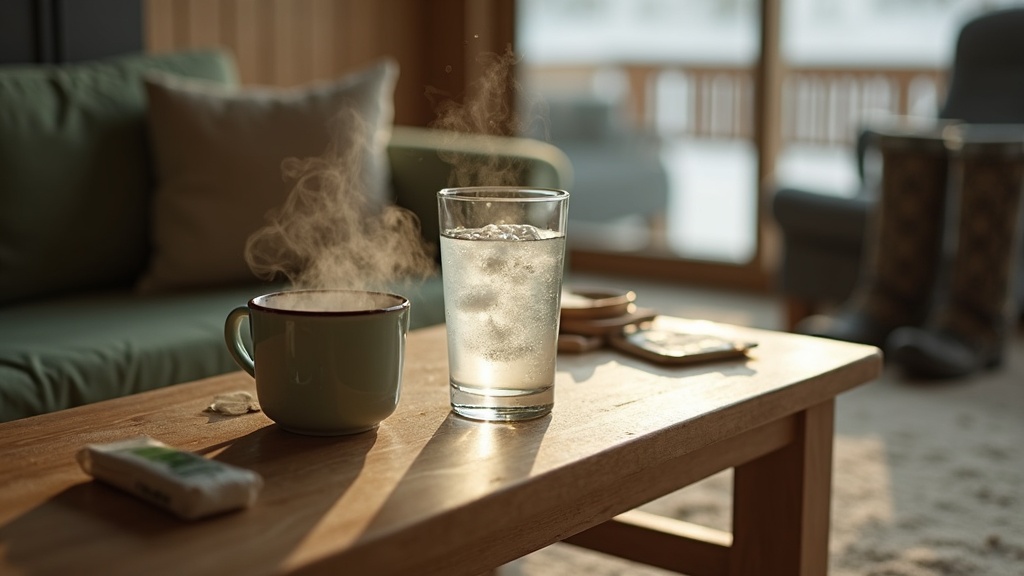
Two winter-specific details people miss. Warm water is a legitimate mixer: the minerals in these products are heat-stable, so a tablet in warm tea-temperature water from a thermos works fine, though added vitamins are more heat-sensitive and brands do not publish degradation data. And insulated bottles beat hydration bladders in real cold, because bladder hoses freeze first and are miserable to clean in a hotel room.
The numbers side by side
Label figures below were checked against brand pages in August 2026. Where a brand does not publish a number, we say so rather than guess.
| Product | Format | Sodium | Potassium | Sugar | Price per serving |
|---|---|---|---|---|---|
| LMNT | Stick pack (powder) | 1,000 mg | 200 mg | 0 g | about $1.50 |
| Liquid I.V. Hydration Multiplier | Stick pack (powder) | 500 mg | 370 mg | 11 g | about $1.56 |
| Skratch Labs Sport Hydration | Powder (packets or bag) | 400 mg | not published on brand page | 19 g carbs | about $1.20 |
| Nuun Sport | Tablet | 300 mg | 150 mg | 1 g | about $0.75 |
| SaltStick Caps | Capsule | 215 mg | 63 mg | 0 g | about $0.25 |
Prices are approximate direct-from-brand figures as of August 2026 and move with subscriptions and sales.
Top picks for skiing and winter sports
LMNT is the pick for the breakfast-and-apres schedule. One stick delivers 1,000 mg of sodium with 200 mg of potassium and no sugar, so two servings bookending the ski day replace a serious share of what cold diuresis and hidden sweat take, without requiring you to drink anything on the hill. The salty rather than candy-sweet profile also mixes credibly into warm water, which matters in January. It is the most expensive way to buy most electrolytes, and the cheapest powder per milligram of sodium at about $1.50 per 1,000 mg, though SaltStick capsules still beat it on that math at roughly $1.16 per 1,000 mg. We dug into whether the price is justified in our full LMNT review.
Nuun Sport is the on-mountain practicality pick. The crush-proof tube of ten tablets is the only format here that can live in a jacket pocket for a week without incident, and the drop-and-fizz routine works with cold hands at a cafeteria table. At 300 mg of sodium and 1 g of sugar per tablet, it is a light dose, so treat it as the lunch top-up in a bigger plan rather than the whole plan.
SaltStick Caps are the value and ski-touring pick. At about $0.25 per capsule, steady dosing costs a fraction of the powders, and capsules skip the flavored-water problem entirely on long skin tracks where you are drinking plain water from an insulated bottle anyway. Sodium per capsule is modest at 215 mg, so bigger days simply take a capsule every hour or so of climbing, which is the cadence capsules are built for.
Liquid I.V. is the apres-ski rehydration pick. With 500 mg of sodium, 370 mg of potassium, and 11 g of sugar per stick, it follows the oral rehydration logic of pairing glucose with sodium, and it is at its best as the deliberate end-of-day refill when you come in depleted and dinner is hours away. Skip it as an all-day base if you are watching sugar.
Skratch Labs Sport Hydration is the touring-fuel pick. Its 400 mg of sodium rides alongside 19 g of carbohydrate, so it does double duty on skin-track days when you need calories anyway. The brand's page text calls out sodium and carbohydrate but does not state a potassium figure we could read, so we have not listed a number; check the pack's nutrition panel if potassium matters to you. For summer crossover use, the same logic we laid out in our hiking and backpacking electrolyte roundup applies to this one almost unchanged.
What to look for when buying
Buy packaging that survives a pocket. Tubes and stick packs shrug off pocket life and airport security; tubs are for the kitchen counter. A product you left in the hotel room has a sodium content of zero.
Match sodium to the day you actually ski. Two groomer hours need nothing. A first-to-last-lift day at altitude justifies roughly 500 to 1,000 mg beyond food, and a sweaty touring day more again. Two full-strength 1,000 mg sticks is a hard-day ceiling, not a default. Buy for your real pattern, not your ambitious one.
Check the sugar column against the job. Zero-sugar for salt replacement around meals, sugared mixes when the drink is also fuel. Neither is superior; they are different tools.
Do the price math at your real dose. A 300 mg tablet at $0.75 costs more per milligram of sodium than a 1,000 mg stick at $1.50. If your day needs two or three tablets, the cheap option quietly is not.
Prefer brands that publish complete labels. Every number in our table came from a label or brand page, and where a company declines to publish a figure, we treated the silence as information. You should too.


As an Amazon Associate, UsefulVitamins.com earns from qualifying purchases at no extra cost to you. We only recommend products supported by published research or third-party testing.
FAQ
Do electrolytes prevent altitude sickness?
No. The Wilderness Medical Society guidelines are explicit that forced or over hydration has never been shown to prevent altitude illness, and overdoing plain water can cause dangerous hyponatremia. Gradual ascent is the proven preventive, with prescription options like acetazolamide as a clinician conversation. Sensible hydration still matters because dehydration can mimic AMS symptoms and muddy the picture. Worsening headache, vomiting, confusion, or loss of coordination at altitude means descend and seek medical care.
Should I drink on the chairlift or just at meals?
For most resort skiers, a meal-anchored schedule wins because it actually happens. Cold blunts thirst substantially, bottles freeze, and gloves make sipping a chore, so plan a big glass with breakfast, a drink at lunch, and a serving apres-ski, then treat anything on the hill as a bonus. Ski tourers are the exception; on sustained climbs you are working hard enough to drink like a summer athlete, insulated bottle permitting.
Do electrolyte supplements interact with medications?
Some combinations matter. High-sodium products work directly against blood pressure treatment and sodium-restricted diets for heart and kidney conditions. Potassium-containing mixes deserve caution alongside ACE inhibitors, ARBs, and potassium-sparing diuretics, which already raise potassium. Lithium levels shift with big changes in sodium intake. Check your specific prescriptions with our drug-supplement interaction checker and confirm with your pharmacist before making any of these a daily habit.
Can I mix electrolytes into hot drinks from a thermos?
Warm water is fine. The sodium, potassium, and magnesium salts in these products are heat-stable minerals, and a tablet fizzing in warm water at a lodge table works as intended. Added vitamins are the caveat; vitamin C in particular degrades with heat and brands do not publish data on it, so if the vitamin content is why you bought a product, mix that one cool.
Does apres-ski alcohol undo the day's rehydration?
It does not help. Alcohol promotes urination on top of a cold-diuresis day that already had you losing fluid and sodium through your kidneys. The practical fix is sequencing rather than abstinence: take your electrolyte serving and a proper glass of water when you come inside, before the first drink, and you start the evening from a much better baseline than the person who rehydrates exclusively with lager.
The bottom line
Skiing's electrolyte problem is invisibility. Cold-induced diuresis sends sodium out through your kidneys, dry air takes water with every breath, layers hide the sweat, and a cold-numbed thirst mechanism never tells you any of it happened. The fix is not heroic drinking on the chairlift, and chugging water to ward off altitude sickness does not work either, per the altitude medicine literature. The fix is a schedule: real sodium at breakfast, a top-up at lunch, a deliberate refill apres-ski. LMNT covers that pattern in two low-effort servings, Nuun Sport earns the jacket pocket, and SaltStick caps handle touring days for pennies. Skip all of it for casual half days, check the label math for everything else, and let the mountain get your legs, not your fluid balance.
