
LMNT is one of the most polarizing electrolyte products on the market. Its fans are loyal — endurance athletes, keto adherents, and biohackers who swear by 1,000 mg of sodium per stick and nothing else. Its critics look at the $45/month price tag and point out that the same electrolyte ratio costs roughly $0.10 to mix yourself with table salt, lite salt, and citric acid. Both camps have a point. This review works through the formula, the pricing, the subscription terms, and the Reddit-documented friction points so you can make a clear call: is LMNT worth it for you, or does the $45/month buy you marketing more than it buys you electrolytes?
Affiliate disclosure: this article contains affiliate links. As an Amazon Associate, UsefulVitamins.com earns from qualifying purchases at no extra cost to you.
What is LMNT?
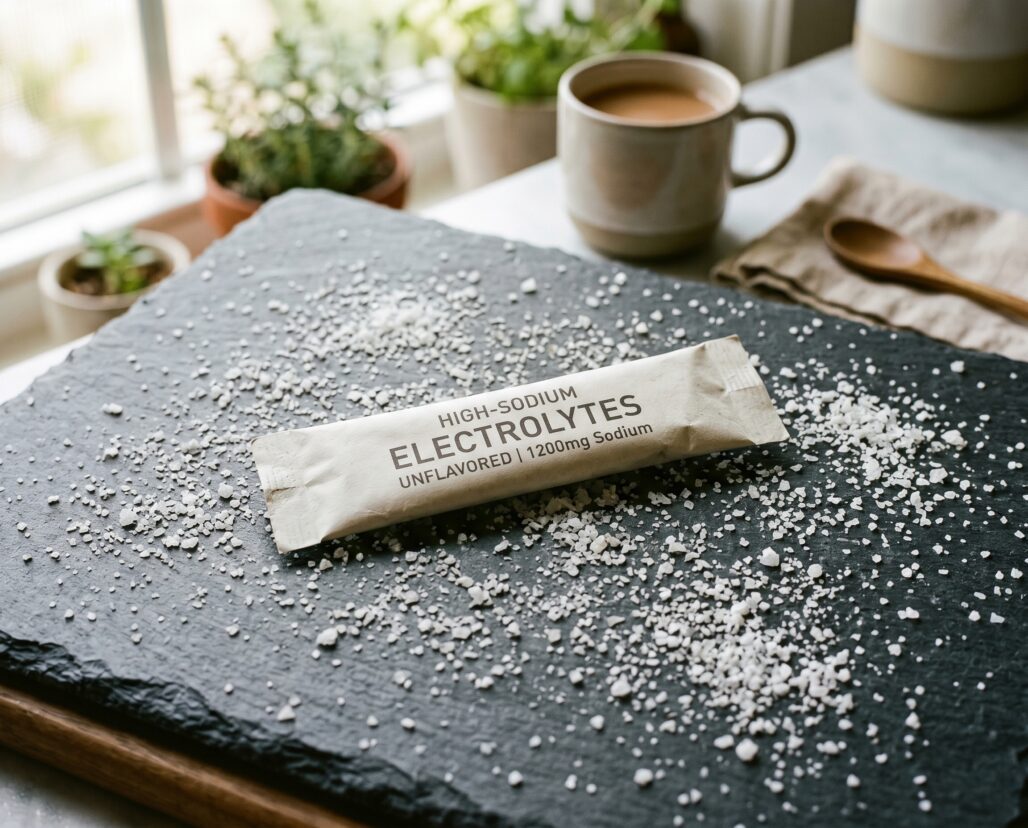
LMNT (pronounced "element") is a zero-sugar electrolyte powder sold in single-serve stick packs. It was co-founded by Robb Wolf, a well-known paleo and ketogenic diet author, and Drink LMNT, Inc. launched the product in 2018 targeting low-carb dieters who lose more sodium than average due to reduced insulin levels and corresponding kidney sodium excretion.
The founding logic is grounded in real physiology. When carbohydrate intake drops, insulin levels fall, and the kidneys excrete more sodium. That increased sodium loss can produce the fatigue, headaches, and brain fog commonly called "keto flu." LMNT was designed to replace that sodium aggressively — more aggressively than nearly any competing product on the market.
From that narrow origin, LMNT has grown into a broader "performance hydration" brand, sponsoring ultramarathon events and partnering with CrossFit communities. The product's positioning has expanded well beyond keto, but the formula itself has not changed to reflect that shift. Understanding this gap is important before you decide whether to buy.
What do you actually get?
Each LMNT stick pack contains:
- Sodium: 1,000 mg (from sodium chloride and sodium citrate)
- Potassium: 200 mg (from potassium chloride)
- Magnesium: 60 mg (from magnesium malate)
- Sugar: 0 g
- Calories: 0-10 (varies slightly by flavor)
The formula is deliberately minimal. No vitamins, no B-complex, no adaptogens. LMNT's argument is that most electrolyte products are underdosed on sodium and overdosed on sugar, and that their 1,000:200:60 ratio of sodium to potassium to magnesium matches real sweat losses better than the typical 250 mg sodium found in competitors.
Is the sodium dose evidence-based? Partially. The ACSM and USOC both recommend sodium replacement during exercise, with figures ranging from 300-600 mg/hour for moderate-intensity activity and up to 1,000-1,500 mg/hour for prolonged exercise in heat. An LMNT stick at 1,000 mg covers the upper range of a single hour of vigorous sweat output. For heavy training days, that's a legitimate dose. For a sedentary person drinking LMNT at their desk, 1,000 mg of added sodium is not a functional benefit — it's simply extra salt.
Magnesium malate is a reasonable choice. Malate is better tolerated than magnesium oxide and has a reasonable absorption profile, though clinical research on the specific malate form vs. glycinate is mixed.
What's missing: No calcium. No phosphate. No chloride breakdown beyond what's inherent in sodium chloride. For general hydration, these omissions are minor. For a product marketed as a comprehensive electrolyte solution, the narrow panel is worth acknowledging.
The price math

LMNT's subscription price is $45 for 30 sticks — $1.50 per stick, $45 per month, $540 per year. Signing up for LMNT on subscription starts a $540/year commitment.
That number needs context.
A 30-serving bag of Re-Lyte Electrolyte Mix from Redmond Real Salt runs approximately $14-$20 on Amazon — a 3.2x premium for LMNT. Re-Lyte includes sodium, potassium, magnesium, calcium, and chloride at competitive doses, with no sugar and no artificial sweeteners. The sodium dose (810 mg) is lower than LMNT but within the same functional tier.
The DIY comparison is starker. The Reddit r/electrolytes community has documented a well-circulated home recipe: 1/4 tsp table salt (575 mg sodium), 1/8 tsp lite salt / potassium chloride (175 mg potassium), citric acid for flavor, and trace magnesium from a separate supplement. Total ingredient cost: roughly $0.10 per dose. That is a 15x cost difference versus LMNT's $1.50 per stick. The chemistry is functionally identical. What you lose is the convenience of a pre-portioned stick and the flavoring system.
The cancellation note: LMNT's cancellation process is lower-friction than most DTC supplement subscriptions — it's accessible through your account dashboard without requiring email or phone contact. That said, $540/year still requires you to actively track the billing cycle and cancel on your terms. The low friction of the cancel flow does not change the math of the commitment you're entering.
What works
The sodium dose is genuinely different. Most electrolyte products — Liquid IV, Nuun, Pedialyte Sport — deliver 250-500 mg of sodium per serving. LMNT's 1,000 mg is not a marketing number. For anyone doing intense exercise in heat, training in a keto state, following a low-sodium natural foods diet, or working in hot environments, this dose fills a real gap that lower-sodium products can't cover.
Zero sugar, zero sweeteners from sugar. LMNT is sweetened with stevia and is otherwise calorie-free. For keto adherents and anyone managing blood sugar, this matters. The absence of maltodextrin (used as a carrier in many electrolyte products) is also relevant — maltodextrin has a glycemic index comparable to pure glucose despite being marketed as "not sugar."
Flavor range is legitimate. The variety pack includes flavors that users consistently rate as pleasant and not medicinal — citrus salt, watermelon salt, mango chili. Mixability is easy; the powder dissolves completely in cold water with brief stirring.
Format is genuinely convenient. Stick packs are easy to carry in a gym bag, pack for travel, or throw in a running vest. The pre-portioned format eliminates the scooping and measuring required by tub formats.
No proprietary blends. Every ingredient dose is disclosed on the label. You know exactly what you're getting. That transparency is meaningful in a supplement category that routinely hides ingredient amounts in "electrolyte complex" language.
What doesn't work
1,000 mg of sodium is too much for most people's daily use. The average American already consumes 3,400 mg of sodium per day — well above the 2,300 mg recommended limit. Adding 1,000 mg on top of a typical diet, outside of a keto or high-intensity training context, is not a health behavior. r/electrolytes threads regularly feature users reporting blood pressure concerns and water retention after daily LMNT use without the high-sweat context it was designed for.
The price does not reflect the ingredient cost. At $1.50 per stick for sodium chloride, potassium chloride, magnesium malate, citric acid, and natural flavor, you are paying primarily for brand positioning, packaging, and Robb Wolf's intellectual property. That is a legitimate thing to purchase if the format and branding change your behavior (meaning you actually consume electrolytes consistently instead of skipping them). It is not a legitimate nutritional premium in the way that, say, NSF-certified methylated vitamins justify higher cost.
No calcium. Sweat contains calcium — approximately 40-60 mg per liter of sweat. Athletes doing multi-hour sessions will deplete calcium alongside sodium and potassium. LMNT does not replace this. For endurance athletes, this is a real gap.
The keto-specific positioning has aged unevenly. LMNT was built for a very specific metabolic state. Its marketing has since broadened to include runners, CrossFitters, and "performance" users who are not in ketosis. For that broader audience, the 1,000 mg sodium dose may be excessive relative to actual sweat losses, and a lower-sodium product like DripDrop ORS or Re-Lyte may better match their physiology without the price premium.
Who should buy it
LMNT works well for a defined group:
- Strict keto or low-carb dieters who experience sodium wasting and need reliable daily replacement without a product that breaks ketosis.
- Endurance athletes — specifically runners, cyclists, and triathletes doing 90+ minute sessions in heat — who lose 1,000+ mg of sodium per hour and need a portable, pre-dosed replacement.
- People who respond poorly to sweet electrolyte drinks. LMNT's sodium-forward flavor profile is different from the saccharine taste of most sports drinks. Some athletes specifically prefer this.
- Travelers or people in varied environments who want a reliable stick-pack format that doesn't require measuring or mixing.
If you're in one of these categories and you've tried lower-sodium products without success, LMNT is not overpriced for the value it delivers to your specific physiology. The $45/month is defensible for daily use in a high-sweat context.
Who should skip it

Most people should not pay $1.50 per stick for sodium, potassium, and magnesium.
Skip LMNT if:
- You are not keto and not doing intense daily exercise. Your sweat sodium losses do not justify 1,000 mg per dose, and the product will deliver more sodium than you need at a price you don't need to pay.
- You are on a sodium-restricted diet for hypertension, cardiovascular disease, or kidney disease. 1,000 mg per stick is approximately 43% of the recommended daily maximum. This is not a product for sodium-managed health conditions.
- You want a broader electrolyte panel. If calcium replacement matters to you — and it should for endurance athletes — LMNT is structurally incomplete.
- The price is a stretch. Re-Lyte from Redmond Real Salt delivers a competitive sodium dose (810 mg), adds calcium to the panel, and runs roughly $14-$20 per month on Amazon — a 3.2x savings over LMNT's subscription price. The product comes in a tub rather than sticks, which is less portable but functionally equivalent for home use.
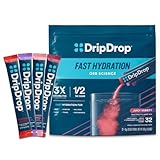
For users who want a clinically-formulated electrolyte product but don't need LMNT's extreme sodium dose, DripDrop ORS is a meaningful alternative. It uses an oral rehydration solution (ORS) formula — the same osmolarity principle used in WHO-standard dehydration treatment — with 330 mg sodium, 180 mg potassium, and a small glucose dose that actively drives sodium absorption via co-transport in the small intestine. The glucose dose (5 g) is real but small; it's a functional carrier, not a sugar-forward formulation. DripDrop costs approximately $18-$24 for 30 sticks on Amazon.
Verdict
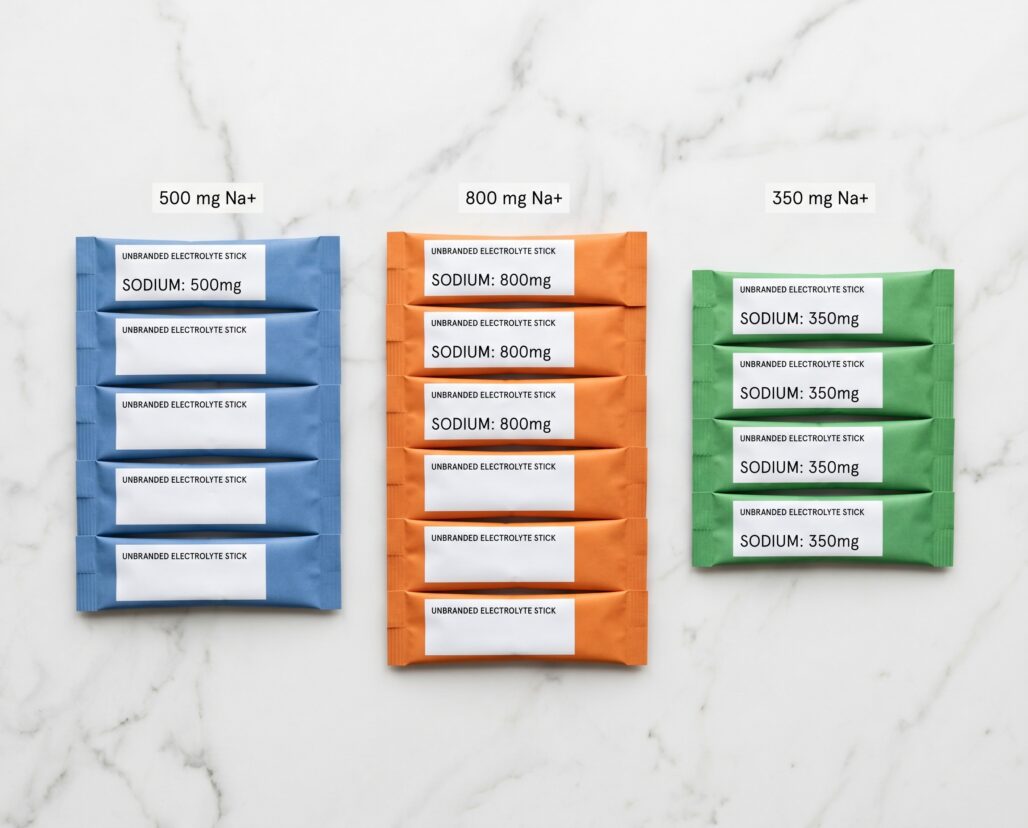
LMNT is a well-formulated product for a narrow use case. The 1,000 mg sodium dose is evidence-based for keto dieters and high-intensity athletes. The zero-sugar formula is genuinely differentiated from sugar-heavy sports drinks. The stick-pack format is convenient. The ingredient transparency is better than most competitors.
The problem is the price — $45/month, $540/year — applied broadly to people who don't need 1,000 mg of sodium daily. The ingredient cost of an LMNT stick is well under $0.20. You are paying a significant premium for the brand, the format, and the convenience. That premium is worth it for a small group of users. It is not worth it for the average person who bought LMNT because a fitness influencer recommended it and now drinks it while sitting at a computer.
If you're keto, train hard, and sweat heavily — LMNT is probably the right product. If you're none of those things, Re-Lyte at $14/month on Amazon covers your actual needs at a fraction of the cost.
The bottom line: LMNT earns a qualified recommendation. The qualification matters more than the recommendation.
Settled on one? StackMyMed (our companion app) lets you scan the label and log it into your routine, then watches for overlaps and interactions across your whole cabinet.
Related reading
- LMNT alternatives on Amazon
- Liquid IV vs LMNT: which electrolyte is right for you
- How we review supplements
For 2026 pricing across DTC supplement subscriptions and their Amazon equivalents, see our DTC supplement pricing reference.
As an Amazon Associate, I earn from qualifying purchases. Product recommendations are based on real reviews and independent research.
This article is for informational purposes and not medical advice. Electrolyte supplements can interact with medications and health conditions, including hypertension, kidney disease, and cardiovascular disease. Consult a licensed physician before starting any new supplement.
As an Amazon Associate, I earn from qualifying purchases. Product recommendations are based on real reviews and independent research.
Editorial independence note: UV earns affiliate commissions from Amazon and (selectively) from DTC brand affiliate programs. Commissions never determine our recommendations — top picks are chosen first; affiliate links are added second. Read our full methodology and editorial independence policy →
Who actually makes it: our Brand File on LMNT covers ownership, factories, and the public record.
