
Affiliate disclosure: this article contains affiliate links. As an Amazon Associate, UsefulVitamins.com earns from qualifying purchases at no extra cost to you.
What "underdosed" actually means here
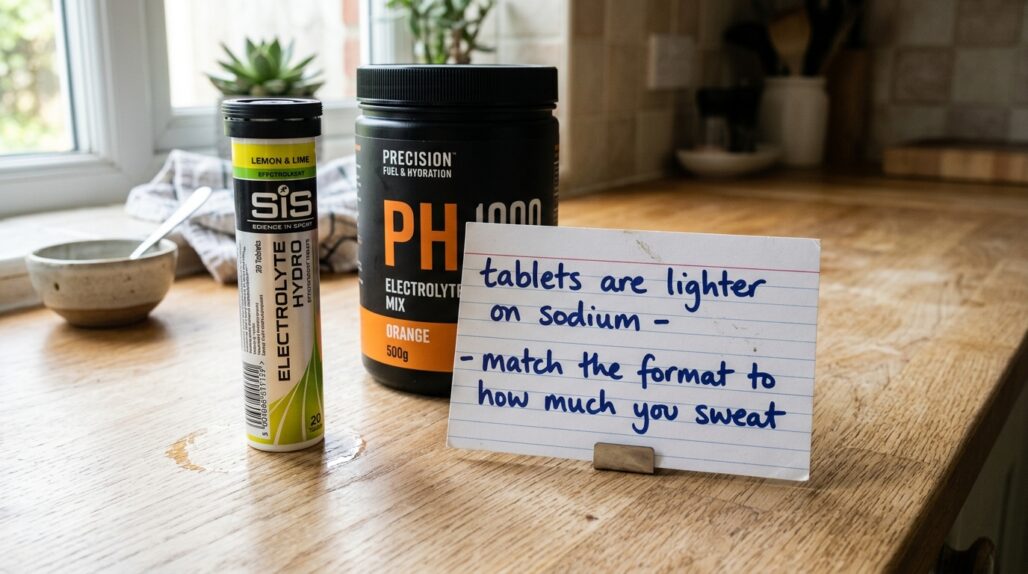
A tablet is not broken because it has less sodium. It is built for a different situation than a high-sodium powder, and the word "underdosed" only makes sense once you name the use case.
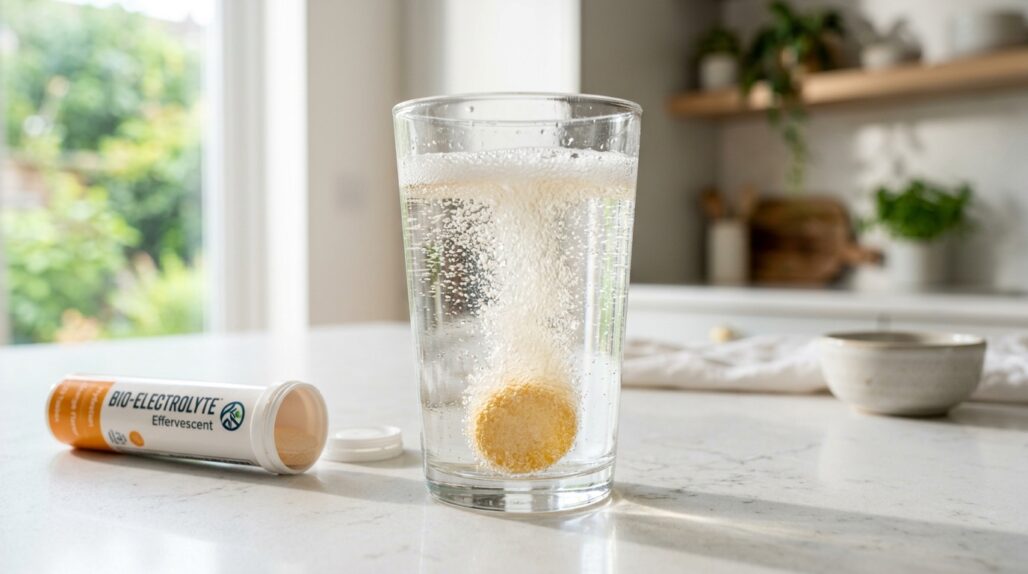
The core number is sodium per serving. A popular effervescent tablet like Nuun Sport carries about 300 mg of sodium per tablet, confirmed both on the label and in a published study on its effect on fluid balance. A powder aimed at athletes can carry three times that in a single scoop.
For a walk, a desk day, or a mild gym session, 300 mg is plenty. The tablet only looks underdosed when you put it next to a two-hour run in the heat, where your sweat losses run far past what one tablet replaces.
So the honest framing is not tablet versus powder. It is how much sodium your body is losing, then picking the format that matches that.
How much sodium you actually lose in sweat
Sweat is salty, and the amount of salt varies more than most people expect. Normative data published in the Journal of Sports Sciences shows wide spread between people and sports.
The average athlete loses roughly 950 mg of sodium per liter of sweat, but the real-world range stretches from under 200 mg/L to over 2,000 mg/L. Two runners side by side in the same race can have a fourfold difference in salt loss.
Total losses scale with sweat rate and intensity. A review from the Gatorade Sports Science Institute notes a hard session can shed several grams of sodium, and a marathon commonly costs around 1.6 g of sodium.
That is the gap a single 300 mg tablet cannot close on a long, hot day. It is also why a powder built for athletes leans high on sodium on purpose.
What the guidelines suggest for hard exercise
The American College of Sports Medicine has long suggested 500 to 700 mg of sodium per liter of water during endurance activity lasting more than an hour. That target sits above one tablet and squarely inside the powder range.
For short or easy efforts, you do not need to hit that. Everyday hydration is closer to "a pinch helps fluid stick around" than "replace a measured loss."
Read the label, not the front of the package
Marketing leans on words like "hydration," "performance," and "electrolytes" without committing to a number. The number is the only thing that matters here.
Find the sodium line on the Supplement Facts panel and read milligrams per serving. The FDA's guidance on reading sodium explains the %DV against a 2,300 mg daily reference, which is a quick gut-check: 300 mg is about 13% of a day's sodium, while a 1,000 mg serving is over 40%.
Two label traps to watch:
- Serving size sleight of hand. Some powders list sodium per scoop but you are meant to use two scoops. Multiply it out.
- "Electrolyte" without sodium. Some lighter mixes lead with potassium and magnesium and carry as little as 55 mg of sodium. That is a daily-wellness product, not a heavy-sweat product.
If the front says "for athletes" but the panel says 150 mg of sodium, the panel wins. Trust the milligrams.
Tablet vs powder, side by side
Here is the practical comparison. The sodium figures are typical label values as of writing; always check the current panel because brands reformulate.
| Factor | Effervescent tablets | Electrolyte powder |
|---|---|---|
| Typical sodium per serving | ~200-300 mg | ~500-1,000 mg (some as low as 55 mg) |
| Best for | Light hydration, daily use, travel | Heavy sweat, heat, endurance, keto |
| Dosing control | Fixed per tablet, hard to adjust | Scoop more or less to fit the day |
| Mess and portability | No scoop, no spill, drop and go | Needs a scoop or pre-portioned stick |
| Cost per gram of sodium | Higher | Lower, especially from a tub |
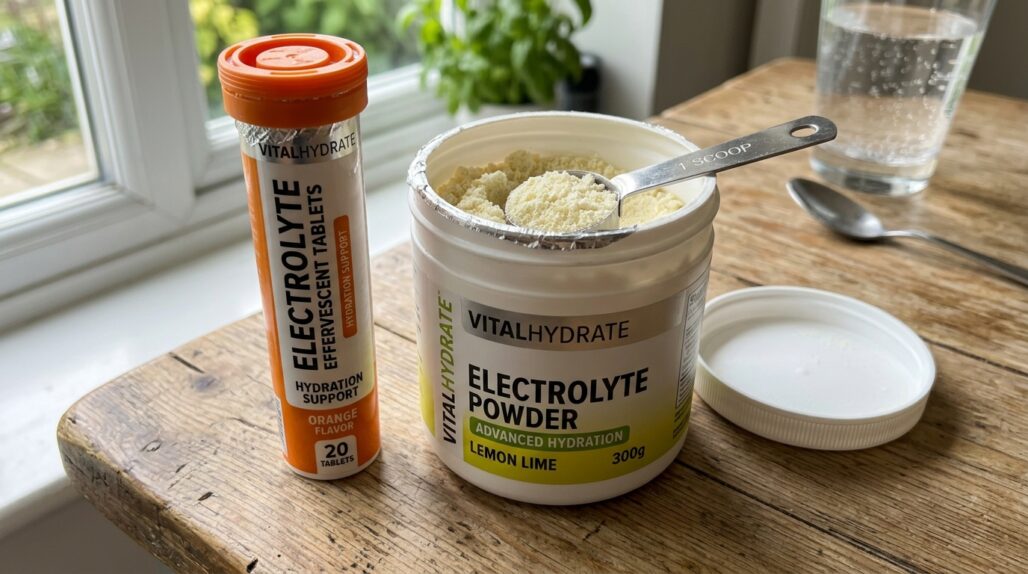
Tablets win on convenience and zero mess. Powders win on higher, adjustable dosing and cost per gram. That tradeoff is the whole decision.
Match the format to your day, not the hype
The cleanest way to choose is to picture your typical week and your sweatiest session, then pick for the harder end.
Light hydration and daily sipping. Office days, short workouts, a glass with dinner, mild heat. A 200 to 300 mg tablet is genuinely the right tool. More sodium here just adds salt you do not need.
Heavy sweat, heat, or endurance. Long runs and rides, hot or humid conditions, two-a-day training, or anyone who finishes a workout with white salt streaks on their skin. This is where a 500 to 1,000 mg powder earns its place, and where one tablet falls short.
Low-carb or keto. Cutting carbs lowers insulin, and lower insulin nudges the kidneys to dump more sodium. Keto dieters often feel better on a higher-sodium formula even without hard exercise. Our complete guide to electrolytes walks through why that happens.
Mixed weeks. Most people are not one type. A reasonable setup is a tub of higher-sodium powder for hard or hot days and a tube of tablets in the bag for everything else.
For a deeper format-by-format breakdown of brands and verdicts, our roundup of the best electrolyte powders compares sodium loads head to head, and our electrolytes for athletes guide focuses on the high-output crowd.
Where the popular brands land
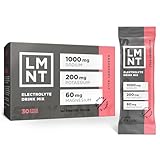
Two brands people compare constantly sit at opposite ends of the sodium scale. A high-output powder can carry 1,000 mg of sodium per stick, while a lighter daily mix may sit near 55 mg. Same category, very different jobs.
That spread is exactly why "which is better" has no single answer. Our side-by-side on Nuun versus Ultima shows how two well-known products are built for different drinkers, not as winner and loser.
Which product or form to buy
Pick by your hardest, sweatiest day, then size down only if light hydration is truly all you do.
- Heavy sweat, heat, endurance, or keto: a higher-sodium powder, around 500 to 1,000 mg of sodium per serving, scooped to fit the session.
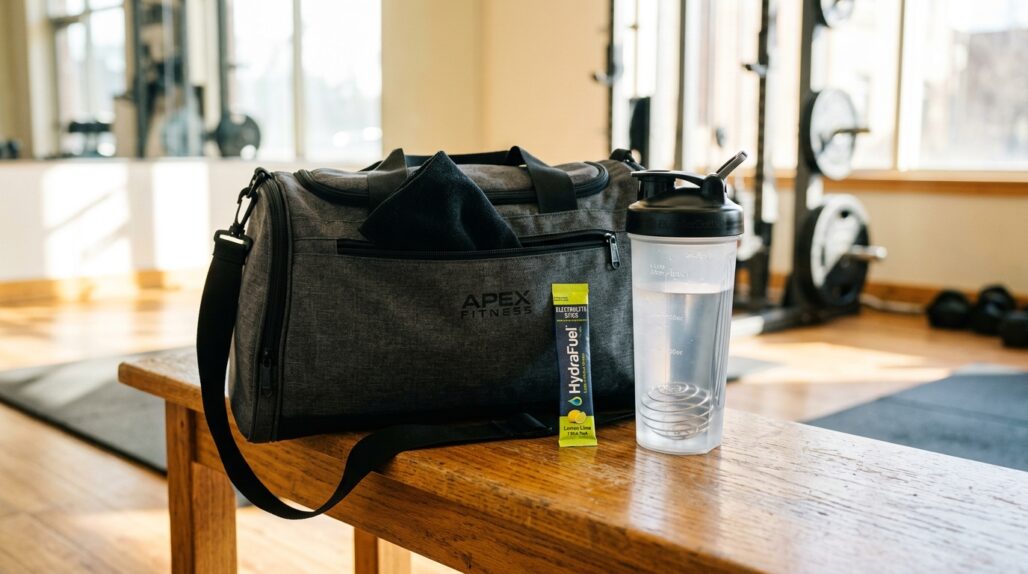
- Portability and no mess: effervescent tablets, ideal for a gym bag, a desk drawer, or travel where a scoop is a hassle.
- Best cost per serving: a value powder tub, the cheapest way to hit a real sodium dose if you drink electrolytes most days.
We may earn a commission from links below, at no extra cost to you. We only suggest formats that match the use cases above; pick by your sodium need and your budget, and check the current label.


As an Amazon Associate, UsefulVitamins.com earns from qualifying purchases at no extra cost to you.
Whatever you choose, the sodium number on the panel matters more than the format. A well-dosed tablet beats an under-dosed powder, and the reverse is just as true.
What to watch for
More sodium is not automatically better. The goal is to match losses, not to chase the highest number on the shelf.
Drinking far more water than you sweat out, especially with little sodium, can dilute your blood sodium. Severe cases are called exercise-associated hyponatremia, defined as serum sodium under 135 mmol/L, and a clinical review on NCBI ties it mainly to overdrinking rather than sweat loss alone. MedlinePlus describes the same link between too much fluid and low blood sodium.
The practical read: do not force liters of plain water on a long event, and do add some sodium when you are genuinely sweating hard for over an hour. Thirst is a reasonable guide for most people on most days.
On the other side, daily sodium adds up. The FDA notes Americans average around 3,400 mg a day against a 2,300 mg limit, so a 1,000 mg serving is a meaningful chunk if you are not sweating it out.
Who should take a different path
This is where a number on a label turns into a personal decision, so it is worth slowing down.
If you have high blood pressure, kidney disease, heart failure, or any sodium-restricted diet, a high-sodium powder is not a casual choice. The American Heart Association points to a lower 1,500 mg target for many of these groups, and a single 1,000 mg serving could use most of that.
Talk to a pharmacist or your doctor before adding a high-sodium electrolyte product in any of those situations. They can weigh it against your medications and your daily diet, which a label cannot.
For most healthy, active people, the choice is lower stakes: pick the format that fits your sweat and your routine, and read the panel.
FAQ
Are electrolyte tablets really underdosed? Not as a rule. A typical tablet carries around 300 mg of sodium, which is right for light hydration and daily use. It only falls short next to heavy sweat sessions that a higher-sodium powder is built for.
How much sodium do I lose when I sweat? It varies a lot. The average is roughly 950 mg per liter of sweat, but people range from under 200 mg to over 2,000 mg per liter, so your own salt loss could be much higher or lower than average.
Is a high-sodium powder safe for everyone? Not for everyone. People with high blood pressure, kidney disease, or a sodium-restricted diet should check with a pharmacist or doctor first, because a 1,000 mg serving can be a large share of a recommended daily limit.
Can I just take more tablets to match a powder? You can, but you also multiply everything else in the tablet and the cost per gram of sodium climbs. If you regularly need a high dose, a powder you can scoop is usually cheaper and simpler.
What number should I look for on the label? Sodium milligrams per serving. Compare it against the 2,300 mg daily reference the FDA uses, and ignore front-of-package words like performance or hydration that do not commit to a number.
Do I need electrolytes for a short, easy workout? Usually not. For efforts under an hour at an easy pace, water is generally fine for most people, and a light tablet is more about taste and habit than replacing a real loss.
The bottom line
Tablets are not underdosed so much as built for lighter days. A ~300 mg tablet handles daily hydration and travel cleanly, while a 500 to 1,000 mg powder is the right tool for heavy sweat, heat, keto, and endurance.
The honest call is to read sodium per serving and match it to your sweat, not to assume one format wins. Use a powder for your hard days, keep tablets for convenience, and let the label decide.
Your next step: check the panel on whatever is in your cabinet right now, compare it to how much you actually sweat, and route any high-sodium decision past a pharmacist or doctor if you have a blood-pressure or kidney concern.
This article is general education, not medical advice. It is not a substitute for guidance from your own pharmacist or doctor, who can account for your health history and medications.
Reviewed by the UsefulVitamins Editorial Team.
