
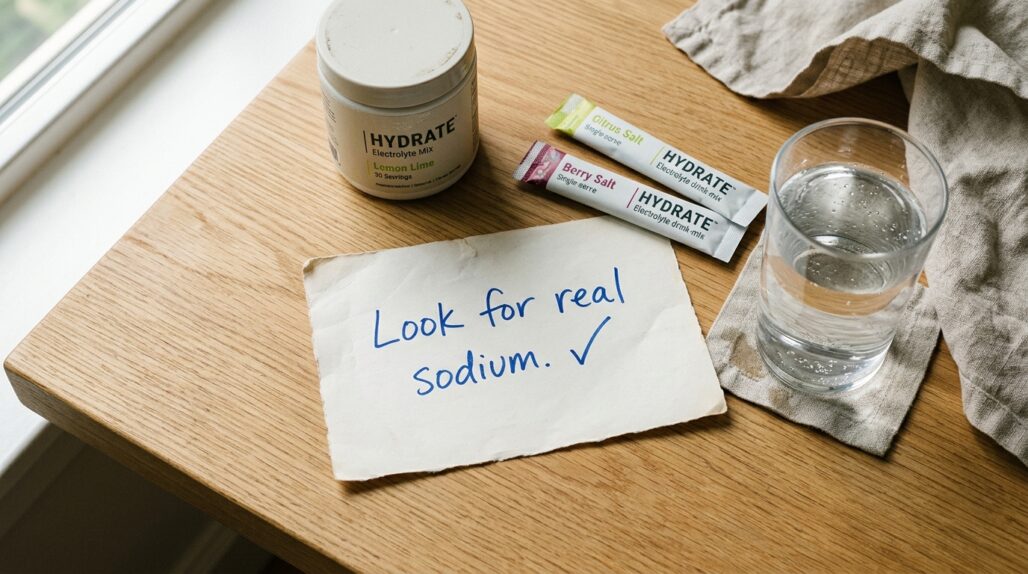
Most "hydration" powders are sugar with a wellness label. The flavor marketing tells you about tropical punch and the influencer tells you about glowing skin, but the one number that decides whether a powder does anything is the milligrams of sodium per serving — and a lot of pretty sachets quietly skip it.
I review these the way I review any supplement: I read the number that drives the effect and ignore the rest. The picks at the bottom are the tubs I keep in my own family's kitchen for sick days and long summer hikes, so it's worth scrolling down once you know what you're judging.
Affiliate disclosure: this article contains affiliate links. As an Amazon Associate, UsefulVitamins.com earns from qualifying purchases at no extra cost to you.
Before you decide
A higher-sodium powder is not for everyone, and some people should clear it with a doctor first. If you have high blood pressure, heart failure, kidney disease, or take medication that affects sodium or potassium (like certain diuretics or ACE inhibitors), the extra sodium and potassium in these powders can genuinely matter.
In those cases, talk to your physician before adding a high-sodium product, because the dose that helps a marathoner can be the wrong move for someone managing fluid balance medically.
For everyone else, the honest first question is whether you need a powder at all. Plain water and a normal diet cover hydration for most ordinary days, and the sodium adequate intake for adults is only 1,500 mg per day, which most people clear easily from food.
The case for a powder is narrower and specific: heavy sweating, a long hot workout, a stomach bug with fluid losses, or a low-sodium pattern like keto. If none of those apply, you can see how I weigh evidence on the how we review supplements page before spending on one.
What makes a good electrolyte powder
A good electrolyte powder is sodium-led and sugar-free. Everything else on the label — the potassium, the magnesium, the trace minerals, the flavor — is supporting cast. Sodium is the lead because it's the electrolyte your body loses most in sweat and the one that most strongly pulls fluid back into circulation.
That's why I judge these products on milligrams of sodium per serving first and treat the rest as secondary. A powder with 500 mg of sodium and nothing fancy beats a powder with eight trace minerals and 60 mg of sodium for the job people actually buy them for.
The sugar question follows directly. Classic sports drinks add sugar because carbohydrate helps fuel and, at the right concentration, aids fluid absorption during hard exercise. For daily hydration or sick-day fluids, that sugar is just calories you don't need — and the worst offenders use maltodextrin as cheap bulk filler with no electrolyte value at all.
There's also a mechanical reason to be wary of a sugar-heavy mix. Too much carbohydrate makes a drink hypertonic, which slows how fast your stomach empties it. In a 2014 trial in the International Journal of Sport Nutrition and Exercise Metabolism, a 10% carbohydrate drink left about 42% of the fluid sitting in the stomach two hours after exercise, while a dilute 2% drink had almost fully emptied — so the rich version delivered water more slowly, not faster.
Maltodextrin is the ingredient that quietly drives this. It is a string of glucose units that adds calories and osmotic load without adding a single milligram of electrolyte, and it shows up high on a lot of "hydration" labels precisely because it is cheap to bulk a sachet with. If maltodextrin or dextrose sits above your minerals in the ingredient list, you are buying mostly carbohydrate.
So the shape of a good product is simple: a meaningful sodium dose, modest potassium and magnesium, and no added sugar. If a label leads with flavor and buries a two-digit sodium number, it's a beverage, not a rehydration tool.
What the research shows
The evidence is clearer than the marketing. In a 2023 rehydration trial in Nutrients, athletes who replaced fluid losses retained far more of it with sodium-containing drinks than with plain water: a post-exercise rehydration study found water retained about 58% of the fluid at 3.5 hours, while a sodium-containing solution retained about 77%.
The driver there was sodium, not flavor or trace minerals. The higher-sodium solution suppressed urine output in the first hour, which is exactly the mechanism that separates "rehydrating" from "drinking and then peeing it out."
It's also why sodium matters more than the carbohydrate. A 2021 Beverage Hydration Index analysis, again in Nutrients, concluded that sodium made the single largest independent contribution to a drink's hydration potential versus water, even though the effect was strongest when sodium was paired with another component.
The losses you're replacing are real and sodium-heavy. A 2017 review in Sports Medicine put whole-body sweat sodium at roughly 10 to 70 mmol per liter — meaning a hard, sweaty hour can cost well over 1,000 mg of sodium, far more than the dribble most "hydration" powders contain.
For context on how much that is, the National Academies set the sodium adequate intake at 1,500 mg per day for adults, and explicitly note that this baseline does not cover competitive athletes or people working in the heat because of increased sodium loss through sweat. That's the gap a real electrolyte powder fills — and the gap a 60 mg flavor sachet does not.
What to look for when buying
Read the label in this order, because the order is the priority.
| Label feature | What to look for | Why it matters |
|---|---|---|
| Sodium per serving | ~300 to 1,000 mg | The electrolyte that drives fluid retention; under ~200 mg is flavoring |
| Added sugar | Zero for daily use | Carbs help only in hard endurance exercise, otherwise empty calories |
| Maltodextrin / dextrose | Avoid as a top filler | Cheap bulk carb with no electrolyte value |
| Potassium | ~100 to 400 mg | Useful secondary electrolyte; AI is 2,600 to 3,400 mg/day from all sources |
| Magnesium | A modest amount, glycinate or citrate | Minor for hydration; oxide is poorly absorbed |
| Cost per serving | Compare per serving, not per tub | Stick packs often cost 3 to 4x a bulk tub for the same sodium |
The reason sodium leads and the rest follow is written into your sweat. You lose far less potassium than sodium when you sweat: that same 2017 Sports Medicine review puts sweat potassium at only about 2 to 8 mmol per liter, roughly a fifth to a tenth of the sodium concentration. So a powder that matches its sodium with an equal-sized potassium dose is mineral-balanced on paper but mismatched to what your body actually drains.
A note on the supporting minerals: potassium and magnesium belong on the list, but they're not the headline. The NIH Office of Dietary Supplements puts the potassium adequate intake at 2,600 to 3,400 mg a day from all sources, so the few hundred milligrams in a powder is a top-up, not the main event.
In practice, a sensible ratio is something like 2:1 to 4:1 sodium-to-potassium, mirroring the gap in your sweat rather than the symmetry of a marketing chart. A common pattern in a well-built powder is roughly 500 mg sodium against 100 to 200 mg potassium, which tops up the smaller loss without crowding out the mineral that matters.
Magnesium is similar — useful, but minor for hydration, and the form matters more than the marketing, with glycinate and citrate absorbing better than the cheap oxide that pads many labels. You barely lose any magnesium in sweat, so treat it as a small wellness add-on, not a rehydration ingredient, and don't let a long mineral list distract you from a small sodium number.
It helps to know how the product types stack up on the number that matters. Premium endurance sachets tend to lead with sodium, often landing in the 500 to 1,000 mg range per serving, which is why athletes reach for them. Mainstream "wellness" tubs and effervescent tablets sit lower, frequently 100 to 350 mg, and the prettiest flavor-forward sachets are often the underdosed ones at 60 to 150 mg. Oral rehydration solutions, built for illness, are a separate category tuned to a specific sodium-and-glucose balance rather than to taste.
On cost, judge the price per serving, not the sticker on the tub. Single-serve stick packs are convenient but often cost three to four times a bulk canister for the same sodium dose, which adds up fast for a daily user.
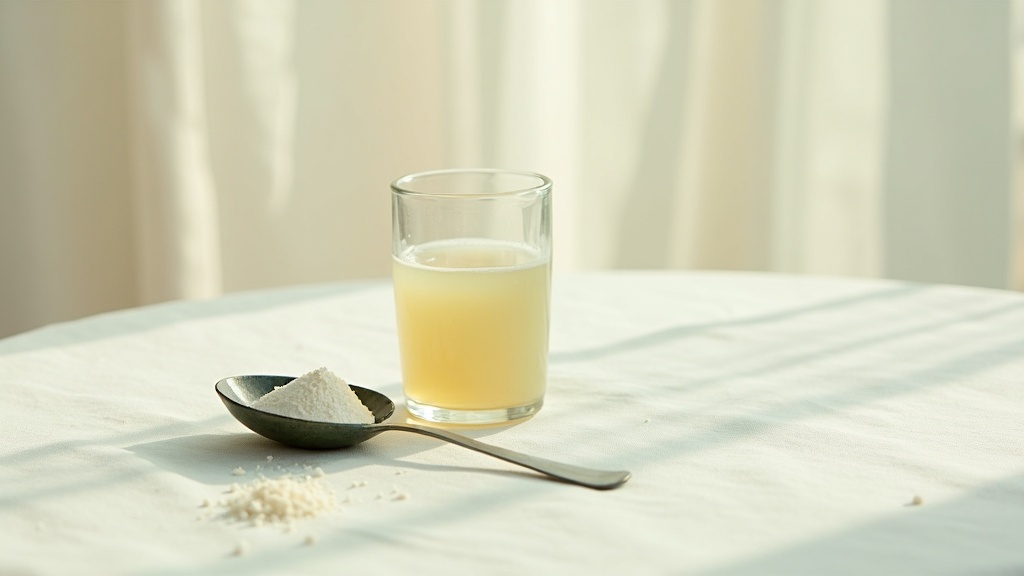
And it is worth saying plainly: for plain rehydration, the active ingredients cost almost nothing. A quarter-teaspoon of table salt is roughly 575 mg of sodium for a fraction of a cent, and a small squeeze of citrus plus a pinch of salt in water reproduces most of what a basic electrolyte sachet does. The premium you pay a brand is for flavor, convenience, dosing consistency, and added potassium and magnesium — real conveniences, but not magic. If you only need sodium and water on a sick day or a hot afternoon, a DIY salt-and-water mix is a legitimate, near-free option, and the commercial powders earn their price mainly on taste and grab-and-go ease.
Recommended Products
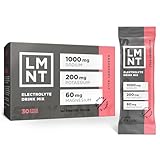


As an Amazon Associate, UsefulVitamins.com earns from qualifying purchases at no extra cost to you. We only recommend products supported by published research or third-party testing.
FAQ
Do I actually need an electrolyte powder, or is water fine?
For most ordinary days, water and food are fine. A powder earns its place when you're sweating heavily, exercising long in the heat, recovering from a stomach bug, or eating very low-carb. The trial evidence shows sodium drinks beat water for replacing losses, not for everyday sipping.
How much sodium should be in a good electrolyte powder?
Roughly 300 to 1,000 mg per serving, scaled to your losses. A hard sweaty hour can cost over 1,000 mg of sodium, so a powder with only 60 to 150 mg is flavoring, not rehydration. Higher-end doses suit heavy sweaters and endurance athletes.
Is sugar-free actually better, or do I need the carbs?
For daily hydration and sick-day fluids, sugar-free is better — the carbs are just calories. Carbohydrate mainly earns its place during prolonged, intense endurance exercise where you also need fuel. For everything else, skip the added sugar and especially maltodextrin filler.
What about potassium and magnesium ratios?
They're useful but secondary. Sodium is the lead electrolyte; potassium and magnesium are top-ups against daily intakes measured in thousands of milligrams. A sensible powder has a few hundred milligrams of potassium and a modest, well-absorbed magnesium, not a giant trace-mineral list masking a small sodium number.
Can a high-sodium powder be a problem for me?
It can if you have high blood pressure, heart, or kidney issues, or take medications affecting sodium and potassium. Most healthy people handle the extra sodium fine, especially when replacing sweat losses, but if any of that applies to you, ask your doctor first and consider asking for a basic metabolic panel before assuming you're low.
Can I just make my own with salt and water?
Yes, for simple rehydration you can. A pinch of salt — about a quarter-teaspoon gives roughly 575 mg of sodium — in a large glass of water, with a squeeze of citrus for taste, covers the sodium-and-fluid job for pennies. You give up flavor, convenient dosing, and the small potassium and magnesium top-up, so the commercial powders mostly buy you taste and grab-and-go ease rather than a better mechanism.
Why is maltodextrin on so many hydration labels?
Because it is a cheap glucose-based bulk filler, not because it hydrates you. Maltodextrin adds calories and osmotic load without any electrolyte value, and too much carbohydrate can actually slow how fast your stomach empties the fluid. If it sits above the minerals in the ingredient list, you are buying a carbohydrate drink wearing a hydration label.
The bottom line on electrolyte powders
Strip away the flavor names and influencer promises, and an electrolyte powder is doing one measurable job: replacing the sodium and fluid you've lost. The product worth buying is the one with real sodium per serving and no added sugar — and that single rule sorts the genuine rehydration tools from the underdosed sugar drinks.
So read the label in order: sodium first, sugar second, fillers third, everything else last. Aim for a few hundred milligrams of sodium when you're sweating or sick, skip the products that lead with maltodextrin, and don't pay stick-pack prices for the same dose you can get from a bulk tub.
If you're using one routinely, match it to a real reason — heavy training, heat, illness, or a low-sodium diet. For the full mechanism and a deeper goal-by-goal walkthrough, see the complete guide to electrolytes, and if you're low-carb, the rules shift slightly toward more sodium, which I cover in best electrolytes for keto.
Reviewed by Sarah Thompson, Registered Dietitian, focused on vitamin and mineral nutrition. See more from Sarah Thompson. This article is educational and is not a substitute for individualized medical advice; talk to your doctor before starting a supplement, especially if you have high blood pressure, heart, or kidney disease, or take medication affecting your electrolytes.
