Many people take vitamins “just in case,” but a supplement needs assessment is a smarter way to decide what – if anything – your body actually needs. It’s a structured check of your diet, health history, medications, lifestyle, symptoms, and (when appropriate) lab work, so your supplement plan matches real gaps instead of marketing promises. This article breaks down the exact steps, which tests are worth considering, and how to avoid common mistakes like unnecessary high doses or unreliable at-home panels.
Affiliate disclosure: this article contains affiliate links. As an Amazon Associate, UsefulVitamins.com earns from qualifying purchases at no extra cost to you.
Summary / Quick Answer: How to do a supplement needs assessment
A supplement needs assessment answers one question: Which supplements (and doses) make sense for you based on evidence, not guesswork?
Use this quick framework:
- Step 1: Risk screen – diet pattern (vegan/restrictive), pregnancy, heavy periods, low sun exposure, age 60+, GI conditions, key medications
- Step 2: Food-first check – identify the top 2-3 nutrient “thin spots” in your usual diet
- Step 3: Targeted testing (only when indicated) – vitamin D, B12, iron studies, and a few others based on risk and symptoms
- Step 4: Choose the simplest plan – correct the deficiency, then reassess; avoid stacking overlapping products
- Step 5: Safety review – check upper limits and drug interactions before you start
If you want a fast first pass, start with the on-site Vitamin Deficiency Quiz and then use the sections below to decide whether diet changes, testing, or targeted supplements are the next best step.
What a supplement needs assessment is (and what it isn’t)
If supplements were always harmless, “just take a multivitamin” might be fine advice. But real life is messier: nutrient gaps are common, yet so is unnecessary supplementation. NHANES analyses have found that many U.S. adults fall below the Estimated Average Requirement (EAR) for nutrients like vitamin D, vitamin E, magnesium, calcium, and vitamins A and C without supplements. At the same time, supplement use can push some people above safe upper limits – especially with nutrients like preformed vitamin A, iron, and folic acid.
That’s why a supplement needs assessment works best as a decision process, not a shopping list.
The goal: targeted support, not “more pills”
A good assessment aims to:
- Confirm whether a nutrient gap is likely
- Identify the cause (diet, absorption issue, medication effect, blood loss, life stage)
- Use testing selectively when results will change what you do
- Choose the smallest effective dose and reassess
Think of it like checking your finances before signing up for monthly subscriptions. You want to see what’s actually missing and what’s already covered.
What it is not
Here’s what a supplement needs assessment should not look like:
- A broad “micronutrient mega-panel” with no clinical reason
- Hair mineral analysis marketed as a deficiency diagnosis
- A genetics-only plan that claims it can “tell you exactly what to take”
- A routine high-dose protocol for everyone
The evidence base supports needs-based supplementation far more consistently than blanket use. The U.S. Preventive Services Task Force (USPSTF) has concluded that evidence is insufficient to recommend most vitamin/mineral supplements for primary prevention of cardiovascular disease or cancer in generally healthy adults, and it recommends against beta-carotene and vitamin E for that purpose due to lack of benefit and potential harms. You can read the broader context in the USPSTF recommendations summarized by major medical organizations and journals, including trial findings like beta-carotene increasing lung cancer risk in smokers.
Visual: “Assessment vs. guessing” snapshot
| Approach |
What drives decisions |
Typical outcome |
| Random supplement stacking |
Trends, ads, vague symptoms |
Higher cost, overlap, possible excess |
| One-size multivitamin |
Convenience |
May help fill small gaps, but not targeted |
| Supplement needs assessment |
Diet + risk + selective labs |
Focused plan, fewer products, safer dosing |
If you’re currently taking a multi and want to compare options, the Best Multivitamins Comparison can help you spot overlap (like vitamin A or iron) before you add anything else.
Step 1: Screen your personal risk factors (the fastest way to narrow the list)
🧠 BEST FOR ENERGY
If you need a whole-food B-complex with probiotics

Garden of Life
Garden of Life Vitamin B Complex is a whole-food B-complex with all eight B vitamins (including methylcobalamin B12), 23 powdered fruits and vegetables, plus probiotics and enzymes in 60 vegan capsules. Users consistently report noticeable energy boosts and good tolerability, though it costs more than synthetic alternatives and some see no effect.
Pros: All eight B vitamins at over 100% Daily Value plus methylcobalamin B12, probiotics, and enzymes in a raw, whole-food base · Vegan, Non-GMO Project Verified, and NSF Certified Gluten-Free with minimal side effects reported · Many users report sustained energy improvement and better metabolism support
Cons: Higher price point than basic synthetic B-complex tablets · Some users report no noticeable benefit despite consistent use
Check Price on Amazon →
Garden of Life Vitamin Code Raw B12, 60 Capsules
Garden of Life · ⭐ 4.7 (12,000+ reviews) · $17–20
Garden of Life Vitamin Code Raw B12 (60 capsules) is a well‑reviewed methylcobalamin B12 supplement in a raw, whole‑food blend, with around 12,000+ Amazon reviews averaging about 4.7/5 stars and many users reporting better energy, reduced fatigue, and good tolerability. It is vegan, Non‑GMO, and NSF Certified Gluten‑Free, making it attractive for health‑conscious users with dietary restrictions, though it costs more than basic B12 tablets and some people report no clear benefits. Overall, it is a strong choice if you specifically want a branded, whole‑food methylcobalamin formula and are comfortable paying a moderate premium compared with generic B12.
Pros: Noticeable increase in energy and reduced fatigue for many users · Methylcobalamin form of B12 in a whole‑food, raw blend that is vegan and free of common allergens (gluten, dairy, soy) · Easy-to-swallow capsules with generally good tolerance and minimal side effects reported
Cons: Some users report no noticeable effect even after regular use · Price is higher than basic synthetic B12 tablets, and a few reviewers dislike the vegetable/herbal taste or smell
Check Price on Amazon →
Most people don’t need 20 supplements. They need clarity on whether they fall into a higher-risk bucket for a short list of nutrients. This step is often more useful than immediately ordering a test.
Start with a simple question: What makes you more likely to have a real deficiency or higher needs? The biggest drivers are diet pattern, life stage, sun exposure, blood loss, gut health, and medications.
High-yield risk factors that often justify closer review
You’re more likely to benefit from targeted supplements and/or testing if you check any of these boxes:
- Diet pattern
- Vegan (B12 is the big one)
- Very low calorie intake, limited variety, or low protein
- Little to no dairy or fortified alternatives (calcium, vitamin D)
- Rarely eat seafood (iodine, vitamin D, omega-3s)
- Life stage
- Trying to conceive or pregnant (folic acid is standard; iron and iodine often matter)
- Breastfeeding (nutrient demands rise)
- Age 50-60+ (B12 absorption often declines; vitamin D risk increases)
- Sun and geography
- Minimal sun exposure, consistent sunscreen/clothing coverage, darker skin at higher latitudes (vitamin D risk)
- Blood loss
- Heavy menstrual bleeding, frequent blood donation (iron risk)
- Medical conditions
- Celiac disease, inflammatory bowel disease, bariatric surgery (multiple nutrients)
- Chronic kidney or liver disease (vitamin D metabolism and more)
- Medication flags
- Metformin (B12)
- Long-term proton pump inhibitors (B12, magnesium)
- Certain diuretics or anticonvulsants (varies by drug)
Research also suggests deficiency is not rare in the general population. For example, vitamin D deficiency (often defined as serum 25(OH)D below 20 ng/mL) has been estimated around 30% in U.S. adults in NHANES analyses, with a larger portion sometimes classified as “insufficient” depending on cutoffs.
Visual: quick “risk-to-nutrient” map
| If this is true… |
Nutrients to consider first |
| Vegan or near-vegan |
B12 (often essential), vitamin D, iodine, iron, zinc |
| Heavy periods |
Iron (ferritin + CBC), possibly B12/folate if anemia pattern suggests |
| Low sun exposure |
Vitamin D (consider testing if risk is high) |
| Age 60+ |
B12, vitamin D, calcium/protein (diet first) |
| GI surgery or malabsorption |
B12, iron, vitamin D, calcium, others guided by clinician |
Actionable takeaway: Pick two risk factors that fit you best, then focus on the nutrients most linked to those risks. This prevents the common “everything might be low” spiral.
<
>
Step 2: Do a food-first gap check (because diet explains more than you think)
🦴 BEST FOR BONES
For reliable vitamin D from a pharmacist-recommended brand
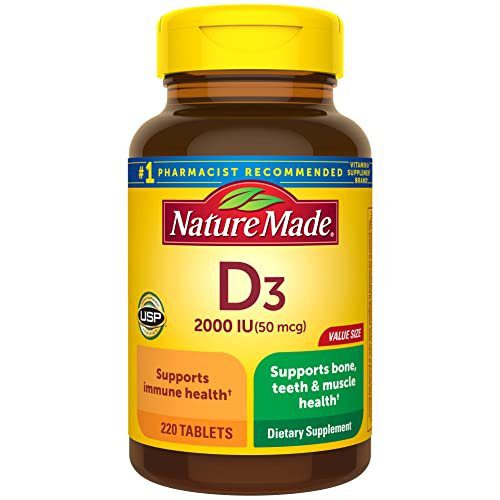
Nature Made
Nature Made Vitamin D3 2000 IU (50 mcg, 220 tablets) is a basic, mainstream vitamin D supplement for bone, teeth, muscle, and immune health support, with a 220-day supply from one tablet daily. It’s from a pharmacist-recommended brand that’s gluten-free with no artificial flavors or colors added. Users often note it helps maintain vitamin D levels, especially for those low on sun exposure, though the dose may exceed needs for some without lab guidance.
Pros: Supports bone, teeth, muscle, and immune health with 2000 IU D3 daily · Excellent value from 220 tablets for 220 days and trusted brand · Small tablets, gluten-free, no artificial flavors or colors
Cons: 2000 IU dose can be high for some users daily · Occasional reports of broken or stuck-together tablets
Check Price on Amazon →
💪 BEST FOR FATIGUE
When low iron causes tiredness in vegans or menstruating
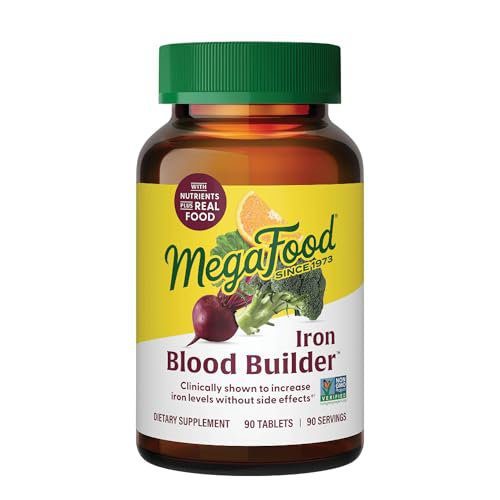
MegaFood
This MegaFood Blood Builder iron supplement provides 26 mg of iron per tablet from fermented iron bisglycinate, along with vitamin C, folic acid, and B12 to support absorption and red blood cell production. It’s formulated for women and men at risk of low iron, such as vegans, menstruating women, and athletes, in a vegan 90-tablet bottle. Clinical trial data shows it raises iron levels and fights fatigue without common gut side effects like nausea or constipation.
Pros: Gentle 26 mg iron dose with vitamin C for absorption · Includes beets, organic oranges, B12, and folic acid from real food · Safe on empty stomach, no GI side effects in trial
Cons: One tablet daily may not suit severe deficiencies · Consult doctor before use
Check Price on Amazon →
🎯 BEST OVERALL MULTI
For comprehensive bioavailable nutrients in just two capsules
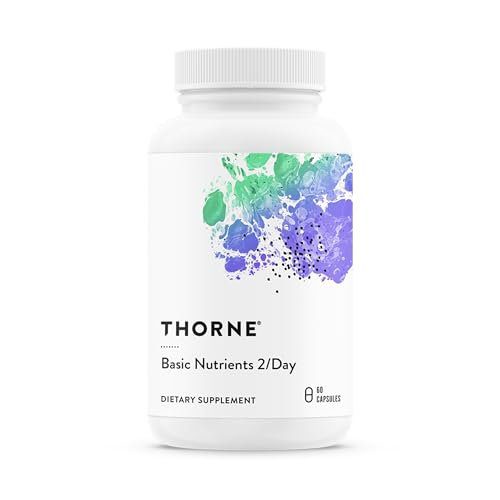
THORNE
Thorne Basic Nutrients 2/Day delivers a comprehensive multi-vitamin/mineral formula in two capsules daily, using highly bioavailable forms like methylated B vitamins, chelated minerals, vitamins K1 and K2, and zinc bisglycinate. It’s third-party certified, gluten/dairy/soy-free, and 60 capsules provide 30 servings with no unnecessary fillers. Users report steady energy, clear-headedness, and easy tolerance without nausea, though it may not supply higher doses of magnesium, calcium, or iron.
Pros: Well-tolerated with minimal stomach upset or nausea · Bioavailable forms including methylated B vitamins and chelated minerals · Convenient 2-capsule daily dose covering core nutrients
Cons: Higher cost than basic drugstore multis · Modest amounts of some minerals like magnesium or calcium
Check Price on Amazon →
Nature Made Vitamin D3 2000 IU, 220 Tablets
Nature Made · ⭐ 4.8 (25,000+ reviews) · $14–$18
Nature Made Vitamin D3 2000 IU (220 tablets) is a widely used, budget‑friendly way to boost vitamin D levels, with very strong Amazon ratings and many reports of improved blood tests and energy. Reviewers highlight the small, easy‑to‑swallow tablets and strong value per dose, and Reddit discussions generally regard Nature Made D3 as a trustworthy, basic choice from a mainstream brand. Downsides include occasional packaging or tablet‑quality complaints and the fact that 2000 IU can be more than some people want daily, but overall it’s a solid, evidence‑backed pick for a simple vitamin D supplement when lab‑guided dosing is followed.
Pros: Effective at raising and maintaining vitamin D levels, with many users reporting improved lab results and energy · Good value for money due to high tablet count and reputable mainstream brand · Small, easy‑to‑swallow tablets with no strong taste or odor and generally well‑tolerated
Cons: Some complaints about bottles arriving partially filled or with tablets broken or stuck together · Too high a dose for some users to take daily, requiring them to split or adjust their schedule
Check Price on Amazon →
MegaFood Blood Builder, 90 Tablets
MegaFood · $25-30
This iron supplement is relevant for individuals who may have low iron levels, which is a common concern mentioned in the article.
Check Price on Amazon →
Thorne Research Basic Nutrients 2/Day, 60 Capsules
Thorne Research · ⭐ 4.7 (4000+ reviews) · $23–$28
Thorne Basic Nutrients 2/Day is a premium, NSF Certified for Sport multivitamin designed to cover core micronutrient needs in just two well-tolerated capsules, using highly bioavailable forms like methylated B vitamins and chelated minerals.[1] Amazon reviewers and Reddit users typically praise its clean, evidence-based formula and lack of stomach upset, though it costs more than mainstream multis and may require separate magnesium, calcium, or iron if those are priorities. Overall it is a strong choice for readers seeking a high-quality, minimalist daily multivitamin from a reputable brand, provided the higher price fits their budget.
Pros: Very well-tolerated formula with fewer reports of nausea or stomach upset compared to many multivitamins · Evidence-based ingredient profile with good bioavailability (methylated B vitamins, chelated minerals, no unnecessary fillers) · Convenient 2-capsules-per-day dosing that covers most essential vitamins and minerals without very high megadoses
Cons: Noticeably more expensive than standard drugstore multivitamins for a 30-day supply · Some users want higher amounts of certain nutrients (e.g., magnesium, calcium, or iron), which are intentionally kept modest or excluded
Check Price on Amazon →
Before you spend money on a panel or a subscription pack, check whether your everyday diet is covering the basics. This is where many supplement plans go wrong: people add pills for nutrients they already get, while missing the ones their diet truly lacks.
A food-first check does not mean “never supplement.” It means using food patterns to decide what’s plausible.
A practical way to assess your diet in 10 minutes
You don’t need perfect tracking. You need a realistic snapshot of your usual week.
Ask:
Do I eat at least 2 servings of fruit and 3 servings of vegetables most days?
If not, gaps in vitamin C, folate, potassium, and magnesium become more likely.
Do I get regular calcium sources?
Think dairy, calcium-set tofu, fortified plant milks, sardines with bones. If not, calcium (and often vitamin D) may be thin.
Do I eat protein-rich foods at most meals?
Low protein patterns can travel with low intakes of zinc, iron, B12 (if animal foods are low), and overall micronutrient density.
Do I eat seafood 1-2 times per week or use iodized salt?
If neither, iodine intake may be low in some people.
How often do I rely on ultra-processed convenience foods?
These can be calorie-dense but micronutrient-light, depending on choices.
Visual: “diet pattern” checklist you can screenshot
- Fruits: ☐ 0-1/day ☐ 2+/day
- Vegetables: ☐ 0-2/day ☐ 3+/day
- Calcium-rich foods: ☐ rarely ☐ most days
- Protein at meals: ☐ inconsistent ☐ consistent
- Seafood or iodized salt: ☐ rarely ☐ weekly
- Fortified foods (cereal, plant milks): ☐ rarely ☐ often
Actionable takeaway: If you identify one major weak area, try a 2-3 week food change first. Many mild gaps improve quickly with:
- fortified dairy/alternatives for calcium/vitamin D
- legumes, leafy greens, nuts, seeds for magnesium and folate
- a B12-fortified food or a low-dose B12 supplement for plant-based diets
If you want vitamin D-specific guidance tied to season and lifestyle, use the Vitamin D Dosage Calculator and then confirm with a clinician if you’re considering higher doses.
Step 3: Choose evidence-based testing (and skip the “fishing expedition”)
Testing can be useful, but only when it answers a decision-making question: Will this result change what I do? If the answer is no, testing often creates noise: borderline values, confusing flags, and expensive follow-ups.
Many direct-to-consumer kits also use methods that are not consistently validated for diagnosis. Hair mineral analysis is a common example: it can reflect external contamination and does not reliably represent body stores for many nutrients.
The most common lab tests used clinically (and why)
These are widely used in standard medical settings because they have clearer interpretation and action steps:
Vitamin D: 25-hydroxyvitamin D
Often considered when there’s osteoporosis/low bone density, limited sun exposure, darker skin at northern latitudes, malabsorption, chronic kidney or liver disease, or unexplained muscle weakness/bone pain. For a deeper dive on ranges and dosing logic, see the Vitamin D Comprehensive Guide.
Vitamin B12: serum B12, sometimes with methylmalonic acid (MMA)
Useful for anemia patterns, neuropathy, cognitive changes, vegan diets, older age, metformin use, and long-term acid-suppressing meds. A normal serum B12 does not always rule out functional deficiency, which is why MMA is sometimes used.
Iron status: CBC + ferritin (often plus transferrin saturation)
This is the workhorse for fatigue with risk factors, heavy periods, pica, restless legs, hair shedding, pregnancy, adolescence, or suspected GI blood loss. Ferritin is particularly helpful for iron stores, but it can rise with inflammation, so context matters.
Folate: serum or RBC folate
Often considered when macrocytic anemia is present, with alcoholism, malabsorption, or certain medications that affect folate metabolism.
For a broader look at micronutrient status and supplementation patterns, clinicians often reference resources like the NIH Office of Dietary Supplements fact sheets for evidence summaries, dosing, and safety limits.
Visual: “Test or don’t test?” decision table
| Situation |
Testing usually makes sense |
You might skip testing and act |
| Symptoms + risk factors |
Yes, targeted |
Rarely |
| High-risk life stage (pregnancy planning) |
Sometimes (iron, D) |
Folic acid is typically started regardless |
| Vegan diet |
B12 testing optional |
Many simply supplement B12 reliably |
| Mild fatigue, no risks |
Not first step |
Sleep, diet, stress, thyroid screening if indicated |
| Considering high-dose vitamin D or iron |
Strongly consider |
Not recommended without guidance |
Actionable takeaway: If you’re tempted by a broad panel, write down the top 2 questions you want answered. If the panel doesn’t clearly answer them with actionable next steps, it’s probably not the right test.
Step 4: Build a personalized supplement plan (simple, targeted, and safe)
Once you’ve identified likely gaps and any lab-confirmed deficiencies, the next step is planning. The most effective plans are usually boring: one or two products, a clear dose, a time frame, and a retest or reassessment point.
This is also where many people accidentally overdo it by stacking products with overlapping ingredients. A multivitamin + a “hair, skin, nails” formula + a greens powder + an immune blend can quietly push you over upper limits, especially for preformed vitamin A, zinc, selenium, and folic acid.
Start with the “minimum effective plan”
A practical structure:
Correct the deficiency (if confirmed)
- Use evidence-based dosing with clinician guidance.
- Set a time frame (often 8-12 weeks for many repletion plans, but it varies).
Address the cause
- Low intake? Change the diet pattern.
- Malabsorption? You may need different forms or medical management.
- Blood loss? Treat the source, not just the ferritin.
Move to maintenance
- Lower dose, fewer pills, more food-based coverage.
Common targeted supplements (when they’re most justified)
- Vitamin D may be useful with low sun exposure or lab-confirmed low 25(OH)D. Avoid mega-dosing long-term without monitoring because very high intakes can raise calcium and kidney stone risk in susceptible people.
- Vitamin B12 is often a straightforward add for vegans and many older adults. It’s generally well-tolerated, but dosing and form should match the situation.
- Iron should be treated with more caution than most people realize. Excess iron can be harmful, especially in people with hemochromatosis or unrecognized conditions. Iron is a “test first” nutrient for many adults.
- Folic acid is widely recommended in preconception and early pregnancy (commonly 400-800 mcg/day) to reduce neural tube defect risk. This is one of the clearest, most consistent public health recommendations.
Visual: “stacking” safety check
Before adding a new product, scan labels for these repeat offenders:
- Vitamin A (retinol or “preformed” vitamin A)
- Iron (especially if you’re not deficient)
- Zinc (multiple products can push high quickly)
- Selenium
- Folic acid
- High-dose biotin (can interfere with some lab tests)
Actionable takeaway: Write down your current supplements and totals for vitamin D, vitamin A, iron, zinc, and folic acid. If you’re unsure about interactions, use the Ultimate Drug Supplement Interactions guide as a starting point, then confirm with your pharmacist or clinician.
<
>
Step 5: Know the red flags and common myths (so you don’t waste money or risk harm)
Most supplement mistakes come from two beliefs: “more is better” and “natural means safe.” Neither holds up well when you look at outcomes and toxicity data.
Myth 1: “Everyone should take lots of supplements just to be safe”
Nutrient inadequacy is real, but high-dose blanket supplementation isn’t a safe solution. Fat-soluble vitamins (A, D, E, K) accumulate more easily than water-soluble vitamins, and several minerals have narrow safe ranges.
A clear example from large trials: beta-carotene supplementation increased lung cancer risk in smokers, which is one reason major bodies recommend against it for prevention.
Myth 2: “You can diagnose deficiencies from symptoms alone”
Fatigue, hair loss, brain fog, brittle nails, and low mood can relate to nutrient status, but they’re also linked to sleep debt, thyroid disease, depression, infections, and more. Symptoms can guide what to test, but they rarely confirm the cause.
Myth 3: “At-home vitamin tests are always diagnostic”
Some at-home blood spot tests may be reasonable for specific markers, but many direct-to-consumer options are not held to the same standards as clinical diagnostics. Hair and saliva tests are especially prone to misleading results for many nutrients.
Myth 4: “Personalized supplements based on genetics can tell you exactly what to take”
Precision nutrition is promising, but for most people, the strongest evidence still supports personalization based on diet, clinical risk factors, and validated biomarkers, not single gene variants with small effect sizes.
Visual: warning signs you should slow down and get guidance
Consider professional input before supplementing if:
- You’re pregnant or trying to conceive (dosing matters)
- You have kidney disease, liver disease, or a history of kidney stones
- You take anticoagulants, thyroid medication, seizure meds, or multiple prescriptions
- You’re considering high-dose vitamin D, iron, vitamin A, or iodine
- You have persistent symptoms despite basic diet improvements
Actionable takeaway: If you’re changing more than two supplements at once, it becomes hard to know what helped or harmed. Change one variable, reassess, then proceed.
Want this for your whole cabinet, not just one number? StackMyMed (our companion app) reads your labels, tallies your real totals, and handles dose timing for you.
Conclusion: The simplest supplement plan is usually the best one
A supplement needs assessment is a structured way to move from “Should I take vitamins?” to a plan based on diet patterns, risk factors, and targeted testing when it’s likely to change decisions. It also helps you avoid two common traps: supplement stacking and chasing vague symptoms with random pills.
Next steps:
When in doubt, keep it simple, test strategically, and treat supplements like tools – not insurance.
As an Amazon Associate, I earn from qualifying purchases. Product recommendations are based on real reviews and independent research.
As an Amazon Associate, I earn from qualifying purchases. Product recommendations are based on real reviews and independent research.
-
Emily Collins, as a nutrition researcher, is responsible for providing in-depth insights and analysis on supplements and superfoods. Her articles on UsefulVitamins.com delve into the benefits, potential drawbacks, and evidence-based recommendations for various supplements and superfoods. Emily's expertise in nutrition research ensures that readers receive accurate and reliable information to make informed choices about incorporating these products into their health routines.
View all posts
Nutrition Researcher

