
Many people take a prescription, add an over-the-counter remedy, then toss in a “natural” supplement – and assume they’ll all play nicely together. The reality is that drug supplement interactions can change how a medication works, raise side effects, or quietly reduce treatment benefits. This article explains what interaction checkers can (and can’t) tell you, which combinations deserve extra caution, and how to use a checker report to have a safer, more productive conversation with your pharmacist or clinician.
Affiliate disclosure: this article contains affiliate links. As an Amazon Associate, UsefulVitamins.com earns from qualifying purchases at no extra cost to you.
Summary / Quick Answer: How to check drug supplement interactions safely
The safest way to screen drug supplement interactions is to use an interaction checker as a first pass, then confirm the results with a pharmacist or clinician – especially if you take multiple meds or use herbal products.
Quick steps (snackable and practical):
- List everything: prescriptions, OTC meds, vitamins/minerals, herbals, “greens,” pre-workouts, CBD, and alcohol use.
- Run a checker and read the “why” (mechanism) and “what to do” (avoid, monitor, separate timing).
- Do not stop a prescription based on a tool alone.
- Bring the flagged items to a pharmacist for a plan (timing, dose changes, monitoring, or alternatives).
What a checker is best for:
- Catching common high-risk pairs (example: St. John’s wort with many prescription drugs).
- Reminding you to consider OTC products and “hidden” ingredients.
What it cannot do:
- Guarantee safety if it shows “no interactions.”
- Personalize risk without your age, dose, kidney/liver function, and medical history.
What drug–supplement interaction checkers actually do (and what they miss)
If you have ever typed your medication list into a tool and felt instant relief, you’re not alone. Interaction checkers can be genuinely helpful – but only if you understand the “screening vs. diagnosing” difference.
At a basic level, checkers compare what you enter against large interaction databases. Some are consumer-facing, while others are built for clinical decision support. For example, the DrugBank interaction checker draws from an interaction knowledge base that includes a very large volume of documented drug-drug relationships. Research describing modern interaction databases shows just how big this space is, with curated datasets and algorithmic prediction used to flag possible problems in real-world prescribing and self-care.
Two main interaction types you’ll see in results
Think of interactions like two different kinds of traffic problems:
Pharmacokinetic interactions (drug levels change)
One product changes how another is absorbed, metabolized, or cleared. A classic example is an herb that affects liver enzymes, shifting medication levels up or down. A recent open-access review in Frontiers in Pharmacology (PubMed Central) explains how interactions can involve drugs, supplements, foods, and even metabolites, altering intensity, duration, and toxicity.Pharmacodynamic interactions (effects stack or clash)
Two products push the body in the same direction (too much) or in opposite directions (less benefit). For instance, combining multiple sedating products can raise fall risk.
Why “no interaction found” doesn’t mean “no risk”
Interaction tools are only as good as the data behind them. That becomes a bigger issue with:
- New supplements or proprietary blends
- Products with inaccurate labels or variable dosing
- Limited human data (many signals come from case reports or mechanistic studies)
That’s why patient education resources like MedlinePlus drug information repeatedly stress discussing herbs and supplements alongside medications. We have also compared the best free interaction checkers and noted exactly where each one goes thin on supplements.
Visual: Checker results, translated into plain English
| What the tool says | What it often means | What to do next |
|---|---|---|
| Minor | Possible interaction, low likelihood of harm | Ask if timing changes help |
| Moderate | Could matter depending on dose and health status | Confirm with pharmacist; monitor |
| Major | Higher risk of harm or treatment failure | Avoid or use only with clinician guidance |
| Not listed | Not enough data or not in database | Treat as “unknown”; ask a pro |
Actionable takeaway: Use a checker to generate questions, not to self-prescribe a solution. If you want a deeper foundation on common patterns, see Ultimate Drug Supplement Interactions for a broader map of what tends to conflict and why.
How to use a drug–supplement interaction checker step-by-step (without false reassurance)
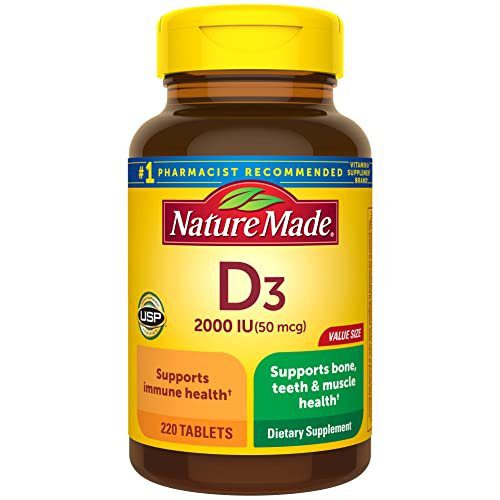
Nature Made Vitamin D3 2000 IU (50 mcg), Vitamin D Supplement for Bone, Teeth, Muscle and Immune Health Support, 220 Tablets, 220 Day Supply
Nature Made Vitamin D3 2000 IU delivers 220 tablets (a 220-day supply) at a straightforward dose of 50 mcg per tablet. It’s a no-frills supplement from the #1 pharmacist-recommended brand, formulated to support bone, teeth, muscle, and immune health—addressing the fact that most adults don’t get enough vitamin D from diet alone.
Most people use checkers the way they use a weather app: quick glance, then move on. The problem is that interaction checking works better when you treat it like packing for a trip – you need the full list, not just the “big items.”
Here’s a practical workflow that reduces missed interactions and confusing results.
Step 1: Build the “complete list” (the part people skip)
Include:
- Prescription meds (brand + generic if possible)
- OTC meds: pain relievers, cold/flu products, antacids, sleep aids, allergy pills
- Supplements: multivitamins, single nutrients, herbals, probiotics, collagen, protein powders
- Sports/energy products: pre-workouts, fat burners, “nootropics”
- Lifestyle exposures the tool may flag: alcohol and sometimes grapefruit
Why so thorough? Because polypharmacy plus supplement use is common, especially with age. A detailed review in Frontiers in Pharmacology (PubMed Central) notes that a substantial share of older adults use five or more drugs or supplements, which raises interaction risk and the chance of serious adverse events.
Step 2: Choose a checker that fits your situation
Consumer tools can be a helpful start. For example:
- The WebMD Drug Interaction Checker is easy to use and can highlight well-known conflicts.
- MedlinePlus “Drugs, Herbs and Supplements” is strong for patient-friendly explanations and safety reminders.
Clinicians often use professional databases that include structured severity ratings and management notes, such as:
- DrugBank’s interaction tool
- Natural Medicines interaction charts (widely used in pharmacy settings for supplement-focused questions)
- Lexicomp and Facts & Comparisons (common in clinical decision support)
Step 3: Read beyond the red/yellow/green label
A useful checker entry usually includes:
- Mechanism (why it happens)
- Clinical concern (bleeding risk, sedation, low blood pressure, etc.)
- Management (avoid, monitor, adjust timing, adjust dose)
Step 4: Print or screenshot the results for your pharmacist
Bring:
- The interaction summary
- The exact supplement label (photo helps)
- Your dosing schedule (morning/night, with food, etc.)
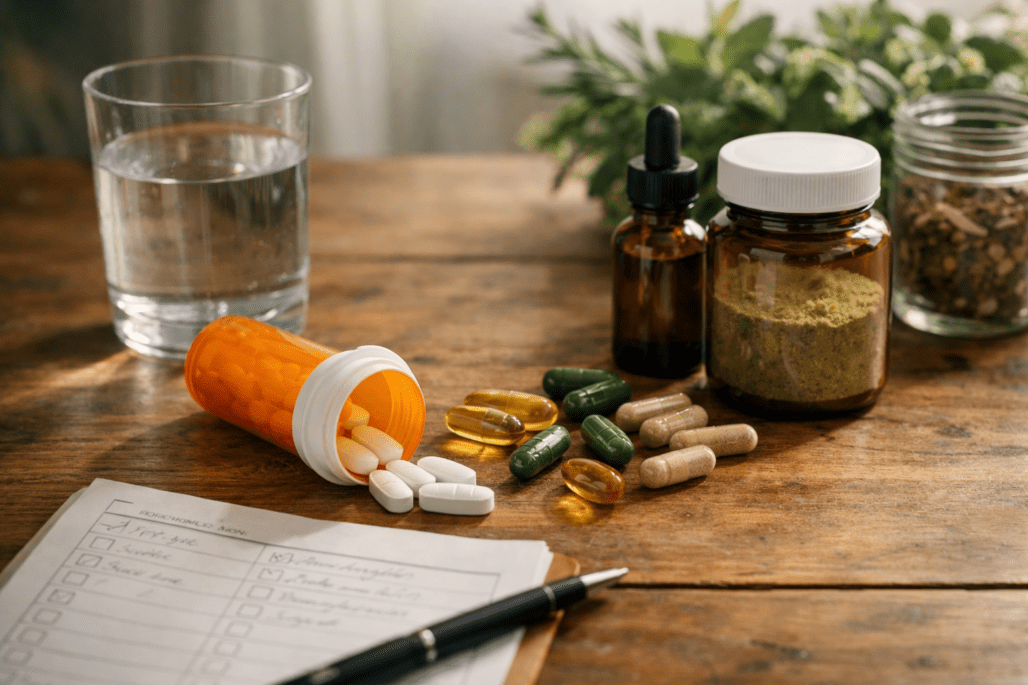
Visual: A “clean” interaction-checking checklist
Actionable takeaway: If you want a system for keeping your list current, start with Best App Tracking Vitamin Drug Interactions. The best checker is the one you will actually keep updated.
Common drug supplement interactions that deserve extra caution (real-world examples)
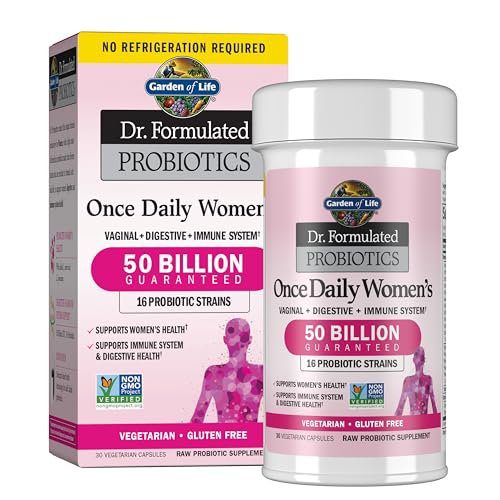
Garden of Life Once Daily Dr. Formulated Probiotics for Women 50 Billion CFU 16 Probiotic Strains with Organic Prebiotics for Digestive, Vaginal & Immune Health, Dairy Free, Shelf Stable 30 Capsules
Garden of Life Once Daily Dr. Formulated Probiotics for Women (30 capsules, 50 billion CFU, 16 strains) delivers a shelf-stable, dairy-free option with organic prebiotics and women-specific strains like L. reuteri and L. fermentum for digestive, vaginal, and immune support. User experiences often note better gut comfort and fewer vaginal or urinary issues, backed by the brand’s clean non-GMO, gluten-free profile. Common downsides are initial gas or bloating from the high potency and prebiotics, plus occasional reports of no effect or shipping heat concerns.
Most interactions people run into are not exotic. They’re predictable combinations that show up again and again – often involving herbs, sedating products, blood thinners, and medications with narrow “safe ranges.”
Below are three examples that are easy to recognize in daily life.
1) St. John’s wort + many prescription medications (treatment failure risk)
St. John’s wort is one of the most common “natural mood” supplements. It can also be one of the most disruptive. Patient-facing references like MedlinePlus drug information and consumer interaction guidance from the WebMD interaction checker warn that it may reduce the effectiveness of a wide range of medicines, including some used for heart conditions, HIV, depression, cancer care, and birth control.
Why it matters: If a supplement speeds up drug metabolism, drug levels can fall below what’s needed, even if you never feel an immediate side effect.
What to do: Do not “trial” St. John’s wort casually if you take prescription meds. Ask for alternatives and confirm safety first.
2) ACE inhibitors + high-potassium foods or potassium supplements (hyperkalemia risk)
Some blood pressure medications can raise potassium. Add potassium-rich foods, salt substitutes, or potassium supplements and the total load may become too high for certain people, especially those with kidney concerns. This type of interaction is commonly flagged in consumer education, including the WebMD interaction checker.
What to do: Do not remove healthy foods on your own. Instead, ask whether you need lab monitoring or guidance on potassium intake.
3) “Stacking” sedatives: antihistamines + sleep aids + alcohol (falls and confusion)
The issue is not one product. It’s the combo. Many OTC antihistamines, nighttime cold medicines, sleep aids, some pain medicines, and alcohol can all increase drowsiness. In older adults, that can mean confusion, impaired driving, or falls. This pattern is highlighted in consumer interaction education like the WebMD interaction checker.
What to do: Treat “nighttime” multi-symptom products as medications, not harmless helpers. Ask a pharmacist to simplify your regimen.
Visual: High-risk categories to double-check before you combine
| If you take this… | Be extra careful adding… | Why |
|---|---|---|
| Blood thinners/anticoagulants | High-dose botanicals, vitamin K changes | Bleeding or reduced effect |
| Diabetes medications | Herbals and “metabolism” blends | Hypoglycemia risk |
| Heart rhythm drugs | Stimulants, decongestants, some herbals | Arrhythmia risk |
| Immunosuppressants/chemo | Many supplements | Treatment interference risk |
| Sedating meds | Alcohol, sleep aids, antihistamines | CNS depression, falls |
Actionable takeaway: If you’re managing a complex condition, use condition-specific guidance. For example, people in active oncology care may benefit from a targeted resource like Cancer Treatment Supplement Interaction Checker rather than a general tool.
What to do if a checker flags an interaction (a pharmacist-style action plan)
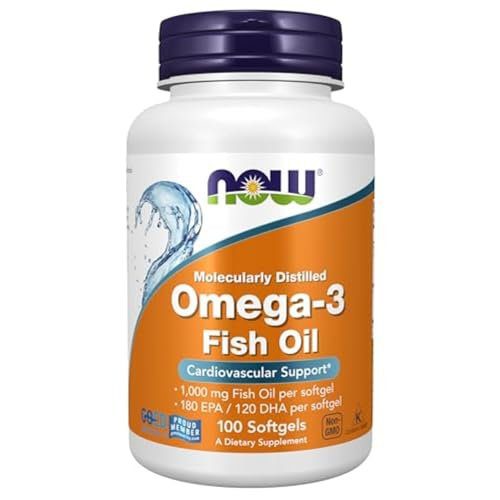
NOW Supplements, Omega-3 180 EPA / 120 DHA, Molecularly Distilled, Cardiovascular Support, 100 Softgels
NOW Supplements Omega-3 with 180 EPA / 120 DHA in 100-softgel format is a straightforward fish oil from a trusted value brand, molecularly distilled for purity and aimed at cardiovascular support, delivering 360 mg EPA and 240 mg DHA per recommended serving of 4 softgels daily. It undergoes strict testing for contaminants like PCBs, dioxins, and heavy metals, with supportive research noting EPA and DHA may benefit heart health, though not conclusive. A solid pick for basic omega-3 needs if you’re after an affordable option from NOW Foods without premium certifications, best stored cool and dry and paired with food.
Seeing a “major interaction” warning can be scary. Seeing ten “moderate” warnings can be confusing. The next step is not panic – it’s triage.
Clinicians generally manage interactions in a few predictable ways: adjust timing, adjust dose, monitor labs, substitute products, or avoid the combination. Large reviews of interaction science describe these approaches as part of practical interaction management, because not every flagged item leads to harm in every person.
Step 1: Classify the risk with three questions
Use this quick filter before you change anything:
- Is the medication high-stakes? (anticoagulants, seizure meds, transplant meds, chemo, HIV therapy)
- Is the supplement high-dose or herbal? (more likely to affect enzymes or physiology)
- Do you have risk multipliers? (older age, kidney/liver disease, multiple meds)
If “yes” shows up often, treat the flag as urgent to review with a pharmacist.
Step 2: Choose the safest fix (in order)
Common management options:
- Avoid the combo when the downside is serious and predictable.
- Substitute the supplement with a lower-risk option.
- Separate timing (example: hours apart) when the issue is absorption.
- Monitor with labs or symptom tracking (example: potassium, INR, glucose).
- Adjust dose only under clinician direction.
Step 3: Bring better information to your appointment
A pharmacist can help more when you provide:
- The supplement facts panel (photo)
- Your exact dose (mg, IU, “two gummies,” etc.)
- How long you’ve taken it
- Any symptoms you’ve noticed (bruising, dizziness, palpitations, low sugars)
Visual: A simple “interaction response” decision tree
- Major flag OR high-stakes medication?
- Stop and call pharmacist/clinician before continuing the combo.
- Moderate flag and you feel symptoms?
- Pause the supplement and ask for guidance.
- Moderate flag and no symptoms?
- Ask about timing changes, monitoring, or alternatives.
- Minor/unknown but you have kidney/liver disease or many meds?
- Treat as moderate and confirm.
Actionable takeaway: If you’re balancing blood sugar medications with herbals or “metabolic” supplements, use a diabetes-specific lens. Start with Diabetes Medication Herbal Supplement Risks and bring those questions to your care team.

Mistakes that cause preventable drug supplement interactions (and smarter habits)
Most interaction problems are not caused by a single “bad” supplement. They come from predictable habits: incomplete lists, duplicate ingredients, and assuming OTC equals safe.
Here are the most common missteps, plus the fix that actually works in real life.
Mistake 1: Not telling your clinician about supplements
Many people mention prescriptions but skip herbals, gummies, powders, and teas. Patient guidance from MedlinePlus drug information explicitly encourages discussing herbs and supplements because they can interact with medications.
Smarter habit: At every visit, share your full list – even if you think it’s “just magnesium.”
Mistake 2: Assuming “natural” means low-risk
Some supplements can meaningfully change drug metabolism or compound drug effects. That’s one reason professional resources exist that focus specifically on supplement products, such as the Natural Medicines interaction charts.
Smarter habit: Treat herbals like medicines. Check first, then choose.
Mistake 3: Missing duplicates across products
It’s easy to accidentally stack:
- Vitamin D in a multivitamin + “bone support”
- Magnesium in a sleep powder + electrolyte mix
- Caffeine in pre-workout + fat burner + energy drink
Smarter habit: Once a month, scan labels for repeated ingredients and total daily dose.
If you take several supplements with prescription medications, StackMyMed (our companion app) scans each label and checks your full stack for conflicts, so a risky combination is easier to catch before you take it. Always confirm anything it flags with your doctor or pharmacist.
Mistake 4: Using a checker as a final answer
Interaction checkers can’t fully personalize risk. Professional clinical tools (for example, Lexicomp and Facts & Comparisons) are designed to support clinician judgment, not replace it.
Smarter habit: Use the tool output as a “question list” for your pharmacist.
Visual: A weekly routine that reduces interaction risk
- Sunday (2 minutes): Update your med/supplement list in one place.
- Before buying a new supplement: Run a checker and screenshot results.
- When a prescription changes: Re-check everything, including OTCs.
- Use one pharmacy when possible: It improves cross-checking.
- If symptoms appear: dizziness, bruising, palpitations, low sugars – ask promptly.
Actionable takeaway: If you’re unsure which supplements you even need, fewer products usually means fewer interaction opportunities. Use Supplement Needs Assessment Guide to narrow your stack to what fits your goals and labs.
Conclusion: Use interaction checkers as a starting point, not the finish line
Drug supplement interactions are common because modern life makes “stacking” easy: prescriptions, OTC products, and supplements all at once. Interaction checkers can help you spot risky combinations early, especially with herbals like St. John’s wort, sedating OTC products, and high-stakes medications. But they’re screening tools, not personalized medical advice.
The most practical next step is simple: keep an updated list, run a checker before you add something new, and review any moderate or major flags with a pharmacist. For deeper reading, revisit Ultimate Drug Supplement Interactions and set up a tracking system with Best App Tracking Vitamin Drug Interactions so your “safe plan” stays current as your routine changes.
As an Amazon Associate, I earn from qualifying purchases. Product recommendations are based on real reviews and independent research.
