
If you’re considering apigenin supplements, you’re probably looking for one of two things: calmer evenings (sleep, stress) or broader “healthy aging” support. Apigenin is a plant compound found in chamomile, parsley, and celery, and it’s getting attention because lab and animal studies suggest it may support antioxidant defenses, inflammatory balance, and brain signaling. The catch is that human research is still limited, and absorption can be tricky. This article breaks down what apigenin is, what the science actually supports, how to choose a quality product, and how to use it safely.
Affiliate disclosure: this article contains affiliate links. As an Amazon Associate, UsefulVitamins.com earns from qualifying purchases at no extra cost to you.
Summary / Quick Answer: How to choose apigenin supplements
Best apigenin supplements are typically: a simple, third-party tested apigenin capsule (often 50-100 mg) or a standardized chamomile extract if you prefer a whole-plant approach.
Here’s a quick decision guide:
- For sleep or evening calm: Start with 25-50 mg apigenin 30-60 minutes before bed.
- For general wellness: Many products use 50-100 mg daily, but strong human dosing data is not established.
- If you’re sensitive to supplements: Consider chamomile tea first (often ~0.5-3 mg apigenin per cup, depending on brew).
- If you want better absorption: Look for delivery methods designed for bioavailability (more on this below).
- Avoid or get medical guidance if you are pregnant, managing liver conditions, or taking medications metabolized by CYP enzymes.
Bottom line: apigenin supplements may be most reasonable for sleep-stress support, while other “big” claims (like disease treatment) remain preclinical.
Apigenin 101: What it is, where it comes from, and why people supplement
Apigenin is a flavonoid – a type of polyphenol that plants use for protection. Humans end up consuming small amounts through foods and herbs, especially chamomile. The reason supplements exist is simple: typical dietary intake is in the low milligram range, while many studies that sparked interest used much higher doses in animal models.
A large review in Molecules (2019) describes apigenin’s broad preclinical activity, including antioxidant and anti-inflammatory effects, plus interactions with cell signaling pathways tied to brain and metabolic health. That sounds exciting, but it’s important to keep the “translation gap” in mind – what happens in a petri dish or mouse does not automatically happen in humans.
Natural apigenin sources (food-first options)
If your goal is gentle, consistent intake, foods often make sense before capsules.
Common sources include:
- Chamomile tea (traditional use for relaxation)
- Parsley (fresh is typically higher than dried)
- Celery
- Oregano and other herbs
- Citrus (smaller amounts)
Practical takeaway: If you’re already drinking chamomile at night and notice a benefit, a supplement may not be necessary. If you want a more consistent dose than tea can provide, that’s where capsules can be useful.
Why apigenin is linked to calm and sleep
Chamomile’s calming reputation is not random. Apigenin is often discussed as one of the active compounds contributing to chamomile’s effects, although chamomile contains multiple constituents that may work together.
A recent review focusing on apigenin’s sleep-related pathways in Nutrients (2024) summarizes mechanisms studied in animals, including interactions with neurotransmitter systems involved in relaxation. Human evidence is still limited, but the traditional use plus early mechanistic research is why apigenin is commonly positioned as an “evening” supplement.
Quick visual: food vs supplement expectations
| Source | Typical apigenin amount | Best for |
|---|---|---|
| Chamomile tea | ~0.5-3 mg per cup (varies) | Gentle nightly routine |
| Herbs/veg (parsley, celery) | Small mg amounts (varies widely) | Baseline dietary intake |
| Capsules/tablets | Often 50-100 mg | Consistency and convenience |
If you’re exploring apigenin as part of a cognitive routine, it may also help to compare it to other compounds commonly used for focus and brain health. UsefulVitamins’ guide to nootropic supplements is a good next read for context.
Apigenin benefits: What research suggests (and what’s still unproven)
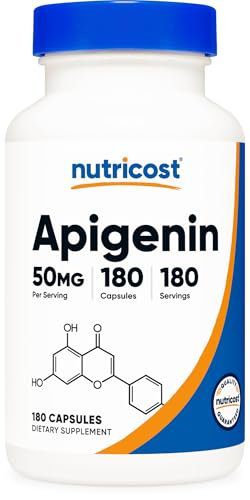
Nutricost Apigenin 50mg, 180 Capsules – Non-GMO, Gluten Free, Vegan
Nutricost Apigenin delivers 50mg per capsule across 180 vegan capsules, third-party tested and manufactured in a GMP facility. The product is non-GMO and gluten-free, though specific efficacy claims aren’t substantiated in available product information.
Apigenin gets grouped into “promising longevity compounds” for a reason: it shows activity across several systems. But most of the headline-worthy findings are preclinical (cell culture and animals). The most responsible way to read the science is: apigenin may help support certain pathways, and it may be useful for specific goals like relaxation, but it is not established as a treatment for disease.
A comprehensive overview in Molecules (2019) outlines apigenin’s antioxidant and anti-inflammatory properties and its potential relevance to chronic disease models. Meanwhile, the Alzheimer’s Drug Discovery Foundation’s evidence review in the Cognitive Vitality report on apigenin emphasizes a key point: there is not yet clear human evidence that apigenin improves cognition or prevents neurodegenerative disease, despite encouraging animal data.
Where apigenin looks most practical today: stress and sleep support
If you’re choosing apigenin for something you can actually feel day to day, “evening calm” is the most common target.
What to expect (realistically):
- A calmer transition into sleep
- Less “wired but tired” feeling at bedtime
- Mild relaxation rather than a heavy sedative effect
If stress is the bigger driver, apigenin often gets paired with other calming nutrients. UsefulVitamins’ roundup of stress relief supplements can help you compare options like magnesium, L-theanine, and herbal extracts.
Potential mechanisms (why researchers care)
You’ll see apigenin discussed in relation to:
- NF-κB signaling (inflammatory gene expression)
- Oxidative stress and free radical scavenging
- Brain pathways tied to learning and memory in animals
- CD38 inhibition (a target connected to NAD+ metabolism in aging research)
A 2024 review indexed in PubMed discusses ongoing questions around apigenin’s pharmacology and bioavailability, which is one reason supplement results can feel inconsistent.
Visual snapshot: evidence level by goal
| Goal people use it for | What studies suggest | Human evidence today |
|---|---|---|
| Sleep and relaxation | Mechanistic + animal data; chamomile tradition | Limited direct data; indirect support |
| Inflammation balance | Consistent preclinical findings | Early, not definitive |
| Brain health and memory | Promising animal studies | No strong RCT base yet |
| Metabolic and heart support | Interesting animal models | Low evidence in humans |
| Cancer-related claims | Cell/animal apoptosis findings | Not a basis for treatment claims |
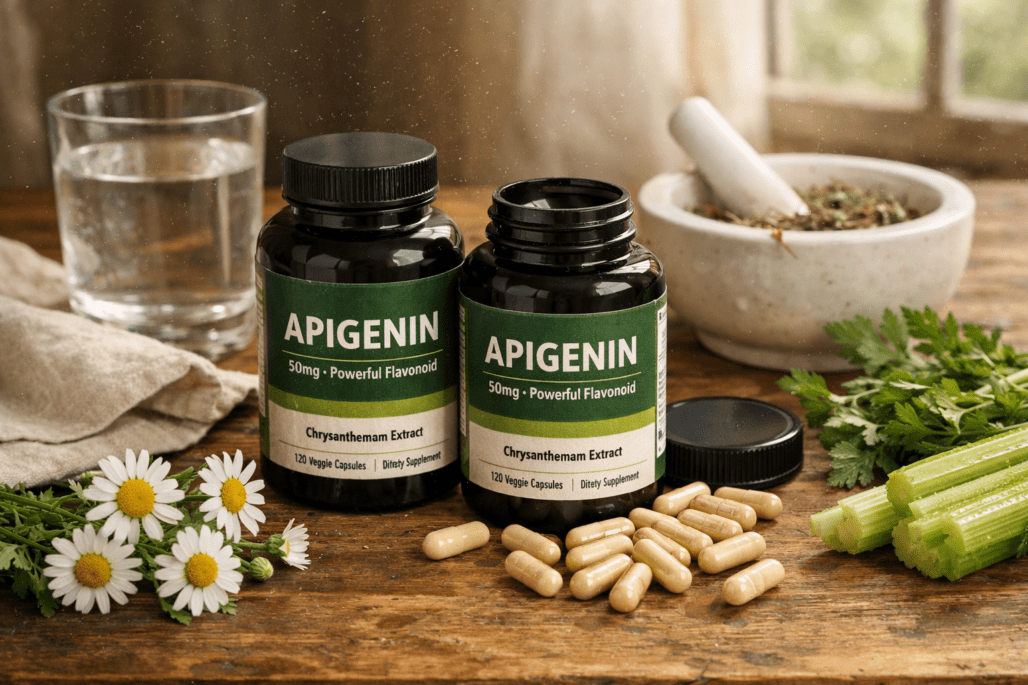
Practical takeaway: Choose apigenin for outcomes that match the evidence. If your main goal is disease prevention or treatment, talk with a clinician and focus on proven lifestyle and medical strategies first.
How to choose the best apigenin supplement (quality, form, and labeling)
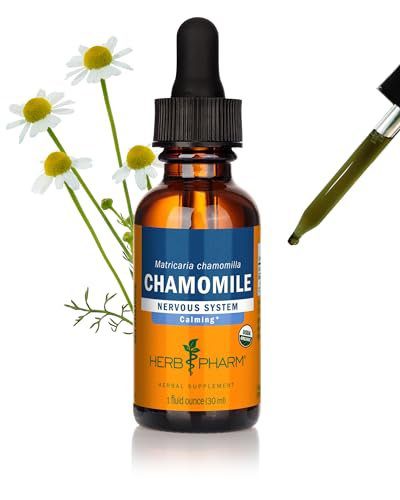
Herb Pharm Chamomile Liquid Extract: USDA Organic | Calming Nervous System Support, Stress Support Chamomile Supplement | Fast-Absorbing & Sugar-Free, Made with Organic Chamomile Flowers, 1 oz*
Herb Pharm Chamomile Extract Organic provides calming nervous system support from certified organically grown chamomile flowers, prepared in small batches with certified organic cane alcohol to preserve phytochemicals; it has an aromatic bittersweet taste suited for adding to water or tea. The 1 fl oz bottle comes from hand-harvested flowers grown on their own farms in southern Oregon.
The supplement aisle problem is not “does apigenin exist?” It’s: what are you actually getting, and will your body absorb enough to matter?
1) Look for transparent testing (this matters more than brand hype)
Prioritize products that provide:
- Third-party testing (USP, NSF, or comparable independent labs)
- A Certificate of Analysis (COA) available on request
- Clear labeling of apigenin amount per serving
- Minimal unnecessary fillers, especially if you have sensitivities
Practical takeaway: If a company cannot show testing documentation, treat it as a red flag.
2) Choose the form that matches your goal
You’ll typically see:
A) Pure apigenin (isolated)
- Pros: straightforward dosing (ex: 50 mg)
- Cons: absorption can be limited for some people
B) Chamomile extract standardized to apigenin
- Pros: closer to traditional use; may include supportive plant compounds
- Cons: you must read labels carefully (standardization percentage matters)
C) “Enhanced absorption” formats Some products use delivery approaches intended to improve uptake. A broad review in BioMed Research International (2019) discusses formulation strategies that can improve flavonoid bioavailability.
If you want to understand why some forms work better than others, UsefulVitamins’ explainer on bioavailable nutrient forms is a helpful framework.
3) Check the dose range and serving size logic
Most apigenin supplements cluster around 50-100 mg per day. That does not mean it’s the “optimal” human dose – it’s more that this range is commonly used in practice and fits capsule sizing.
A simple label checklist:
- Does one capsule equal one dose, or do you need 2-3 capsules?
- Is the product standardized (if it’s an extract)?
- Does it include other actives like piperine, quercetin, or theanine?
Visual: quick “buying checklist” scorecard
| Criteria | What to look for | Why it matters |
|---|---|---|
| Testing | Third-party + COA | Purity and contaminant control |
| Label clarity | mg per serving, standardization | You can compare products |
| Form | isolate vs extract vs enhanced | Affects consistency and absorption |
| Add-ons | piperine, quercetin, theanine | May change effects and interactions |
| Allergen info | vegan, gluten-free, etc. | Tolerance and compliance |
Practical takeaway: The “best apigenin” choice is usually the one with clean testing, clear dosing, and a form you’ll take consistently.
How to take apigenin safely: dosing, timing, stacking, and interactions
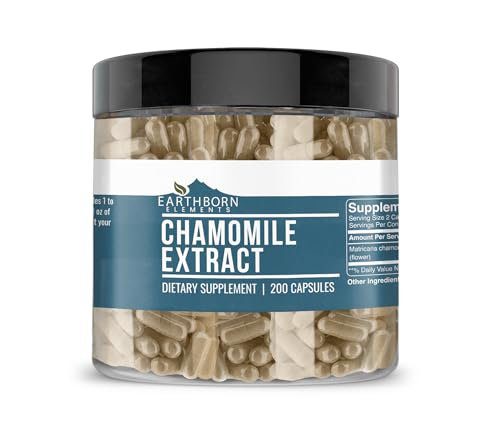
Earthborn Elements Chamomile Extract 200 Capsules, Pure & Undiluted, No Additives
This product delivers pure, undiluted chamomile extract in 200 capsules with no additives, serving as a natural source of apigenin for those seeking relaxation support. Chamomile extract is a straightforward option in the apigenin supplement space without fillers or extras.
With apigenin, the biggest mistake is treating preclinical doses like a direct map for humans. Animal studies often use mg per kg body weight and delivery methods that don’t translate neatly to real-world supplements. In practice, most people are choosing apigenin for calm and sleep, so the goal is the lowest effective dose.
Suggested dosing approach (conservative and practical)
Because large human trials are lacking, consider this a cautious framework rather than medical advice:
- Start low: 25 mg in the evening for 3-7 nights
- Increase if needed: 50 mg, then up to 100 mg only if you tolerate it well
- Keep it simple: avoid changing multiple supplements at once
Many people take apigenin 30-60 minutes before bed. If it makes you feel too relaxed during the day, keep it for nighttime only.
Stacking: what pairs well (and what to be careful with)
Apigenin is often combined with other calming supplements. If you’re experimenting, use a structured approach so you can tell what’s working. UsefulVitamins’ supplement stacking guide walks through how to build stacks without guessing.
Common “evening stack” pairings:
- Apigenin + magnesium glycinate
- Apigenin + L-theanine
- Apigenin + calming herbal teas (chamomile, lemon balm)
If you’re already using flavonoids, it may help to compare how they differ. For example, quercetin is often used for seasonal/allergy support and has its own evidence base. See UsefulVitamins’ guide to quercetin supplements for a clear comparison.
Safety and side effects (what’s known)
Dietary apigenin from foods is generally considered safe. Higher-dose supplemental use is where you want to be more cautious.
A toxicology discussion in Critical Reviews in Food Science and Nutrition notes that very high doses in animal models can raise concerns, including oxidative stress markers in the liver at extreme intakes. That’s not a reason to fear normal supplemental doses, but it is a reason to avoid “more is better” thinking.
Possible side effects (reported anecdotally and in limited research):
- Mild GI upset
- Drowsiness or grogginess (especially if combined with other sedating agents)
- Headache in sensitive individuals
Medication interactions: when to get medical guidance
Apigenin may affect drug metabolism pathways (often discussed in relation to CYP enzymes). If you take prescription medications – especially those with narrow therapeutic windows – check with a pharmacist or clinician before starting.
Extra caution groups:
- Pregnancy and breastfeeding
- Liver disease or elevated liver enzymes
- People using multiple sedatives or sleep meds
Visual: “Is apigenin a good fit for me?” quick check
| If you… | Apigenin may be worth trying | Consider alternatives first |
|---|---|---|
| Want a gentle bedtime calm | Yes, start low | If you need a strong sedative |
| Prefer food-based routines | Chamomile tea can be enough | If you want high, consistent dosing |
| Take multiple medications | Only with clinician input | If interaction risk is unclear |
| Expect disease treatment | Not appropriate | Focus on evidence-based care |

Taking this alongside other products? StackMyMed (our companion app) logs your full stack, finds the optimal timing for each dose, and flags interactions, so you are not tracking it all by hand.
Conclusion: A smart, evidence-aligned way to use apigenin
Apigenin supplements make the most sense for people seeking nighttime calm and sleep support, especially when chamomile tea isn’t consistent enough or isn’t strong enough. Research suggests apigenin may influence antioxidant and inflammatory pathways, and animal studies on brain health are intriguing, but human evidence is still developing. That’s why the best approach is conservative dosing, quality testing, and clear expectations.
Next step: if you’re building a broader routine, compare apigenin with other brain-focused options in the guide to nootropic supplements and use the supplement stacking guide to keep your plan simple and trackable.
As an Amazon Associate, I earn from qualifying purchases. Product recommendations are based on real reviews and independent research.
