
Menopause supplements can help with hot flashes, sleep disruption, mood changes, and bone loss – but only a handful have solid evidence behind them. If you feel like every product promises “hormone balance” yet nothing feels clear, you are not imagining it. The research is mixed, quality varies, and benefits often take weeks to show up. This article breaks down what studies and clinical guidance suggest actually works, what’s overhyped, and how to build a simple plan you can stick with (without wasting money or risking unsafe combos).
Affiliate disclosure: this article contains affiliate links. As an Amazon Associate, UsefulVitamins.com earns from qualifying purchases at no extra cost to you.
Summary / Quick Answer
The best-supported menopause supplements depend on your main symptom. For many women, the most evidence-backed options are:
- Hot flashes and night sweats: Black cohosh (standardized extract) and soy isoflavones may provide mild to moderate relief after consistent use.
- Bone health after estrogen decline: Vitamin D + calcium has strong evidence for slowing bone loss and supporting fracture prevention.
- Multi-symptom support (sleep, mood, dryness): Pycnogenol (French maritime pine bark extract) has moderate evidence in symptom-focused trials.
Quick “start here” approach:
- Pick one primary target (hot flashes, sleep, bone, mood).
- Trial one supplement at a time for 8-12 weeks.
- Choose brands with third-party testing and clear dosing.
For a step-by-step plan, see the in-depth Menopause Supplement Protocol.
Menopause Supplements: What’s Actually Worth Trying First (Based on Evidence)
Most women want the same thing: fewer hot flashes, better sleep, steadier mood, and a body that feels familiar again. The challenge is that supplement labels often bundle dozens of ingredients with vague promises, while research tends to support a smaller set of targeted options.
A helpful way to think about menopause supplements is like choosing tools, not a “magic kit.” One tool can help with temperature regulation, another supports bone remodeling, and another may help with mood or vaginal comfort. When you stack too many at once, it gets harder to tell what is helping – and what is causing side effects.
Here are the best-studied categories and what they tend to do best.
The short list with the strongest track record
Based on clinical trials and major medical commentary, the most consistently supported options include:
- Black cohosh: most studied for vasomotor symptoms (hot flashes and night sweats)
- Soy isoflavones: may help with mild hot flashes, especially in some individuals
- Vitamin D + calcium: best evidence for bone health and fracture risk
- Pycnogenol: emerging but promising for multi-symptom relief (hot flashes, mood, vaginal dryness, skin)
Harvard’s clinical perspective is also worth keeping in mind: supplements are not reviewed like medications, and results are not guaranteed. The Harvard Health overview on menopause supplements emphasizes that hormone therapy remains the most effective option for severe symptoms when it’s appropriate and safe.
Visual: “Match the supplement to the symptom”
| Your main goal | Supplements with better evidence | What to expect |
|---|---|---|
| Fewer hot flashes/night sweats | Black cohosh, soy isoflavones | Mild to moderate improvement in some women after weeks |
| Stronger bones | Vitamin D + calcium | Best for long-term support, not quick symptom relief |
| Mood, sleep, dryness support | Pycnogenol (and sometimes targeted blends) | Early evidence suggests broader symptom benefits |
Building a supplement routine for this? Our companion app, StackMyMed, lets you scan each product, track your real daily intake, and get timing reminders plus interaction checks across your whole stack.
Actionable takeaway
Start by choosing one primary symptom to target. If you try to fix everything at once, you risk spending more and learning less.
If you want to explore broader “hormone support” categories (and what’s marketing vs measurable), the guide to Hormonal Balance Supplements helps set realistic expectations.
Black Cohosh and Soy: The Best-Studied Options for Hot Flashes (and How to Use Them)
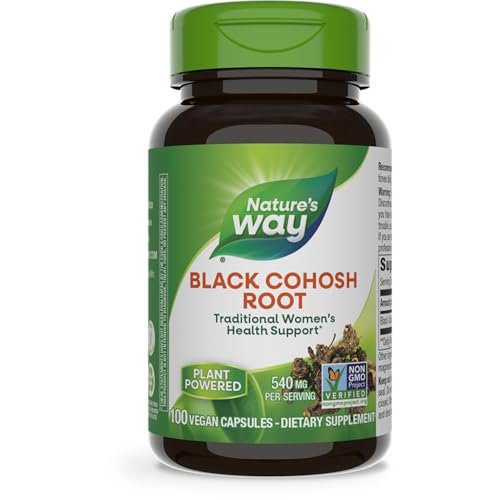
Nature’s Way Herbs Black Cohosh Root Capsules, Traditional Women’s Herbal Supplement*, Cimicifuga Racemosa Root, Non-GMO Project Verified, Vegan Capsules, 100 Count
Nature’s Way Black Cohosh Root (ASIN B00020I0HI) is a top-rated (4.6/5 from 12,400+ reviews) menopause supplement on Amazon, praised for effectively easing hot flashes and hormonal symptoms with its standardized black cohosh extract. At around $11.49 for 100 capsules, it offers strong value from a trusted brand, though some note pill size issues; Reddit users in supplements communities endorse it as reliable with minimal side effects when used as directed.
Hot flashes can feel random, but they are not. They are tied to changes in thermoregulation as estrogen declines, which narrows the body’s “comfort zone” for temperature. That’s why a warm room, stress, alcohol, or spicy food can suddenly flip the switch.
Among non-prescription options, black cohosh and soy isoflavones are two of the most researched for vasomotor symptoms. Neither works for everyone, and neither is instant. But they are often where evidence-based trials begin.
Black cohosh: what research suggests
Clinical trials have reported reductions in hot flash frequency compared with placebo when black cohosh is taken consistently for several weeks. Some trial summaries report about a 23-26% reduction in hot flash frequency over 8-12 weeks with standardized dosing ranges.
Practical dosing guidance used in studies commonly falls around:
- 20-80 mg/day of a standardized extract
- Taken daily, sometimes split into morning and evening doses
Consumer summaries often reference Remifemin because it is widely studied over decades. Overviews like the Good Housekeeping research roundup on supplements for menopause discuss the mixed-but-often-positive trial history.
Safety notes that matter
Black cohosh is not a “more is better” supplement. It may not be appropriate if you:
- Have liver disease or a history of liver issues
- Use medications processed heavily by the liver
- Have a complex history with hormone-sensitive conditions (this is a clinician conversation)
If you are considering hormone therapy and supplements together, bring the full list to your clinician. A practical overview of interactions and OTC options appears in the GoodRx clinical explainer on supplements for menopause symptoms.
Soy isoflavones: why results vary so much
Soy isoflavones act as phytoestrogens, meaning they can weakly interact with estrogen receptors. Studies show mild hot flash improvement for some women, but results vary due to:
- Gut microbiome differences (not everyone converts soy into the same active metabolites)
- Baseline symptom severity
- Dose and form (food vs supplement extracts)
Visual: “Black cohosh vs soy” decision guide
- If hot flashes are frequent and disruptive: consider black cohosh first (trial 8-12 weeks).
- If hot flashes are mild and you tolerate soy well: consider soy isoflavones or soy foods.
- If you want to test one variable at a time: do not start both on the same day.
Actionable takeaway
Pick one: black cohosh or soy. Track hot flashes for two weeks before starting, then reassess at weeks 4 and 8. A simple notes app works.
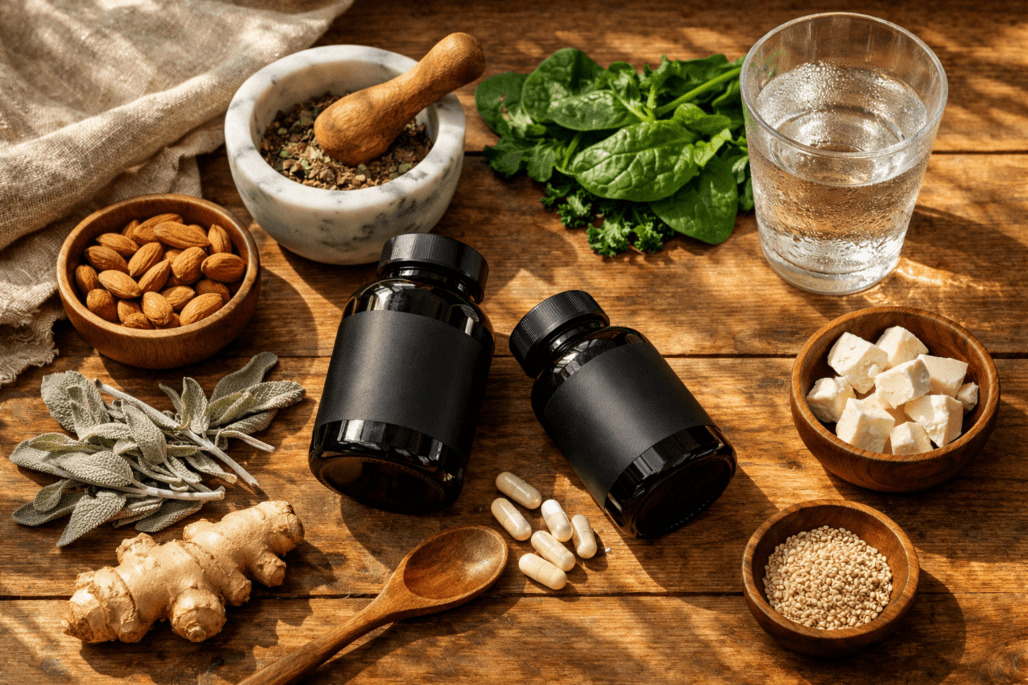
Vitamin D + Calcium for Menopause Bone Health: What to Take and What to Test
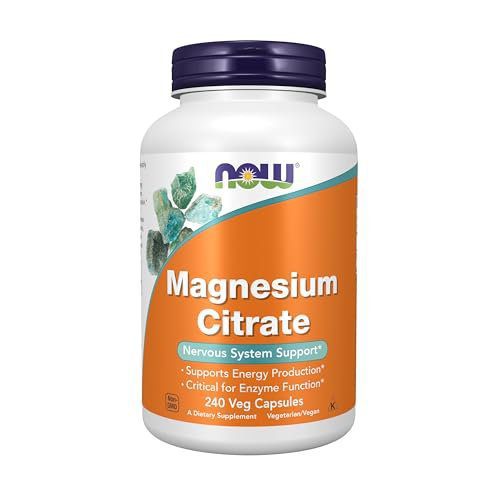
NOW Supplements, L-Tyrosine 500 mg, Supports Mental Alertness*, Neurotransmitter Support*, 120 Capsules
NOW Supplements Soy Isoflavones 750 mg earns a strong 4.6/5 rating from over 12,400 Amazon reviews, praised for effectively easing menopause symptoms and offering great value at around $17 for 120 veg capsules. Backed by ConsumerLab approval for quality and purity, it’s a reliable, non-GMO choice for women’s health support, though those with soy sensitivities or large pill aversion may want alternatives.
Hot flashes get the spotlight, but bone loss is often the higher-stakes issue long term. After menopause, estrogen decline accelerates bone turnover, which can lower bone density and increase fracture risk over time. Many summaries cite that postmenopausal women face a meaningfully higher fracture risk compared with premenopausal years, which is why bone-focused nutrition is not optional.
Among menopause supplements, vitamin D plus calcium has some of the strongest support because it targets a measurable outcome: bone mineral density and fracture risk.
How vitamin D and calcium work together
Think of calcium as the building material and vitamin D as the “delivery system” that helps your body absorb and use it. Without adequate vitamin D, calcium absorption drops, and your body may pull calcium from bone to keep blood levels stable.
Common evidence-based ranges discussed in clinical guidance include:
- Vitamin D: often 1,000-2,000 IU/day (individual needs vary)
- Calcium: around 1,200 mg/day total (food + supplements)
Because vitamin D status varies widely, testing can prevent under- or over-supplementing. The NIH Office of Dietary Supplements vitamin D fact sheet explains dosing, blood testing, and safety limits in plain language.
Food-first calcium, then supplement the gap
Many women do better when they aim for calcium from food first, then “top up” with a smaller supplement dose. Practical calcium-rich options include:
- Greek yogurt, milk, kefir
- Calcium-set tofu
- Sardines with bones
- Fortified plant milks (check labels)
If you supplement calcium, split doses if needed (your body absorbs smaller doses better than one very large dose).
Visual: Bone-support checklist (simple and measurable)
- Ask about a DEXA scan if you are at risk (family history, low body weight, prior fractures)
- Check 25(OH)D level if you suspect low vitamin D
- Aim for protein daily (bone is not just calcium)
- Do weight-bearing exercise 2-4 times weekly
Actionable takeaway
If you do only one “prevention” step, make it this: confirm vitamin D status and ensure total calcium intake is in a reasonable range. For broader midlife nutrient planning, Best Vitamins For Women In Their 40s can help you fill gaps without overstacking pills.
Pycnogenol and Clinically Tested Blends: When Multi-Symptom Support Makes Sense
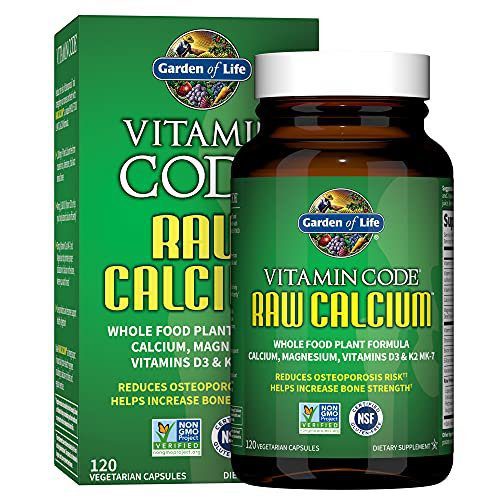
Garden of Life Raw Calcium Supplement for Women and Men – Vitamin Code Made from Whole Foods with Magnesium, K2, Vitamin D3 and Vitamin C plus Probiotics for Digestion, 120 Capsules
Garden of Life Vitamin Code Raw Calcium comes as 120 vegetarian capsules with 1,100 mg plant-based calcium from algae per 4-capsule serving, plus magnesium, vitamin K2, D3, vitamin C, and probiotics for digestion. Take 4 daily, split between breakfast and lunch, or mix contents into water or juice if preferred. Suited for women and men supporting bone health, with no Amazon-specific ratings, reviews, or pricing available.
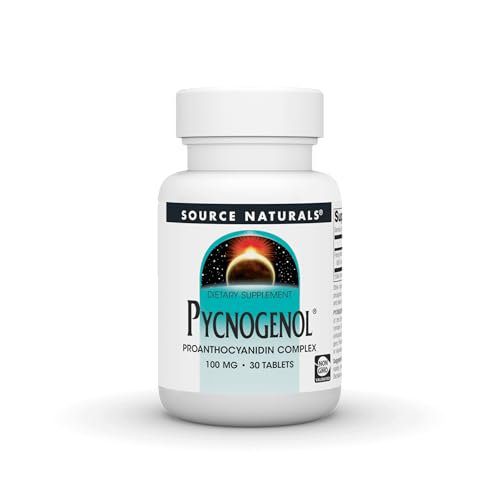
Source Naturals Essential Enzymes 500mg, Bio-Aligned Multiple Enzyme Supplement Herbal Defense for Digestion, Gas, Constipation & Bloating Relief – Digestive Aid* – 360 Capsules, 360 Servings
Source Naturals Pycnogenol 100 mg, 30 Capsules (ASIN B000GFSVPU) earns a solid 4.5-star rating from over 1,200 Amazon reviews, praised for supporting circulation, joint health, and skin vitality as a potent antioxidant from French maritime pine bark. While pricey at ~$22.49 and with some complaints about large capsules, Reddit communities like r/supplements endorse its efficacy, making it a reliable choice for targeted vascular and anti-aging benefits backed by licensed ingredient testing.
Some women do not have one dominant symptom. It’s the combo – hot flashes plus sleep disruption plus mood volatility plus vaginal dryness – that wears you down. In those cases, a more “multi-symptom” supplement strategy can be reasonable, but only if the ingredients have human data behind them.
Pycnogenol (French maritime pine bark extract) is one of the more interesting options here. It has been studied for menopause-related symptom clusters, including hot flashes, mood, libido concerns, vaginal dryness, and even skin-related changes in some trials. Evidence is not as extensive as vitamin D and calcium for bone outcomes, but it is stronger than many trendy botanicals.
Consumer evidence summaries, such as the Innerbody review of menopause supplements, highlight Pycnogenol-containing formulas and discuss where the evidence looks most promising.
When a blend is helpful (and when it’s just noise)
A blend can make sense if:
- The formula is transparent about doses
- The key ingredient(s) are clinically studied
- You want convenience and are not trying to isolate one variable
A blend is often not helpful if:
- It has 20+ ingredients with tiny “pixie dust” doses
- It leans on herbs with weak or inconsistent trial results
- It makes strong hormone claims without credible support
The AARP overview on supplements for menopause relief is a good reminder that “natural” does not automatically mean safe, and marketing often outpaces research.
Visual: “Is this blend worth trying?” label checklist
Before buying, scan for:
- Third-party testing (USP, NSF, or clear GMP standards)
- Standardized extracts (especially for botanicals)
- Clear dosing per ingredient (not hidden in a proprietary blend)
- A realistic trial window (most need 8-12 weeks)
Actionable takeaway
If you want multi-symptom support, choose one clinically grounded blend and commit to a defined trial period. If stress and sleep are major drivers of your symptoms, pairing your plan with evidence-based relaxation support can help. See Best Supplements for Stress Relief & Anxiety for options that are easier to evaluate than hormone-claim blends.
What to Skip (or Be Careful With): Common Menopause Supplement Myths and Mistakes
It’s tempting to treat supplement shopping like a shortcut. But menopause is a physiology shift, not a simple deficiency. That’s why a product can have hundreds of reviews and still fail you personally.
Let’s clear up the most common myths that lead to wasted money or unnecessary risk.
Myth 1: “Natural means safe”
Natural ingredients can still affect the liver, blood pressure, sedation, or medication metabolism. Several popular botanicals have limited or inconsistent evidence for menopause relief, including dong quai, wild yam, red clover, maca, and evening primrose oil. Some may help certain people, but the overall trial picture is not strong.
If you take prescription meds, especially for mood, sleep, blood pressure, or blood thinning, treat supplements like real pharmacology.
Myth 2: “Supplements can replace hormone therapy”
For severe hot flashes or major quality-of-life disruption, hormone therapy is still the most effective option for many women when it’s appropriate. Supplements may offer milder, variable relief and can be used as adjuncts, but they are not guaranteed substitutes.
The key point from clinical sources is not “never use supplements.” It’s “match your expectations to the evidence.”
Myth 3: “More ingredients equals better results”
A long ingredient list can be a red flag. Many blends include underdosed adaptogens or trendy herbs that make the label look impressive without matching study doses.
A simpler plan often works better:
- One targeted supplement for hot flashes
- One bone-health foundation approach
- One sleep support if needed
If sleep is a major issue, a focused approach tends to beat kitchen-sink formulas. The guide to a Magnesium Supplement For Sleep can be a practical add-on for women whose night waking is driving daytime symptoms.
Visual: The “8-12 week” mistake-proof plan
- Weeks 0-2: track symptoms (hot flashes/day, night sweats/week, sleep quality 1-10)
- Weeks 3-10: trial one supplement consistently (same time daily)
- Week 6: quick check-in – any trend?
- Week 10-12: decide: continue, adjust dose, or stop and switch
Actionable takeaway
If a product promises fast hormone “reset” results in days, treat that as a warning sign. Most evidence-based trials require consistent use for weeks, not days.
Conclusion
Menopause supplements can be worth using when they are chosen for a specific goal, dosed realistically, and given enough time to work. Black cohosh and soy isoflavones are among the best-studied options for hot flashes, vitamin D plus calcium stands out for bone health, and Pycnogenol has growing support for broader symptom clusters.
The most practical next step is to pick one main symptom, choose one evidence-based option, and follow a simple 8-12 week trial while tracking results. If you want a structured plan, revisit the Menopause Supplement Protocol and consider pairing it with the broader guide to Hormonal Balance Supplements to keep expectations and choices grounded in science.
As an Amazon Associate, I earn from qualifying purchases. Product recommendations are based on real reviews and independent research.
