
Polycystic ovary syndrome can feel like a moving target – irregular cycles, stubborn weight changes, acne, hair growth, and labs that never seem to “settle.” The best PCOS supplements are the ones that match what’s driving your symptoms most: insulin resistance, higher androgens, inflammation, nutrient gaps, or fertility goals. This article breaks down which supplements have the strongest human research, what they may help with (and what they probably won’t), and how to build a simple, safe plan you can review with your clinician.
Affiliate disclosure: this article contains affiliate links. As an Amazon Associate, UsefulVitamins.com earns from qualifying purchases at no extra cost to you.
Summary / Quick Answer: Which PCOS supplements are most evidence-based?
If you’re looking for a practical starting point, research most consistently supports these PCOS supplements as add-ons to lifestyle and medical care:
- Inositol (myo-inositol, sometimes with D-chiro-inositol): may support insulin sensitivity, ovulation, and cycle regularity.
- Berberine: may improve metabolic markers in a way that can be comparable to metformin in some studies.
- Omega-3s (EPA/DHA): may improve triglycerides and other lipid markers.
- Vitamin D (if low): may support insulin metabolism and androgen-related markers, especially when deficiency is present.
- Chromium: may support lipid markers and antioxidant status in some trials.
- L-carnitine: may support weight-related outcomes and some fertility contexts.
- CoQ10 / curcumin / NAC: promising for inflammation and insulin resistance, but evidence is still emerging.
A good rule: pick one primary target (insulin resistance, lipids, fertility, or deficiency) and start there, rather than stacking everything at once.
PCOS supplements that target insulin resistance (and why that matters)
If PCOS had a “common thread,” insulin resistance would be near the top. Even without diabetes, many people with PCOS have higher insulin levels that can push ovarian androgen production and make weight management harder. That’s why supplements that improve insulin signaling often show the most noticeable real-world results: more predictable cycles, fewer cravings, and better lab trends over time.
A large network meta-analysis of randomized trials published in Frontiers in Nutrition reported that several supplements improved cardiometabolic markers in PCOS, including lipid measures and weight-related outcomes. Another research synthesis in Frontiers in Endocrinology similarly highlights insulin and metabolic pathways as key targets.
Inositol (myo-inositol and D-chiro-inositol)
Inositol acts like a “messenger” in insulin signaling. For many with PCOS, it’s the most practical first supplement because it’s well-studied and generally well tolerated.
What studies suggest it may help:
- Insulin sensitivity and glucose markers
- Ovulation and cycle regularity
- Androgen-related markers in some people
A clinical overview in The Journal of Clinical Endocrinology and Metabolism discusses inositol forms and clinical outcomes in PCOS, and multiple reviews report consistent metabolic benefits.
Common dosing used in trials: often 2 to 4 g/day of myo-inositol, sometimes paired with D-chiro-inositol in a 40:1 ratio.
Berberine
Berberine is a plant compound studied for glucose and lipid metabolism. In PCOS, it’s frequently discussed as a “metformin-like” option, although it’s not a replacement for prescription care.
What it may support:
- Fasting insulin and insulin resistance markers
- Triglycerides and cholesterol trends
- Weight-related outcomes in some trials
Because berberine can interact with medications and may affect blood sugar, it’s worth clinician review if you use diabetes meds, blood pressure meds, anticoagulants, or are trying to conceive.
A simple “start here” framework (visual)
Pick one lane and test for 8 to 12 weeks:
| Your main PCOS pattern | Most common first pick | What to track |
|---|---|---|
| Insulin resistance, cravings, belly weight | Inositol | Fasting insulin, A1c, cycles |
| Metabolic labs not improving | Berberine (with clinician) | Lipids, glucose markers |
| Fatigue + training feels harder | Inositol or CoQ10 (case-by-case) | Energy, workouts, labs |
If weight change is a major goal, pair supplement choices with evidence-based habits and consider reading our guide to supplements for weight loss so expectations stay realistic.
Best supplements for PCOS hormones, ovulation, and fertility goals
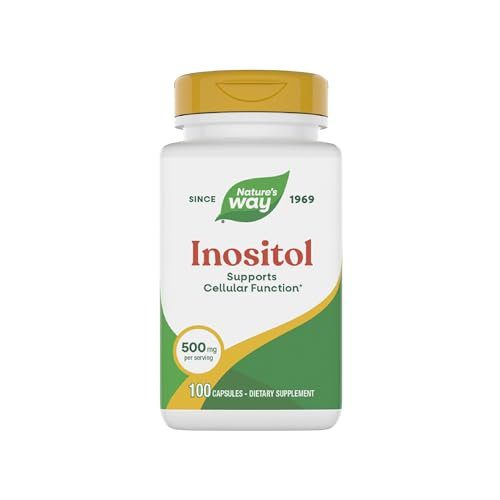
Nature’s Way Inositol, 500 mg per serving, 100 Capsules
Nature’s Way Inositol delivers 500 mg per serving in a straightforward formulation for PCOS management. Research shows inositol can improve insulin sensitivity, regulate menstrual cycles, and reduce androgen-related symptoms like acne and excess hair growth.
Many people search for PCOS support because they want their cycles to normalize or they’re trying to conceive. Supplements can help, but it’s important to set the right expectation: they may improve ovulation odds and metabolic drivers, but they don’t “erase” PCOS. Think of them like traction on a slippery road – helpful, but you still need the right route and speed (lifestyle, medical care, and monitoring).
A key point from nutrition and lifestyle guidance is that 5 to 10% weight loss (when weight loss is appropriate and recommended) can improve metabolic and reproductive features of PCOS. This is consistently reflected in clinical guidance summaries such as the PCOS nutrition overview from Female Health Awareness.
Inositol for ovulation support
Inositol shows up again here because ovulation is tightly linked to insulin signaling. If you’re tracking LH surges, basal body temperature, or cycle length, inositol is one of the more measurable interventions.
Practical takeaways:
- Give it at least 8 to 12 weeks before judging results.
- Pair it with protein-forward breakfasts and daily movement for better odds of change.
- If you’re doing fertility treatment, ask your clinician how it fits with your protocol.
L-carnitine (especially for weight-related and fertility contexts)
L-carnitine is involved in fatty acid transport into mitochondria. In PCOS research, it’s been studied for weight-related outcomes, inflammation markers, and some fertility contexts.
A research review in Frontiers in Endocrinology notes carnitine among supplements showing potential benefits across obesity-related and metabolic outcomes in PCOS trials.
CoQ10 and antioxidants (emerging but interesting)
Oxidative stress is frequently elevated in PCOS, and antioxidants are being studied for ovarian function and metabolic markers. CoQ10 is one of the better-known options in this category.
A detailed review in Nutrients discusses how supplements including CoQ10 and other antioxidants may influence insulin resistance and inflammatory pathways in PCOS, while also emphasizing that more high-quality trials are still needed.
Fertility-focused “stack” options (visual)
This is not a prescription – it’s a discussion template for your clinician:
- Base: inositol (myo-inositol, sometimes with D-chiro-inositol)
- If metabolic labs are a major barrier: consider berberine (clinician-guided)
- If oxidative stress/inflammation is a concern: consider CoQ10 (individualized)
- Always: prenatal basics, vitamin D testing, and iron status as appropriate
If you’re also working on mood, sleep, and cycle symptoms, our overview of hormonal balance supplements can help you connect the dots between common nutrient patterns and hormonal symptoms.
PCOS vitamins and nutrients: vitamin D, omega-3s, chromium, and vitamin E
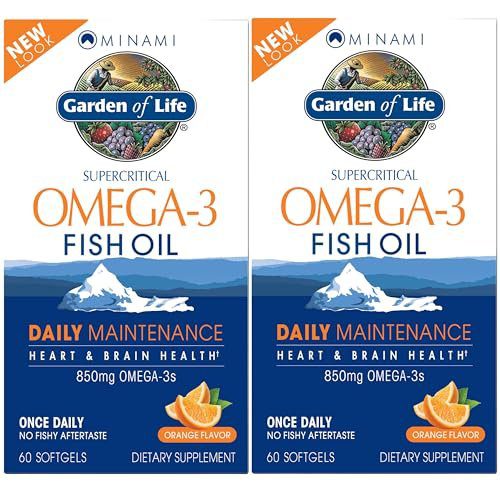
Garden of Life EPA/DHA Omega 3 Fish Oil – Minami Natural Brain Function, Heart and Mood Supplement, 120 Count (60-ct 2-Pack)
Garden of Life EPA/DHA Omega 3 Fish Oil comes as a 120-count 60-ct 2-pack of softgels, positioned for brain function, heart, and mood support. General research links EPA/DHA fish oil to PCOS benefits like lower inflammation and better insulin sensitivity, but no specific data or reviewer insights found for this product. Product-specific recommendation not possible without Amazon details.
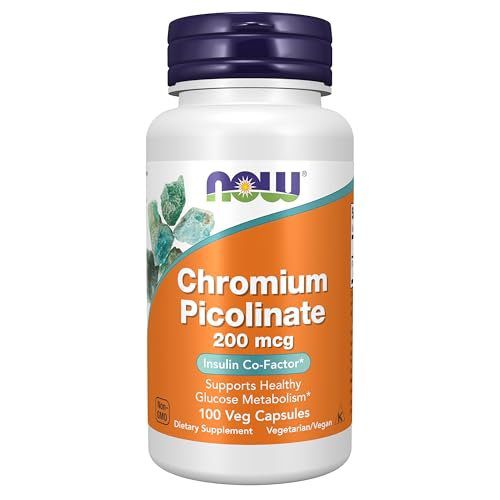
NOW Supplements, Chromium Picolinate 200 mcg, Insulin Co-Factor*, 100 Veg Capsules
NOW Supplements Chromium Picolinate 200 mcg earns a solid 4.6 stars from over 12,400 Amazon reviews, with users frequently praising its role in stabilizing blood sugar, reducing carb cravings, and excellent value at around $12 for a 4-month supply. Reddit communities like r/supplements echo this, highlighting the brand’s quality. Minor complaints about lack of effects for some make it a reliable, budget-friendly pick for metabolic support, though consult a doctor for personalized use.
Some supplements are less about “fixing PCOS” and more about correcting common gaps or improving risk markers like lipids and inflammation. This matters because PCOS is associated with higher long-term cardiometabolic risk, especially when insulin resistance and dyslipidemia are present.
Vitamin D (test first, supplement second)
Vitamin D deficiency is common in PCOS, and correcting it may help insulin metabolism and some androgen-related markers. But more is not better – high-dose vitamin D can be harmful.
A 2024 review in Frontiers in Endocrinology summarizes evidence that vitamin D supplementation may improve insulin-related and inflammatory markers, with mixed results across outcomes and study designs.
Practical takeaways:
- Ask for 25(OH)D testing before high-dose supplementation.
- Recheck levels after 8 to 12 weeks if you’re correcting deficiency.
- Consider whether your clinician wants vitamin D paired with other nutrients based on labs.
Omega-3s (EPA/DHA) for lipids and inflammation markers
Omega-3s are not “PCOS-specific,” but they can be useful when triglycerides are elevated or inflammation markers are a concern. The network meta-analysis in Frontiers in Endocrinology reports omega-3s among supplements associated with lipid improvements in PCOS trials.
What to look for on labels:
- Clear EPA and DHA amounts (not just “fish oil mg”)
- Third-party testing for oxidation and contaminants
Chromium and vitamin E (more targeted, not universal)
Chromium has been studied for lipid and antioxidant markers, and vitamin E has been studied for insulin resistance measures and lipid outcomes. These can be reasonable “second-line” considerations when labs point in that direction, but they’re not automatic starter supplements for everyone.
A broad evidence synthesis in Frontiers in Endocrinology highlights chromium among options with favorable rankings for certain metabolic outcomes across trials.
Quick “labs to supplement” map (visual)
| Lab pattern (common in PCOS) | Nutrient(s) to discuss | Primary goal |
|---|---|---|
| Low 25(OH)D | Vitamin D | Correct deficiency, support metabolic markers |
| High triglycerides | Omega-3s | Improve lipid profile |
| Mixed dyslipidemia + oxidative stress markers | Chromium (case-by-case) | Support lipids and antioxidant status |
| Insulin resistance pattern | Inositol (first-line), others as needed | Improve insulin signaling |
If you’re taking multiple nutrients, it’s smart to understand timing and absorption conflicts. Our nutrient interactions guide explains common pairings to avoid and how to space doses.
How to choose PCOS supplements safely (and avoid common mistakes)
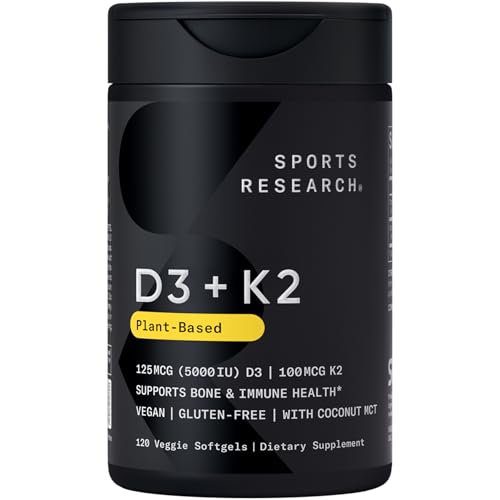
Sports Research Vitamin D3 with K2 Softgels – Plant Based K2 & Vegan D3 5000iu with Coconut MCT Oil – Vegan Certified, Soy & Gluten Free – 120 Count
Vitamin D3 is discussed as beneficial for those with PCOS who have low levels, supporting insulin metabolism and androgen-related markers. This vegan D3 + K2 combo provides 5000 IU D3 with plant-based K2 in 120 softgels with coconut MCT oil. A clinical study found K2 improved depression status in PCOS patients.
The biggest supplement mistake in PCOS is not “choosing the wrong brand.” It’s choosing the right ingredient for the wrong problem, then changing five things at once so you can’t tell what worked. PCOS is heterogeneous – some people are primarily dealing with insulin resistance, others with inflammatory patterns, others with ovulatory dysfunction, and many with a mix.
A practical approach is to treat supplements like a structured experiment: define the goal, choose one or two tools, track outcomes, and reassess.
Step-by-step: a simple, trackable plan
- Pick one target outcome. Examples: more regular cycles, lower fasting insulin, improved triglycerides, reduced acne flare frequency.
- Choose one “core” supplement. Often inositol or vitamin D (if deficient).
- Set a time window. Usually 8 to 12 weeks for metabolic and cycle changes.
- Track 2 to 3 metrics.
- Cycle length, ovulation signs
- Fasting insulin or A1c (as ordered)
- Lipid panel
- Weight, waist, cravings, energy (weekly notes)
- Only then consider adding a second supplement if the goal isn’t met.
For readers who like structured combinations, our supplement stacking guide shows how to layer products without creating a confusing, expensive routine.
Safety checklist (visual)
Before starting, run through this list:
- Pregnancy or trying to conceive: confirm safety with your OB-GYN or fertility team.
- Medications: especially diabetes, blood pressure, antidepressants, anticoagulants. Berberine is a common interaction concern.
- Third-party testing: look for USP, NSF, Informed Choice, or similar verification.
- Dose realism: more capsules does not mean better results.
- Red-flag claims: any product claiming to “cure PCOS” is not credible.
Common misconceptions to drop now
- “One supplement works for everyone.” PCOS drivers differ. Your best option depends on labs and symptoms.
- “Supplements replace lifestyle.” Diet, movement, sleep, and stress support remain first-line.
- “Vitamin D fixes everything.” It can help when low, but it’s not a cure-all and can be toxic in excess.
- “Herbal blends are automatically better.” Many blends lack strong human data or clear dosing.
If fatigue is part of your PCOS picture, it’s worth checking iron status, sleep quality, and overall intake. You can also compare evidence-based options in our guide to supplements for energy and fatigue.
If you are stacking a few supplements for this, StackMyMed (our companion app) tracks what you actually take, schedules the best time for each one, and flags any combinations worth a second look.
Conclusion
The most useful PCOS supplements are the ones that match your main driver: insulin resistance, lipid issues, nutrient deficiencies, or fertility goals. Inositol has the strongest overall track record for metabolic and ovulatory support, while vitamin D (when deficient), omega-3s, chromium, berberine, and selected antioxidants can be appropriate based on labs and symptoms.
A smart next step is to choose one goal, trial one supplement for 8 to 12 weeks, and track a few measurable outcomes with your clinician. For deeper planning, explore our hormonal balance supplements and the nutrient interactions guide to build a routine that’s both effective and easy to maintain.
As an Amazon Associate, I earn from qualifying purchases. Product recommendations are based on real reviews and independent research.
