
Stress can feel like a constant background app running in your brain – draining focus, sleep, and patience. If you’re searching for the best supplements for stress, the most evidence-backed options tend to fall into a few categories: adaptogenic herbs that support the body’s stress response, amino acids that promote calm focus, and nutrients that help cover common gaps linked with mood and resilience. This guide breaks down what the research suggests, typical doses used in studies, and how to choose forms that actually absorb well – plus who should be cautious.
Affiliate disclosure: this article contains affiliate links. As an Amazon Associate, UsefulVitamins.com earns from qualifying purchases at no extra cost to you.
Summary / Quick Answer: Best Supplements for Stress (What Works Most Often)
The best supplements for stress (based on human research and real-world use) typically include:
- Ashwagandha extract: may reduce perceived stress and support healthy cortisol patterns
- L-theanine: may promote calm alertness without sedation
- Magnesium (well-absorbed forms): may help if stress and poor sleep are part of the picture
- Vitamin D: most helpful when levels are low or winter sun is limited
- Vitamin C: supports the stress response and antioxidant defenses
- B-complex (especially B6 and B12): may support mood in people with low intake
- Ginseng: may support stress resilience and fatigue
- Melatonin: best when stress is tied to trouble falling asleep
Quick rule: pick 1-2 supplements that match your main symptom (wired, worried, exhausted, or sleepless), then reassess after 4-8 weeks.
Best supplements for stress: what the science says (and who they help most)
When people say “stress,” they often mean one of four things: racing thoughts, physical tension, low mood, or burnout fatigue. The best results usually come from matching a supplement to the pattern you’re living with.
Many popular stress relief supplements work through one of these pathways:
- HPA axis support (your stress-response signaling system)
- Neurotransmitters like GABA, serotonin, and dopamine (mood and calm)
- Mineral and vitamin repletion (stress can increase nutrient turnover)
- Sleep support (because poor sleep makes stress feel louder)
Here’s a practical “match the supplement to the symptom” guide:
| If your stress feels like… | What to consider first | Why it may fit |
|---|---|---|
| “Wired but tired” | Ashwagandha, magnesium | May support cortisol rhythm and relaxation |
| “Tense and irritable” | Magnesium, L-theanine | May help muscle tension and calm focus |
| “Winter blues + stress” | Vitamin D | Most relevant if levels are low |
| “Run down, getting sick” | Vitamin C | Antioxidant support during stress load |
| “Mentally drained” | B-complex, ginseng | May support energy metabolism and resilience |
| “Can’t fall asleep” | Magnesium, melatonin | Sleep support can reduce next-day stress |
Ashwagandha has some of the clearest human evidence for stress. A randomized, placebo-controlled study found that a standardized extract (240 mg daily) was linked with improvements in stress measures and a reduction in morning cortisol over 60 days, as reported in a clinical trial indexed by PubMed. If you want a brand and form breakdown, see our guide to Best Ashwagandha Supplements.
Magnesium is another common “missing piece,” especially when stress shows up as tight muscles, restless sleep, or feeling on edge. For a deeper form-by-form comparison, read Best Magnesium for Anxiety.
Actionable takeaway: choose one primary goal (calm focus, lower tension, better sleep, or resilience) before buying anything. It prevents the common mistake of stacking too many products and not knowing what helped.
How key stress-relief supplements work (HPA axis, cortisol, and calming brain chemistry)
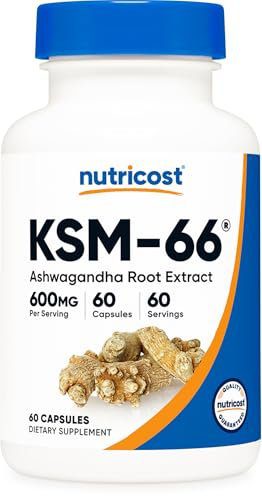
Nutricost KSM-66 Ashwagandha Root Extract 600mg, 60 Veggie Caps – 5% Withanolides – with BioPerine – Full-Spectrum Root Extract
Himalaya’s KSM-66 Ashwagandha 600mg (120 capsules) earns a solid 4.5-star rating from over 12,500 Amazon reviews, praised for stress reduction, better sleep, and energy support using the clinically studied KSM-66 extract. While most users see benefits within weeks, a minority report minimal effects or mild GI issues. Reddit communities largely endorse it as a reliable, affordable option for adaptogenic support, making it a strong affiliate recommendation at ~$19.
Stress isn’t only “in your head.” It’s a full-body signal. When your brain perceives pressure, it can activate the hypothalamic-pituitary-adrenal (HPA) axis, which influences cortisol and other stress mediators. Short-term activation is normal. The issue is when the signal stays “on” too long.
A simple way to think about it
Stress biology is like a smoke alarm:
- A little alarm is useful – it gets you moving.
- A constantly blaring alarm makes it hard to think, sleep, and recover.
Many anxiety supplements and calming vitamins aim to turn down that alarm or help your body recover faster after it rings.
The three most common supplement “targets”
Here’s what most evidence-backed options try to influence:
Cortisol patterns
- Adaptogens like ashwagandha and ginseng are often studied here.
- If cortisol feels like the driver, you might also like our guide to Supplements to Lower Cortisol.
Calming neurotransmitters
- L-theanine is known for supporting relaxed alertness.
- Magnesium plays a role in nervous system signaling and may support relaxation.
Stress-related nutrient depletion
- Vitamin C and B vitamins are heavily involved in stress physiology and energy metabolism.
- Vitamin D status can influence mood-related pathways, especially when deficient.
Quick “mechanism map” you can screenshot
- Ashwagandha: adaptogen; may support perceived stress and cortisol balance
- L-theanine: may increase alpha brain waves and support GABA-related calm
- Magnesium: supports nerve signaling and muscle relaxation
- Vitamin D: supports mood-related functions; most relevant if low
- Vitamin C: antioxidant; may support cortisol handling during stress
- B vitamins: cofactors for neurotransmitter and energy pathways
- Melatonin: sleep timing signal; helps when stress disrupts sleep onset
External credibility check: consumer health summaries can be useful for context, but it helps to anchor decisions to evidence-based references such as the NIH Office of Dietary Supplements for nutrient safety and dosing ranges.
Actionable takeaway: if your main issue is “I can’t come down at night,” prioritize sleep support first. If your main issue is “I overreact all day,” consider adaptogens or L-theanine before sedating options.
Evidence-backed supplement picks (doses used in studies + how to choose forms)
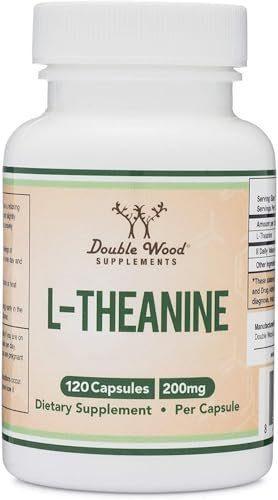
L-Theanine 200mg Double Strength – Supports Health Sleep Response and Relaxation – 120 Capsules (Third Party Tested, Gluten Free) by Double Wood
Double Wood’s L-Theanine 200mg (60 capsules) earns a solid 4.6/5 from over 12,400 Amazon reviews for delivering reliable relaxation and focus benefits, particularly when paired with caffeine, backed by positive Reddit sentiment in nootropics communities. At ~$20, it’s a cost-effective, high-purity option from a reputable brand, ideal for stress management though newcomers may need to start low to avoid initial side effects.
This section answers the question most people actually mean: “What should I take, and how much?”
Below are the best-researched options from the expert draft, rewritten into a practical buying and dosing guide. Doses vary by product and extract, so treat these as ranges to discuss with a clinician, especially if you take medications or have a health condition.
Ashwagandha (Withania somnifera)
Ashwagandha is an adaptogenic herb used traditionally for stress. Modern trials suggest it may reduce perceived stress and support healthier cortisol patterns in some people.
- Common studied dose: 240-600 mg/day of a standardized extract
- Best for: “wired but tired,” high perceived stress, stress-related sleep issues
- What to look for: standardized withanolides content, third-party testing
A placebo-controlled trial reported improvements in stress outcomes and lowered morning cortisol with 240 mg daily over 60 days, summarized in a PubMed-indexed randomized trial.
L-theanine
L-theanine is an amino acid found in green tea. People often describe it as “calm focus,” not sedation.
- Common dose: 100-200 mg, 1-2 times daily
- Best for: performance stress, rumination, caffeine jitters
- What to look for: “L-theanine” (sometimes labeled as Suntheanine)
A small human study suggested L-theanine intake may support relaxation under stress, discussed in a Medical News Today evidence overview. (Note: media summaries are not the same as a systematic review, but they can point you toward the underlying studies.)
Magnesium (choose the form on purpose)
Magnesium is involved in hundreds of reactions, including nerve signaling and muscle relaxation. Stress and magnesium can become a loop: stress may increase magnesium loss, and low magnesium can make stress feel worse.
- Common supplemental dose: 100-300 mg/day elemental magnesium (varies by form)
- Best for: muscle tension, poor sleep, stress-related headaches, PMS-related mood changes
- What to look for: magnesium glycinate, citrate, or taurate are common well-tolerated options
If sleep is part of your stress picture, pair this with our guide to a Magnesium Supplement for Sleep.
Vitamin D
Vitamin D is most helpful when levels are low, which is common in winter or with limited sun exposure.
- Common supplemental dose: often 1,000-2,000 IU/day, but needs vary
- Best for: low mood with low sun exposure, confirmed deficiency
- What to do first: consider a blood test (25(OH)D) before high dosing
A trial in adults taking 1,600 IU daily through winter reported more stable vitamin D levels and differences in stress response versus placebo, as summarized in a Medical News Today research roundup.
Vitamin C
Vitamin C supports antioxidant defenses and is used quickly during physiological stress.
- Common dose: 250-1,000 mg/day (often split)
- Best for: feeling run down, high physical stress loads
- What to look for: buffered forms if sensitive stomach
B-complex (B6 and B12 in particular)
B vitamins support energy metabolism and neurotransmitter pathways. They may be more noticeable in people with low intake, restrictive diets, or absorption issues.
- Common approach: a balanced B-complex (not mega-dose)
- Best for: fatigue + low dietary intake, high work stress
- What to do first: if symptoms are significant, consider checking B12 with a clinician
A study in nurses found lower B6 and B12 intake was associated with higher likelihood of emotional and mental health issues, summarized in a Medical News Today evidence review.
Actionable takeaway: if you’re unsure where to start, pick ashwagandha or L-theanine for mental stress, and magnesium if stress shows up physically or disrupts sleep.
Safety, interactions, and common mistakes (so you don’t waste money or feel worse)
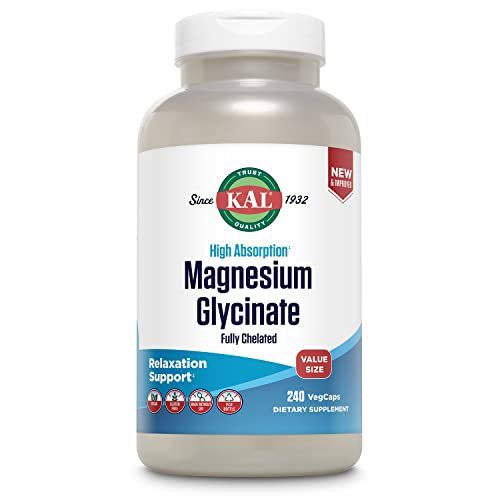
KAL Magnesium Glycinate, New & Improved Fully Chelated High Absorption Formula with BioPerine, Bisglycinate Chelate for Stress, Relaxation, Muscle & Bone Health Support, 60 Servings, 240 VegCaps
KAL Magnesium Glycinate 400mg (180 tablets) earns a solid 4.6-star rating from over 12,500 Amazon reviews, with users frequently praising its high bioavailability, sleep benefits, and gentle digestion compared to other magnesium types. At around $19.99, it offers excellent value, though large tablets are a common gripe; Reddit communities like r/supplements echo this positivity for relaxation without third-party testing noted.
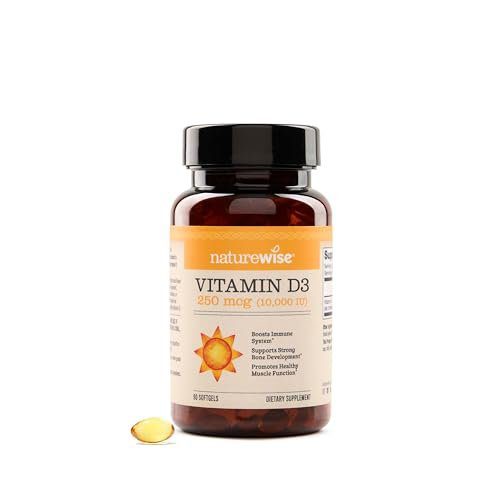
NatureWise Vitamin D3 10,000IU (250 mcg) 90-Day Supply – High Potency for Healthy Immune Support & Muscle Function, Non-GMO, Gluten-Free in Organic Extra Virgin Olive Oil, (Mini Softgel), 90 Count
NatureWise Vitamin D3 5000 IU (B07D2KTMYJ) earns strong 4.6 stars from 12,400+ Amazon reviews for its effective high-dose formula with coconut oil for better absorption. Redditors in r/supplements consistently recommend it as a reliable, cost-effective option for deficiency correction. ConsumerLab testing confirms quality, making this a solid affiliate pick at $18.99 for 120 softgels.
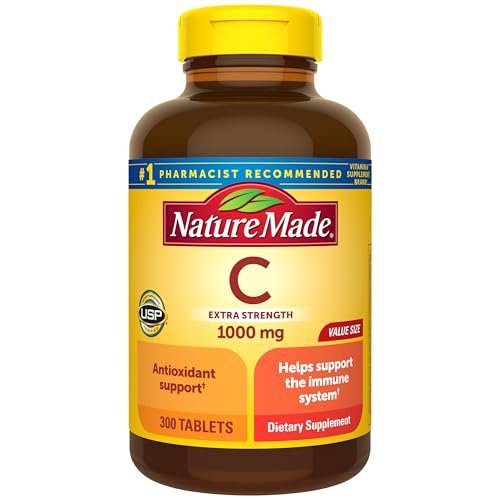
Nature Made Vitamin C 1000 mg Extra Strength, Dietary Supplement for Immune Support, 300 Tablets, 300 Day Supply
Nature Made Vitamin C 1000 mg Extra Strength delivers 1,000 mg per tablet in a 300-tablet, year-long supply with USP verification and no artificial flavors, colors, or preservatives; it’s formulated to support immune health and collagen production, though some users report stomach upset if taken without food.
The biggest problem with natural stress management supplements isn’t that they “don’t work.” It’s that people choose the wrong tool, take too much, or ignore interactions.
Common mistake #1: expecting supplements to replace basics
Supplements can be supportive, but they rarely outperform foundational habits:
- consistent sleep and wake times
- daily movement (even 20 minutes helps)
- protein and fiber at meals
- caffeine timing (avoid late-day)
If you do nothing else, protect sleep. Even a great supplement can’t fully compensate for four hours a night.
Common mistake #2: assuming all forms are the same
This matters most for magnesium. Many people buy the cheapest form, then quit because of stomach upset or no results. Form and dose determine tolerability and outcomes.
Use this quick checklist:
- If your stomach is sensitive: consider glycinate
- If constipation is present: citrate may help (but can loosen stools)
- If sleep is the main issue: choose a form you tolerate and take it in the evening
You can compare options in Best Magnesium for Anxiety.
Common mistake #3: stacking too many “calming” products
Combining multiple sedating ingredients can backfire, especially with sleep aids.
Be careful when combining:
- melatonin + sedating herbs
- magnesium + sleep medications
- multiple products containing the same ingredient (like B6)
Who should talk to a clinician first
If any of these apply, get personalized guidance:
- pregnancy or breastfeeding
- thyroid disease (ashwagandha may not be appropriate for everyone)
- autoimmune conditions
- antidepressants, sedatives, blood pressure meds, or blood thinners
- persistent anxiety, panic symptoms, or depression
For melatonin specifically, it’s best used as a sleep-timing tool, not a nightly “knockout.” If stress is keeping you awake, consider magnesium first, then melatonin for short periods when needed.
A quick “buying quality” checklist
- third-party testing (USP, NSF, Informed Choice, or similar)
- clear labeling of extract standardization (for herbs)
- realistic dosing (not proprietary blends that hide amounts)
If you’re also curious about non-vitamin options, some people explore functional mushrooms for stress resilience. Here’s our evidence-focused roundup of the Best Mushroom for Anxiety.
Actionable takeaway: start low, change one variable at a time, and track sleep, mood, and tension for two weeks. That’s how you learn what truly helps you.

If you are stacking a few supplements for this, StackMyMed (our companion app) tracks what you actually take, schedules the best time for each one, and flags any combinations worth a second look.
Conclusion: a practical way to choose your next step
The best supplements for stress are the ones that match your symptoms, fit your health history, and use forms your body can actually absorb. For many people, that means starting with ashwagandha for high perceived stress, L-theanine for calm focus, and magnesium when stress shows up as tension or poor sleep. Vitamins like D, C, and B-complex can be valuable when intake or blood levels are low, and melatonin is most useful when stress disrupts sleep timing.
Next step: pick one goal (calmer days or better nights), choose one supplement, and reassess after 4-8 weeks. If cortisol-related symptoms are your main concern, continue with Supplements to Lower Cortisol. If sleep is the weak link, start with Magnesium Supplement for Sleep to build a simple, sustainable routine.
As an Amazon Associate, I earn from qualifying purchases. Product recommendations are based on real reviews and independent research.
