

Affiliate disclosure: this article contains affiliate links. As an Amazon Associate, UsefulVitamins.com earns from qualifying purchases at no extra cost to you.
If you're searching for the best supplements for menstrual cramps, you're probably tired of the same answer (just take ibuprofen) and wondering whether anything in the supplement aisle does something at a physiologic level.
Quick Answer: which supplements are worth trying first
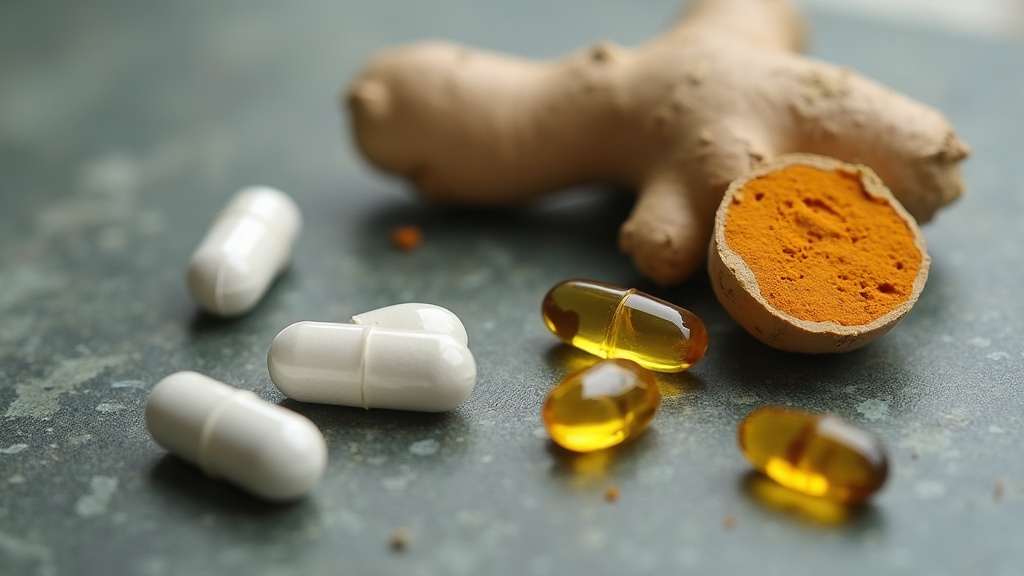
Start with magnesium glycinate, EPA-dominant omega-3, and either ginger or thiamine (B1) depending on whether you want acute relief or a daily prevention layer. That short stack has the most consistent evidence and the cleanest safety profile when used as an adjunct to NSAIDs.
- Magnesium glycinate, 250 to 400 mg/day, starting the day before menses and continuing through the first 2 to 3 days of bleeding. Smooth-muscle calcium-channel modulation; modest but replicated RCT signal.
- EPA-dominant omega-3, 1,000 to 2,000 mg combined EPA + DHA/day for at least 2 cycles. Shifts prostaglandin synthesis away from inflammatory PGE2.
- Ginger 250 mg four times daily for the first 3 days of menses, OR thiamine 100 mg/day as a daily preventive (Gokhale's 1996 RCT in adolescents is the largest single trial here).
Who should NOT start here: anyone whose pain interferes with work, school, or sleep, anyone with new-onset cramps after years of comfortable periods, anyone with deep dyspareunia or dyschezia, and anyone whose pain worsens cycle over cycle. Those are signals for a gynecology workup to rule out endometriosis, adenomyosis, or fibroids, not a longer supplement list.
Standard of care for primary dysmenorrhea per the ACOG Committee Opinion on dysmenorrhea is a scheduled NSAID (ibuprofen, naproxen, or mefenamic acid) started at first sign of cramping and continued for 2 to 3 days, with combined oral contraceptives as second-line. Supplements layer on top. They do not replace it.
What menstrual cramps actually are, briefly
Menstrual cramps fall into two categories, and the distinction matters more than almost any other detail in this article. Primary dysmenorrhea is cramping in the absence of underlying pelvic pathology. It usually begins within 6 to 12 months of menarche, peaks on day 1 of menses, and is driven by prostaglandin-mediated uterine contractions. Secondary dysmenorrhea is cramping caused by an identifiable pelvic condition: endometriosis (by far the most common), adenomyosis, fibroids, ovarian cysts, or pelvic inflammatory disease. It usually starts later, tends to worsen over time, and often comes with non-menstrual pelvic pain, deep dyspareunia, dyschezia, or infertility.
This article is about primary dysmenorrhea. If your story sounds like secondary dysmenorrhea, the conversation is a pelvic exam, transvaginal ultrasound, and gynecology referral, not a supplement. Diagnostic delay for endometriosis still averages 7 to 10 years, mostly because it's treated as "bad periods."
Mechanistically, primary dysmenorrhea is a prostaglandin story. After ovulation, progesterone falls; the endometrium upregulates COX-2; this drives PGF2-alpha and PGE2 synthesis, which cause uterine smooth-muscle contraction, myometrial vasoconstriction, and local ischemia. NSAIDs block COX-1/COX-2 directly, which is why ibuprofen and naproxen work as well as they do. Supplements that earn shelf space either modulate calcium-channel-mediated smooth-muscle contraction (magnesium), shift the substrate pool away from arachidonic acid toward EPA (omega-3), or reduce upstream inflammation and oxidative stress (ginger, thiamine, vitamin E, Pycnogenol).
The supplements with the strongest evidence

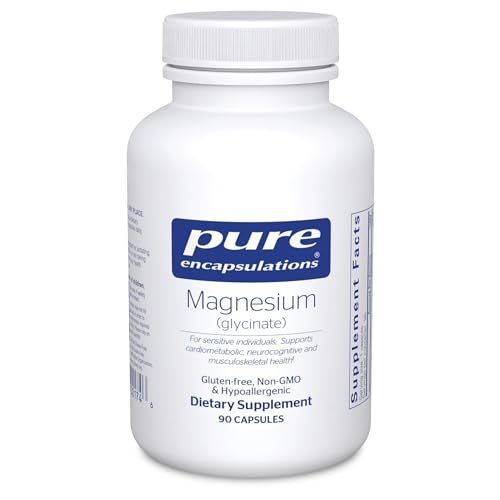
Magnesium glycinate (250 to 400 mg/day from day before menses through day 2 or 3)
Why it helps. Magnesium is a physiologic calcium-channel modulator. Smooth-muscle contraction depends on intracellular calcium flux; magnesium competes with calcium at the smooth-muscle level, reduces excitability, and lowers prostaglandin synthesis upstream. The uterus during dysmenorrhea looks like a muscle in tetanic contraction, and magnesium is the mineral that consistently relaxes that.
What the trials show. The Proctor and Murphy 2001 Cochrane review of herbal and dietary therapies for dysmenorrhea pooled three placebo-controlled RCTs of magnesium for primary dysmenorrhea and reported reduced pain and reduced NSAID use. Effect sizes were modest, direction consistent, safety clean. Trials used 200 to 360 mg/day, started one or two days before menses through day 2 or 3.
Dose used in trials. 200 to 400 mg/day elemental magnesium, started the day before menses through day 2 or 3 of bleeding. For most adults I aim at 300 mg/day of glycinate during the active window. Traditional naturopathic dosing often suggested 400 to 600 mg/day continuously; RCT data don't show added benefit at the higher end and GI tolerability worsens.
Form to look for. Magnesium glycinate (bisglycinate) or magnesium citrate. Skip magnesium oxide; it's poorly absorbed and largely functions as a laxative. The NIH ODS magnesium fact sheet covers bioavailability differences between salts.
Skip if. You have advanced chronic kidney disease (eGFR under 30), where supplemental magnesium can accumulate.
Actionable takeaway: if you start one supplement for primary dysmenorrhea, magnesium glycinate at 300 mg/day in the late-luteal-into-early-menstrual window is the entry point with the best signal-to-side-effect ratio.
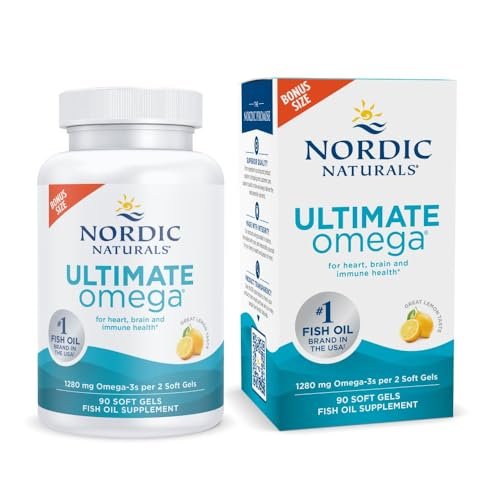
EPA-dominant omega-3 (1,000 to 2,000 mg combined EPA + DHA/day)
Why it helps. Omega-3 fatty acids compete with arachidonic acid for COX-2, shifting prostaglandin synthesis away from inflammatory PGE2 and PGF2-alpha toward less inflammatory PGE3 and PGF3-alpha. In a fully prostaglandin-driven pain mechanism, the mechanism is unusually coherent.
What the trials show. A crossover RCT by Harel et al. (n=42 adolescents) compared 1,080 mg EPA + 720 mg DHA + 1.5 mg vitamin E daily for 2 months against placebo and reported significant reductions in self-rated pain during the omega-3 phase. Smaller subsequent trials in adolescents and young adults have replicated the direction of effect.
Dose used in trials. 1,000 to 1,800 mg/day combined EPA + DHA, daily, for at least 2 cycles before judging effect. The mechanism is not acute; you're shifting membrane phospholipid composition, which takes weeks.
Form to look for. Triglyceride-form fish oil, third-party tested for oxidation (TOTOX) and heavy metals. IFOS-certified is the cleanest marker. Algal oil is a clean vegan alternative; match total EPA + DHA.
Skip if. You're on therapeutic-dose anticoagulation; at 2,000+ mg/day omega-3 can mildly extend bleeding time.
Thiamine (vitamin B1, 100 mg/day continuously)
Why it helps. Less mechanistically clean than magnesium or omega-3. Hypotheses include normalization of pyruvate metabolism in smooth muscle and reduction of lactate accumulation in ischemic myometrium; the human signal predates a confident mechanism.
What the trials show. This is the supplement with the largest single RCT in primary dysmenorrhea. Gokhale's 1996 trial in Indian adolescents (n=556) randomized girls with moderate-to-severe primary dysmenorrhea to 100 mg thiamine daily for 90 days vs placebo and reported that 87 percent of the thiamine group were pain-free at 60 days vs effectively zero in the placebo arm. The effect size was unusually large. Not independently replicated at scale, but it remains one of the largest single RCTs in this space, and thiamine at 100 mg/day has a clean safety profile.
Dose used in trials. 100 mg/day thiamine HCl or mononitrate, continuous, with effect emerging at 60 to 90 days. Traditional B-complex dosing typically delivers 50 to 100 mg B1; the Gokhale dose sits inside the standard B-complex range.
Form to look for. Plain thiamine HCl or mononitrate. Benfotiamine (a fat-soluble derivative) is more expensive and not what the trial used.
Skip if. No major contraindications at 100 mg/day. Pregnancy or nursing: consult your OBGYN before adding any supplement.
Actionable takeaway: if you're an adolescent or young adult with moderate-to-severe primary dysmenorrhea and want a daily preventive layer with a clean safety profile, thiamine 100 mg/day is the cheapest reasonable bet on the shelf.
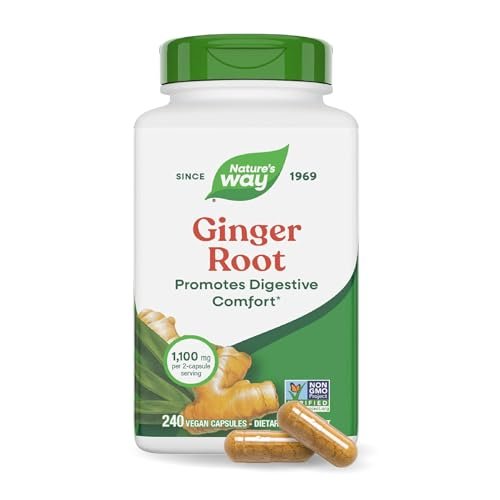
Ginger (250 mg four times daily for the first 3 days of menses)
Why it helps. Gingerols and shogaols inhibit COX-2 and lipoxygenase, dampening prostaglandin and leukotriene synthesis at the source. Ginger is the closest botanical analog to a low-dose NSAID for menstrual cramps.
What the trials show. Multiple small RCTs converge. Ozgoli et al. 2009 (n=150) randomized students with primary dysmenorrhea to ginger 250 mg QID vs mefenamic acid 250 mg QID vs ibuprofen 400 mg TID for the first 3 days of menses and reported no significant difference between groups for pain relief; ginger performed comparably to the NSAIDs. Rahnama et al. 2012 and Khayat et al. 2014 reported similar signals at the same dose. Traditional dosing in TCM and Ayurveda uses fresh ginger root as a tea or decoction; the RCT-tested intervention is a 250 mg dried ginger root powder capsule four times daily. These aren't the same intervention.
Dose used in trials. 250 mg dried ginger root powder, four times daily, for the first 3 days of menses. Start at the onset of bleeding.
Form to look for. Standardized ginger root powder capsules. Fresh ginger tea is reasonable comfort but not the trial-tested intervention.
Skip if. You're on warfarin, apixaban, rivaroxaban, or daily aspirin. The Drugs.com ginger interaction monograph flags additive antiplatelet and anticoagulant effect. Stop ginger 1 to 2 weeks before any planned surgery.
Supplements with moderate evidence
Vitamin E (400 to 500 IU during luteal phase + first 3 days menses)
Ziaei et al. 2001 (n=278) randomized women with primary dysmenorrhea to vitamin E 500 IU/day vs placebo (2 days before menses through day 3 of bleeding) and reported reduced pain severity and duration over 2 to 4 cycles. Mechanism is presumed antioxidant and anti-inflammatory via phospholipase A2 inhibition. Not widely replicated at this dose.
- Dose: 400 to 500 IU/day, started 2 days before menses through day 3 of bleeding
- Form: mixed natural tocopherols (d-alpha) over synthetic dl-alpha
- Skip if: on warfarin or other anticoagulants; surgery within 2 weeks
Pycnogenol (60 mg/day continuously)
Suzuki et al. 2008 (n=116) reported reduced menstrual pain and reduced NSAID use over multiple cycles with Pycnogenol (French maritime pine bark extract) at 30 mg twice daily. Trials are small but consistent; safety is clean. Cost-per-cycle is higher than magnesium or thiamine, which is why it sits at the moderate-evidence tier.
- Dose: 60 mg/day, continuous, for at least 2 cycles
- Form: standardized OPC extract, branded Pycnogenol or equivalent
- Skip if: on immunosuppressants without clinician sign-off
Curcumin (500 to 1,000 mg/day, bioavailable formulation)
Small RCTs show modest pain reductions with curcumin (phytosomal or piperine-enhanced) at 500 to 1,000 mg/day. Mechanism (NF-kB suppression, COX-2 inhibition) overlaps the prostaglandin story. Curcumin is an adjunct, not a primary intervention. Skip if on warfarin or apixaban per Drugs.com curcumin monograph, or with active gallbladder disease.
Popular but evidence-thin
Vitex agnus-castus (chasteberry)
Vitex is heavily marketed for "any cycle problem" and has reasonable evidence for PMS, especially mastalgia and mood symptoms, but its evidence for cramp pain specifically is thin. A 2019 RCT by Pakniat et al. and earlier work suggest PMS symptom improvement; the cramp-pain signal is much weaker.
Mechanistically, vitex acts on dopamine D2 receptors and indirectly reduces prolactin. That makes it the wrong tool for prostaglandin-driven cramping, and a real interaction risk on dopamine-active medications. The Drugs.com vitex interaction summary notes interaction with dopamine agonists (bromocriptine, cabergoline, ropinirole, pramipexole) and dopamine antagonists (antipsychotics, metoclopramide). Do not take vitex on any of those without your prescriber in the loop. For predominantly PMS symptoms with secondary cramping, vitex may be worth trying at 20 to 40 mg/day standardized extract; for cramp pain, magnesium, omega-3, or ginger are better bets.
Fennel
Small trials show fennel essential oil and fennel extract reducing menstrual pain modestly. The evidence is preliminary and products are highly variable. Traditional use as a tea is reasonable comfort; capsule supplementation is not where I'd spend.
What to look for when buying
A few decision filters cover most of the shelf:
- Form first. Magnesium glycinate or citrate, not oxide. Triglyceride-form fish oil, third-party tested for oxidation. Standardized ginger root powder capsules, not ginger flavor. Standardized OPC extract for Pycnogenol.
- Dose matches the trial range. 250 to 400 mg/day magnesium in the late-luteal window. 1,000 to 2,000 mg/day combined EPA + DHA. 100 mg/day thiamine. 1,000 mg ginger root across 4 doses on bleeding days.
- Third-party verified. USP Verified or NSF Certified; ConsumerLab Approved where you can check.
- No "menstrual relief blends" with hidden doses. If a product lists 12 botanicals without per-ingredient milligrams, the formulator is selling vibes.
The real question isn't which "PMS support" formula has the prettiest label, it's whether the milligrams in the bottle match the milligrams in the trial that earned the supplement its place.
When supplements are not enough
This is the most important paragraph in the article. If any of the following are true, you need a gynecology workup, not a longer supplement protocol:
- Cramping severe enough that you regularly miss work, school, or sleep despite scheduled NSAIDs
- New-onset menstrual pain after years of comfortable periods, or pain progressively worsening cycle over cycle
- Pelvic pain at non-menstrual times of the month
- Deep pain with intercourse (dyspareunia) or with bowel movements (dyschezia)
- Heavy bleeding (soaking a pad or tampon every hour for several hours, passing large clots)
- Infertility after 6 to 12 months of attempted conception
- Cramping with fever, vaginal discharge, or pain on urination
These are signals for a pelvic exam, transvaginal ultrasound, and a frank conversation about endometriosis, adenomyosis, fibroids, or pelvic inflammatory disease. Per ACOG, persistent dysmenorrhea unresponsive to NSAIDs and combined oral contraceptives should prompt evaluation for endometriosis. For adjuncts in confirmed endometriosis, see our best supplements for endometriosis breakdown. If cramps overlap with poor sleep and you're considering magnesium glycinate for both, our best magnesium for sleep guide covers the form question.
FAQ
How fast does magnesium work for cramps?
Most trials dose magnesium starting the day before expected menses, with effect noted on day 1 and day 2 of bleeding. It is not acute relief like an NSAID. Plan to use it cyclically for at least 2 cycles before judging effect.
Can I take ginger and ibuprofen together?
In usual doses for short courses, no major interaction. If you're on chronic NSAIDs or any anticoagulant, talk to a clinician first per the Drugs.com ginger monograph.
Does vitex help with cramps or only PMS?
The evidence supports vitex more for PMS symptoms (breast tenderness, mood, bloating) than for cramp pain. If cramps are your primary complaint, magnesium and omega-3 are better supported.
Should adolescents use these supplements?
The thiamine and omega-3 trials were run in adolescents; magnesium and ginger have adolescent data too. For anyone under 18 with significant dysmenorrhea, an OBGYN or pediatrician should be in the loop; new-onset severe pain still needs an endometriosis-ruled-out conversation.
Can supplements replace birth control pills for cramp control?
For mild-to-moderate primary dysmenorrhea responsive to NSAIDs, supplements can be enough adjunct that combined oral contraceptives aren't necessary. For moderate-to-severe or NSAID-unresponsive pain, hormonal suppression is worth discussing with your OBGYN; supplements layer on top, not in place of.
Conclusion: the bottom line on best supplements for menstrual cramps
For primary dysmenorrhea, the strongest trial signal sits on a short stack: magnesium glycinate 250 to 400 mg/day in the late-luteal window, EPA-dominant omega-3 at 1,000 to 2,000 mg/day combined EPA + DHA daily, and either ginger 250 mg four times daily on bleeding days or thiamine 100 mg/day as a daily preventive. Vitamin E, Pycnogenol, and curcumin are reasonable adjuncts at the moderate-evidence tier. Vitex earns its place for PMS, not for cramps, and brings real medication-interaction concerns. None of these replace NSAIDs as first-line standard of care, and none substitute for a gynecology workup if your pain is severe, progressive, or accompanied by the secondary-dysmenorrhea signals above.
Next steps:
- Try one supplement at a time, for at least 2 cycles, so you can tell what's actually working. Magnesium glycinate is the cleanest first step.
- If your cramps are severe enough to disrupt work, school, or sleep, book a gynecology visit to discuss endometriosis, adenomyosis, and fibroid workup; do not delay a workup because supplements are "helping a bit."
- Read how we review supplements for the framework behind these picks, and see Jonathan Reynolds' author page for related botanical and naturopathic coverage.
Reviewed by Jonathan Reynolds, ND, focused on botanical and naturopathic protocols.
This article is for informational purposes and not medical advice. Supplements can interact with medications and health conditions. Consult a licensed physician before starting any supplement, particularly if you are pregnant, nursing, taking prescription medications, on anticoagulants, or managing a chronic condition like kidney disease.
Top picks on Amazon
As an Amazon Associate, I earn from qualifying purchases. Product recommendations are based on real reviews and independent research.
