
Affiliate disclosure: this article contains affiliate links. As an Amazon Associate, UsefulVitamins.com earns from qualifying purchases at no extra cost to you.
If you're searching for the best supplements for hikers and climbers, you're probably planning a trip above tree line, prepping for a multi-day expedition, or trying to figure out which capsules are worth the pack weight on a 14er attempt.
Quick Answer: which supplements actually help climbers and hikers?
For most healthy adult hikers and climbers, the high-evidence wins are sodium and carbohydrate during long days, caffeine for early starts, iron only if a blood test shows deficiency, and ibuprofen as a prophylactic for acute mountain sickness when ascent rules are violated. Magnesium and omega-3 are sensible adjuncts. Acetazolamide, the actual gold standard for altitude prevention, is a prescription drug and not a supplement at all.
- Best for: weekend hikers building toward longer trips, climbers planning ascents above 2,500 m, expedition athletes with documented iron deficiency, multi-day trekkers in hot or arid terrain.
- Not ideal for: people skipping a graded ascent profile and hoping a pill will substitute; anyone supplementing iron without a ferritin and CBC; hikers on warfarin or other anticoagulants considering ginkgo without clinician sign-off.
- What to do FIRST: plan a sleeping-elevation profile that gains no more than 500 m per day above 3,000 m, with a rest day every 1,000 m; book a sports physical that includes a CBC, ferritin, and 25-hydroxyvitamin D; nail your sodium and carbohydrate intake on long training hikes; and talk to a travel-medicine clinician about acetazolamide before any planned ascent above 3,500 m.
What altitude and trail load actually do to the body
Hiking and climbing are two stresses stacked on top of each other. The first is long-duration aerobic work, often with a loaded pack, that depletes glycogen, strips sodium through sweat, and grinds knee cartilage on descent. The second, on any trip above roughly 2,500 m, is hypobaric hypoxia: lower atmospheric pressure means lower arterial oxygen saturation, which triggers hyperventilation, fluid shifts, and a measurable bump in oxidative stress.
The standard of care for altitude is set by the Wilderness Medical Society Clinical Practice Guidelines for the Prevention and Treatment of Acute Altitude Illness, updated in 2019. The guidelines define three altitude syndromes: acute mountain sickness (AMS), with headache, nausea, fatigue and dizziness; high-altitude pulmonary edema (HAPE); and high-altitude cerebral edema (HACE). They give an ascent-rate rule (above 3,000 m, sleeping elevation should not increase more than 500 m per night, with a rest day every 1,000 m), recommend acetazolamide 125 mg twice daily starting the day before ascent for at-risk profiles, and direct that severe AMS, HAPE, or HACE be treated with immediate descent. A Low et al. 2012 meta-analysis found acetazolamide cut AMS incidence by roughly half across trials. No supplement comes close to that effect size.
Iron deserves a flag for endurance hikers and climbers. Foot-strike hemolysis, multi-day sweat losses, post-exercise hepcidin elevation, and the accelerated erythropoiesis that altitude triggers all increase iron turnover. The Sim et al. 2019 review recommends ferritin testing in endurance athletes and treats serum ferritin below 30 to 35 ng/mL as worth addressing. Iron-deficient climbers respond worse to altitude because hemoglobin synthesis is the body's main acclimatization tool. That is the screening evidence base, not a green light to dose iron blindly. Iron toxicity is real, hemochromatosis is real, and "every climber should take iron" is genuinely bad advice.
The supplements with the strongest evidence
Iron (only if ferritin documents deficiency)
Why it helps: Hemoglobin is the oxygen carrier, and at altitude the body upregulates red blood cell production to compensate for lower partial pressure of oxygen. Iron-deficient climbers cannot mount a normal erythropoietic response, which blunts acclimatization. Restoring deficient ferritin improves both endurance performance and altitude tolerance.
What the trials show: The Sim et al. 2019 review documented iron-deficiency prevalence of 15 to 35% in female and adolescent endurance athletes, and trials in deficient subjects show measurable improvements in submaximal endurance. Mountaineering observational data show low pre-ascent ferritin correlates with worse acclimatization in the first 72 hours at altitude.
Dose used in trials: 100 to 200 mg/day elemental iron as ferrous sulfate, gluconate, or bisglycinate, often every other day to improve absorption, taken with vitamin C and away from coffee or calcium, for 8 to 12 weeks, then retested.
Form to look for: ferrous bisglycinate is often better tolerated. Iron infusions are clinician-prescribed when oral iron fails or in severe deficiency.
Skip if: your ferritin is normal, you have hemochromatosis or any iron-overload state, you have not been tested, or you cannot commit to retesting. Iron toxicity is a leading cause of pediatric poisoning. Source: NIH ODS iron fact sheet and Drugs.com iron interactions.
Actionable takeaway: if you are planning anything above 3,000 m, ask your clinician for ferritin and a CBC during your pre-trip workup. Do not pre-emptively supplement iron without a number on a lab report.
Sodium and carbohydrate on the trail
Why it helps: For days that include more than 90 minutes of continuous movement with a pack, sweat sodium loss and glycogen depletion are the two biggest performance limiters. At altitude the problem is sharper because appetite is suppressed and people eat less than they need. Bonking on a ridgeline is not just slow, it is dangerous.
What the trials show: The ACSM/AND/DC Joint Position Stand on Nutrition and Athletic Performance recommends 60 to 90 g/hr of carbohydrate for efforts over 2.5 hours, and 300 to 800 mg sodium per liter of fluid, with the upper range (up to 1,500 mg/L) for heavy sweaters or hot conditions. Field data from multi-day expeditions show participants underfueling by 1,000 to 2,000 kcal/day at altitude.
Dose used in trials: 60 to 90 g carbohydrate per hour from gels, sports drink, chews, or trail food blends; sodium matched to sweat rate via electrolyte mix or salt capsules in hot conditions.
Form to look for: a fueling strategy tested on long training hikes. Forced eating on a schedule (every 30 to 45 minutes) works better than eating to appetite at altitude.
Skip if: you have a medical reason to restrict sodium without clinician sign-off.
Actionable takeaway: carry more food than you think you need above 3,000 m. Underfueling is the single most common mistake among recreational climbers.
Ibuprofen for AMS prevention
Why it helps: Ibuprofen has a small but real prevention effect on acute mountain sickness, plausibly through reduced cerebral inflammation and prostaglandin-mediated headache pathways. It is the only widely available over-the-counter agent with prospective RCT support for AMS prevention.
What the trials show: A Lipman et al. 2012 RCT randomized 86 hikers ascending in the White Mountains of California to ibuprofen 600 mg three times daily or placebo starting 6 hours before ascent. AMS incidence was 43% in the ibuprofen group versus 69% in placebo, an absolute risk reduction of 26 percentage points. The Wilderness Medical Society guidelines endorse ibuprofen as a reasonable second-line prophylactic when acetazolamide is unavailable, contraindicated, or refused.
Dose used in trials: 600 mg three times daily starting 6 hours before ascent, continued through the highest sleeping elevation.
Form to look for: standard ibuprofen, generic, taken with food.
Skip if: you have a history of peptic ulcer disease, NSAID-induced GI bleeding, chronic kidney disease, uncontrolled hypertension, are on anticoagulants, or are pregnant. Source: Drugs.com ibuprofen interactions. Ibuprofen is not a substitute for acetazolamide in high-risk profiles.
Actionable takeaway: ibuprofen is a real adjunct, not magic. For a planned ascent above 3,500 m with rapid sleeping-elevation gain, get acetazolamide from a travel-medicine clinician instead.
Supplements with moderate evidence (worth considering with caveats)
Caffeine
The Burke 2008 review summarized roughly 40 endurance trials and reported consistent 1 to 3% improvements in time-trial performance at 3 to 6 mg/kg taken 30 to 60 minutes before exercise. For an early alpine start, that is also a real cognitive benefit. Older "caffeine causes altitude dehydration" claims are not supported by the trial literature.
- Dose: 3 to 6 mg/kg, 30 to 60 minutes before exertion; coffee or anhydrous caffeine in a gel or chew
- Form: brewed coffee on a base-camp morning, or caffeine gel/chew for timing precision mid-route
- Skip if: you have arrhythmia, uncontrolled hypertension, stimulant-sensitive anxiety, or are pregnant (cap at 200 mg/day per obstetric guidance)
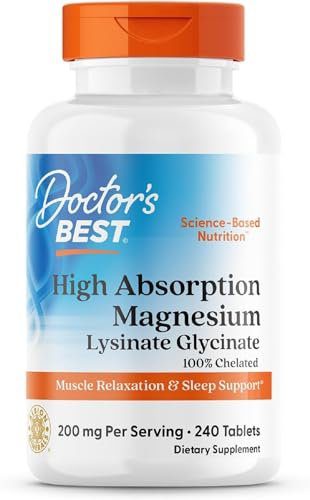
Magnesium
Magnesium supports neuromuscular function, and mild deficiency is common in heavy sweaters and long-day hikers. The trial signal for "preventing cramps" is weaker than the marketing suggests, but for hikers with low dietary intake, supplementation is a reasonable hedge.
- Dose: 200 to 400 mg/day of magnesium glycinate or citrate; avoid magnesium oxide (poorly absorbed, GI side effects)
- Form: magnesium glycinate for tolerability, taken in the evening
- Skip if: you have advanced kidney disease (magnesium is renally cleared). Source: NIH ODS magnesium fact sheet
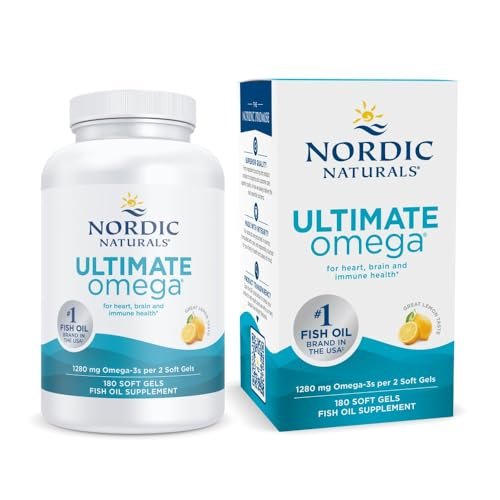
Omega-3 (EPA/DHA)
Omega-3 has modest evidence for reducing post-exercise inflammation and supporting cognitive function under stress. For multi-day expeditions where diet leans toward shelf-stable carbs and away from fatty fish, supplementation closes a real gap.
- Dose: 1 to 2 g/day combined EPA + DHA
- Form: triglyceride-form fish oil or algae oil for vegan hikers; third-party tested for oxidation
- Skip if: you are on warfarin or other anticoagulants without clinician sign-off
Vitamin D3
Vitamin D is a screening question, not a blanket supplement. The Owens et al. 2018 review found that winter-trained athletes above latitude 35 have elevated deficiency risk. Frank deficiency is associated with stress fracture risk, the relevant downside for heavy-pack trekkers loading the lower leg repeatedly.
- Dose: 1,000 to 2,000 IU D3/day in winter for most adults; correct frank deficiency under clinician guidance
- Form: cholecalciferol (D3) with a meal containing fat
- Skip if: your serum 25-hydroxyvitamin D is already 40+ ng/mL on labs
Tart cherry juice
Howatson et al. 2010 ran a marathon RCT showing that runners drinking tart Montmorency cherry juice twice daily for 5 days before and 2 days after the event recovered isometric strength faster and reported less muscle soreness. Translation to a multi-day backpacking trip is reasonable for descent recovery.
- Dose: 8 to 16 oz tart cherry juice or 480 mg concentrate, twice daily, for 4 to 7 days around hard efforts
- Form: Montmorency tart cherry juice or standardized concentrate
- Skip if: you are on warfarin or have brittle blood sugar
For endurance-specific dosing and form discussion that translates to multi-day trekking, see our best supplements for marathon training.
Popular but evidence-thin (skip, or treat as low-priority)
Ginkgo biloba is the most-marketed altitude supplement. Older trials showed mixed results; a well-controlled Gertsch et al. 2004 RCT compared ginkgo, acetazolamide, both, and placebo for AMS prevention on Mount Kilimanjaro, and found ginkgo no better than placebo while acetazolamide cut AMS incidence substantially. The Wilderness Medical Society does not recommend ginkgo. Ginkgo also has a documented interaction with warfarin and other anticoagulants, raising bleeding risk. Source: Drugs.com ginkgo interactions.
Beetroot juice / dietary nitrate at altitude has produced mixed results, with some trials showing reduced oxygen cost of submaximal exercise and others showing no benefit at hypobaric conditions. The sea-level signal does not cleanly translate to high altitude.
N-acetylcysteine (NAC) for altitude oxidative stress is an emerging idea. The Talbott et al. 2017 review summarized small trials showing NAC may modulate oxidative stress markers, but clinical outcome data on AMS and performance are limited. Worth watching, not worth packing.
Glucosamine and chondroitin for descent knee stress is widely marketed. The American College of Rheumatology 2019 Guideline conditionally recommends against glucosamine and chondroitin for knee osteoarthritis based on weak evidence. Address pack weight, trekking poles, and quad-strength training first.
What to look for when buying
The hard part is not picking a supplement, it is picking one that is what it says it is.
- Third-party testing: USP Verified, NSF Certified for Sport, or Informed Sport for athletes subject to drug testing.
- Form: ferrous bisglycinate for iron tolerance, magnesium glycinate or citrate (not oxide), triglyceride-form fish oil, cholecalciferol for D3.
- Red flags: proprietary blends without per-ingredient milligrams, "altitude miracle" claims, stimulant blends, brands flagged in FDA alerts.
- What to leave at home: anything bulky, anything you have not tested on a long training hike, and ginkgo if you are on a blood thinner.
When supplements are not enough
Stop self-treating and descend, or get to a clinician, for any of: severe headache unresponsive to NSAIDs and rest, vomiting that prevents fluid intake, ataxia or confusion (these may signal HACE), shortness of breath at rest or pink frothy sputum (these may signal HAPE), chest pain or syncope, a hard fall with possible head injury, or signs of a stress fracture. For severe AMS, HAPE, or HACE, the Wilderness Medical Society is explicit: descent is the definitive treatment. Pills do not substitute.
For a related endurance-load breakdown that translates to multi-day trekking, our best supplements for marathon training covers caffeine timing, iron, sodium, and tart cherry recovery in more detail.
FAQ
What is the single best supplement for altitude sickness prevention?
Acetazolamide is the gold standard, but it is a prescription drug, not a supplement. The Wilderness Medical Society recommends 125 mg twice daily starting the day before ascent for at-risk profiles, and a Low et al. 2012 meta-analysis shows it cuts AMS incidence by roughly half. If acetazolamide is unavailable, ibuprofen 600 mg three times daily has prospective RCT support.
Does ginkgo biloba actually prevent altitude sickness?
A well-controlled head-to-head against acetazolamide on Kilimanjaro found ginkgo no better than placebo. The Wilderness Medical Society does not recommend it. Ginkgo also interacts with warfarin and may increase bleeding risk.
Do I need iron just because I am going to altitude?
No. Iron should follow a ferritin and CBC, not a hunch. The Sim et al. 2019 review recommends periodic ferritin testing for endurance athletes and treats values below 30 to 35 ng/mL as worth addressing.
Should I take electrolyte tabs on a short day hike?
For hikes under 90 minutes in mild conditions, plain water is fine. For longer days, hot conditions, or heavy sweaters, electrolyte replacement matters. Hyponatremia from drinking large volumes of plain water on long efforts is a dangerous failure mode.
Conclusion: the bottom line on best supplements for hikers and climbers
The honest altitude list is short. Sodium and carbohydrate dialed in for any effort over 90 minutes, iron only if a ferritin and CBC say you need it, ibuprofen as a second-line AMS prophylactic for moderate-risk ascents, caffeine for an early alpine start, magnesium and omega-3 as sensible adjuncts, and vitamin D in winter. The gold standard for altitude prevention is a graded ascent profile plus, when indicated, prescription acetazolamide; that is the standard of care the Wilderness Medical Society recommends, and no supplement replaces it. Pills sit on top of a smart ascent plan and adequate fueling, not in place of either.
Next steps
- Plan a sleeping-elevation profile that gains no more than 500 m per night above 3,000 m, with a rest day every 1,000 m, and talk to a travel-medicine clinician about acetazolamide for any planned ascent above 3,500 m
- Get ferritin, CBC, and 25-hydroxyvitamin D on a pre-trip physical, and address deficiencies under clinician guidance before the trip starts
- Read how we review supplements for the editorial standards behind this list, or visit Michael Ward's author page for related guideline-grounded breakdowns
This article is for informational purposes and not medical advice. Supplements can interact with medications and chronic conditions, iron supplementation in particular requires laboratory confirmation of deficiency before dosing, and acute altitude illness is a medical emergency for which descent is the definitive treatment. Consult a licensed physician before starting any supplement, particularly if you are pregnant, nursing, taking prescription medications, managing a chronic condition, or planning an ascent above 3,500 m.
Reviewed by Michael Ward, MD MPH, Preventive Medicine, focused on guideline-based chronic disease management.
Top picks on Amazon
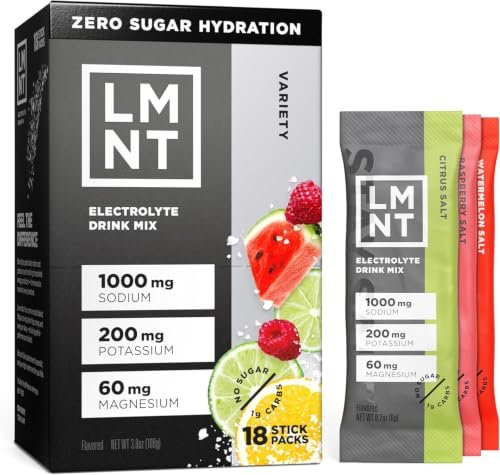
As an Amazon Associate, I earn from qualifying purchases. Product recommendations are based on real reviews and independent research.
