
Affiliate disclosure: this article contains affiliate links. As an Amazon Associate, UsefulVitamins.com earns from qualifying purchases at no extra cost to you.
Cold hands and feet are one of those complaints that sound trivial until you live with them through a whole winter. Most of the time they are harmless. But they are also a place where supplement marketing gets loud and the honest answer gets quiet, so this page does the opposite. You get three picks, graded by how good the evidence actually is, plus the no-cost habits that often help more than anything in a bottle.
Why your hands and feet run cold
Your body protects its core temperature first. When you are cold, stressed, or your circulation is sluggish, small arteries in the fingers and toes tighten and shunt warm blood toward your chest and brain. That peripheral vasoconstriction is exactly what leaves your extremities chilly while the rest of you feels fine.
The supplements below all aim at the same lever: helping those small vessels relax and stay open. Two of them work through nitric oxide, the signaling molecule that tells vessel walls to widen. One works by relaxing the smooth muscle in the vessel wall directly. None of them rebuild your circulatory system, and that distinction matters for setting expectations.
One more thing worth saying up front. Cold extremities can also be a downstream sign of something else – low iron, an underactive thyroid, Raynaud's, or narrowed arteries. Supplements do nothing for those root causes, and a couple of them can mask the very signal that should send you to a doctor. We come back to that.
The 3 supplements worth considering
Here is the honest ranking. The order reflects how much real human evidence sits behind each one, not how popular it is on shelves.


As an Amazon Associate, UsefulVitamins.com earns from qualifying purchases at no extra cost to you.
Some links on this page are affiliate links. If you buy through them we may earn a small commission, at no extra cost to you. It never changes our ranking.
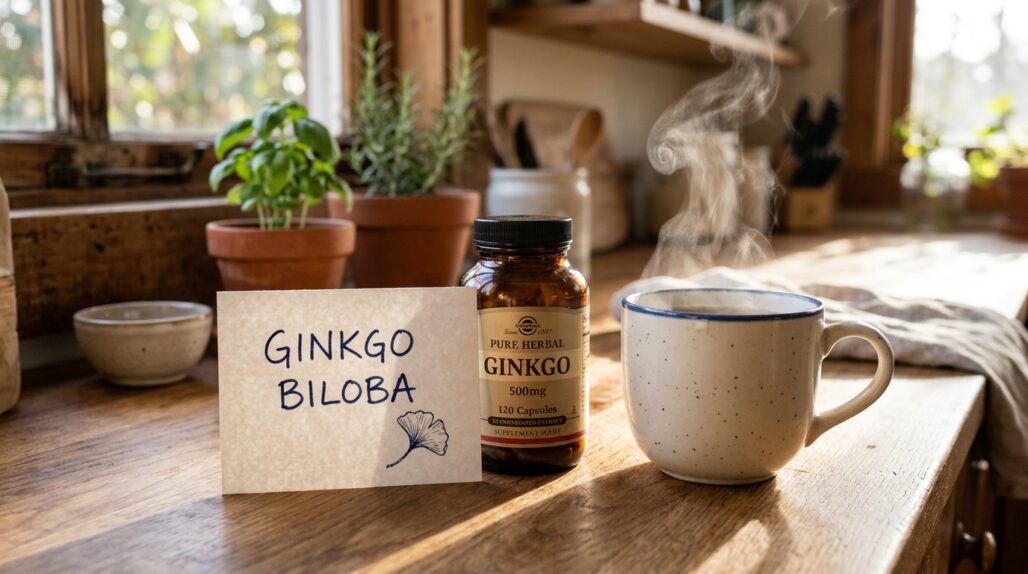
1. Ginkgo biloba – the only pick with a human trial behind it
Ginkgo extract improves blood flow in several small vascular beds and is the best-studied option here for cold-related symptoms. The headline evidence is a small double-blind, placebo-controlled trial in Raynaud's disease (22 people, 10 weeks). Weekly attacks fell about 57% on ginkgo versus 27% on placebo, a statistically significant edge.
Be fair about the limits, though. That trial was tiny, it was in people with Raynaud's rather than ordinary cold hands, and a later, larger study of a different ginkgo extract found no significant benefit. A head-to-head also put ginkgo well behind the prescription drug nifedipine. So the grade is: modest human evidence, helpful for some, not a sure thing.
Evidence grade: moderate human RCT data, but small and mixed.
Typical dose: 120-240mg per day of a standardized extract (24% flavone glycosides, 6% terpene lactones), often split into two doses, taken for at least 6-8 weeks before you judge it.
Best for: people whose cold fingers come with color changes or a Raynaud's-type pattern.
Ginkgo has a mild blood-thinning effect. Skip it if you take warfarin, apixaban, clopidogrel, or daily aspirin, and stop it a couple of weeks before any surgery. If you are weighing the bigger circulation picture, our guide to the best nitric oxide supplements is a useful companion read.
2. L-arginine – good theory, disappointing long-term trial
L-arginine is the raw material your body uses to make nitric oxide, the molecule that widens blood vessels. On paper that is a clean mechanism for cold extremities, and short-term studies do show it can boost peripheral blood flow.
The catch is what happened when researchers tested it properly over time. The NO-PAIN trial gave 3g a day for six months to people with poor leg circulation. Arginine levels in the blood went up, but walking distance and vascular function did not improve, and the authors flagged possible harm. That is a sobering result for anyone hoping a daily capsule fixes the problem.
So treat L-arginine as a reasonable experiment, not a proven answer. Some people notice warmer hands; the controlled data says do not count on lasting benefit.
Evidence grade: weak for sustained benefit; a long RCT found none.
Typical dose: 1,000-3,000mg per day on an empty stomach is the common range; higher amounts often cause loose stools and nausea.
Best for: people who want to trial the nitric-oxide angle and have no heart or blood-pressure complications.
L-arginine can lower blood pressure and may interact with blood-pressure or erectile-dysfunction medication, so clear it with your prescriber first. Anyone who has had a heart attack should avoid it.
3. Magnesium – the deficiency-correction pick
Magnesium relaxes the smooth muscle in your vessel walls by easing calcium out of the cells, which is why a NIH-hosted review on magnesium and vascular tone describes low magnesium as something that makes arteries clamp down harder and respond poorly to the signals that should open them. Top up a real shortfall and that reactivity can settle.
Be clear about what this is and is not. There is no quality trial showing magnesium pills warm up cold hands in people who already have enough. The honest case is narrower: if your diet is low in magnesium, correcting that removes one possible amplifier of vasoconstriction. Plenty of people are low without knowing it, so it is a low-risk thing to get right.
Evidence grade: mechanistic and deficiency-correction; no symptom-specific trial.
Typical dose: 200-400mg elemental magnesium daily, glycinate or citrate for gentle absorption. The NIH Office of Dietary Supplements sets the upper limit for supplemental magnesium at 350mg, and going over usually just causes diarrhea.
Best for: people with a low-magnesium diet, muscle cramps, or poor sleep alongside the cold hands.
If you have kidney disease, do not supplement magnesium without medical sign-off, since your body clears it less well. Our complete guide to magnesium breaks down which form suits which goal.

How the three picks compare
| Supplement | Evidence | Typical dose | Best for |
|---|---|---|---|
| Ginkgo biloba | Moderate but small, mixed human RCTs | 120-240mg standardized extract/day | Raynaud’s-type cold fingers with color change |
| L-arginine | Weak; long RCT showed no benefit | 1,000-3,000mg/day, empty stomach | Trialing the nitric-oxide route, no heart issues |
| Magnesium glycinate | Mechanistic; corrects a deficiency only | 200-400mg elemental/day | Low-magnesium diet, cramps, poor sleep too |
Where iron fits in
Low iron is a genuine and common cause of feeling cold, because you make less oxygen-carrying hemoglobin. But iron belongs in this conversation only when a blood test confirms you are low. Taking iron you do not need is not harmless: excess iron builds up and stresses the liver and gut. So test first, then supplement if the labs say so, and not before.
The free fix that often beats the bottle
If you do nothing else on this page, do these. They cost nothing and they target the actual problem – small vessels clamping down and warm blood not reaching the edges.
- Layer the core, not just the hands. Warming your torso tells the body it is safe to send blood back to fingers and toes. A warm hat and vest do more than gloves alone.
- Move every hour. Calf raises, a short walk, or even wiggling your fingers fires the muscle pump that pushes blood outward. Long stretches of sitting are the enemy.
- Quit nicotine. Smoking and vaping constrict small arteries directly and undo everything a supplement might do. This is the single highest-impact change for cold extremities.
- Manage stress. Stress triggers the same fight-or-flight vasoconstriction that cold does. Slow breathing genuinely warms the hands for some people.
- Try a warm-water soak. A few minutes of warm (not hot) water can reset a stubborn episode, especially before bed.
These are not consolation prizes. For everyday cold hands, they are often the most reliable thing you can do.
How this differs from Raynaud's
Ordinary cold extremities feel chilly and a bit pale. A Raynaud's attack is sharper and more dramatic: fingers or toes turn white, then blue, then flush red as blood returns, often with numbness or throbbing, and it is usually triggered by cold or stress. If that color sequence sounds like you, the management is different and worth its own read – see our page on the best supplements for Raynaud's. There is also overlap with fragile surface vessels, which we cover in the best supplements for spider veins guide.
When to see a doctor
This is the part supplement pages skip, so read it carefully. Persistently cold extremities can flag something that needs treatment, not capsules. Get checked if any of these apply.
- Coldness is one-sided, or one hand or foot is clearly colder than the other.
- Your fingers or toes change color – white, blue, or deep red – in a recurring pattern.
- You have numbness, persistent pain, or a sore or wound that will not heal on a hand or foot. The Cleveland Clinic treats non-healing sores on cold extremities as a reason to be seen promptly.
- Cold hands come with fatigue, weight change, hair thinning, or always feeling cold all over, which can point to an underactive thyroid or anemia.
- You also have cramping leg pain when you walk, a sign of narrowed arteries.
These deserve real testing – iron studies, thyroid panel, and a circulation check – not a guess from a label. And never start or stop a prescribed medicine on your own to chase this symptom.

FAQ
Do supplements actually warm up cold hands? Sometimes, modestly. Ginkgo has the best human evidence and it is still small and mixed. For everyday cold extremities, lifestyle changes usually do more than any pill.
How long before I know if a supplement is working? Give ginkgo or magnesium at least six to eight weeks of consistent use. If there is no change by then, it is probably not your answer.
Is L-arginine or magnesium better for circulation? Neither is a clear winner. L-arginine has a tidy mechanism but a failed long-term trial; magnesium only helps if you were low to begin with. Magnesium is the safer routine choice for most people.
Can I take all three together? Physically yes, but stacking is rarely the smart move. Ginkgo plus blood-thinning drugs is the main concern, and L-arginine can drop blood pressure. Run any combination past your pharmacist or doctor first.
Should I just take iron for cold hands? Only if a blood test shows you are low. Iron you do not need can build up and harm the liver and gut, so test before you supplement.
Are cold hands ever a sign of something serious? They can be. One-sided coldness, recurring color changes, numbness, or a non-healing sore all warrant a doctor’s visit rather than a supplement.
The bottom line
For ordinary cold hands and feet, ginkgo biloba is the pick with the strongest human evidence, but keep your hopes realistic – the data points to modest help in some people, not a cure. L-arginine looks good on paper and let people down in a long trial, and magnesium earns its place mainly by fixing a deficiency you may not know you have. Honestly, the layering, movement, and quitting nicotine will likely do more than any of them. And if your coldness is one-sided, comes with color changes, numbness, or a sore that will not heal, that is a doctor's appointment, not a supplement order.
This article is for general information and is not medical advice. Talk to a qualified clinician before starting any supplement, especially if you are pregnant, breastfeeding, take blood thinners or blood-pressure medication, or have a kidney or thyroid condition.
Reviewed by the UsefulVitamins Editorial Team.
