
Affiliate disclosure: this article contains affiliate links. As an Amazon Associate, UsefulVitamins.com earns from qualifying purchases at no extra cost to you.
Why you sweat more than the people around you
Sweating is how your body cools itself, so some of it is doing exactly what it should. The problem starts when the signal runs hot. Your sweat glands answer to the sympathetic nervous system through a chemical messenger called acetylcholine, and in some people that cholinergic signaling is simply turned up too high.
That overactive signal is the core of primary focal hyperhidrosis, the most common type. It usually shows up in the palms, soles, underarms, or face, often runs in families, and tends to start in childhood or the teens. There is no single fixable cause and no cure, which is the honest starting point for any supplement conversation.
Supplements work, when they work at all, by nudging the inputs to that system. Sage appears to act on the sweat glands themselves through mild anticholinergic compounds. Magnesium and B vitamins do not touch the gland directly; they may help by calming the stress and autonomic arousal that crank sweating up. That distinction matters, because it tells you what to expect.
What the evidence actually supports (and what it doesn't)
Here is the part most "natural antiperspirant" pages skip. The human evidence for sweating supplements is thin, and it is strongest for sage. Be clear-eyed about it.
Sage has small but real human trials behind it, mostly in menopausal and general sweating rather than classic palm-and-sole hyperhidrosis. Magnesium and B-complex are popular suggestions, but the direct evidence that either reduces sweating is weak. They earn a spot only as supporting players, and only for people whose sweating is clearly tied to stress or a genuine deficiency.
If your sweating is severe, soaking through clothes daily, the most effective non-prescription tool is not a capsule at all. It is a strong topical antiperspirant, covered in the free-fix section below.
The picks, compared
| Supplement | Evidence | Typical dose | Best for |
|---|---|---|---|
| Sage (Salvia officinalis) extract | Moderate human evidence (small RCT plus open trials), mostly menopausal and general sweating | About 300-440 mg dried extract daily, or 100 mg three times daily | General, stress, and menopause-linked sweating; worth a first trial |
| Magnesium glycinate | Weak and indirect; helps stress arousal, no direct anti-sweat trials | 200-400 mg elemental magnesium, evening | Sweating that flares with anxiety or poor sleep |
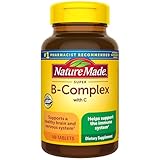
| B-complex (with B6, B12) | Weak; only relevant if a real B12 or thiamine shortfall is driving it | One balanced B-complex daily; keep B6 under 50 mg long term | People with confirmed or likely B-vitamin deficiency |


As an Amazon Associate, UsefulVitamins.com earns from qualifying purchases at no extra cost to you.
Some links on this page are affiliate links. If you buy through them we may earn a small commission, at no extra cost to you. It does not change our picks or our grading.
1. Sage (Salvia officinalis) – the top pick
Sage is the one supplement here with a fair claim to working on sweat itself. Its leaves contain thujone, rosmarinic acid, and flavonoids that appear to have mild anticholinergic activity, which is the same general lever prescription sweat tablets pull, only far gentler.
The best single study is a double-blind, placebo-controlled trial in postmenopausal women who took sage tablets of 100 mg three times a day. By week 12 their night-sweat and flushing scores dropped significantly compared with placebo. Older open-label work in people with idiopathic sweating, using a dried aqueous extract around 440 mg daily or sage infusion, also reported lower sweating, though those studies had no control group, so rate them lower.
Evidence grade: moderate for menopausal and general sweating, weaker for primary focal hyperhidrosis. The trials are small and mostly in one population. Treat it as a reasonable first try, not a sure thing.
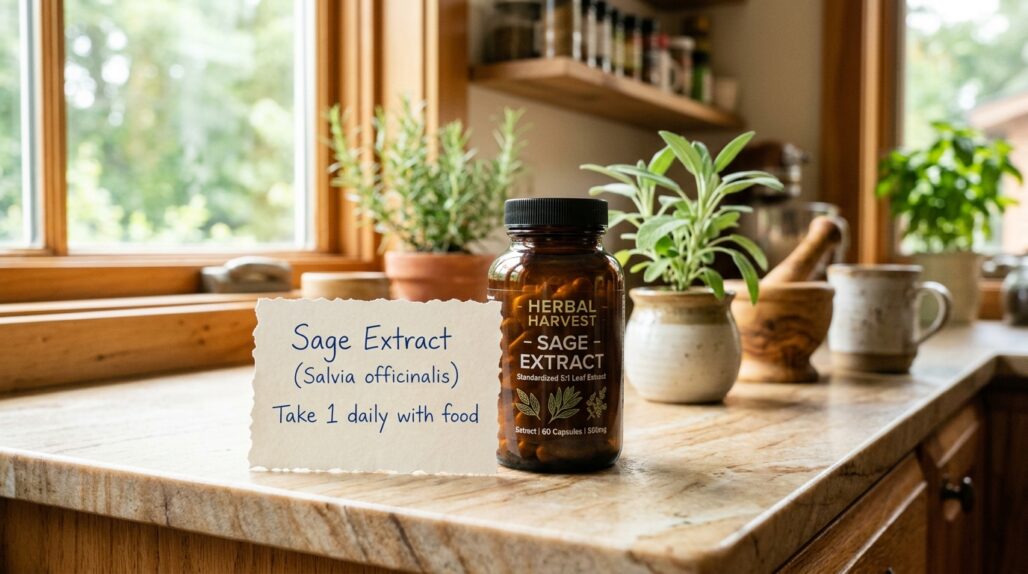
Dose: a standardized sage leaf extract around 300-440 mg per day, or the trial pattern of roughly 100 mg three times daily. Give it three to four weeks before you judge it. The carded liquid is a 1:10 tincture dosed in drops rather than milligrams, so if you choose it, follow the label's 40 to 120 drops a day rather than trying to convert the milligram targets above. Who it suits: people with generalized, stress-related, or menopause-linked sweating who want to test something with actual human data.
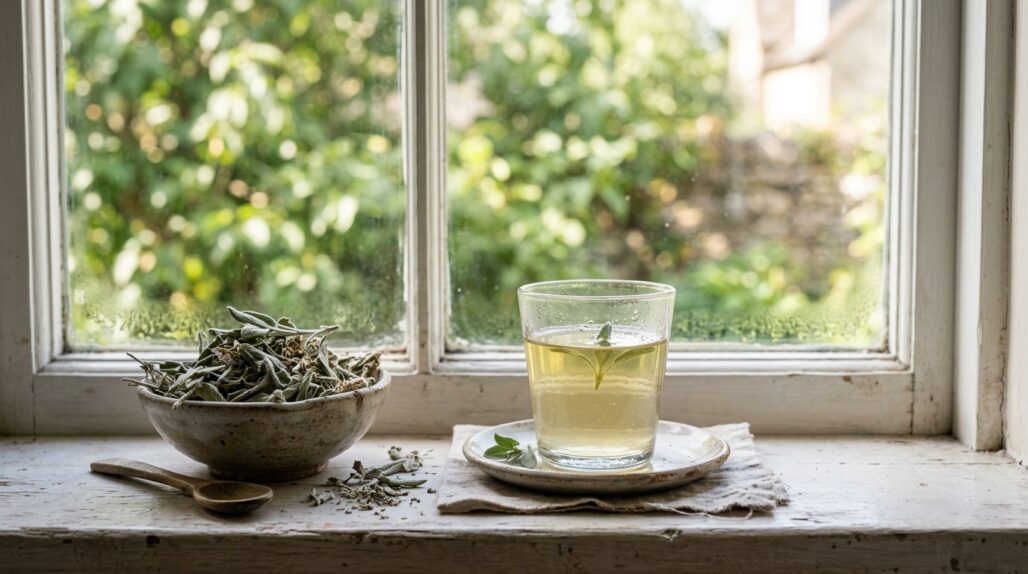
One real caution: sage contains thujone, which is fine in normal supplement doses but can be toxic in very high or prolonged amounts. Skip sage if you are pregnant or breastfeeding (it may lower milk supply), and avoid high-dose long-term use if you have a seizure disorder. If you want the gentlest version, brewed sage tea is a low-risk way to test the waters.
2. Magnesium glycinate – the calm-the-trigger pick
Magnesium does not stop sweat at the gland, and you should be suspicious of any page that claims it does. Reviews of hyperhidrosis do not list magnesium as a treatment, and the direct trials simply are not there.
Where it can help is upstream. Magnesium supports a calmer autonomic nervous system, and for many people a big share of their sweating is stress sweat. If your palms go damp before a meeting or your nights are restless and clammy, settling that arousal can matter. The research on magnesium and stress is the honest basis for including it, not any anti-sweat claim.
Evidence grade: weak and indirect. Useful as a supporting role for stress-linked or sleep-disrupted sweating, not as a primary fix.
Dose: 200-400 mg of elemental magnesium in the evening. Glycinate is the form to reach for at night because it is gentle on the gut and less likely to send you running to the bathroom than citrate or oxide. Who it suits: people whose sweating clearly spikes with anxiety, or who also sleep badly. For the wider picture on forms and intake, see our complete guide to magnesium, and if anxiety is the real driver, our roundup of the best magnesium for anxiety goes deeper.
3. B-complex (with B6 and B12) – the deficiency-only pick
B vitamins make this list with a clear asterisk. There is no evidence that a B-complex treats ordinary hyperhidrosis. The link is narrower than that: severe deficiency of B12 or thiamine (B1) can disturb the autonomic nerves that control sweating, and there are scattered case reports of drenching night sweats easing once a genuine B12 deficiency was corrected.
So a B-complex is worth it only if you have reason to think you are short on these vitamins, for example if you are vegan, over 60, on long-term acid-reducers, or have low energy and tingling alongside the sweating. It is a fix for a shortfall, not a sweat suppressant.
Evidence grade: weak, and conditional on actual deficiency. Correcting a real gap may help; topping up an already-replete body will not.
Dose: one balanced B-complex daily, ideally a balanced formula that covers B6, B12 and folate. Who it suits: people with a likely or confirmed B-vitamin shortfall. One firm safety line: keep vitamin B6 under 50 mg per day for long-term use. The NIH Office of Dietary Supplements sets the adult upper limit at 100 mg, but nerve damage has been reported below 50 mg with prolonged use, so lower is safer. Our complete guide to B vitamins walks through who actually needs them.
The free fix that beats most supplements
If you only do one thing from this article, do this. The most effective non-prescription treatment for focal sweating is a clinical-strength antiperspirant with aluminum chloride, and it costs less than a month of capsules.
The trick is technique. Apply it to completely dry skin at bedtime, not in the morning, because the sweat ducts are quiet overnight and the aluminum salts can plug them properly. Use it two or three nights in a row, then drop back to about once a week to hold the result. Both the International Hyperhidrosis Society and Mayo Clinic Proceedings put it first in line for underarm sweating. Mild stinging is common at the start; applying to bone-dry skin reduces it.
A few more no-cost moves that genuinely help:
- Cut the obvious triggers. Caffeine, alcohol, spicy food, and nicotine all push the sweat response. Pulling them back for two weeks is a free experiment.
- Wear breathable fabrics. Cotton, linen, merino, and moisture-wicking athletic gear move sweat away; tight synthetics trap heat and make it worse.
- Work on the stress dial. Slow breathing, regular exercise, and decent sleep lower baseline sympathetic tone, which is the same system feeding the sweat. Our notes on the best supplements for stress pair well with this if anxiety is your main trigger.
Be realistic about ceilings. Supplements and antiperspirants take the edge off. True clinical hyperhidrosis often needs medical tools the shelf cannot match: prescription aluminum chloride, iontophoresis, anticholinergic tablets or wipes, or botulinum toxin injections. None of that is failure on your part; it is just the right tool for a stubborn signal.
One more boundary worth drawing. Hormonal night sweats around menopause, and clammy stress sweats, are a different lane with their own playbook, so do not assume a hyperhidrosis fix maps onto them one-for-one.
When to see a doctor
Most sweating is benign, but some patterns are warnings. The supplements above are for nuisance sweating, not for the kind that signals something underneath.
See a doctor if heavy sweating starts suddenly, is one-sided or otherwise lopsided, or comes with fever, unexplained weight loss, a racing or pounding heart, or drenching night sweats. Those features point toward secondary causes, including thyroid disease, infection, low blood sugar, or other underlying problems, rather than a passing trigger.
It is also worth a visit, per NHS guidance, if sweating has gone on for months, happens at least weekly, disrupts daily life, or wakes you at night. Mention any medicines you take, since some drugs cause sweating as a side effect. Never stop or change a prescription on your own to chase this; raise it with the prescriber instead. And if you are pregnant or breastfeeding, clear sage with a clinician before starting.
FAQ
Can supplements cure hyperhidrosis? No. There is no cure for primary hyperhidrosis, and no supplement reliably switches off sweating. Sage has the best human evidence and tends to reduce sweating modestly; the rest are supporting players at most.
How long until sage works? Give it three to four weeks of consistent use before deciding. The clearest trial measured benefits at around 12 weeks, so patience matters, and the effect is a reduction rather than an off switch.
Is sage safe to take every day? For most healthy adults, standardized sage extract at label doses is generally well tolerated. Avoid high doses or long stretches because of its thujone content, and skip it entirely if you are pregnant, breastfeeding, or have a seizure disorder.
Does magnesium really stop sweating? Not directly. There are no trials showing magnesium reduces sweating at the gland. It may help if your sweating is driven by stress or anxiety, which is the only honest reason to include it.
Should I take a B-complex for sweating? Only if you likely have a B12 or thiamine deficiency. Correcting a real shortfall can calm deficiency-related night sweats, but topping up an already well-supplied body will not help, and high-dose B6 carries a nerve-damage risk.
What works better than supplements for underarm sweat? A clinical-strength aluminum chloride antiperspirant applied to dry skin at night is the most effective non-prescription option, and it costs far less than a supplement stack.
The bottom line
If you want to try a supplement for sweating, start with sage, around 300-440 mg of extract a day, and judge it after about a month. It has the best human evidence, and it works by gently dialing back the sweat signal, not by erasing sweating. Magnesium and a B-complex are worth adding only if stress or a real deficiency is part of your picture.
Pair any of this with the free fix first: a clinical-strength aluminum chloride antiperspirant at bedtime, plus cutting caffeine and alcohol and choosing breathable fabrics. And keep the red flags in view. Sudden, one-sided, or whole-body sweating with fever, weight loss, or a racing heart deserves a doctor, not a supplement.
This article is for general information and is not medical advice. Talk to a qualified clinician before starting any supplement, especially if you are pregnant, breastfeeding, take prescription medicines, or have a health condition.
Reviewed by the UsefulVitamins Editorial Team.
