
Most energy supplements only help in two situations: you are low on a key nutrient (like B12 or iron), or you need a specific performance edge (like short, high-intensity exercise). If you are simply tired all the time, the best “supplement” is often a diagnosis – not a mega-dose vitamin. This article breaks down what science actually supports for daily energy, mental focus, and workout performance, plus what tends to disappoint. You will also get practical doses, timing tips, and simple ways to avoid wasting money.
Affiliate disclosure: this article contains affiliate links. As an Amazon Associate, UsefulVitamins.com earns from qualifying purchases at no extra cost to you.
Summary / Quick Answer: What energy supplements work best?
The best energy supplements depend on why you feel low energy – deficiency, sleep stress, diet gaps, or training demands.
Most evidence-backed options (when used correctly):
- B vitamins (especially B12, folate, B6): Help energy metabolism if you are low; not a “quick fix” if levels are normal.
- Iron, magnesium, zinc: Can reduce fatigue when deficiency is present; testing matters.
- Beta-alanine (4-6 g/day): Helps high-intensity efforts around 1-4 minutes, not all-day energy.
- Creatine (3-5 g/day): Helps short-burst power and training output; not a general fatigue cure.
- Caffeine alternatives like paraxanthine (200 mg): Early evidence suggests mental energy and reaction-time benefits.
Often overrated:
- High-dose vitamins C and E for performance – may blunt training gains.
- Arginine for performance – little to no reliable benefit in healthy adults.
Energy supplements vs. fatigue: how to figure out what you actually need
If you are searching for energy, it is tempting to treat fatigue like a single problem with a single solution. In reality, “low energy” usually comes from one of four buckets: not enough sleep, not enough calories or protein, a micronutrient gap, or a medical issue that needs attention.
The key is matching the tool to the cause. Many energy supplements have strong marketing and weak targeting. They can look impressive on a label, but only move the needle when a specific bottleneck exists.
Start with the most common “hidden” causes of low energy
Before adding anything new, do a quick self-audit:
- Sleep debt: If you are sleeping under 7 hours consistently, supplements rarely compensate.
- Low iron status: Common in menstruating women, endurance athletes, and people who eat little red meat.
- Low B12 intake or absorption: Higher risk with vegan diets, older age, and certain GI conditions.
- Low magnesium intake: Common with low whole-food intake and high stress.
- Thyroid issues: Fatigue, cold intolerance, and weight changes can overlap with nutrient deficiency.
If fatigue is persistent, unexplained, or new, consider a clinician visit. It is also worth reading about targeted support for fatigue patterns that overlap with hormones, like thyroid support, since “low energy” is sometimes a thyroid symptom rather than a supplement problem.
What to test (and why it saves money)
A supplement can only correct what is missing. Testing helps you avoid guessing.
Common labs discussed for fatigue (ask your clinician):
- CBC and ferritin (iron status)
- Vitamin B12 (sometimes with methylmalonic acid)
- Vitamin D (not an “energy vitamin,” but deficiency can affect well-being)
- TSH (thyroid screening when symptoms fit)
According to the NIH Office of Dietary Supplements fact sheet on exercise and performance, benefits from many nutrients and performance supplements are most consistent when they address a real limitation (like deficiency or a specific exercise demand).
Visual: “Which bucket am I in?” quick map
Use this as a fast decision aid:
| Your main issue | Most likely bucket | Best first step | Supplements that may fit |
|---|---|---|---|
| Sleepy all day, brain fog | Sleep/circadian | Sleep timing, caffeine strategy | Paraxanthine or modest caffeine |
| Heavy legs, low stamina | Iron, calories, training load | Check ferritin, review fueling | Iron (if low), magnesium |
| “I crash” mid-afternoon | Meal composition | Add protein + fiber lunch | Magnesium (if low), B-complex if diet poor |
| Poor gym performance in sprints/sets | Performance target | Match supplement to sport | Creatine, beta-alanine |
Action takeaway: if you cannot identify the bucket, start with testing and basics. It is the shortest path to real improvement.
Best vitamins for energy: when B vitamins and vitamin C actually help
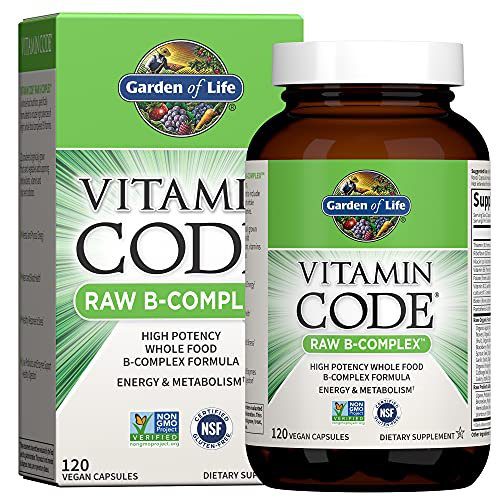
Garden of Life Vitamin B Complex, 120 Vegan Capsules, High Potency Vitamins for Energy & Metabolism with B6, Folate & B12 as Methylcobalamin Plus Probiotics
Garden of Life Vitamin Code Raw B12 earns a strong 4.6-star rating from over 12,000 Amazon reviews, praised for its potent whole-food methylcobalamin that boosts energy and mental clarity while being gentle on the stomach. Reviewers highlight its clean, vegan formula free of synthetic fillers, making it ideal for those seeking high-quality B12 support, though some note minimal effects or packaging inefficiencies; recommend for reliable deficiency correction at an accessible price.
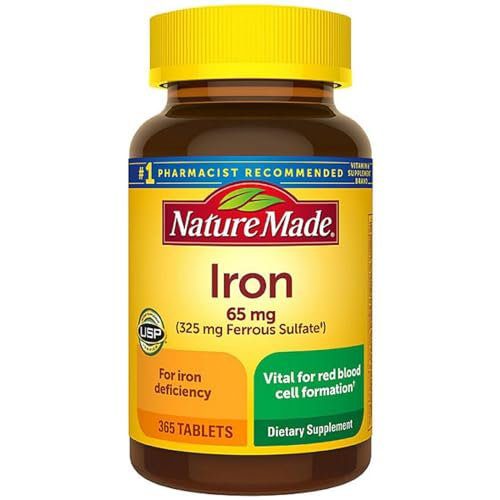
Nature Made Iron 65 mg Tablets
Nature Made Iron 65 mg Tablets earn a strong 4.6-star rating from over 12,000 Amazon reviews, praised for being gentle on the stomach, easy to swallow, and effective at boosting energy for those with iron deficiency or anemia, as echoed in iHerb, Walmart, and Target feedback. While occasional complaints of cramps or constipation arise, its value at around $19 for 180 tablets and consistent positive results make it a reliable affiliate recommendation for health blogs targeting athletes, vegetarians, or anyone needing ferrous sulfate supplementation.
B vitamins are often marketed as “energy vitamins,” but they do not create energy out of nowhere. Think of them like spark plugs: they help your body convert food into usable energy. If you already have enough spark plugs, adding more does not make the engine stronger.
That said, deficiencies are real, and correcting them can feel dramatic.
B vitamins and fatigue: what the evidence supports
B vitamins including thiamine (B1), riboflavin (B2), niacin (B3), pantothenic acid (B5), B6, folate (B9), and B12 support energy metabolism and nervous system function. A large review in Nutrients hosted on PubMed Central links low status of several B vitamins with fatigue-related symptoms and reduced well-being measures.
Where people get misled: if your B12 is normal, taking extra B12 is unlikely to make you feel “wired.” As summarized in a consumer-friendly clinical overview from WebMD’s guide to supplements and energy, B12 stores can last years, and deficiency-related fatigue typically requires confirmation with a blood test.
If you want a practical breakdown of forms, dosing logic, and who benefits most, see Vitamin B Complex.
Vitamin C: helpful for deficiency, not a performance shortcut
Vitamin C matters for collagen, antioxidant protection, and iron absorption. Low vitamin C status has been associated with poorer physical function and vitality scores in population research, including the review in Nutrients on PubMed Central.
But high-dose vitamin C is not a reliable “energy hack,” especially for athletes. The NIH Office of Dietary Supplements summarizes trials where high-dose antioxidant vitamins (C and E) did not improve VO2max or performance and may blunt training adaptations related to mitochondrial signaling and strength gains.
Visual: “Energy vitamin” reality check
Here is a quick way to interpret common vitamin claims:
- B12: Helps fatigue if deficient; not a stimulant.
- B-complex: Useful when diet is inconsistent, stress is high, or intake is low.
- Vitamin C: Supports health and may support vitality when low; avoid mega-doses around training blocks if performance adaptation is your goal.
- Riboflavin (B2): Early evidence suggests reduced soreness in extreme endurance events, but it is not a general daily-energy pill.
Action takeaway: Treat “best vitamins for energy” as “best vitamins to correct what is low.” If you do not know what is low, test or start by improving diet quality first.
<Performance-focused energy supplements: beta-alanine, creatine, and what they’re really for
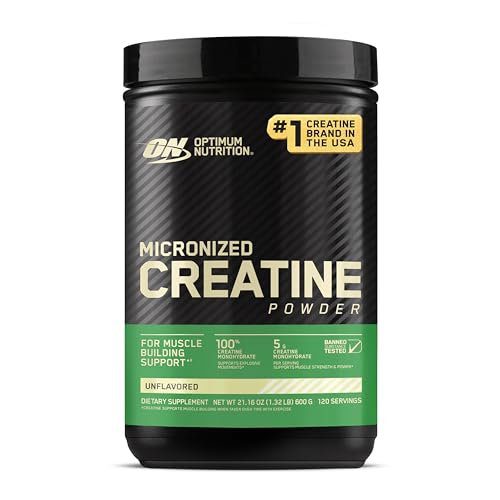
Optimum Nutrition Micronized Creatine Monohydrate Powder, Unflavored, 120 Servings, 600 Grams (Packaging May Vary)
Optimum Nutrition Creatine Powder earns a strong 4.6/5 stars from over 12,000 Amazon reviews, praised for its micronized formula that mixes well and delivers proven benefits in muscle strength and recovery, as supported by research and user experiences. While some note minor grittiness, its purity, affordability around $19, and top rankings make it an excellent, evidence-backed choice for athletes and fitness enthusiasts seeking reliable performance gains.
Vital Proteins Collagen Peptides Powder
Vital Proteins Collagen Peptides earns strong 4.6-star Amazon ratings from 12k+ reviews for dissolving tastelessly, strengthening nails, easing joint pain, and subtly improving skin after 2-3 months of daily 20g use, though its $47 price and need for consistency draw complaints; third-party tested and grass-fed, it’s a reliable affiliate pick for skin/joint support despite premium cost[1][2]
Some supplements do not target “tiredness” at all. They target a specific limiting factor during specific types of exercise. If your goal is better training output, these may be worth considering. If your goal is not feeling exhausted at 3 p.m., they are often the wrong tool.
Beta-alanine: best for hard efforts that burn
Beta-alanine increases muscle carnosine, which helps buffer acidity during high-intensity work. Translation: it may help when you are pushing hard enough to feel that burning fatigue.
The NIH Office of Dietary Supplements performance fact sheet summarizes that beta-alanine is most supported for exercise bouts roughly 60-240 seconds, often at 4-6 g/day for at least 2-4 weeks. Benefits tend to fade for longer efforts where other factors dominate.
Practical use:
- Dose: 4-6 g/day, split into 2-4 doses to reduce tingling.
- Timing: Consistency matters more than timing. Take daily for several weeks.
- Side effect: Paresthesia (tingling) is common and harmless, but annoying.
Creatine: reliable for power, not for “more pep”
Creatine monohydrate is one of the most studied sports supplements. It reliably supports repeated high-power efforts like lifting sets, sprints, and short bursts.
Where it disappoints: it is not a general “fatigue relief supplement” for everyday low energy. It helps performance output more than it changes how energetic you feel at rest. This distinction is echoed in clinical summaries like WebMD’s overview on energy-related supplements.
Practical use:
- Dose: 3-5 g/day (no loading required for most people).
- Hydration: Drink normally; do not overcomplicate it.
- Who may benefit most: People doing resistance training, sprint sports, or high-intensity intervals.
Visual: match the supplement to the workout
Use this as a quick “fit check”:
| Your training goal | Better fit | Why |
|---|---|---|
| More reps/sets, stronger sprints | Creatine | Supports rapid energy recycling for bursts |
| Better 1-4 minute efforts (rowing, 400-800m, hard intervals) | Beta-alanine | Buffers acidity during intense work |
| Better marathon time from antioxidants | Neither | High-dose C/E does not improve performance and may blunt adaptation |
Action takeaway: If you train, pick supplements based on the energy system you are actually using. If you do not train, these are rarely the best first choice for “feeling energized.”
Natural energy boosters for mental focus: caffeine, paraxanthine, and smarter expectations
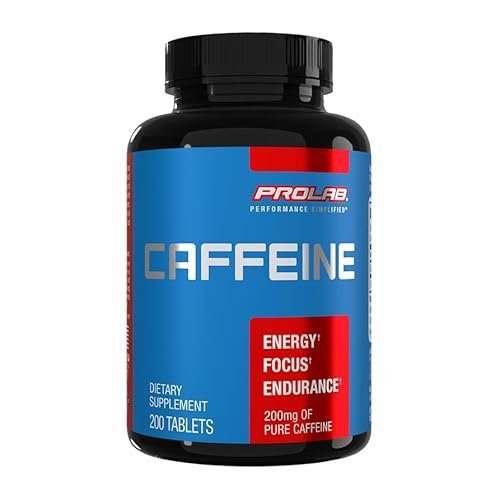
ProLab Caffeine Tablets 200mg – 200ct | Energy Support, Helps Enhance Endurance & Mental Focus, Reduce Fatigue, Pre-Workout, Extra Strength
ProLab Caffeine Pills (200mg) earn a solid 4.6-star rating from over 12,000 Amazon reviews, praised for jitter-free energy, focus, and workout boosts without sugar or calories, making it a reliable affiliate pick for fitness enthusiasts seeking convenient pre-workout support—though sensitive users should start low to avoid potential overstimulation.[1][2]
When people say “I need energy,” they often mean one of two things: physical stamina or mental drive. For mental energy, stimulants and stimulant-adjacent ingredients tend to have the most noticeable short-term effect.
Caffeine works, but not everyone tolerates it well
Caffeine can improve alertness, reaction time, and perceived energy, but it can also worsen anxiety, sleep, reflux, and afternoon crashes. If caffeine disrupts your sleep, it becomes a net negative quickly.
A useful approach is to treat caffeine like a dose-dependent tool, not a personality trait:
- Start low (50-100 mg)
- Avoid late-day use (many people need a cutoff 8-10 hours before bed)
- Pair it with food if it upsets your stomach
Paraxanthine: a caffeine-derived option with early evidence
Paraxanthine is a primary caffeine metabolite and is being studied as an alternative for cognitive performance. A research and industry summary on “natural energy support ingredients” in Nutritional Outlook highlights trials where 200 mg paraxanthine improved measures like reaction time and error rates.
Important context: this is promising, but it is not the same as decades of caffeine data. Treat it as “interesting and possibly useful,” not guaranteed.
Where mushrooms fit in (and where they don’t)
Many people also look for non-stimulant mental energy support. Certain mushroom products are marketed for focus and fatigue, but effects depend heavily on the species, extract type, and dose.
If you are exploring that route, compare claims to what is actually studied, and focus on products with transparent standardization. Useful background reading: nootropic mushrooms and adaptogenic mushrooms.
Visual: mental energy options ranked by “you’ll feel it”
This is a practical expectation-setter:
- Caffeine: most noticeable, most likely to affect sleep.
- Paraxanthine: noticeable for some, early evidence base.
- Non-stimulant options (some mushroom extracts): subtle, variable, product-dependent.
Action takeaway: For mental energy, the best “natural energy boosters” are the ones that do not steal tomorrow’s energy by wrecking tonight’s sleep.
What to avoid (or rethink): high-dose antioxidants, arginine, and “more is more” thinking
A lot of fatigue marketing relies on a simple story: oxidative stress causes tiredness, so antioxidants must improve energy. It sounds logical, but training and physiology are not that simple.
High-dose vitamins C and E: why they can backfire in training
During training, your body uses controlled oxidative stress as a signal to adapt. Blunting that signal with high-dose antioxidants may reduce some beneficial adaptations.
The NIH Office of Dietary Supplements performance fact sheet summarizes clinical trials where high-dose vitamin C and E did not improve performance outcomes like VO2max and, in some studies, reduced markers related to mitochondrial biogenesis and strength gains.
This does not mean you should fear fruits and vegetables. It means mega-dosing antioxidants around training is not a free lunch.
Arginine: popular, but weak performance results
Arginine is often sold for blood flow and performance. But when researchers look across many trials, results are underwhelming in healthy adults.
The NIH Office of Dietary Supplements review notes that arginine typically provides little to no meaningful performance or recovery benefit for most people.
The “mega-dose” trap
If you feel tired, it is easy to assume:
- “Maybe I need 10,000% of my daily value.”
- “If one capsule helps, three must help more.”
In practice, more often means expensive urine, side effects, or missed diagnosis. Public-facing clinical commentary like the University of Utah Health discussion on whether supplements work emphasizes that supplements are not a shortcut around the basics and can disappoint when used as a blanket fix.
Visual: red flags that an “energy” product is mostly marketing
Be cautious if a product:
- Promises “instant all-day energy” without caffeine
- Uses proprietary blends (you cannot see real doses)
- Leans on mega-doses of common vitamins as the main feature
- Claims to “detox” or “flush fatigue” (not a measurable mechanism)
Action takeaway: The best fatigue relief supplements are usually boring: they correct a deficiency, support sleep, or match a specific sport demand. If the claim sounds too broad, it usually is.
<Building a supplement routine for this? Our companion app, StackMyMed, lets you scan each product, track your real daily intake, and get timing reminders plus interaction checks across your whole stack.
Conclusion: a smarter way to choose energy supplements
Energy supplements work best when they solve a specific problem. For everyday fatigue, that often means identifying a nutrient gap (like B12 or iron), improving sleep and meal quality, and avoiding high-dose strategies that do not match your goal.
For training, performance supplements like creatine and beta-alanine can be worthwhile, but only for the right type of exercise. For mental energy, caffeine is still the most reliable option, while paraxanthine is an emerging alternative with early supportive data.
Next step: if you suspect a nutrient gap, start with food and consider targeted testing. If you want a structured approach to B vitamins, review Vitamin B Complex. If your fatigue feels more hormonal or temperature-related, explore thyroid support for a symptom-based framework to discuss with your clinician.
As an Amazon Associate, I earn from qualifying purchases. Product recommendations are based on real reviews and independent research.
