
Brain fog can feel like trying to think through wet cement – you are awake, but not fully “online.” The most useful brain fog supplements tend to fall into two buckets: nutrients that correct common gaps (like omega-3s or magnesium) and targeted nootropics that support attention, stress resilience, or memory. This article breaks down which ingredients have the best human evidence, what doses are typically used in studies, and how to pick a product that is more than a pretty label. You will also learn when supplements are the wrong tool, and what to do first.
Affiliate disclosure: this article contains affiliate links. As an Amazon Associate, UsefulVitamins.com earns from qualifying purchases at no extra cost to you.
Summary / Quick Answer: What are the best brain fog supplements?
The best brain fog supplements depend on what is driving your fog (stress, poor sleep, nutrient gaps, or age-related changes). For many adults, a practical “start here” list looks like this:
- Omega-3s (EPA/DHA): supports overall cognitive performance, especially with low fish intake
- Magnesium (often magnesium L-threonate for brain-targeted research): may support sleep quality and memory
- Citicoline (CDP-choline): supports acetylcholine pathways tied to focus and mental clarity
- L-theanine (often paired with caffeine): promotes calm alertness without feeling sedated
- Bacopa monnieri: best for sustained clarity over weeks, not instant results
- Rhodiola rosea: useful when fog tracks with stress and fatigue
- Phosphatidylserine: studied for cognitive support and stress-related mental fatigue
- Lion’s mane mushroom: early human data suggests benefits for longer-term brain support
If symptoms are new, severe, or paired with sleep apnea, thyroid issues, depression, anemia, or medication changes, use supplements as support – not a substitute for medical evaluation.
Why brain fog happens (and when supplements actually help)
Brain fog is not a diagnosis. It is a cluster of symptoms: slowed thinking, poor focus, forgetfulness, and mental fatigue. The reason that matters is simple: the “best” supplement changes based on the cause.
Think of brain fog like a low battery warning light. You can sometimes squeeze more performance out of your phone by closing apps (supplements that support neurotransmitters or stress response). But if the battery itself is old, or the charger is broken (sleep debt, iron deficiency, thyroid disease), you need a different fix.
The most common drivers of brain fog
Here are patterns clinicians and researchers commonly point to:
- Sleep disruption (short sleep, poor sleep quality, sleep apnea)
- Stress and anxiety (high cortisol, rumination, nervous system overdrive)
- Nutrient gaps (omega-3s, B vitamins, magnesium, iron, vitamin D)
- Blood sugar swings (skipping meals, high-sugar breakfasts)
- Medication side effects (some antihistamines, antidepressants, sedatives)
- Perimenopause/menopause and thyroid changes
- Aging-related cognitive changes (slower processing speed is common)
Actionable takeaway: before buying anything, write down your top 2 triggers. Is it worse after a bad night? After lunch? During stressful weeks? That single clue helps you choose smarter.
A “root cause first” checklist (fast and practical)
Use this quick screen before starting a new stack:
| Question | If “yes,” do this first | Why it matters |
|---|---|---|
| Is your fog new or worsening quickly? | Talk to a clinician | Sudden cognitive change needs evaluation |
| Do you snore loudly or wake unrefreshed? | Screen for sleep apnea | No supplement replaces oxygen and deep sleep |
| Heavy periods, fatigue, cold intolerance? | Ask about iron and thyroid labs | These are common, treatable causes |
| Brain fog started after a new medication? | Ask pharmacist/clinician | Side effects are often the culprit |
| Diet low in fish, greens, or protein? | Fix food basics + targeted nutrients | Supplements work better on a strong foundation |
For nutrition foundations, UsefulVitamins’ guide to vitamin B complex is a helpful starting point, since B vitamins commonly intersect with energy, mood, and cognition.
What the evidence says overall
Broadly, research supports select nootropics and nutrients for cognitive support, but effects vary by ingredient and population. For example, omega-3s show consistent associations with brain health, and a meta-analysis of dozens of studies has reported cognitive benefits in older adults. Popular clinical-style summaries also note that ingredients like citicoline, theanine, bacopa, rhodiola, and phosphatidylserine have human data for attention, stress, or memory outcomes, though study quality and endpoints differ.
Actionable takeaway: if your fog is mostly stress + fatigue, prioritize adaptogens and calming focus aids. If it is “flat, low-energy fog,” prioritize nutrient repletion and sleep-supportive options.
Brain fog supplements with the best research-to-real-life fit (doses, timelines, who they’re for)
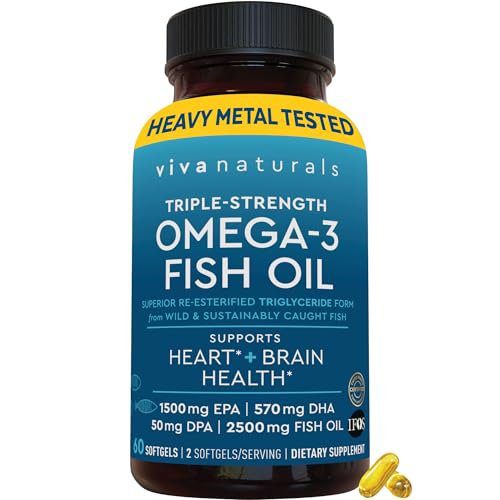
Omega-3 Fish Oil Supplement
Viva Naturals Omega-3 Fish Oil earns strong 4.6-star ratings from over 12,000 Amazon reviews for its triple-strength 2500mg dose, triglyceride form for superior absorption, and zero fishy aftertaste, with users reporting benefits for heart health, inflammation, and focus. Reddit communities like r/supplements endorse it as a top pick for purity from wild-caught fish. At around $19, it’s a reliable, high-value affiliate recommendation for daily omega-3 needs.
Most supplement lists fail in two ways: they ignore dosing, and they ignore time. Some ingredients can be felt within hours (theanine + caffeine). Others take weeks (bacopa, lion’s mane). Choosing the right tool means matching the timeline to your goal.
Quick comparison table (evidence, dose, and what to expect)
Use this as a practical “label-reading” guide:
| Supplement | Best for | Typical studied dose | When you might notice it |
|---|---|---|---|
| Citicoline (CDP-choline) | Focus, mental clarity, memory support | 250-500 mg/day | Days to 2 weeks |
| L-theanine (often with caffeine) | Calm alertness, fewer jitters | 100 mg (often with 50-100 mg caffeine) | Same day |
| Rhodiola rosea | Stress-fatigue fog, mental stamina | 200-600 mg/day | Days to 2 weeks |
| Bacopa monnieri (standardized) | Memory and calm clarity | 300-450 mg/day | 4-8 weeks |
| Phosphatidylserine | Stress-related mental fatigue, aging support | 100-300 mg/day | 2-6 weeks |
| Lion’s mane | Longer-term brain support | ~500 mg/day (varies by extract) | 4-12 weeks |
| Omega-3s (EPA/DHA) | Baseline brain health, inflammation balance | 1-2 g/day EPA+DHA | 4-12 weeks |
| Magnesium (incl. L-threonate) | Sleep quality, relaxation, memory support | Product-dependent | 1-4 weeks |
For omega-3s, see the deep dive on omega-3 fatty acids to understand EPA vs DHA, dosing, and how to choose a quality fish oil.
Citicoline (CDP-choline): the “focus circuitry” support
Citicoline is a choline donor that supports acetylcholine production and brain cell membrane metabolism. In real life, it tends to fit people who describe fog as “I can’t lock in,” especially during mentally demanding work.
What to do:
- Start at 250 mg/day with breakfast for a week.
- If needed, increase to 500 mg/day (split doses can feel smoother).
What to watch:
- If you feel edgy or get headaches, you may not tolerate higher cholinergic support. Back down.
L-theanine (with or without caffeine): calm alertness, not sedation
Theanine is one of the most practical tools for “wired but tired” fog. It can take the sharp edge off caffeine and may improve attention on tasks that require sustained focus.
A simple approach:
- 100 mg L-theanine + coffee (or 50-100 mg caffeine) in the morning.
- Avoid late afternoon use if caffeine impacts your sleep.
Bacopa and rhodiola: different tools for stress-related fog
These two are often confused.
- Rhodiola is more “today and this week.” It is commonly used for fatigue under stress.
- Bacopa is more “this month.” It is better known for memory and calm clarity over time, but it can cause GI upset in some people.
If you want a gentle on-ramp, start with rhodiola first, then consider bacopa if you want longer-term support.
Mushroom nootropics: lion’s mane and beyond
Lion’s mane is widely used for long-term cognitive support, with early human studies suggesting benefits for mild cognitive concerns. Product quality varies wildly, though.
If you are exploring this category, UsefulVitamins’ guides to nootropic mushrooms and best mushroom nootropics can help you understand fruiting body vs mycelium, extraction, and what labels often leave out.
Actionable takeaway: match the supplement to your timeline. If you need “help today,” choose theanine (with a small caffeine dose) or rhodiola. If you want “help over months,” consider omega-3s, bacopa, or lion’s mane.
Nutrient-based support: omega-3s, magnesium, and B vitamins for mental clarity
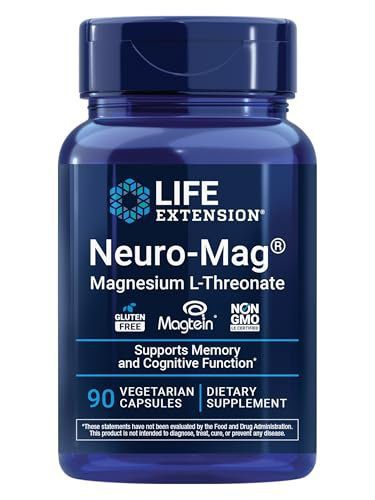
Magnesium L-Threonate
Life Extension Magnesium L-Threonate earns high marks (4.6/5 from 12,000+ reviews) for enhancing memory, reducing brain fog, and supporting cognition without GI upset, backed by positive feedback across iHerb, Walmart, and their site. Trusted brand quality and brain-crossing formulation make it a strong affiliate pick for nootropic-focused readers seeking reliable cognitive support.
When brain fog is driven by nutrient gaps, nootropic stacks can feel like turning up the radio to ignore a low-fuel light. Nutrients are not flashy, but they often deliver the most reliable baseline improvement.
Omega-3s: foundational brain fats with strong population-level support
Your brain is lipid-rich tissue, and DHA is a major structural fat in brain cell membranes. People who rarely eat fatty fish often see omega-3 as a “general health” supplement, but it is also one of the most defensible brain-support options.
Evidence snapshot:
- Meta-analytic research has reported omega-3 supplementation can support cognitive performance in older adults and may help slow age-related decline in some contexts.
- Benefits are typically modest, and strongest when baseline intake is low.
Practical dosing tips:
- Aim for 1-2 grams/day combined EPA + DHA (check the label for actual EPA/DHA, not just “fish oil 1000 mg”).
- Take with a meal that contains fat to improve absorption.
Magnesium: relaxation, sleep quality, and brain signaling
Magnesium is involved in hundreds of enzymatic reactions, including those tied to nervous system regulation. If your fog is paired with tension, poor sleep, or frequent waking, magnesium may help indirectly by improving sleep quality and recovery.
Magnesium L-threonate gets attention because it appears to raise brain magnesium levels more effectively in preclinical models, with emerging human research interest for memory and cognition. The takeaway is not that other forms are “bad,” but that form can change tolerability and goals.
To choose a form intelligently, see UsefulVitamins’ guide on magnesium benefits.
B vitamins: when “low energy fog” is really a nutrient bottleneck
B vitamins support energy metabolism and neurotransmitter synthesis. Even borderline low intake can show up as fatigue, irritability, and poor concentration, especially with restrictive diets, low appetite, heavy alcohol intake, or certain medications.
What to do:
- If diet is inconsistent, consider a balanced B-complex.
- If symptoms are significant, ask a clinician about labs (B12, folate, iron studies) before megadosing.
Visual guide: “nutrient gap” signs vs “stress fog” signs
Use this quick pattern match:
| Pattern | More likely nutrient gap | More likely stress/sleep |
|---|---|---|
| Fog + muscle cramps | Yes (magnesium) | Possible |
| Fog + low fish intake | Yes (omega-3) | Possible |
| Fog + tingling/numbness | Possible (B12) | Less likely |
| Fog worst after poor sleep | Sometimes | Yes |
| Fog with racing thoughts | Less likely | Yes |
| Fog with restrictive diet | Yes | Sometimes |
Actionable takeaway: if you are only going to “commit” to one long-term supplement, omega-3s are often the best first pick for people who do not eat fatty fish 2 times per week.
<How to choose a brain fog supplement (and avoid underdosed blends)
Citicoline (CDP Choline) Capsules
Double Wood’s Citicoline (CDP Choline) Capsules earn a strong 4.6-star rating from over 12,000 Amazon reviews, praised for boosting focus, memory, and mental energy as a potent choline source. With US-based testing, gluten-free formulation, and competitive pricing around $19, it’s a reliable, cost-effective nootropic for cognitive support, though sensitive users should start low to avoid headaches.
L-Theanine Capsules
L-theanine promotes calm alertness without sedation, making it ideal for managing brain fog.
Check Price on Amazon →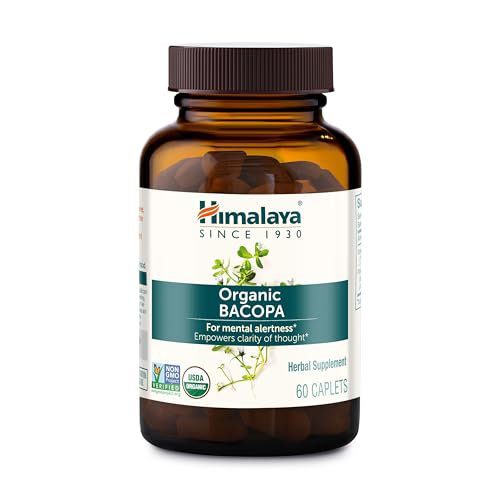
Bacopa Monnieri Extract
Himalaya Bacopa Monnieri Extract earns solid user feedback for enhancing memory, cognitive processing, and stress relief, backed by positive WebMD reviews averaging 4.3 stars where users report clearer thinking and long-term benefits. While mild GI issues and blood pressure effects are occasional cons, its low side effect profile and research support for modest nootropic effects make it a reliable affiliate pick for health blogs targeting brain health enthusiasts.
The supplement aisle is full of products that look scientific but are basically pixie dust blends. The goal is not to buy the longest label. It is to buy the fewest ingredients at doses that match human research, from a brand that proves what is in the bottle.
A simple 5-point label test
Before you buy, check these:
- Clinically relevant doses
- If a product contains 10+ ingredients but none list meaningful amounts, it is often underdosed.
- Standardization where it matters
- Bacopa should be standardized (commonly to bacosides).
- Rhodiola should list rosavins/salidroside standardization.
- Third-party testing
- Look for independent verification (NSF, USP, Informed Choice, or credible COAs).
- Transparent caffeine content
- “Proprietary energy blend” is a red flag if you are sensitive.
- Single-goal design
- A “focus + sleep + fat burn + mood” product usually does none well.
Stimulant vs non-stimulant: the sleep-debt trap
Stimulants can create a convincing short-term lift. The problem is the rebound. If a product pushes you to stay up later, your next day fog can be worse, and you end up chasing clarity with more stimulants.
A safer framework:
- Daily driver (non-stimulant): omega-3s, magnesium, bacopa, lion’s mane, phosphatidylserine
- Occasional “performance day”: caffeine + theanine, possibly citicoline
- Avoid stacking stimulants: do not combine energy drinks, pre-workout, and nootropic stimulants on the same day
Visual: “buy or skip” red flags checklist
| If you see this… | Consider doing this instead |
|---|---|
| Proprietary blend with no amounts | Choose a formula with full dosing listed |
| Mega-dose B6 or niacin for “energy” | Use moderate doses unless prescribed |
| Claims to “cure” brain fog | Skip – look for measured, realistic claims |
| No testing or COA | Choose a tested product |
| Caffeine hidden in herbal blends | Pick products that list caffeine in mg |
Where food still wins
Some expert guidance emphasizes that food patterns often outperform pills for long-term brain health. For a food-first approach, Northwestern Medicine’s overview of foods for a healthy brain is a solid reference for practical dietary priorities.
Actionable takeaway: the best supplement is the one you can take consistently without harming sleep. If a product “works” by overstimulating you, it often backfires within a week.
<How to build a simple, safe stack (based on your type of brain fog)
If you try five things at once, you will never know what helped. A better approach is to pick one foundation supplement, then add one targeted tool based on your dominant pattern.
Step 1: Pick your “foundation”
Choose one:
- Omega-3s (EPA/DHA) if fish intake is low
- Magnesium if sleep is light, restless, or you feel tense at night
- B-complex if diet is inconsistent or you have low-energy fog (and especially if you are vegetarian/vegan, discuss B12 testing with a clinician)
Step 2: Add one targeted option (based on your pattern)
Pick one:
A) Stress-fatigue fog
- Rhodiola (morning)
- Phosphatidylserine (midday or evening)
- Theanine (as needed)
B) Focus and “can’t lock in” fog
- Citicoline (morning)
- Theanine + caffeine (morning only)
C) Memory and “slower recall” fog
- Bacopa (daily, with food)
- Lion’s mane (daily, consistent)
Step 3: Track outcomes for 14 days
Use a simple scorecard (0-10) each day:
| Metric | Morning | Afternoon |
|---|---|---|
| Mental clarity | ||
| Focus | ||
| Energy | ||
| Anxiety/edginess | ||
| Sleep quality (next day) |
What to do with the data:
- If clarity improves but sleep worsens, reduce stimulants first.
- If nothing changes after 14 days, reassess the root cause and dosing.
Safety notes that matter
- Blood thinners and omega-3s: discuss with your clinician.
- Pregnancy/breastfeeding: avoid many adaptogens unless medically guided.
- Thyroid conditions: be cautious with high-iodine products and “metabolism blends.”
- Medication interactions: always check with a pharmacist if you take antidepressants, stimulants, or sedatives.
For a practical supplement overview that aligns with consumer safety, GoodRx’s clinician-reviewed guide on supplements for brain health is a useful reference point.
Actionable takeaway: start low, go slow, and change one variable at a time. Most “supplement failures” are really tracking failures.
If you are stacking a few supplements for this, StackMyMed (our companion app) tracks what you actually take, schedules the best time for each one, and flags any combinations worth a second look.
Conclusion
Brain fog is common, frustrating, and usually multi-factorial. The most useful brain fog supplements are the ones that match your likely driver: omega-3s and magnesium for foundational support, citicoline and theanine for focus, rhodiola and phosphatidylserine for stress fatigue, and bacopa or lion’s mane for longer-term cognitive support.
The smartest next step is to choose one foundation plus one targeted ingredient, track results for two weeks, and protect sleep like it is part of the stack – because it is.
For deeper reading, explore UsefulVitamins’ guides to magnesium benefits and the complete overview of omega-3 fatty acids.
As an Amazon Associate, I earn from qualifying purchases. Product recommendations are based on real reviews and independent research.
