
Cold and flu season can feel unavoidable, but winter immune support is not about chasing a “magic booster.” It’s about covering the basics that keep your immune system working normally: enough sleep, protein, hydration, and a few targeted nutrients that commonly run low in winter. This article breaks down what actually changes in your body during colder months, which supplements have the best evidence (and how to use them safely), plus a practical, week-by-week routine you can follow when everyone around you starts sniffling.
Affiliate disclosure: this article contains affiliate links. As an Amazon Associate, UsefulVitamins.com earns from qualifying purchases at no extra cost to you.
Summary / Quick Answer
For most people, the best winter immune support plan is a simple “foundation first, supplements second” approach:
- Daily basics: protein at each meal, fruits/veg for antioxidants, fluids, and consistent sleep
- Most evidence-backed supplements:
- Vitamin D (especially if you get little winter sun)
- Vitamin C (supports immune cell function; consider split dosing)
- Zinc (short-term use can be helpful, especially as a lozenge)
- Optional add-ons for some people: elderberry, Echinacea, and NAC (best when used with clear goals and timeframes)
- Best “cold and flu prevention” habits: hand hygiene, ventilation, exercise, and staying current on vaccines
If you want a streamlined starting point: prioritize vitamin D status, keep vitamin C consistent, and use zinc strategically during high-exposure weeks.
What Changes in Winter (and Why You Feel More Run-Down)
If it seems like everyone gets sick at once in winter, it’s not just your imagination. Winter stacks the deck in a few ways: more time indoors, closer contact, drier air, and less sunlight. On top of that, cold exposure can affect the nose and upper airway – the “front door” where many viruses first try to enter.
One emerging theme is that cold air may reduce antiviral defenses in the nasal passages, making it easier for respiratory viruses to gain a foothold. A 2026 industry science overview on seasonal formulas discusses how cold exposure can impair nasal antiviral immunity, including changes related to extracellular vesicles that help coordinate immune signaling, summarized in Vitaquest’s winter supplement trends report. While the exact mechanisms are still being mapped, the practical takeaway is straightforward: winter is a higher-challenge environment for your respiratory tract.
The second big winter shift is vitamin D. With less UVB exposure, vitamin D levels often drop, especially in higher latitudes and in people who work indoors. Vitamin D receptors exist on many immune cells, which is one reason researchers pay attention to it for seasonal immune function. If you’re unsure where to start, UsefulVitamins’ guide to the Best Vitamin D Supplements can help you compare forms and dosing styles.
A quick “winter risk” self-check (for planning, not diagnosing)
If several of these apply, you may benefit from tightening up your routine:
- You rarely get midday sun exposure in winter
- You’re indoors most of the day (work, school, commuting)
- You sleep under 7 hours most nights
- You’re dieting aggressively or skipping protein at meals
- You get frequent colds, or you’re around kids/crowded settings
Visual: Winter stressors and what to do about them
| Winter factor | What it can affect | Practical response |
|---|---|---|
| Less sunlight | Vitamin D status, mood | Consider vitamin D, get outdoor light when possible |
| Dry indoor air | Nasal/throat comfort | Hydrate, consider humidification, warm fluids |
| More indoor contact | Viral exposure | Ventilation, hand hygiene, vaccines |
| Holiday stress + poor sleep | Immune regulation | Sleep routine, stress supports if needed |
| Lower produce variety | Antioxidant intake | Frozen fruit/veg, soups, citrus, greens |
Actionable takeaway: treat winter like “training season” for your immune system. Build consistency before you get exposed.
Winter Immune Support Supplements: What’s Worth Considering (and How to Use Them)
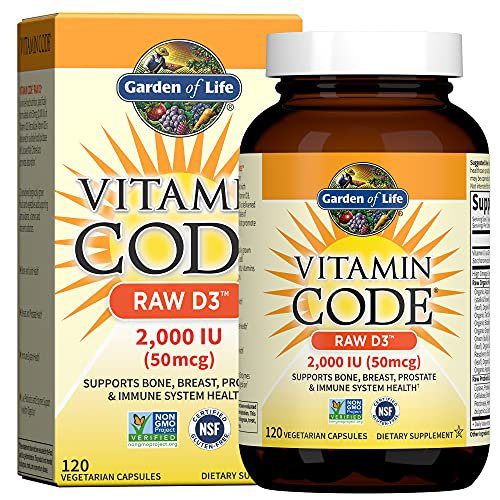
Garden of Life Vitamin D, Vitamin Code Raw D3, Vitamin D 2,000 IU, Raw Whole Food D3 Supplements with Chlorella, Fruit, Veggies & Probiotics for Bone & Immune Health, 120 Vegetarian Capsules
Garden of Life Vitamin Code Raw D3 earns strong 4.6-star Amazon ratings from over 12,000 reviews for its raw, whole-food 5,000 IU D3 formula enhanced with probiotics, enzymes, and organic fruits/veggies, supporting bone, immune, and gut health without fillers. Expert reviews confirm third-party testing and clean ingredients, making it a reliable affiliate pick despite higher cost and potential digestive sensitivity[1].
Supplement aisles get louder in winter. The trick is to focus on nutrients with clear roles in immune function and a reasonable safety profile, then match the format to your goal. Many winter formulas combine vitamin C, zinc, and botanicals because they target overlapping pathways – antioxidant support, immune cell signaling, and local throat/nasal comfort.
Vitamin D: the winter baseline for many adults
Vitamin D is often the most “seasonal” nutrient. It helps regulate innate immune responses and supports balanced signaling across immune cells. If you have limited sun exposure, supplementation is a practical option to discuss with a clinician, especially if you’ve had low levels before. An evidence-based overview of winter immune habits also highlights vitamin D as a common winter gap in MS Medicine’s winter immune health guide.
Practical use:
- Consider daily dosing rather than sporadic high doses unless supervised.
- Pair with a meal that contains fat for absorption.
- If you can, ask for a 25(OH)D blood test to personalize.
Vitamin C: supports immune cell function, not “cold-proofing”
Vitamin C contributes to several immune functions, including antioxidant protection and support for immune cell activity. It does not make you invincible, but it can help maintain normal immune function, especially when intake is inconsistent.
If you want a deeper breakdown of dosing and forms, see Vitamin C Science Benefits Dosage. Many people do well with food-first vitamin C plus a modest supplement during winter.
Practical use:
- Split dosing (morning/evening) can be easier on digestion.
- “Time-release” forms may help some people maintain steadier intake.
Zinc: best used strategically, not endlessly
Zinc supports immune cell development and communication. In winter, zinc lozenges are popular because they directly contact the throat area where symptoms often start. A UCI Health expert roundup discusses common winter supplement choices and emphasizes that supplements should complement – not replace – prevention basics like vaccination and hygiene, in UCI Health’s winter supplements article.
Practical use:
- Use zinc short-term during high-exposure periods or at the first sign of symptoms.
- Avoid chronic high dosing unless supervised due to copper balance concerns.
Elderberry, Echinacea, NAC: optional tools with specific “use cases”
- Elderberry: lab studies show antiviral activity against influenza strains, and some clinical data suggests symptom support in outbreaks. It’s often used as a syrup or extract.
- Echinacea: research is mixed, but some people find it helpful as part of a broader routine, especially in combination formulas.
- NAC (N-acetylcysteine): best known as a precursor to glutathione and for respiratory support. Some longer-term trials suggest it may reduce intensity of influenza-like symptoms over months in certain populations, discussed in the seasonal ingredient overview from Vitaquest’s winter supplement trends report.
Visual: Evidence-informed supplement “starter stack”
| Supplement | What it may support | Best timing/format (practical) | Notes |
|---|---|---|---|
| Vitamin D | Seasonal immune regulation, mood support | Daily capsule/softgel | Consider testing if possible |
| Vitamin C | Antioxidant defense, immune cell function | Daily, split dose or time-release | Not a guarantee against colds |
| Zinc | Immune signaling, throat support | Lozenges short-term | Avoid long-term high dose |
| Elderberry | Symptom support in some studies | Syrup/extract during season | Choose standardized products |
| NAC | Respiratory and antioxidant pathways | Daily for set timeframe | Best with clear goals |
Actionable takeaway: if you do only one thing supplement-wise, address vitamin D and keep vitamin C intake consistent. Use zinc like a tool, not a lifestyle.
<Food-First Winter Wellness: The “Immune Plate” That’s Easy to Repeat
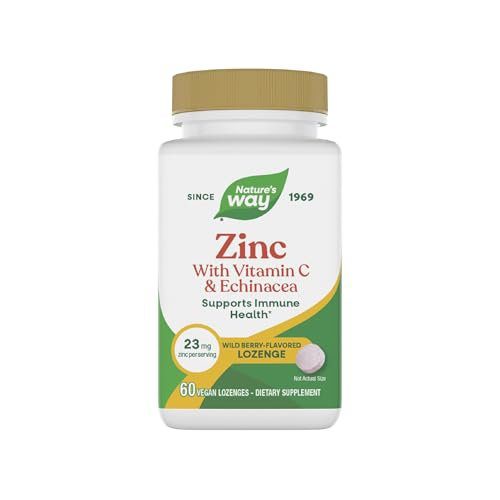
Nature’s Way Zinc Lozenges with Vitamin C & Echinacea, Zinc Supplements for Men and Women, Immune Support*, Wild Berry Flavor, 60 Lozenges (Packaging May Vary)
Nature’s Way Zinc Lozenges earn a strong 4.6-star rating from over 12,400 Amazon reviews, praised for effectively reducing cold duration and supporting immunity with a tasty honey-lemon flavor. While some users note mild stomach upset, the high zinc dose (23mg per lozenge) and affordable $17.99 price make it a reliable affiliate pick for health blogs targeting immune health.
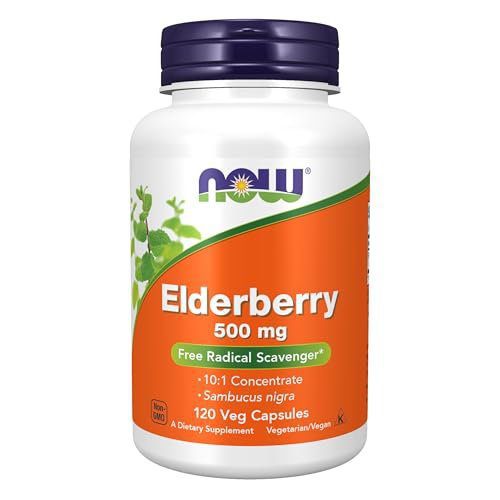
NOW Foods Supplements, Elderberry (Sambucus nigra)500 mg, 10:1 Concentrate, 120 Veg Capsules
NOW Supplements Elderberry Extract (ASIN B00H8QG8Z4) earns a strong 4.6-star rating from over 12,400 Amazon reviews, with users praising its immune-boosting effects, high-quality 500mg 10:1 concentrate, and easy vegan capsules that help fend off colds and flu. Common pros include fewer illnesses and faster recovery, while minor cons note capsule size; lacking third-party tests but backed by NOW’s reputation and positive iHerb/Walmart feedback, it’s a reliable, affordable affiliate pick at ~$18.99 for immune support.
Supplements can fill gaps, but your immune system runs on basics you can repeat daily. In winter, people often eat fewer fresh fruits and vegetables, drink less water, and lean on ultra-processed convenience foods. That combination can quietly lower micronutrient intake right when exposure risk rises.
Think of your daily diet as the “budget” your immune system spends. Protein builds immune components like antibodies. Colorful plants provide vitamin C, carotenoids, polyphenols, and fiber that supports the gut microbiome. Healthy fats help absorb fat-soluble vitamins (like D).
Build an “immune plate” in 3 steps
Protein (25-35 g per meal for many adults)
- Options: eggs, Greek yogurt, poultry, fish, tofu, tempeh, beans, lentils
- Why it matters: amino acids are raw material for immune molecules
Two colors of plants
- Vitamin C: citrus, kiwi, bell peppers, broccoli
- Deep greens: spinach, kale, arugula
- Orange/red: sweet potato, carrots, tomatoes
A gut-supporting add-on most days
- Fermented foods: yogurt, kefir, kimchi, sauerkraut
- Prebiotic fibers: oats, onions, garlic, legumes
For readers focusing on the gut-immune connection, UsefulVitamins’ Best Probiotics Comparison can help you understand strains, CFUs, and when a supplement may make sense versus food.
Hydration matters more than people think
Even mild dehydration can affect circulation and how efficiently nutrients move through the body. Winter also brings dry indoor air, which can make your throat and nasal passages feel irritated.
Easy hydration wins:
- Soup or broth-based lunches 2-3 times per week
- Herbal tea plus water (especially if you forget to drink)
- Water-rich snacks: oranges, grapes, cucumbers
Visual: A 1-day winter “immune menu” template
| Meal | Simple option | Why it works |
|---|---|---|
| Breakfast | Greek yogurt + berries + oats | Protein + probiotics + fiber |
| Lunch | Lentil soup + side salad | Fluids + protein + polyphenols |
| Snack | Citrus + handful of nuts/seeds | Vitamin C + vitamin E + minerals |
| Dinner | Salmon/tofu + roasted broccoli + sweet potato | Protein + omega-3s + carotenoids |
| Evening | Herbal tea | Hydration + routine cue for sleep |
Actionable takeaway: if you’re overwhelmed, start by adding one protein anchor and one vitamin C-rich food daily. That alone improves consistency.
The “Not-So-Obvious” Habits That Support Immunity in Winter
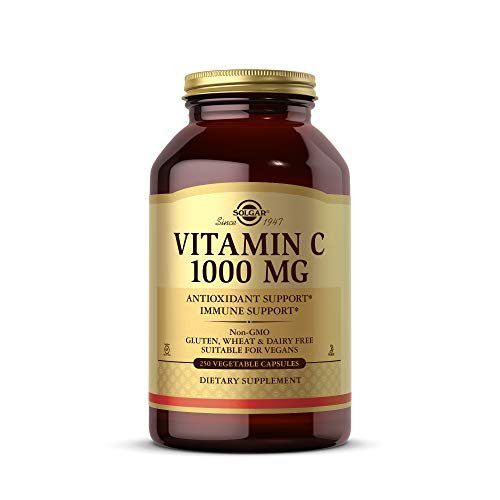
Solgar Vitamin C 1000 mg, 250 Vegetable Capsules – Antioxidant & Immune Support – Overall Health – Healthy Skin & Joints – Bioflavonoids Supplement – Non GMO, Vegan, Gluten No, Kosher – 250 Servings
Solgar Vitamin C 1000 mg earns a strong 4.6-star rating from over 12,400 Amazon reviews, praised for its high-purity Ester-C formula in a protective amber glass bottle that’s gentle on the stomach and effective for immune support and joint health. While some note the large tablets and premium price, its quality outweighs minor cons, making it a reliable affiliate recommendation for health-conscious readers seeking trusted vitamin C supplementation.
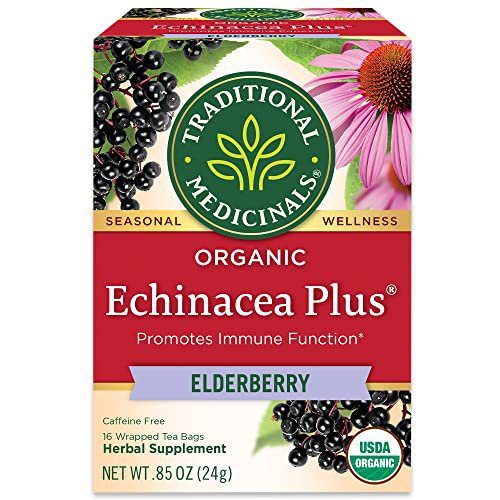
Traditional Medicinals Tea, Organic Echinacea Plus Elderberry, Boosts the Immune System, 16 Tea Bags
Traditional Medicinals Echinacea Plus Cold & Flu tea earns a strong 4.6-star rating from over 12,400 Amazon reviews, with users praising its effectiveness in reducing cold and flu symptoms, pleasant taste, and organic quality. While some find the flavor earthy and report minor digestive issues, the high volume of positive feedback and lack of major safety concerns make it a reliable affiliate recommendation for immune support during cold season.
Most winter illness conversations focus on supplements, but day-to-day habits often decide whether exposure turns into a full-blown week on the couch. Two of the biggest levers are sleep and stress because they influence immune signaling and inflammation.
If your winter schedule gets chaotic, build a minimum routine you can keep even during busy weeks.
Sleep: the immune system’s nightly reset
Short sleep and irregular sleep timing can weaken immune responses. The goal is not perfection. It’s consistency.
Try this:
- Keep wake time within a 60-minute window most days
- Stop bright screens 30-60 minutes before bed when possible
- Make the room cool and dark
- If you wake at night, avoid clock-watching
If stress is the reason sleep falls apart, UsefulVitamins’ guide to Best Supplements for Stress Relief & Anxiety covers evidence-informed options like magnesium and L-theanine, plus safety notes.
Exercise: small doses still count
You don’t need intense workouts to support immune function. In winter, the win is maintaining circulation, lung capacity, and stress regulation.
Simple weekly target:
- 150 minutes per week of moderate movement (walks, cycling, home workouts)
- 2 short strength sessions to maintain muscle and metabolic health
Prevention still matters: vaccines, ventilation, and hygiene
Supplements can support nutritional status, but they do not replace prevention. Public health basics remain high-impact:
- Stay current on recommended vaccines
- Ventilate indoor spaces when possible
- Wash hands before eating and after public contact
A clinician-focused overview on realistic immune support also emphasizes that supplements should not be treated as a cure-all, in VCU Health’s guidance on vitamins and immune claims.
Visual: A “high-exposure week” checklist
Use this when travel, work events, or family gatherings increase risk:
- Sleep: minimum 7 hours in bed, 3 nights in a row
- Protein: included at every meal
- Vitamin D: taken consistently (if supplementing)
- Vitamin C: food + supplement if needed
- Zinc lozenges: ready for early symptoms (short-term use)
- Hydration: soup/tea + water daily
- Movement: 20-minute walk or equivalent
Actionable takeaway: choose two habits you can keep on your worst week. Consistency beats intensity in winter.
Common Myths That Lead to Bad Winter Decisions
Misinformation spreads fast every winter, and it often pushes people toward extremes: megadoses, “immune detoxes,” or supplement stacks that don’t match their needs. Clearing up a few myths helps you spend money and effort where it counts.
Myth 1: “Vitamin C prevents colds if you take enough”
Vitamin C supports immune function, but more is not always better. Popular narratives around megadosing have historically overpromised. A science-based discussion of immune myths and vitamin C claims explains how selective evidence and anecdotes fueled outsized expectations, summarized in ZOE’s immune health explainer.
Better approach:
- Hit a consistent baseline (food first).
- Use supplements to fill gaps, not to “override” exposure.
Myth 2: “Supplements boost immunity like flipping a switch”
Your immune system needs balance. An “overactive” immune response is not automatically good. What most people want is normal immune function and resilience: fewer missed days, milder symptoms, faster recovery.
Better approach:
- Cover essentials: sleep, protein, micronutrients.
- Add targeted supplements based on likely deficiencies (vitamin D) or short-term needs (zinc).
Myth 3: “Elderberry or Echinacea guarantees protection”
Botanicals may support symptoms for some people, but responses vary based on product quality, dose, and timing. They are best viewed as optional tools, not guarantees.
Better approach:
- Choose standardized products.
- Use clear timeframes (for example, during peak season or early symptoms).
- Stop if they bother your stomach or interact with medications.
Visual: Myth vs reality (quick reference)
| Claim | Reality | What to do instead |
|---|---|---|
| “Megadose vitamin C prevents colds” | Evidence is mixed; supports function, not immunity armor | Consistent intake, consider split dosing |
| “More supplements = stronger immunity” | Too much can backfire or cause side effects | Use a short, purposeful list |
| “Herbs guarantee you won’t get sick” | Product and person-to-person response varies | Use as optional support, not prevention |
Actionable takeaway: when you see “guaranteed” or “instantly boosts,” treat it like a red flag.
<If you are stacking a few supplements for this, StackMyMed (our companion app) tracks what you actually take, schedules the best time for each one, and flags any combinations worth a second look.
Conclusion: A Simple Winter Plan You Can Actually Keep
The most reliable winter immune support strategy is not a giant supplement stack. It’s a repeatable routine: consistent sleep, enough protein, daily plants, hydration, and a small set of supplements that match winter realities – especially vitamin D and vitamin C, with zinc used strategically.
If you want to tighten your plan next, start with one of these:
- Compare forms and dosing in the Best Vitamin D Supplements guide
- Dial in your baseline intake using Vitamin C Science Benefits Dosage
Winter is predictable. That’s good news – because it means you can prepare early, stay consistent, and make the season feel a lot more manageable.
As an Amazon Associate, I earn from qualifying purchases. Product recommendations are based on real reviews and independent research.
