
Affiliate disclosure: this article contains affiliate links. As an Amazon Associate, UsefulVitamins.com earns from qualifying purchases at no extra cost to you.
If you're searching for the best supplements for hangover prevention, you have probably already scrolled through ads for NAC, DHM, milk thistle, "liver detox" stacks, and at least one pre-drink gummy promising you'll wake up "fresh.".
Quick Answer: what to take, what to skip, and what to do first
The bottom line: hydrate, pace, eat, and sleep first. If you still want a supplement layer, the two with the most defensible rationale are NAC (600 to 1,200 mg before drinking) and a B-complex with magnesium the next morning. Prickly pear extract has one small positive RCT. Most of the rest is mechanism without trial support.
- Best for occasional drinkers who want a small edge: NAC pre-drink, plus B-complex and magnesium next morning. Both are cheap, well-studied for safety, and address real physiology.
- Not ideal for: anyone drinking heavily enough to need hangover supplements weekly. Frequent hangover-prevention searches are a signal worth taking seriously.
- Skip outright: activated charcoal for hangover. It does not bind ethanol meaningfully, and the alcohol is absorbed faster than charcoal can intercept it.
- What to do FIRST, before any supplement: drink less, alternate alcoholic drinks with water, eat before and during, and protect 7 to 8 hours of sleep. Supplements layer on top of this. They do not substitute for it.
What a hangover actually is, mechanistically
A hangover is not just dehydration. It is a multi-system inflammatory and metabolic event that peaks 12 to 14 hours after the last drink, when blood alcohol returns toward zero. Three mechanisms drive most of the symptom load:
- Acetaldehyde accumulation. Ethanol is metabolized by alcohol dehydrogenase into acetaldehyde, a reactive intermediate that is far more toxic than ethanol itself. Acetaldehyde is then cleared by aldehyde dehydrogenase (ALDH) into acetate. When ALDH is overwhelmed (or genetically slow, as in many people of East Asian descent with the ALDH2*2 variant), acetaldehyde lingers and drives flushing, nausea, headache, and tachycardia.
- Glutathione depletion. Acetaldehyde detox consumes glutathione, the body's central intracellular antioxidant. When hepatic glutathione drops, oxidative stress rises across the liver and systemic circulation.
- NAD+/NADH imbalance and B-vitamin depletion. Ethanol oxidation shifts the cellular redox state toward NADH, disrupting gluconeogenesis (hence the morning hypoglycemia), and alcohol increases urinary excretion of thiamine, B6, magnesium, and potassium.
Standard of care for hangover prevention is behavioral: pacing, hydration, eating, and sleep. The Cochrane review of hangover interventions (Pittler et al., 2005) concluded that no compound has convincing evidence for preventing or treating hangover, and updates since have not meaningfully changed that conclusion. That is the honest backdrop against which every supplement below is evaluated.
The supplements with the strongest evidence (such as it is)
N-Acetylcysteine (NAC)
Mechanistically, NAC is the most defensible pre-drink supplement. It is a direct precursor to glutathione, which is the cofactor your liver uses to handle acetaldehyde and the oxidative load that follows. In hospital settings, NAC is the standard antidote for acetaminophen overdose precisely because it restores depleted glutathione.
What the trials show: there is no large RCT in humans showing NAC prevents hangover. The mechanism is sound, animal data are supportive, and small human pharmacokinetic studies confirm that oral NAC raises plasma cysteine and supports glutathione synthesis. A 2020 narrative review covered in the NIH ODS NAC summary frames NAC as plausible but unproven for this indication.
Dose used in adjacent trials: 600 to 1,200 mg taken 30 to 60 minutes before drinking, sometimes with a second 600 mg dose before bed. Form to look for: plain N-acetylcysteine capsules, 600 mg, from a USP-verified or GMP-audited manufacturer. Skip if: you take nitroglycerin (potentiates hypotension), you have active asthma with sulfite sensitivity, or you are on immunosuppressants without checking with your physician.
Actionable takeaway: if you are going to take one thing pre-drink, NAC is the one with the cleanest rationale. Do not expect a miracle. Expect, at best, a milder morning.
B-complex with thiamine
Ethanol depletes thiamine (B1), pyridoxine (B6), and folate through both reduced intake and increased urinary loss. Chronic heavy drinkers can develop frank Wernicke-Korsakoff syndrome from thiamine deficiency, which is why emergency departments give IV thiamine before glucose in suspected alcohol-related encephalopathy. In an occasional drinker, the deficit is subclinical but real, and a B-complex the next morning is a low-cost, low-risk way to address it.
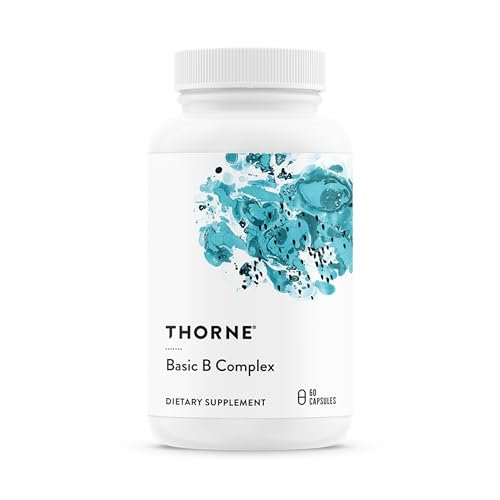
What the trials show: no RCT specifically shows B-complex prevents hangover. The depletion is well-documented in the literature (Hoyumpa, 1980 and successors), and replacement is part of standard alcohol-related deficiency care. Dose: a standard B-complex providing at least 50 to 100 mg thiamine, 10 to 25 mg B6 in P5P form, methylated B12, and methylfolate. Form to look for: activated B-vitamins, not synthetic cyanocobalamin and folic acid. Skip if: you have a known B6 sensitivity (paresthesias above 100 mg/day are well-documented).
Magnesium
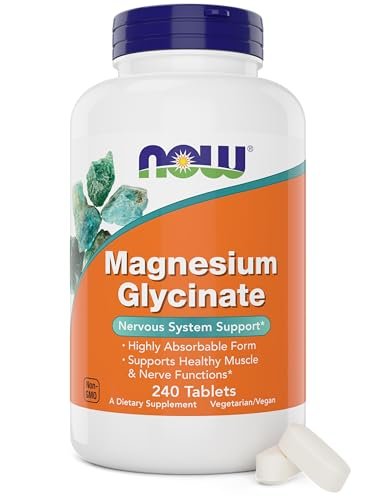
Alcohol is a known magnesium wasting agent through increased renal excretion. Low magnesium is associated with the headache, muscle twitching, and irritability components of hangover. Replacement is cheap and broadly safe. Dose: 200 to 400 mg elemental magnesium glycinate or citrate at bedtime. Form to look for: glycinate (gentlest), citrate (mild laxative effect can help if you are dehydrated and constipated). Skip if: you have kidney disease (impaired magnesium clearance) or you are on a magnesium-containing antacid.
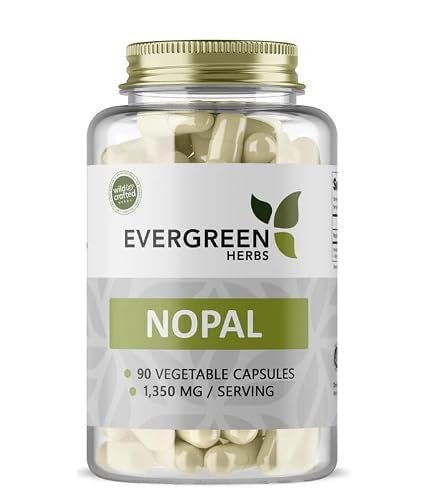
Prickly pear cactus (Opuntia ficus-indica)
The one supplement in this category with a positive randomized trial. In a 2004 Archives of Internal Medicine RCT (Wiese et al., n=55), an extract of Opuntia ficus-indica taken 5 hours before drinking reduced nausea, dry mouth, and loss of appetite, with about half the subjects reporting a meaningful reduction in overall hangover severity. The proposed mechanism is dampening of the inflammatory response to acetaldehyde and impurities (congeners) in alcohol.
Dose used in the trial: 1,600 IU of standardized Opuntia ficus-indica extract, 5 hours before drinking. Form to look for: standardized extract products that disclose the IU per capsule, not vague "prickly pear powder" blends. Skip if: you are diabetic and on insulin or sulfonylureas (prickly pear has mild glucose-lowering effects and can compound hypoglycemia).
Moderate evidence: consider with caveats
Dihydromyricetin (DHM / Hovenia dulcis extract)
DHM is the active flavonoid in Hovenia dulcis, a plant used in traditional East Asian medicine for centuries to "dispel the effects of alcohol." Mechanistically, DHM appears to upregulate alcohol dehydrogenase and aldehyde dehydrogenase activity in rodent models, and it may modulate GABA-A receptor activity to blunt the rebound anxiety associated with alcohol withdrawal.
Worth considering if you want a botanical with traditional use plus animal-model support, with caveats. The human trial evidence is thin: a handful of small studies, mostly with proprietary blends, mostly funded by the supplement industry. Traditional dosing in TCM uses several grams of the whole fruit decoction. Modern RCTs and supplement products use 300 to 600 mg of standardized extract, which is not the same intervention. Dose: 300 to 600 mg of standardized Hovenia dulcis extract before drinking, if you want to trial it. Skip if: you are on benzodiazepines (GABA-A pathway overlap) or significant sedatives.
Milk thistle (silymarin)
Silymarin is a flavonolignan complex from Silybum marianum with well-documented hepatoprotective effects in some liver injury models. It scavenges free radicals, stabilizes hepatocyte membranes, and may support glutathione regeneration. It is genuinely useful in some clinical liver contexts, which is why people assume it helps hangovers.
The actual evidence for hangover prevention is essentially absent. There is no human RCT showing silymarin reduces hangover severity. A small study testing it as an acute hangover treatment found no benefit. If you are concerned about long-term liver health from regular drinking, milk thistle is a defensible adjunct, and you can read more in our fatty liver supplement guide. For the morning after a single rough night, the evidence is not there. Dose if used for general liver support: 200 to 400 mg standardized to 80% silymarin daily, not acutely.
Vitamin C
Alcohol increases oxidative stress, and vitamin C is a water-soluble antioxidant. The reasoning is reasonable. The evidence that vitamin C supplementation reduces hangover symptoms in humans is not. Dose if you want to include it: 500 to 1,000 mg with the post-drink meal or before bed. Cheap, safe, unlikely to do much on its own.
Popular but evidence-thin
Korean pear juice (Asian pear, Pyrus pyrifolia)
A 2013 study from the Australian CSIRO (Lee et al.) reported that 220 mL of Asian pear juice taken before drinking reduced certain hangover symptoms and lowered blood acetaldehyde in a small sample. The mechanism: components in the juice appear to inhibit alcohol dehydrogenase and aldehyde dehydrogenase in vitro, modestly slowing absorption and altering the acetaldehyde curve. Traditional Korean and Japanese practice has used pear preparations for "drinking recovery" for generations. The signal is interesting, the sample sizes are small, and the effect is modest. If you happen to like Asian pear juice, drinking a glass before going out is a low-risk experiment. As a primary strategy, it is thin.
Activated charcoal
Widely promoted in "hangover prevention" stacks. Mechanistically, activated charcoal binds many small molecules in the gut, which is why it is used in some poisoning cases. It does not meaningfully bind ethanol. Ethanol is small, water-soluble, and absorbed rapidly from the upper GI tract, often before the charcoal can interact with it. Charcoal also binds whatever else is in the gut, including medications and nutrients, which is why timing matters in actual toxicology use. For hangover prevention, the mechanistic case fails. Skip it.
What to look for when buying
- Standardized extracts, not "proprietary blends" without per-ingredient mg. "Hangover support formula 750 mg" tells you nothing.
- Third-party testing markers: USP Verified, NSF Certified, ConsumerLab Approved, or a published lot-specific Certificate of Analysis.
- Single-ingredient products you can stack yourself. Pre-built "hangover stacks" usually have sub-therapeutic doses of three or four things and a premium price.
- Avoid anything claiming to "neutralize" or "block" alcohol's effects. That is a regulatory red flag and a pharmacology lie.
When supplements are not the answer
If you are searching for hangover supplements every weekend, the supplement conversation is genuinely the wrong conversation. Frequent intense hangovers correlate with intake patterns that warrant a closer look. The AUDIT-C screening tool is a free three-question screen you can run on yourself in under a minute. A score of 4 or higher in men, or 3 or higher in women, suggests the drinking pattern is worth discussing with a clinician.
For severe drinking patterns, persistent fatigue, or any abnormal liver labs (elevated ALT, AST, GGT), the right next step is a primary care visit or a hepatology referral, not another bottle of capsules. The SAMHSA National Helpline at 1-800-662-HELP (4357) is a free, confidential, 24/7 resource for alcohol and substance use concerns. This is not the dramatic part of the article. It is the part that matters most for some readers.
FAQ
Does NAC really prevent hangovers? NAC has a strong mechanistic rationale as a glutathione precursor, and is widely used for acetaminophen toxicity in hospital settings. For hangover prevention specifically, the human RCT evidence is limited. Many people report it makes mornings milder. Reasonable to trial at 600 to 1,200 mg pre-drink if you have no contraindications.
Should I take supplements before or after drinking? NAC, DHM, prickly pear, and Korean pear are all studied as pre-drink interventions. B-complex and magnesium are most useful the morning after, when depletion is the issue. Vitamin C is flexible.
Is milk thistle good for hangovers? Not really, despite the marketing. Milk thistle has reasonable evidence for some liver conditions, but no human RCT shows it prevents or treats hangover. If you are concerned about long-term liver health from regular drinking, see our fatty liver supplement guide and talk to a clinician.
Can I just drink electrolytes instead? Electrolytes and water address the dehydration component but not the acetaldehyde and inflammatory components. They help, and they are cheaper than supplements. Combine them, do not pick one.
Is the "drink a glass of water between every drink" advice actually evidence-based? Yes, more than any supplement on this list. Pacing slows alcohol absorption, hydrates, and reduces total intake by occupying drinking time. It is the highest-leverage intervention on the page.
Building a supplement routine for this? Our companion app, StackMyMed, lets you scan each product, track your real daily intake, and get timing reminders plus interaction checks across your whole stack.
Conclusion: the bottom line on best supplements for hangover prevention
The honest summary: NAC pre-drink for glutathione support, B-complex and magnesium the next morning for replacement of what alcohol depletes, and prickly pear extract as the one option with a positive RCT. Dihydromyricetin and Korean pear are mechanistically interesting with thin human data. Milk thistle, vitamin C, and especially activated charcoal do not have evidence for hangover prevention, regardless of how often they appear in stacks. The largest effect size in this entire space comes from drinking less, pacing with water, eating, and sleeping.
Next steps:
- Pick one or two supplements with the cleanest rationale (NAC pre-drink, B-complex and magnesium morning after) rather than stacking five.
- If hangover prevention is a frequent search for you, run the AUDIT-C and talk to a clinician.
- See our methodology page on how we review supplements and the Jonathan Reynolds author archive for more botanical and naturopathic protocols.
This article is for informational purposes and not medical advice. Supplements can interact with medications and health conditions, and alcohol-related concerns should be discussed with a licensed clinician. Consult your physician before starting any supplement, particularly if you are pregnant, nursing, taking prescription medications, or managing a chronic condition.
Reviewed by Jonathan Reynolds, ND, focused on botanical and naturopathic protocols.
Top picks on Amazon
As an Amazon Associate, I earn from qualifying purchases. Product recommendations are based on real reviews and independent research.
