
The supplement aisle sells memory the way it sells everything else: as a pill problem with a pill solution. The honest version is uncomfortable. In a healthy adult with no deficiency, almost no supplement has been shown to reliably improve memory in a quality trial. The few picks below are the ones I'd actually keep in my own family's cabinet, and even those earn their place by correcting a gap or hitting a narrow signal, not by working magic on a normal brain.
This article walks through which compounds clear the bar of plausible mechanism plus at least one decent human trial, which ones are mixed, and which famous "memory" products failed their trials outright.
Affiliate disclosure: this article contains affiliate links. As an Amazon Associate, UsefulVitamins.com earns from qualifying purchases at no extra cost to you.
Before you decide

Do not treat noticeable memory loss as a supplement problem. New or worsening forgetfulness that interferes with daily life deserves a doctor's workup, not a bottle off a shelf, and nothing here is a treatment for dementia or Alzheimer's.
Before you add anything, rule out the common reversible causes of fuzzy memory: poor sleep, alcohol, depression and anxiety, an underactive thyroid, certain medications (sedatives, some anticholinergics), and a genuine vitamin B12 deficiency. Several of these are fixable, and a pill stacked on top of an untreated cause just hides the signal.
A supplement is only worth considering once those are addressed, and even then it is an adjunct, not a cure. You can see how I weigh mechanism against human-trial reality on the how we review supplements page.
What actually drives memory

Memory is not a single dial. It is the loop of encoding what you experience, consolidating it (largely during sleep), and retrieving it later. The hippocampus does the heavy lifting, and it is unusually sensitive to sleep, blood flow, and neuroinflammation.
That biology explains why the supplement story is so deflating. A capsule can nudge a neurotransmitter or supply a building block, but it cannot substitute for the overnight consolidation window or the cerebral blood flow that exercise delivers. Those are upstream of any pill.
It also explains the deficiency exception. When a nutrient your neurons depend on is genuinely low, correcting it can restore function. When it is already adequate, adding more does essentially nothing, which is the central reason most "memory" supplements fail in healthy people.
Strongest (relatively) evidence
These three have the best human-trial signal for memory, and notice the pattern: each works mainly by filling a gap, not by enhancing a normal brain.
| Supplement | Who it may help | Trial dose | Honest expectation |
|---|---|---|---|
| Omega-3 (DHA/EPA) | Low-fish-diet adults; possibly aging brains | ~1 g DHA/day; fish-oil 1 to 2 g EPA+DHA | Modest, mainly if your intake was low |
| Creatine monohydrate | Older adults, sleep-deprived, low-meat diets | 3 to 5 g/day | Small memory signal, strongest in older adults |
| Vitamin B12 (if low) | Only those with lab-confirmed deficiency | Per clinician; often 500 to 1000 mcg/day oral | Can help if deficient; nothing if levels are normal |
Omega-3 (DHA and EPA)
DHA is a structural fatty acid built into neuronal membranes, where it supports membrane fluidity and signaling at the synapse. The brain runs on a steady DHA supply, and many people eating little fish run chronically low.
The cleanest signal comes from people who were short to begin with. A 6-month randomized trial of 176 healthy young adults with low habitual DHA intake found that 1.16 g DHA/day improved reaction times for episodic and working memory. A 2023 review of omega-3 and cognition summarizes the broader picture as genuinely mixed in older adults, where trials split roughly evenly between benefit and no effect.
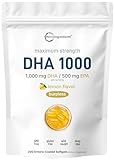
Dose used in trials: around 1 g DHA/day, or a fish-oil product supplying 1 to 2 g combined EPA and DHA. Look for the EPA+DHA numbers on the back, not the "fish oil" weight on the front.
Skip if you already eat fatty fish a few times a week (you are likely replete and unlikely to gain), or if you are on blood thinners without clearing it with your doctor.
Creatine monohydrate
Creatine is not just a muscle supplement. The brain stores it too, where it buffers ATP and supports energy supply to neurons under load. The trial signal is real but small, and it shows up most when the brain is energetically stressed, such as in older adults, after sleep loss, or in people eating little dietary creatine.
A 2024 systematic review and meta-analysis found creatine significantly improved memory and processing speed, while a meta-analysis focused on memory in healthy people found the benefit was most pronounced in older adults (66 to 76 years) rather than younger ones. Certainty for the memory effect was moderate, which by supplement standards is encouraging.
Dose used in trials: 3 to 5 g/day of plain creatine monohydrate, the same cheap form used in the exercise literature, no "HCl" upcharge needed.
Skip if you have kidney disease without medical sign-off. For the broader case, see creatine for cognition and aging.
Vitamin B12 (only if you are low)
B12 is a cofactor for myelin maintenance and for clearing homocysteine, and a true deficiency can produce reversible cognitive symptoms that mimic something more serious. This is the clearest example of "fix the gap, restore the function."
A review of B12 and folate in cognition describes how low status correlates with poorer memory and attention, and why correcting a deficiency matters, especially in older adults, vegans, and people on long-term metformin or acid-suppressing drugs.
The catch that ruins the supplement-aisle pitch: B12 only helps if you are deficient. In someone with normal levels it does nothing for memory, so this is a blood-test decision, not a default purchase. Folate can mask a B12 deficiency on a blood count, so test before you self-supplement either.
Moderate or mixed evidence

These two have plausible mechanisms and some positive trials, but the results do not hold together cleanly enough to recommend with confidence.
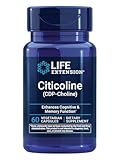
Citicoline (CDP-choline) supplies choline for acetylcholine synthesis and membrane phospholipids. A randomized trial in healthy older adults with age-associated memory complaints found 500 mg/day improved some memory measures over 12 weeks. The honest caveat: trials are small, several are industry-linked, and the benefit clusters in older adults with existing complaints, not healthy younger people. Worth a defined 8 to 12 week trial if you are older and want to test it, with realistic expectations.
Bacopa monnieri is an Ayurvedic herb that, in animal models, modulates cholinergic signaling and shows antioxidant effects. The human picture is thinner: a meta-analysis of bacopa RCTs found improvements in speed of attention but no consistent, replicated effect on memory itself, with no two studies confirming the same endpoint. The dose-trial gap matters here too: studies use standardized extracts at roughly 300 mg/day for 12 weeks, and many shelf products are underdosed or unstandardized, so you cannot assume the trial result transfers to the bottle in your hand.
Popular but evidence-thin
This is where the supplement-aisle promise inverts hardest: the products marketed most aggressively for memory are the ones that failed their trials.
Ginkgo biloba is the classic "memory herb," sold for decades on the premise that it improves blood flow to the brain. The definitive test was the Ginkgo Evaluation of Memory (GEM) study, a randomized trial of more than 3,000 older adults taking 120 mg twice daily for over six years. It found no reduction in cognitive decline and no prevention of dementia. If you still want to try it, expect nothing for memory based on the best evidence we have.
Apoaequorin (Prevagen) is a jellyfish protein sold as a memory aid. As a swallowed protein it is digested into amino acids in the stomach like any other dietary protein, so the mechanism is implausible on its face. The FTC and New York State charged the marketers with deceptive memory claims, noting the company's own study showed no overall benefit and leaned on post-hoc subgroup analyses. Skip it.
Generic "brain" blends combine a dozen ingredients (often ginkgo, a little bacopa, some B vitamins, a sprinkle of nootropic-sounding extracts) at sub-trial doses you cannot verify. A proprietary blend that hides per-ingredient amounts is unverifiable by design, which is reason enough to pass. We unpack that blend problem, along with the few ingredients that survive scrutiny, in our full breakdown of do nootropic supplements actually work.
What beats any pill
If you genuinely want better memory, this is where the return on effort is.
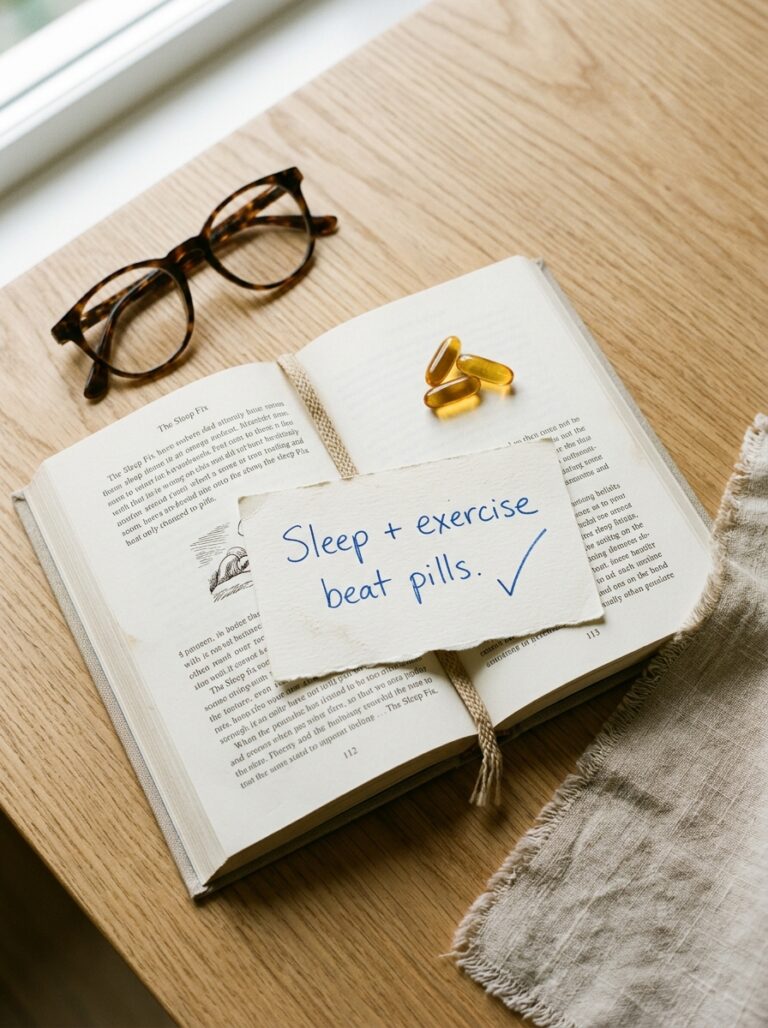
Sleep is the consolidation engine. Memories are transferred from the hippocampus to cortical storage largely during deep sleep, and short or fragmented sleep measurably degrades both forming and recalling memories. No capsule reproduces a consolidation cycle, which is why "Sleep + exercise beat pills" is the verdict on this guide's card.
Aerobic exercise is the most evidence-backed memory intervention there is. A landmark randomized trial found that one year of moderate aerobic exercise increased hippocampal volume by about 2% in older adults, reversing the typical age-related shrinkage, with corresponding gains in spatial memory.
Protect your hearing and stay socially engaged. Untreated hearing loss strains the cognitive system and is one of the larger modifiable risk factors for later decline, so a hearing check belongs on the list before any nootropic does.
If your interest is the broader healthspan picture rather than memory specifically, the same levers anchor my longevity supplements guide, and if it's daytime sharpness you're after, see supplements for focus and concentration.
When to see a doctor
Some forgetting is normal aging. Some is not, and the distinction is not yours to make with a supplement.
See a clinician if you or your family notice memory loss that disrupts daily life, getting lost in familiar places, repeating questions, trouble managing money or medications, word-finding problems, personality or mood changes, or a noticeable decline over months. These warrant evaluation, including a check for reversible causes like thyroid dysfunction, B12 deficiency, medication effects, and depression.
This is the YMYL line: real cognitive decline is a medical matter, and the worst outcome of any "memory pill" is that it delays a proper workup.
FAQ
What is the single best supplement for memory?
For a healthy, well-nourished adult, there isn't one with reliable evidence. The closest honest answer is omega-3 if your diet is low in fish, or B12 if a blood test shows you are deficient, because both correct a genuine shortfall rather than enhancing a normal brain.
Does Prevagen actually work?
The best available evidence and a federal action say no. The marketers were charged by the FTC over deceptive memory claims, the active ingredient is digested like any protein, and the company's own trial showed no overall benefit. Save your money.
Will fish oil improve my memory?
Possibly a little, mainly if your habitual fish intake is low. In people already eating fatty fish regularly, adding fish oil shows little to no memory benefit. It is a fill-the-gap supplement, not an enhancer.
Is creatine only for the gym?
No. Creatine supports brain energy too, and meta-analyses show a small memory benefit, strongest in older adults and under conditions like sleep deprivation. 3 to 5 g/day of plain monohydrate is the studied dose.
Does a daily multivitamin help memory?
The signal is weak and debated. The large COSMOS multivitamin analysis reported a modest favorable effect on memory in older adults in some sub-studies, while the main dementia-prevention arm found nothing. It is not a reason to expect memory gains, though a multivitamin is reasonable insurance for an inadequate diet.
The bottom line on memory supplements
The supplement aisle promises a sharper memory in a capsule, and the evidence does not deliver it. In a healthy adult, the realistic expectation from any "memory" supplement is little to nothing, and the few with real signal work by correcting a deficiency (omega-3 in low-fish diets, B12 when lab-confirmed low) or by a small effect that shows up mainly in older or stressed brains (creatine).
The genuinely powerful interventions are not on the supplement shelf. Sleep, aerobic exercise, treated hearing, and managing the reversible causes of brain fog do more for memory than any pill, and the famous memory products (ginkgo, Prevagen) failed exactly the trials that should have made their case.
Next steps:
- Fix the basics first: consistent sleep and regular aerobic exercise, before any purchase.
- Test, don't guess: ask your doctor about B12 and thyroid if your memory feels off.
- If you supplement at all: start with omega-3 (if your diet is low) or creatine, at the studied doses, and see how we review supplements for our standard.
Reviewed by Maria Rodriguez, MS Nutrition Science, focused on cognitive and mood biochemistry. See more from Maria Rodriguez. This article is educational and is not a substitute for individualized medical advice; talk to your doctor before starting a supplement, and seek evaluation for any memory changes that interfere with daily life.
Recommended Products

As an Amazon Associate, UsefulVitamins.com earns from qualifying purchases at no extra cost to you. We only recommend products supported by published research or third-party testing.
